

Quick Answer: Can You Put Heat on a Sprained Ankle?
Yes, but timing matters. A heat pad for an ankle sprain is generally not recommended during the first 48–72 hours if the ankle is still swollen, hot, or acutely painful . During the early inflammatory stage, cold therapy may help manage pain and swelling. Once active swelling has settled, gentle heat may help relieve stiffness, relax surrounding muscles, and prepare the ankle for mobility exercises.
When to use heat
Heat may be appropriate when swelling is clearly decreasing and stiffness or muscle tightness has become the main problem. Use gentle warmth before light movement or rehabilitation rather than relying on heat as the primary treatment for the injury.
When to avoid heat
Avoid heat on a newly injured or actively swollen ankle. If warmth makes swelling, throbbing, redness, or pain worse, stop using it and consider medical advice.
For a simple treatment timeline, think: active swelling first, gentle warmth later. The right choice depends more on your symptoms and stage of recovery than on a fixed number of days.
Is Heat Good for Ankle Sprain? Proper Application Tips
⏱ 6 min read
Twisting your ankle can stop your day cold. Swelling, stiffness, and lingering pain make even simple steps feel risky. You may be wondering: is heat good for ankle sprain relief, or could it make things worse? The answer depends on when you use it. During the early stage, heat may aggravate swelling; later in recovery, carefully applied warmth can help ease stiffness and support comfortable movement.

Targeted warmth for ankle comfort — see how a heat ankle wrap fits into daily recovery
Understanding Ankle Sprain Healing Stages
Understanding how an ankle sprain changes over time makes it easier to decide whether heat or cold is appropriate. Although recovery does not follow an identical schedule for everyone, most sprains move through overlapping stages. Your symptoms—especially swelling, pain, stiffness, and ability to move—are often more useful than the calendar alone.
Acute inflammatory phase
Immediately after a sprain, damaged tissues can trigger inflammation, swelling, tenderness, and pain. During this stage, applying heat may increase blood flow to an already inflamed area and could make swelling or throbbing feel worse. If your ankle is visibly swollen, hot, or becoming more painful, avoid heat and follow appropriate early-injury care guidance.
Subacute recovery phase
As swelling and acute pain begin to settle, stiffness and reduced mobility may become more noticeable. This is often the point when heat ankle sprain care may become useful for some people. Gentle warmth can relax surrounding muscles and make light mobility work more comfortable, provided it does not cause swelling or pain to increase.
Return-to-activity phase
As the ankle regains movement and strength, heat may be used before gentle stretching or rehabilitation exercises to reduce the sensation of stiffness. It should support—not replace—progressive exercises that restore range of motion, strength, balance, and confidence with activity.
Important: A severe sprain, suspected fracture, significant inability to bear weight, or symptoms that are worsening should be evaluated by a healthcare professional rather than managed with heat alone.
When Heat Helps an Ankle Sprain
Heat can be useful when the main issue has shifted from acute swelling to stiffness and tightness. In other words, heat for ankle sprain recovery is usually more appropriate after the inflammatory symptoms have started to settle .
Signs you're ready for heat
- Swelling is clearly decreasing rather than increasing.
- The ankle feels stiff or tight, especially after resting.
- Muscles around the ankle feel tense or guarded.
- Gentle movement is uncomfortable because of stiffness rather than sharp, escalating pain.
- Warmth does not increase swelling, throbbing, or discomfort.
Benefits during recovery
When used at the appropriate stage, heat on a sprained ankle may help the area feel more relaxed before gentle movement. It can be particularly useful as part of a broader recovery routine that includes appropriate mobility and strengthening exercises.
- Reduce stiffness: Gentle warmth may make the ankle feel less rigid before movement.
- Relax surrounding muscles: Heat can help ease muscle tightness that develops when you protect an injured joint.
- Support comfortable movement: A less stiff ankle may make gentle range-of-motion work easier.
- Prepare for rehabilitation: Some people find warmth useful before light exercise when acute swelling has settled.
How Heat Therapy Supports Recovery
Heat therapy raises the temperature of the tissues it reaches, which can increase local blood flow and reduce the sensation of stiffness. For a recovering ankle, this may help surrounding soft tissues feel more relaxed before gentle movement.
How heat affects healing
Increased circulation can support the delivery of oxygen and nutrients to tissues, while warmth may reduce muscle tightness and improve the feeling of flexibility. However, heat is a comfort and mobility aid—not a way to instantly repair damaged ligaments. The ankle still needs time and appropriate rehabilitation to recover.
Key Benefits You May Notice
- Less stiffness: Warmth may make the joint feel more comfortable before movement.
- Reduced muscle tightness: Surrounding muscles may relax when exposed to gentle heat.
- Improved exercise readiness: Heat may make gentle range-of-motion exercises feel easier during later recovery.
- Temporary comfort: Warmth can help ease discomfort associated with stiffness and tension.
Heat should be stopped if it causes increased swelling, worsening pain, significant redness, or other concerning symptoms.
Heat vs. Cold: Choosing the Right Option
The question of whether a sprained ankle should be hot or cold depends largely on the symptoms you are experiencing. Cold is generally more useful for managing acute pain and swelling, while heat may be more helpful later when stiffness and tightness are the primary concerns.
Ice during swelling
If the ankle is actively swollen, hot, or acutely painful after a recent injury, avoid using heat. Cold therapy may provide temporary relief from pain and help manage the sensation of swelling when used safely.
Heat after swelling
Once active swelling has settled, gentle heat may be considered for stiffness and muscle tightness. If the ankle remains swollen or becomes more swollen after warming, return to a symptom-appropriate approach and seek professional advice if symptoms are significant or persistent.
Simple decision guide
| What your ankle feels like | Usually more appropriate | Why |
|---|---|---|
| New injury with active swelling, heat, or increasing pain | Cold therapy may be more appropriate | Heat may aggravate the sensation of inflammation and swelling |
| Swelling is decreasing but stiffness remains | Consider gentle heat or cold based on symptoms | Heat may relax tight tissues; cold may still help if swelling persists |
| Later recovery with stiffness before mobility work | Gentle heat may help | Warmth can support comfort and movement preparation |
When in doubt, let symptoms guide you. A heat on swollen ankle approach is generally not appropriate if warmth clearly increases swelling, throbbing, or pain.
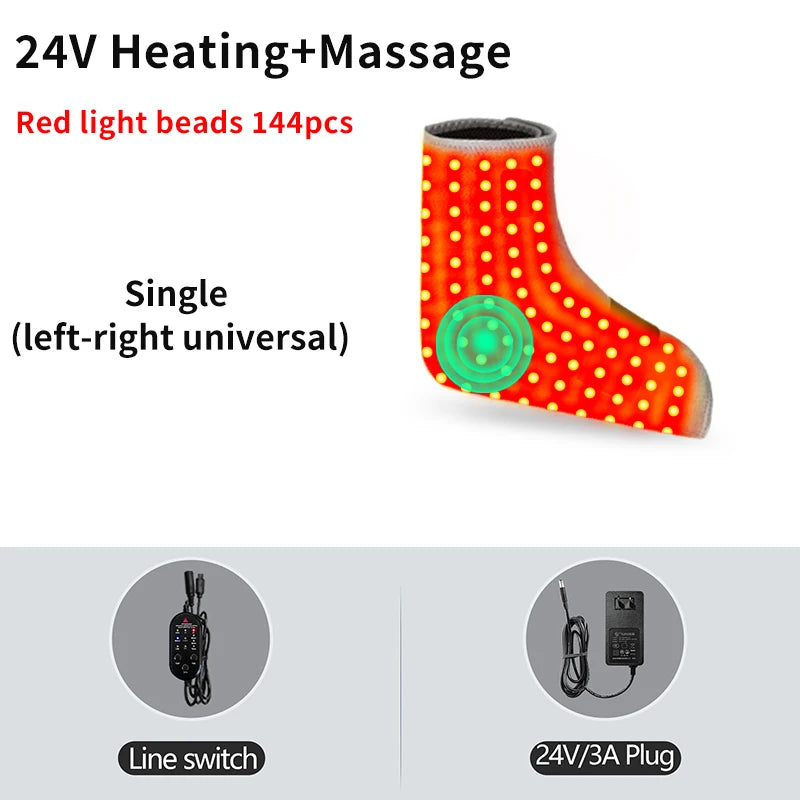
Consistent warmth from a heated ankle wrap helps reduce stiffness — feel the difference
How to Use a Heat Pad for an Ankle Sprain Safely
If heat is appropriate for your stage of recovery, use a controlled, comfortable temperature rather than intense heat. A heating pad on a sprained ankle should feel soothing, not hot enough to cause discomfort or skin irritation.
Temperature
Use the lowest comfortable setting that provides gentle warmth and follow the device manufacturer's instructions. Avoid placing very hot surfaces directly against bare skin.
Duration
Start with approximately 15–20 minutes per session . Longer or hotter sessions are not necessarily more effective and may increase the risk of skin irritation or burns.
Frequency
Some people may use gentle heat more than once per day during the recovery phase, provided the skin and ankle tolerate it well. Follow the product instructions and stop if symptoms worsen.
- Confirm that active swelling and acute symptoms have settled enough for warmth to be appropriate.
- Check the manufacturer's temperature and usage guidelines.
- Use a comfortable, gentle setting rather than maximum heat.
- Apply heat for about 15–20 minutes at a time unless the product instructions specify otherwise.
- Check your skin during and after treatment for excessive redness or irritation.
- Stop immediately if heat causes increased pain, swelling, burning, or significant discomfort.
For targeted warmth and a secure fit, explore the red light heated ankle wrap . As with any heat device, follow the manufacturer's safety instructions and use it only when warmth is appropriate for your symptoms.
Mistakes to Avoid With Heat Therapy
Using heat too early
Applying heat immediately after an injury or while the ankle is actively swollen may make symptoms feel worse. Do not use warmth simply because the ankle hurts; first consider whether swelling and acute inflammation are still present.
Overheating the skin
- ❌ Using the highest temperature setting unnecessarily
- ❌ Applying a heat source directly to bare skin when the device instructions recommend protection
- ❌ Falling asleep while using an active heat device
- ❌ Continuing treatment despite burning, significant redness, or discomfort
Ignoring severe symptoms
Heat should not delay evaluation of a potentially serious injury. Seek medical advice if you cannot bear weight, the ankle looks deformed, pain or swelling is severe or worsening, numbness develops, or symptoms do not improve as expected. A suspected fracture or significant ligament injury needs appropriate assessment rather than heat therapy alone.
Why a Heated Ankle Wrap Makes a Difference
A standard heating pad can provide warmth, but an ankle-specific wrap may offer a more practical fit around the joint. The best option depends on your needs, the area you want to warm, and how easily you can control the temperature and duration.
Heat pad vs heated wrap
- Standard heat pad: Can provide broad warmth but may shift during movement and may not fit the ankle closely.
- Heated ankle wrap: Is designed to stay positioned around the ankle and can offer more targeted coverage.
Choosing the right option
When comparing a heat pad for ankle sprain care with a heated wrap, look for adjustable temperature control, comfortable materials, a secure but non-restrictive fit, clear safety instructions, and an automatic shutoff feature when available.
A heated wrap can be convenient during later-stage recovery because it may allow you to apply targeted warmth without holding a pad in place. However, convenience does not make heat appropriate during active swelling, and no heating device should replace professional assessment when symptoms are severe or unusual.
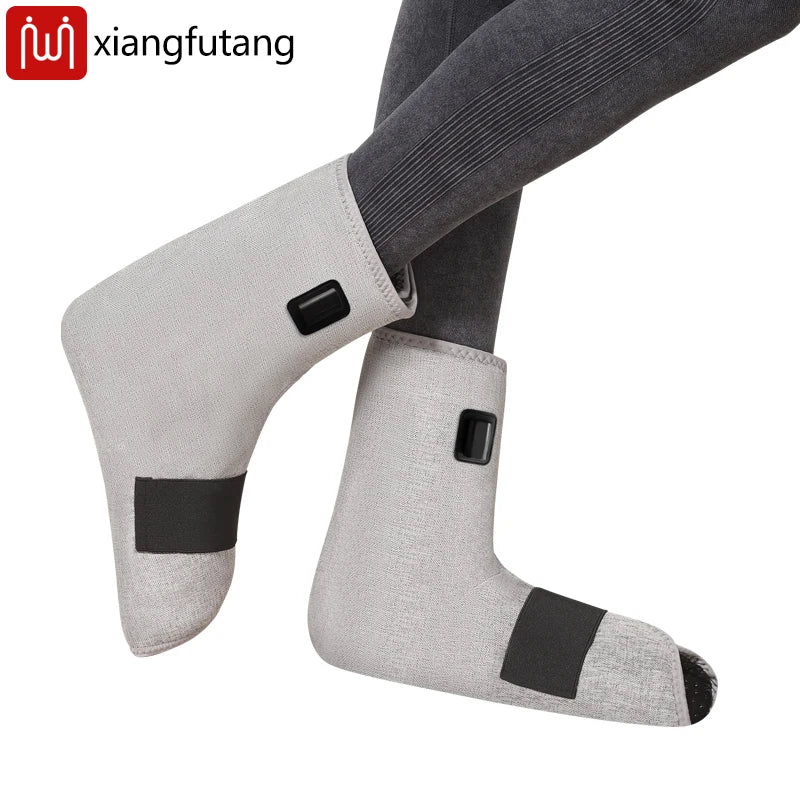
Designed for daily comfort and ease — see it in action
Heat Therapy Combined With Compression and Rehabilitation
Heat works best as one part of a broader ankle recovery plan. Once acute symptoms have settled, gentle warmth may help you feel more comfortable before mobility exercises, while rehabilitation helps restore the function that reduces the chance of ongoing stiffness and reinjury.
Mobility exercises
When tolerated, gentle range-of-motion exercises can help address stiffness. Move within a comfortable range and avoid forcing sharp or worsening pain. Heat may be used before movement if it helps the ankle feel less stiff, but exercise progression should remain gradual.
Compression
Compression may help support comfort and manage swelling for some people when used appropriately. It should not be so tight that it causes numbness, tingling, discoloration, or increased pain. Heat and compression are not automatically better together, so follow professional or product guidance for your specific injury.
Return to activity
Returning to normal activity should be gradual. Before progressing, work toward comfortable movement, improving strength, and better balance. Using heat to mask pain so you can push through an injury may increase the risk of aggravating the problem.
Frequently Asked Questions
Can I use a heat pad immediately after an ankle sprain?
Usually, avoid heat immediately after a sprain if the ankle is actively swollen, hot, or acutely painful. During the early stage, heat may worsen the sensation of swelling. Once acute symptoms settle, gentle warmth may be useful for stiffness.
How long should I wait before using heat on a sprained ankle?
Many people wait at least 48–72 hours, but there is no universal timeline. The more important question is whether active swelling and acute inflammation have settled. If the ankle remains significantly swollen or becomes worse with heat, avoid it and seek medical guidance when appropriate.
Is heat or ice better for a swollen ankle?
For an actively swollen ankle, cold therapy may be more appropriate than heat for temporary symptom relief. Heat can increase the sensation of swelling in some cases. Once swelling has decreased and stiffness becomes the main issue, gentle warmth may be considered.
Can a heating pad make an ankle sprain worse?
Yes. Applying excessive heat or using heat while the ankle is actively swollen may worsen discomfort or swelling. Stop treatment if symptoms become worse, and do not use heat to delay evaluation of a potentially serious injury.
How long should I use a heat pad on my ankle?
A common starting point is approximately 15–20 minutes per session using a comfortable temperature. Follow the device instructions, monitor your skin, and stop if you experience burning, significant redness, increased pain, or swelling.
Should I combine heat therapy with compression?
Heat and compression can sometimes be included in the same overall recovery plan, but they should not be combined in a way that causes excessive pressure or overheating. Compression should feel supportive rather than painfully tight, and you should stop if you develop numbness, tingling, discoloration, or increased pain.
What symptoms mean I should see a doctor instead of using heat?
Seek medical evaluation if you cannot bear weight, the ankle appears deformed, pain or swelling is severe or worsening, you develop numbness or significant color changes, or the injury is not improving as expected. These symptoms may require assessment beyond home heat therapy.
Sprained ankle hot or cold?
Cold is generally more suitable when the ankle is newly injured and actively swollen. Heat may be more useful later when swelling has settled and stiffness or muscle tightness is the main concern. Choose based on symptoms rather than using heat or cold automatically.
When should I avoid heat on a sprain?
Avoid heat when the ankle is actively swollen, hot, increasingly painful, or has a new injury-related inflammatory response. Also avoid excessive temperatures and never apply heat over irritated or broken skin.
For those building a well-rounded self-care routine, you may also explore curated insights in Beauty & Self-Care Blog for everyday wellness inspiration.
Related Guide: How to Use a Heating Pad for Ankle Pain Effectively













