
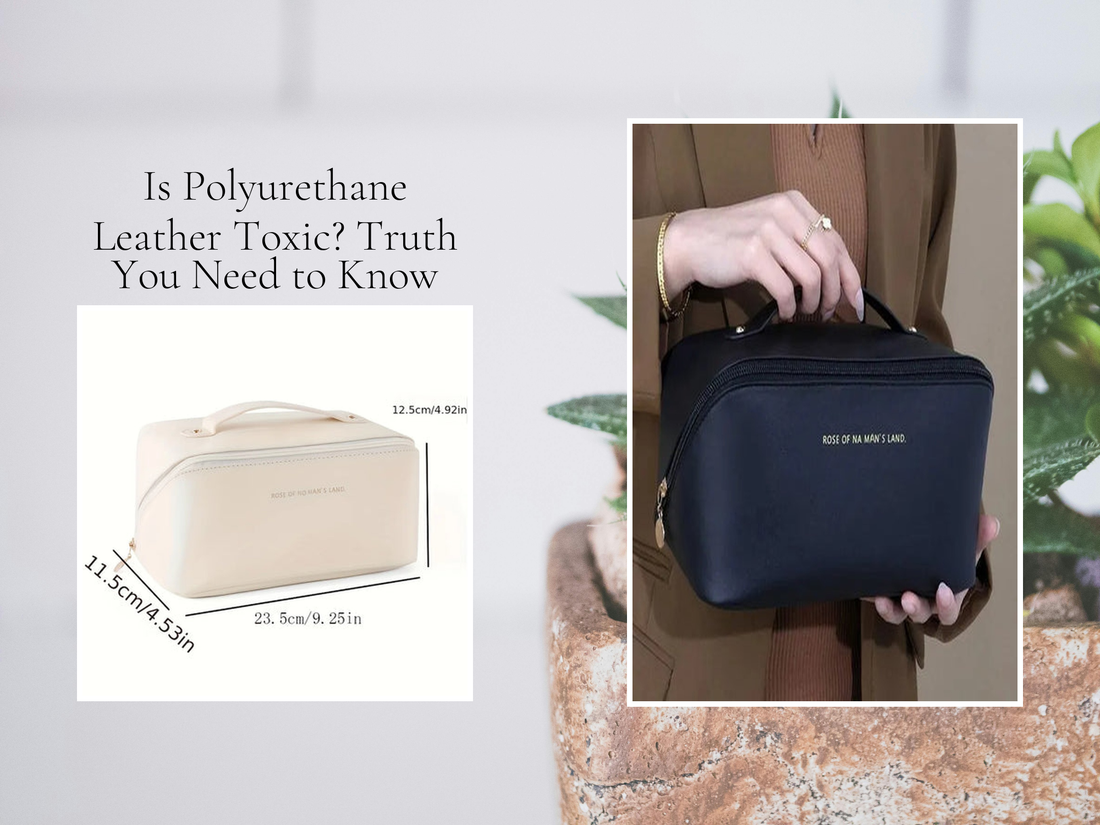
❓ Is polyurethane leather toxic?
No, polyurethane leather is generally considered safe for consumers when used in finished products. The main health concerns involve manufacturing chemicals and temporary VOC off-gassing from some new products. Properly cured, low-emission PU leather items are typically safe for everyday use in accessories, furniture, and personal storage products.
⏱ 9 min read
Polyurethane Leather Health Risks: Is PU Leather Safe or Toxic?
Is polyurethane leather toxic, or is this concern misunderstood? Many shoppers researching handbags, furniture, accessories, and travel products ask whether PU leather causes cancer, releases harmful chemicals, or affects indoor air quality. The answer depends on understanding how polyurethane leather is manufactured, what chemicals are involved, and the difference between factory exposure and everyday consumer use.
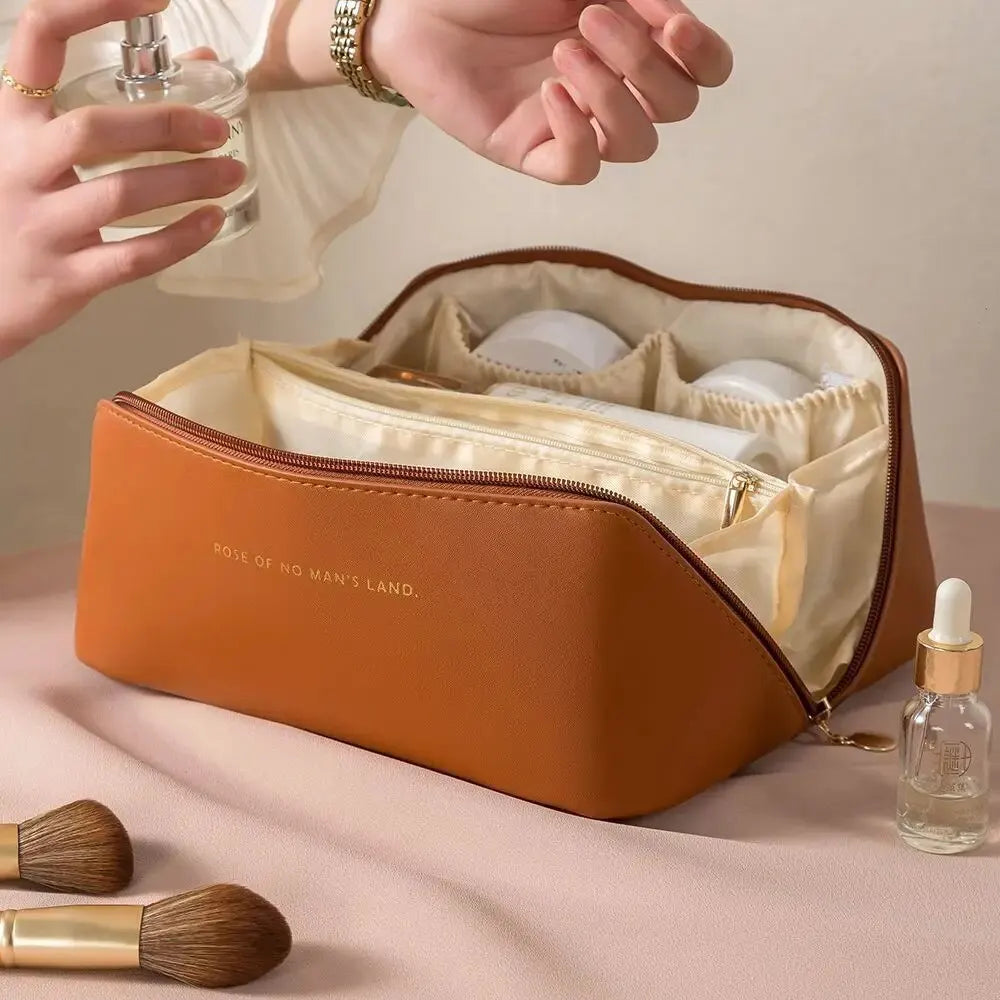
See it in action: Safe, stylish, and chemical-conscious travel gear for beauty lovers
Shop the KentDO Water Resistant Travel Pouch
Executive Safety Verdict
Quick Answer: Is PU Leather Safe?
For most consumers, polyurethane (PU) leather is considered safe for normal use. Finished PU leather products generally present a low health risk because the reactive chemicals used during manufacturing are no longer present in significant amounts after curing. However, some new products may release small amounts of volatile organic compounds (VOCs), especially if manufactured using solvent-based polyurethane.
Risk Level Summary by Exposure Scenario
- Everyday consumer use: Low risk
- New products with noticeable odor: Low to moderate temporary VOC exposure
- Factory manufacturing: Higher occupational risk without proper protection
- Sensitive individuals: May experience irritation from off-gassing
Who Should Be More Cautious?
Individuals with asthma, fragrance sensitivity, eczema, or chemical sensitivities may prefer low-VOC certified materials and should allow newly manufactured PU leather items to air out before prolonged use.
What Is Polyurethane Leather?
How PU Leather Is Made
Polyurethane leather is a synthetic material created by coating a textile backing with polyurethane polymer to imitate the appearance and texture of genuine leather. Manufacturers may use solvent-based or water-based polyurethane systems depending on the desired performance and production method.
Polyurethane Chemistry Explained
Polyurethane forms when polyols react with compounds called isocyanates. These reactive chemicals are mainly a concern during manufacturing because they can irritate skin and lungs before the material fully cures. Once cured, the finished polyurethane polymer becomes much more stable under normal conditions.
What Chemicals Are Used in PU Leather?
- Polyurethane polymers
- Polyols
- Isocyanates during production
- Pigments and dyes
- Catalysts
- Solvents for some PU systems
- Additives for flexibility and durability
Understanding synthetic leather materials can help consumers make better choices when comparing different options.
Is Polyurethane Leather Toxic?
Is PU Leather Toxic? (Direct Evidence-Based Answer)
Finished polyurethane leather is generally not considered toxic during normal consumer use. The greatest concerns relate to manufacturing environments where workers may handle uncured chemicals and industrial solvents before the polyurethane fully cures.
Manufacturing Hazards vs Consumer Exposure
A major misunderstanding about PU leather is confusing factory chemical exposure with ownership of finished products. Workers involved in polyurethane production may face higher exposure risks, while consumers typically interact only with the cured polymer surface.
Why Exposure Pathway Matters
Health risks depend on how exposure happens. Breathing concentrated industrial chemicals during manufacturing is different from touching a finished PU leather bag, sitting on a PU sofa, or using a travel organizer made from cured synthetic leather.
Health Risks of Polyurethane Leather
VOC Off-Gassing
Some newly manufactured PU leather products can release low levels of volatile organic compounds (VOCs). Off-gassing is usually strongest shortly after production and decreases as the material ventilates and finishes curing.
For more information about indoor air quality factors, VOC exposure, and ventilation practices, understanding general VOC guidance can help reduce unnecessary exposure.
Skin Irritation and Allergic Reactions
Although uncommon, some dyes, finishes, or additives used in synthetic leather products may trigger contact irritation or allergic reactions in sensitive individuals.
Respiratory Sensitivity
People with asthma or chemical sensitivity may notice temporary discomfort from strong odors released by new synthetic materials.
Indoor Air Quality Considerations
Choosing low-emission products and improving ventilation after bringing new furniture or accessories indoors can help reduce temporary VOC concentrations.
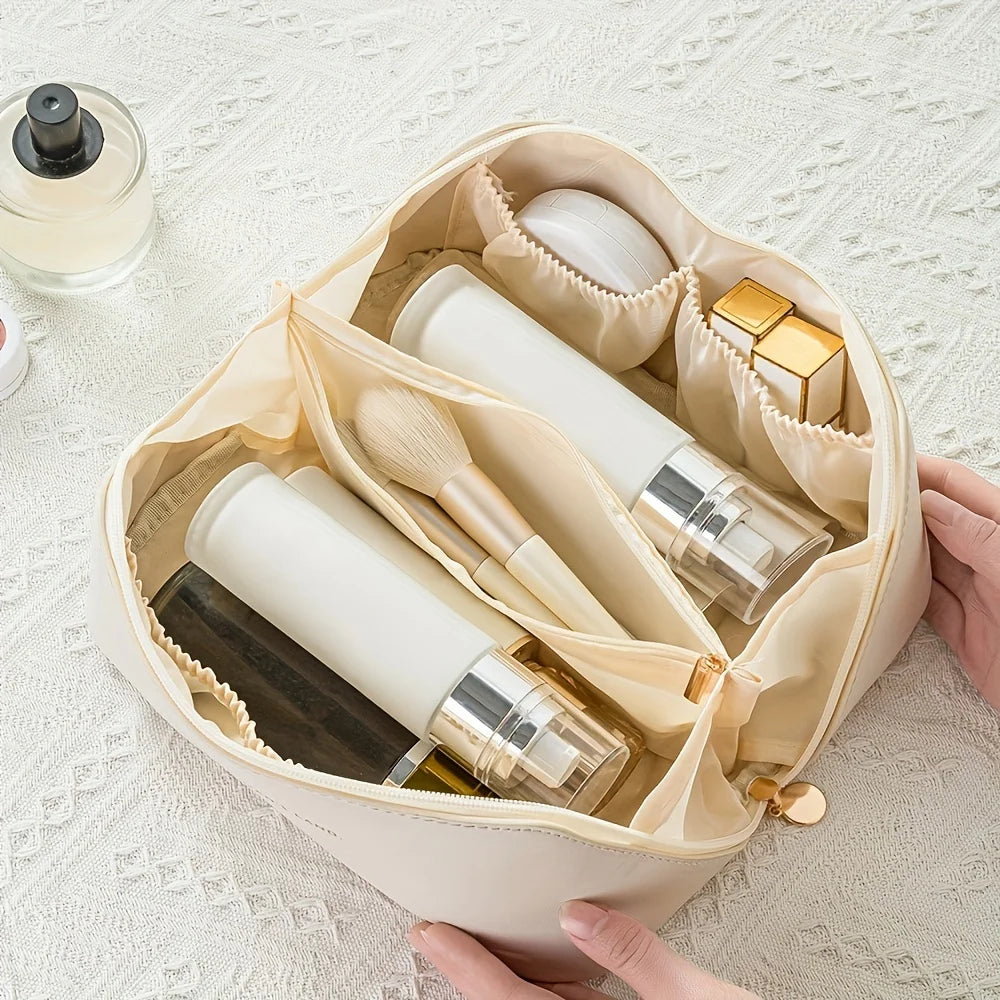
Durable, water-resistant & thoughtfully made — ideal for travel & beauty routines
Get the KentDO Organizer
Is Polyurethane Coating for Fabric Toxic?
Toxicity During Manufacturing
Uncured polyurethane coatings may contain reactive chemicals that require industrial ventilation and protective equipment during production.
Finished Fabric Safety
After curing, polyurethane-coated fabrics are generally considered safe for everyday consumer use when they meet applicable product safety standards.
Water-Based vs Solvent-Based PU Coatings
Water-based polyurethane coatings generally emit fewer VOCs than solvent-based alternatives, making them a preferred option for improved indoor air quality.
Does PU Leather Cause Cancer?
What Research Actually Shows
Current evidence does not show that using finished polyurethane leather products causes cancer in everyday consumers.
Isocyanates and Occupational Exposure
Some isocyanates used during polyurethane manufacturing have occupational health concerns when inhaled before curing. These risks are primarily associated with industrial workers rather than normal consumer use.
Cancer Risk for Consumers
For finished PU leather products used as intended, cancer risk is considered very low because exposure to manufacturing chemicals is minimal after curing.
PU Leather vs PVC Leather vs Genuine Leather
Health Risk Comparison
- PU Leather: Generally low consumer risk with possible temporary VOC emissions from new products.
- PVC Leather: May contain plasticizers and has different chemical considerations depending on formulation.
- Genuine Leather: May contain tanning-related chemical residues but usually has limited off-gassing after production.
VOC Comparison
Water-based PU leather generally emits fewer VOCs than many solvent-based synthetic leather alternatives.
Environmental Exposure Comparison
Environmental impacts differ between materials, but environmental concerns should be separated from direct human exposure risks.
Difference Between PU Leather and Bonded Leather
Composition Differences
PU leather is primarily a synthetic polymer coating applied to fabric, while bonded leather combines shredded leather fibers with adhesives and polyurethane coatings.
Which Is Safer?
Both materials can be safe for consumers when properly manufactured. Chemical exposure depends more on production quality, finishing, and emissions testing than the material category alone.
Durability and Chemical Exposure
Bonded leather may break down faster because of its mixed structure and adhesive content, affecting durability more than creating significant health risks.
Who Should Avoid PU Leather?
Children and Babies
For nurseries and children's spaces, choosing low-emission certified products can help minimize unnecessary VOC exposure.
People with Chemical Sensitivities
Individuals sensitive to odors or chemical emissions may prefer low-VOC certified products.
Individuals with Asthma or Skin Conditions
If odors trigger symptoms, allow new PU leather products to air out before extended indoor use.
How to Reduce Exposure to VOCs
Air Out New Products
Ventilate newly purchased furniture, accessories, or synthetic leather products for several days whenever practical.
Choose Certified Low-Emission Products
Look for independent certifications and manufacturer claims supported by testing.
What Labels to Look For
- GREENGUARD Gold
- OEKO-TEX Standard 100
- CertiPUR-US where applicable
- Verified low-VOC product testing
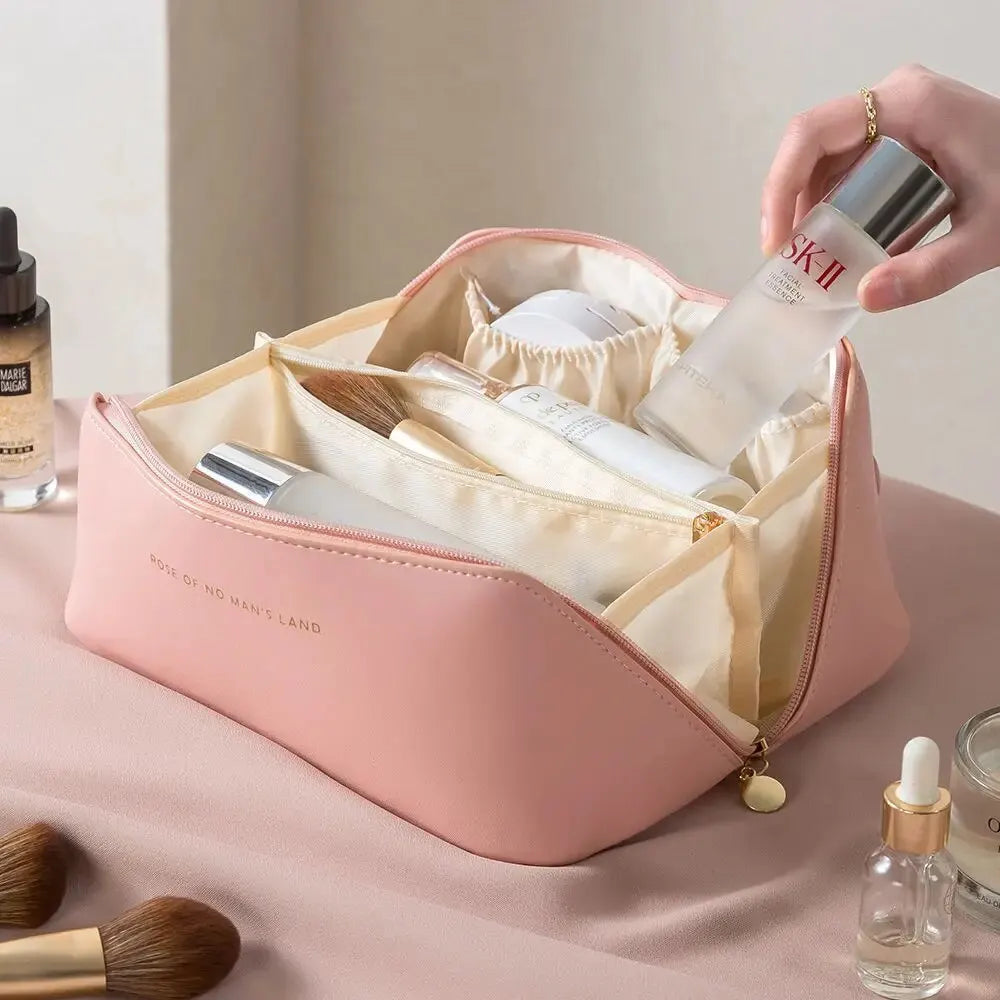
Protective, practical & stylish for every wellness routine
Check the KentDO Travel Pouch now
Final Verdict: Should You Avoid Polyurethane Leather?
Overall Risk Assessment
For the average consumer, polyurethane leather poses a low health risk during normal use. Most concerns relate to manufacturing exposure rather than contact with finished products.
When PU Leather Is a Safe Choice
Well-manufactured, fully cured, and low-emission PU leather products are generally considered safe for accessories, furniture, footwear, and travel products.
Situations Where Alternatives May Be Better
People highly sensitive to VOCs or buying products for enclosed spaces may prefer certified low-emission alternatives.
Frequently Asked Questions
Is PU leather safe?
Yes. For most consumers, finished PU leather is considered safe during normal use.
Is polyurethane leather toxic?
Finished products generally are not considered toxic, although manufacturing chemicals require strict controls.
Does PU leather cause cancer?
Current evidence does not indicate that normal use of finished PU leather products increases cancer risk.
Is faux leather toxic?
Not necessarily. Safety depends on the material, manufacturing process, and VOC emissions.
Is polyurethane coating for fabric toxic?
Uncured coatings may present manufacturing hazards, while finished coatings are generally safe for consumer use.
Is PU leather safe for babies?
Low-VOC certified products are preferable for infant environments.
Does PU leather off-gas?
Some new products may temporarily release VOCs, especially when solvent-based polyurethane is used.
What is the difference between PU leather and bonded leather?
PU leather is synthetic, while bonded leather combines leather fibers with adhesives and polyurethane coatings.
Pillar Article: What Is Polyurethane Leather? The Best Kept Secret in Style
Other Related Articles:
Explore More:













