

Does keeping meals warm camping really work in freezing temperatures?
Yes. Keeping meals warm camping is practical even in freezing temperatures when you combine effective insulation, proper timing, and reliable cooking equipment. While no method keeps food piping hot indefinitely, preheated insulated containers, wind protection, and careful serving techniques can keep many meals hot for 1 to 3 hours, depending on the outside temperature, wind, container quality, and the type of food you're carrying.
If you're wondering how to keep food warm while camping , the goal isn't constantly adding more heat—it's slowing heat loss. Dense meals like chili, soup, pasta, and stews naturally retain warmth longer, while lids, thermal wraps, and insulated carriers reduce heat escaping through conduction, convection, and radiation. Combining several of these methods delivers the most reliable results during winter camping and other cold-weather adventures.
How to Keep Food Warm While Camping (Even in Freezing Weather)
Cold air, strong winds, and frozen cookware can cool a freshly prepared meal surprisingly fast. Fortunately, experienced campers rely on simple heat-retention techniques instead of constantly reheating food. Whether you're preparing dinner beside a campfire, cooking on a portable stove, or packing meals for a long hike, understanding how heat escapes helps you keep food hotter for longer while using less fuel.
In this guide, you'll learn why food cools quickly outdoors, the best way to keep food warm camping, and proven camping meal insulation methods that work without adding unnecessary weight to your gear.
⏱ 6 min read
Discover practical, cold-tested methods below.
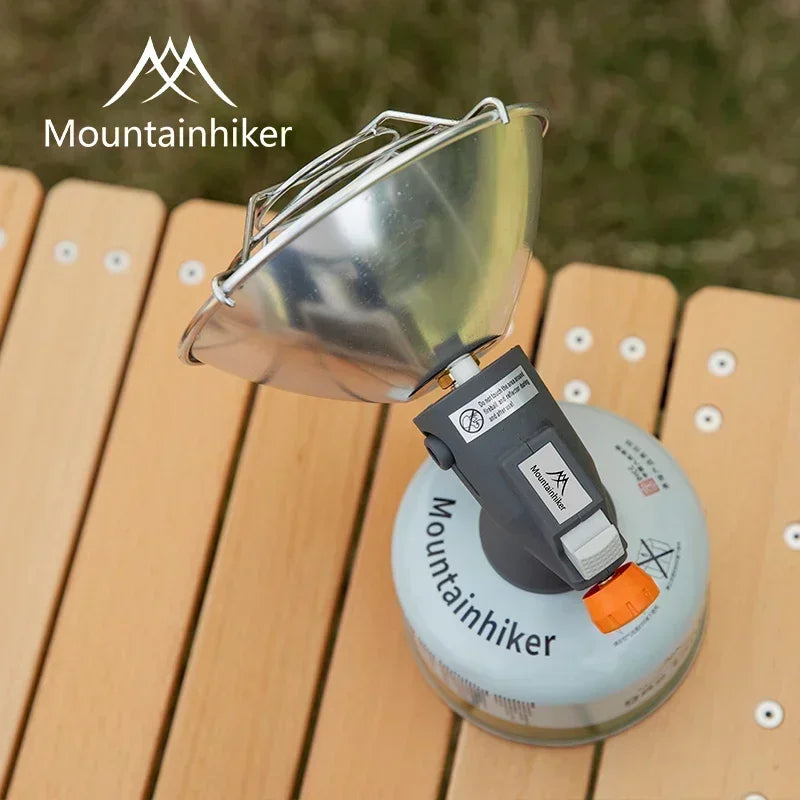
Keeping meals warm camping starts with reliable heat control — See it in action
Why Food Loses Heat So Quickly When Camping
Knowing how to keep food hot outdoors starts with understanding why meals lose heat so much faster outside than they do in your kitchen. In outdoor cooking in cold weather , low temperatures, moving air, and cold cookware work together to draw heat away from your food.
Three forms of heat transfer are responsible for most temperature loss:
- Conduction: Hot food transfers heat directly into cold metal cookware, plates, picnic tables, rocks, or frozen ground. Thin metal containers cool much faster than insulated stainless-steel food jars.
- Convection: Wind constantly strips away the warm air surrounding pots and containers. Even a light breeze can dramatically reduce how long meals stay hot.
- Radiation: Heat naturally radiates into the colder environment, especially after sunset when ambient temperatures drop quickly.
Container choice also matters. Double-wall insulated containers retain heat significantly better than thin aluminum pots or lightweight bowls. Keeping lids tightly closed further reduces heat loss by limiting both convection and evaporation.
During freezing weather, food that might remain comfortably hot indoors for an hour can cool to serving temperature in as little as 10 to 20 minutes if left uncovered in the open air.
Key insight: The best way to keep food warm camping isn't constantly reheating it—it's minimizing heat loss with insulation, wind protection, sealed lids, and serving food as efficiently as possible.
The Best Ways to Keep Food Warm While Camping (Step-by-Step)
The most effective camping food warmer ideas combine insulation, smart meal selection, and efficient handling. Layering several of these camping meal insulation methods usually keeps food warmer far longer than relying on a single technique.
1. Use Insulated Containers (Preheated for Maximum Heat Retention)
Preheat thermal food jars or insulated stainless-steel containers with boiling water for about five minutes before filling them. Empty the water immediately before adding freshly cooked food. This simple step reduces heat loss to the container itself and often extends serving temperature by an hour or more.
Best for: Soups, chili, oatmeal, curries, pasta, and rice dishes.
2. Wrap Food with Thermal Layers (Foil + Towels Method)
Wrap hot cookware tightly with aluminum foil, then cover it with thick towels, blankets, or insulated wraps. The foil reflects radiant heat while the outer layers reduce convection caused by cold air.
Best for: Dutch ovens, casserole dishes, foil packet meals, and family-style servings.
3. Cook Smart: One-Pot and Heat-Dense Meals
Dense, moisture-rich meals naturally retain heat longer than dry foods. Stews, chili, pasta, rice dishes, and hearty soups cool much more slowly than grilled meats or sandwiches.
Best for: Winter camping, group meals, and extended evenings around camp.
4. Use a Cooler as a Hot Box (Not Just for Cold Food)
A clean cooler works surprisingly well as an insulated warming box. Line it with dry towels, place sealed hot containers inside, and close the lid immediately. Because quality coolers slow heat transfer in both directions, they help preserve warmth as effectively as they preserve ice.
Best for: Car camping and preparing meals ahead of serving time.
5. Keep Food Warm Near Your Campfire or Stove Safely
Take advantage of residual heat from dying coals or a recently turned-off camping stove instead of direct flames. Keep cookware covered and position it near—not directly over—the heat source to avoid scorching while maintaining serving temperature.
Best for: Short-term warming during dinner preparation.
6. Use Heat Packs or Hot Water Bottles for Passive Warming
Place sealed hot water bottles or reusable heat packs alongside insulated food containers inside a cooler or insulated bag. They provide gentle supplemental warmth without consuming additional stove fuel.
Best for: Long evenings, remote campsites, and passive heat retention.
7. Use Thermal Food Bags or Insulated Carriers
Insulated food carriers add another layer of protection during transport between your cooking area and campsite. They are especially useful when hiking short distances or carrying multiple dishes.
Best for: Car camping, RV camping, picnics, and campsite potlucks.
8. Keep Lids Closed and Minimize Serving Time
Every time you remove a lid, valuable heat escapes. Serve meals in batches instead of leaving the entire pot open, and reseal insulated containers immediately after each serving to maximize heat retention.
Best for: Large groups and extended mealtimes.
How to Keep Food Warm Camping Without Electricity
Learning how to keep food warm camping without electricity is essential for backpackers, remote campsites, and winter adventures where power isn't available. Fortunately, passive heat-retention techniques can keep meals hot for hours when used correctly, without consuming additional fuel.
- Preheat everything: Warm insulated containers, cookware, bowls, and serving utensils with hot water before filling them with food.
- Layer insulation: Combine aluminum foil, towels, blankets, or insulated bags to reduce heat loss from every side.
- Use boiling water strategically: Fill a sealed hot water bottle and place it beside insulated food containers inside a cooler or thermal bag for extra passive warmth.
- Minimize exposure: Open lids only when serving and reseal containers immediately afterward.
- Cook close to mealtime: Shorter holding times mean food stays hotter with less effort.
- Take advantage of residual campfire heat: Move covered cookware near warm coals—not directly over flames—to maintain serving temperature safely.
These fuel-free techniques work especially well for remote camping, backpacking trips, and extended winter outings where conserving stove fuel is just as important as keeping meals warm.
Scenario-Based Strategies (Car Camping vs Backpacking vs Winter Camping)
Car Camping
Car camping offers the greatest flexibility because weight isn't a major concern. Bring insulated food carriers, larger cookware, and a quality cooler that doubles as a hot box. Preparing one-pot meals in larger batches reduces cooking time while helping food retain heat longer.
Best choices: Coolers, insulated casserole carriers, thermal food jars, and larger Dutch ovens.
Backpacking
Every ounce matters on the trail, so lightweight heat-retention methods are the priority. Compact insulated food jars, foil-wrapped meals, dehydrated foods prepared with boiling water, and calorie-dense recipes provide warmth without adding unnecessary bulk.
Best choices: Vacuum-insulated food jars, lightweight cookware, compact windscreens, and insulated stuff sacks.
Winter Camping
Extreme cold demands multiple layers of insulation. Store food in double-walled containers, wrap cookware with insulated materials, and shield cooking equipment from wind whenever possible. During breaks, keeping sealed food containers inside your pack or close to your body helps reduce rapid temperature loss.
Best choices: Double insulation, wind barriers, thermal wraps, and careful meal timing.
RV Camping
RV campers can prepare meals in advance and transfer them to insulated containers before heading outdoors. Even with onboard cooking equipment, using thermal storage reduces repeated reheating and saves propane or electricity.
Best choices: Insulated serving containers, portable hot boxes, and larger thermal carriers.
Group Camping
Serving large groups requires minimizing how often containers stay open. Divide meals into several insulated containers instead of one large pot so only one portion is exposed during serving while the remaining food stays hot.
Best choices: Multiple thermal containers, insulated serving bags, and staggered meal service.
Camping Stove Heat Retention Tips
Good camping stove heat retention starts before the burner is turned off. Small adjustments during cooking improve fuel efficiency while helping meals stay hot much longer during outdoor cooking in cold weather .
- Always cook with a lid: Covered pots trap steam and heat, reducing cooking time and improving heat retention.
- Use residual heat: Turn the burner off shortly before food is fully cooked and let retained heat finish the process.
- Protect the flame from wind: A windscreen improves burner efficiency and maintains more consistent cooking temperatures.
- Keep pots covered after cooking: Every uncovered minute allows valuable heat to escape.
- Avoid unnecessary stirring: Frequent stirring releases trapped heat and increases cooling.
- Transfer food promptly: Move finished meals into insulated containers immediately instead of leaving them in cooling cookware.
These simple techniques reduce fuel consumption while extending how long meals remain enjoyable in cold-weather campsites.
| Feature | Standard Stove | Camping Stove Heater |
|---|---|---|
| Heat Stability | More affected by wind | More consistent heat output |
| Food Warmth Duration | Shorter passive heat retention | Longer heat retention with proper insulation |
| Cold Weather Performance | Performance may decrease in harsh conditions | Designed for more reliable cold-weather cooking |
| Fuel Efficiency | May require longer cooking times | Improved efficiency when paired with wind protection |
Many campers pair their stove heater with gear from the Lifestyle collection to streamline cold-weather setups.
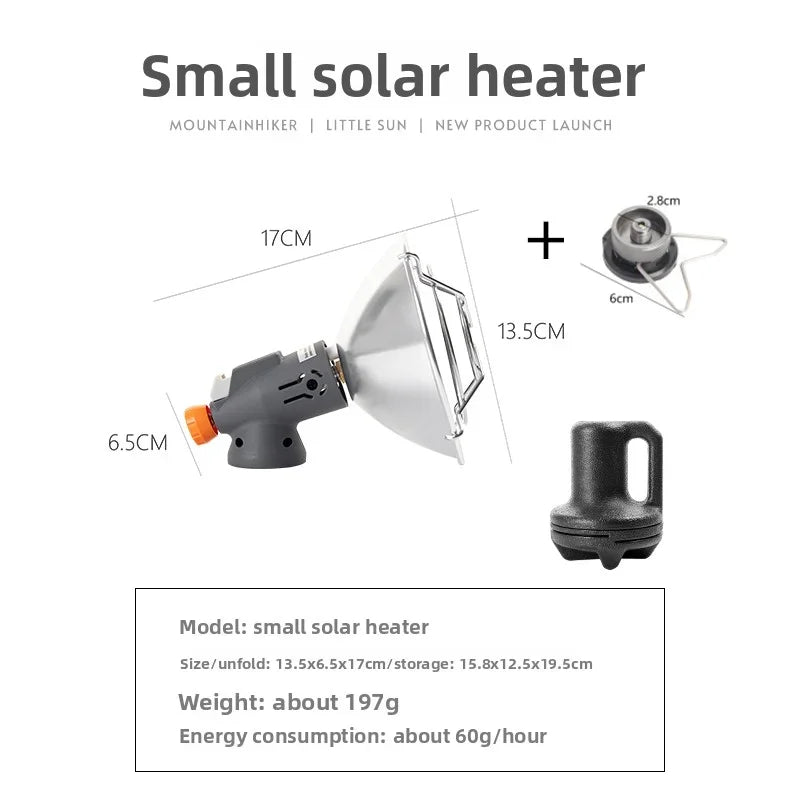
Outdoor cooking in cold weather made easier — See it in action
Food Timing Workflow: Cook → Store → Serve Without Heat Loss
When it comes to keeping meals warm camping , timing is just as important as choosing the right equipment. A well-planned workflow reduces unnecessary heat loss and helps meals stay at an enjoyable serving temperature for much longer.
- Cook efficiently: Finish cooking as close to mealtime as possible instead of preparing food hours in advance.
- Transfer immediately: Move hot food straight into preheated insulated containers or thermal food jars without letting it sit in cooling cookware.
- Seal tightly: Close lids immediately to trap heat and prevent steam from escaping.
- Serve in stages: Only open one container at a time so the remaining food stays insulated.
- Return leftovers promptly: Reseal containers quickly between servings to maintain heat for second helpings.
Following this simple sequence minimizes heat loss from preparation through serving while reducing the need for reheating.
Best Foods That Stay Warm Longer While Camping
Some recipes naturally retain heat better than others because of their moisture content, density, and cooking method. Choosing these meals makes how to keep food hot outdoors much easier, especially during winter camping cooking tips planning.
Soups and Stews
Hearty soups, beef stew, chicken stew, and vegetable soups hold heat exceptionally well thanks to their high liquid content. Store them in insulated food jars for extended warmth during hikes or evening meals.
Chili and Curries
Chili, curry, gumbo, and other thick one-pot meals cool slowly and often taste even better after resting. Their dense texture makes them one of the best choices for cold-weather camping.
Breakfast Foods
Oatmeal, porridge, breakfast casseroles, and scrambled eggs prepared in insulated containers provide warm, filling breakfasts on chilly mornings. Preheating serving containers helps these foods stay hot longer.
Foil Packet Meals
Foil packet meals trap steam naturally while protecting food from wind. Potatoes, vegetables, fish, and seasoned meats wrapped in heavy-duty foil retain heat well after being removed from the fire.
Grilled Foods
Grilled meats cool faster than soups, but wrapping them in foil and placing them inside insulated carriers immediately after cooking helps preserve warmth. Pair them with hot rice or roasted vegetables to create a meal that retains heat longer overall.
In general, meals that are dense, moist, and cooked in a single pot stay warm significantly longer than dry foods or thin cuts of meat.
Winter Outdoor Cooking Tips That Actually Work
Successful outdoor cooking in cold weather depends on reducing heat loss, protecting your cooking equipment, and using fuel efficiently. Small adjustments can make a noticeable difference when temperatures drop below freezing.
- Cook in sheltered locations: Position your stove or campfire behind natural windbreaks whenever possible.
- Use a wind guard: Windscreens improve burner efficiency, shorten cooking time, and conserve fuel.
- Preheat cookware: Warm pots and insulated containers before adding ingredients to reduce initial heat loss.
- Keep ingredients insulated: Store liquids and prepared ingredients in insulated bags until cooking begins.
- Monitor fuel carefully: Cold temperatures can reduce stove performance, so carry enough fuel for longer cooking times.
- Serve promptly: Enjoy meals soon after cooking or transfer them immediately into insulated containers for later serving.
These practical habits improve cooking efficiency while helping every meal stay hotter from the stove to the dinner table.
Portable Camping Gas Heater Stove
Common Mistakes That Make Food Go Cold Fast
Even the best insulation can only do so much if heat escapes unnecessarily. Avoiding these common mistakes makes a noticeable difference when keeping meals warm camping , especially in freezing temperatures.
- Opening containers too often: Every time a lid is removed, valuable heat escapes. Serve food quickly and reseal containers immediately.
- Using thin or uninsulated cookware: Lightweight metal pots cool rapidly outdoors. Insulated food jars and double-wall containers retain heat much longer.
- Cooking too early: Preparing meals well before mealtime increases heat loss and may require unnecessary reheating.
- Leaving food exposed to wind: Even a mild breeze accelerates cooling. Cook and serve meals in sheltered areas whenever possible.
- Skipping container preheating: Filling a cold container with hot food immediately transfers heat into the container walls. Preheating with boiling water helps preserve serving temperature.
- Holding food at unsafe temperatures: If hot food drops below approximately 140°F (60°C) for extended periods, reheat it thoroughly before serving to support food safety.
Good planning, proper insulation, and careful handling are often enough to keep meals hot without using additional fuel.
Frequently Asked Questions
How long can food stay warm while camping?
Most hot meals remain warm for 1 to 3 hours in a quality preheated insulated container. Actual holding time depends on the outside temperature, wind conditions, container quality, and the type of food being stored.
What foods work best for cold-weather camping?
Stews, soups, chili, curries, oatmeal, rice dishes, and pasta retain heat longer than dry foods because they contain more moisture and thermal mass.
Is reheating food safe in freezing conditions?
Yes. Reheat food thoroughly until it reaches a safe serving temperature before eating. Avoid repeatedly warming and cooling the same meal throughout the day.
How do you keep food warm in a tent?
Store meals in sealed insulated containers and keep them protected from cold air. Never use camp stoves, heaters, or open flames inside a tent because they create serious fire and carbon monoxide hazards.
Can you use a cooler to keep food hot?
Yes. A clean cooler lined with towels can work as an effective insulated hot box by slowing heat loss from sealed containers.
What temperature should hot food stay at while camping?
For food safety, hot foods should ideally be held at or above 140°F (60°C). If food falls below this temperature for an extended period, reheat it thoroughly before serving.
What is the best insulated container for keeping camping meals hot?
Vacuum-insulated stainless-steel food jars and double-wall thermal containers generally provide the longest heat retention while remaining durable enough for outdoor use.
How long will soup stay hot in a thermal food jar?
When poured into a properly preheated thermal food jar, soup commonly stays hot for 4 to 6 hours, although performance varies with container quality and outdoor conditions.
Can aluminum foil keep food warm by itself?
Foil reflects radiant heat but provides limited insulation on its own. For better results, wrap foil-covered food with towels, blankets, or insulated carriers.
How do backpackers keep cooked food warm?
Backpackers typically rely on lightweight insulated food jars, foil wrapping, compact thermal bags, and cooking meals close to serving time to minimize heat loss.
Should you keep food warm inside a tent?
Sealed insulated food containers can be stored inside a tent to reduce exposure to cold air, but cooking appliances and fuel-burning heaters should never be operated inside enclosed shelters.
Can you reheat food more than once while camping?
Repeated reheating can reduce food quality and increase food safety risks if meals spend too much time in the temperature danger zone. Whenever possible, reheat only the portion you plan to eat.
Related Guide: Winter Camping Gear That Works for Freezing Adventures
Explore the camping stove heater campers rely on













