

Does a leg compression machine for circulation really work?
Yes, a leg compression machine for circulation can help improve blood flow by using intermittent pneumatic compression technology to support venous return, reduce temporary swelling, and relieve sensations of tired or heavy legs. These devices are widely used in rehabilitation, sports recovery, and home wellness routines to promote circulation support and post-activity recovery.
Leg Compression Machine for Circulation: Do They Really Improve Blood Flow? Best Devices, Benefits & Buying Guide
Long hours sitting, feeding, rocking, and holding your newborn can quietly take a toll on your legs. If you've noticed heaviness, swelling, or that "tired but can't rest" feeling, you're not alone. The right leg compression machine for circulation can transform small moments of downtime into effective recovery sessions without adding complexity to your already busy schedule.
⏱ 8 min read
Are your legs constantly aching after a day of caring for your baby? What if circulation support and recovery didn't require extra effort or complicated routines?
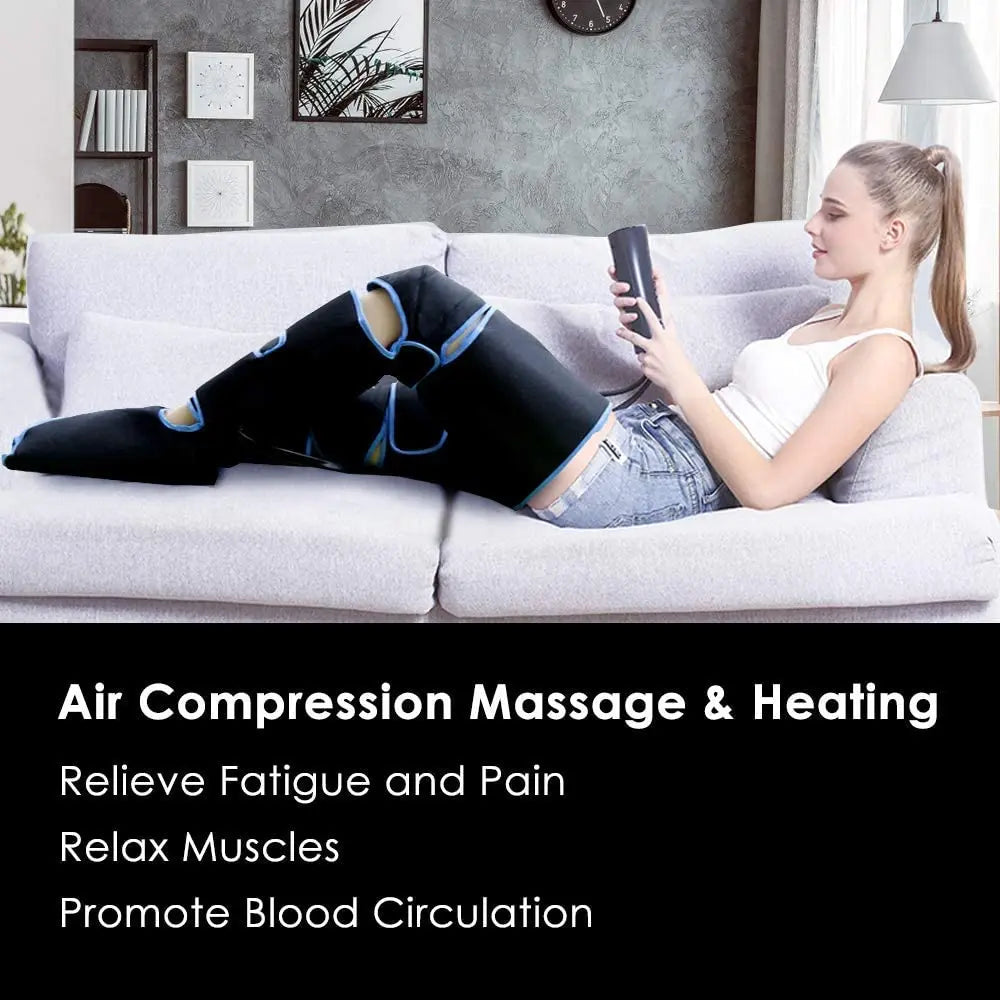
See it in action - leg compression machine for circulation / poor circulation from sitting with newborn, ways to improve circulation for parents, best recovery tools for tired parents legs, daily routine to relax legs after parenting
What is a leg compression machine for circulation?
A leg compression machine for circulation is a device that uses intermittent pneumatic compression (IPC) technology to apply controlled pressure to the feet, calves, and thighs. The primary goals are to support blood flow, encourage venous return, reduce fluid accumulation, and relieve sensations of heavy or tired legs.
Modern leg circulation machines use inflatable air chambers that sequentially compress different parts of the leg. This creates a pumping action designed to mimic the natural muscle contractions that occur during walking and movement.
What is intermittent pneumatic compression therapy?
Intermittent pneumatic compression therapy is a clinically recognized technique used in hospitals, rehabilitation clinics, sports recovery centers, and home wellness settings. The therapy works by periodically inflating and deflating air chambers around the limbs to support circulation and lymphatic fluid movement.
How leg compression devices differ from traditional massage
Unlike manual massage, air compression devices deliver measurable, repeatable pressure patterns. Users can customize intensity levels, treatment duration, and coverage areas while targeting circulation support more consistently than traditional massage methods.
Does a leg compression machine for circulation really work?
Yes, leg compression therapy can help improve circulation by encouraging venous blood flow back toward the heart. Intermittent pneumatic compression devices are widely used for recovery support, swelling management, and circulation improvement in both clinical and home environments.
Although compression devices do not treat underlying vascular diseases, they may help reduce discomfort associated with prolonged sitting, standing, inactivity, travel, and temporary fluid retention.
How compression therapy improves venous return
Sequential air pressure compresses veins and surrounding tissues, helping move blood upward through the legs. This pumping mechanism may reduce blood pooling in the lower extremities and support healthier circulation patterns.
What research says about circulation improvement
Clinical research involving intermittent pneumatic compression has demonstrated potential benefits for venous return, edema reduction, postoperative recovery, athletic recovery, and circulation support. Results often depend on pressure settings, session duration, and individual health conditions.
How leg compression therapy works for circulation
Leg compression therapy uses controlled cycles of inflation and deflation to create external pressure around the legs. These pressure waves help move blood and fluids through both the circulatory and lymphatic systems.
Sequential air compression explained
Most advanced air compression leg massagers inflate chambers sequentially, beginning at the feet or calves and progressing upward. This directional compression supports natural venous blood flow toward the heart.
Pressure chambers and circulation stimulation
Devices with more air chambers generally deliver more precise compression patterns. Four-, six-, and eight-chamber systems often provide smoother pressure transitions than simpler two-chamber designs.
Why movement plus compression works best
Compression therapy works most effectively when combined with regular movement, hydration, and healthy lifestyle habits. Walking and stretching help activate the calf muscle pump, further supporting circulation.
Benefits of using a leg compression machine
Improve leg circulation at home
Home compression devices provide a convenient way to support circulation without requiring clinic visits or specialized appointments.
Reduce swelling and fluid retention
Compression therapy may help reduce temporary swelling associated with prolonged sitting, travel, exercise recovery, and daily fatigue.
Support recovery after prolonged sitting or standing
People who spend long hours sitting at desks, caring for children, or standing during work shifts often use compression therapy to reduce discomfort and support recovery.
Promote comfort for tired and heavy legs
Many users report feeling lighter, less fatigued, and more comfortable after regular compression sessions lasting 15 to 30 minutes.
Best leg compression machines for circulation: comparison guide
When comparing compression devices for circulation, focus on measurable features rather than marketing claims.
| Product | Air Chambers | Coverage | Portability | Best For |
|---|---|---|---|---|
| Leg Air Pressure Massager Circulation Relief | Multiple | Feet, calves, thighs | High | Busy parents |
| NormaTec 3 Legs | 5 | Full leg | Moderate | Athletes |
| FIT KING Leg Air Massager | 4 | Calves and feet | High | Seniors |
| Hyperice Normatec Elite | 5 | Full leg | High | Recovery enthusiasts |
| QUINEAR Air Compression Massager | 6 | Full leg | Moderate | General wellness |
Comparison table of top features
- Pressure range
- Number of air chambers
- Coverage area (feet, calves, thighs)
- Treatment programs
- Portability
- Noise level
- Price range
Best for athletes
Athletes often prefer devices with higher pressure ranges, multiple air chambers, and advanced recovery programs.
Best for seniors
Older adults typically benefit from simpler controls, lower pressure settings, and easy-to-wear garments.
Best for busy parents
Busy caregivers generally prioritize convenience, comfort, quiet operation, and shorter recovery sessions.
Best portable leg recovery machine
Portable models emphasize lightweight construction, rechargeable batteries, and travel-friendly designs.
How this leg compression machine improves circulation
Advanced leg compression devices use sequential pressure therapy to encourage blood movement, reduce fluid accumulation, and promote recovery after prolonged activity or inactivity.
- Inflates chambers around calves and thighs
- Applies gentle pressure in sequence
- Encourages upward blood flow toward the heart
- Releases pressure to allow fresh circulation
Why it works better than passive rest
Passive rest alone does not actively stimulate circulation. Compression therapy provides mechanical assistance that helps support blood flow while users remain seated or reclined.
Compression massage versus traditional leg massage
Compression massage delivers repeatable, adjustable pressure patterns that can be customized according to comfort levels and recovery goals.
Comparing recovery tools for tired legs
Leg compression machine vs compression socks
Compression socks provide constant pressure throughout the day, whereas leg compression machines deliver intermittent pressure cycles designed to stimulate circulation dynamically.
Leg compression machine vs massage gun
Massage guns target localized muscle groups, while air compression devices support broader circulation pathways throughout the entire leg.
Leg compression machine vs foot massager
Foot massagers focus primarily on the feet, whereas compression systems can provide coverage extending from the feet to the thighs.
| Method | Circulation Support | Coverage | Effort Required |
|---|---|---|---|
| Compression socks | Moderate | Lower leg | Low |
| Massage gun | Low-Moderate | Localized | High |
| Foot massager | Moderate | Feet only | Low |
| Leg compression machine | High | Full leg | Very low |
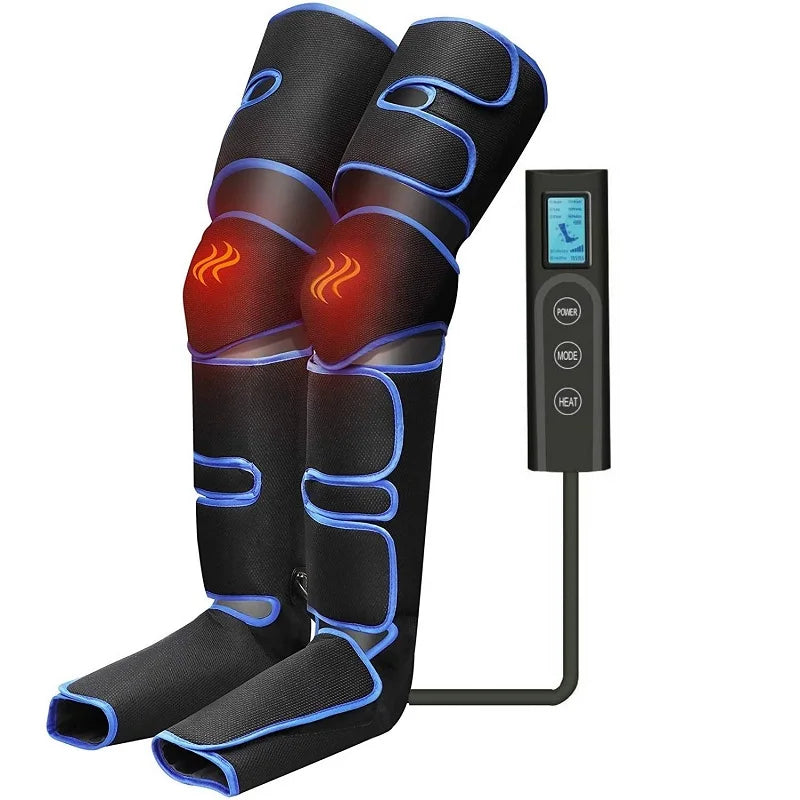
See it in action - leg compression machine for circulation / poor circulation from sitting with newborn, ways to improve circulation for parents, best recovery tools for tired parents legs, daily routine to relax legs after parenting
Who should use a leg compression device?
Office workers and sedentary lifestyles
People who sit for prolonged periods may benefit from circulation support and reduced feelings of leg fatigue.
Athletes and active adults
Athletes frequently use compression boots to support recovery and reduce post-exercise soreness.
Older adults with circulation concerns
Older adults often incorporate compression therapy into broader mobility and wellness routines.
Parents and caregivers
Busy parents and caregivers who spend long hours sitting, standing, lifting, and walking may appreciate the recovery benefits of compression therapy.
Who should avoid leg compression therapy?
Although leg compression therapy is generally considered safe, certain individuals should consult a healthcare professional before use.
Medical contraindications
- Acute deep vein thrombosis
- Severe peripheral arterial disease
- Active infections
- Certain heart conditions
- Uncontrolled edema conditions
When to consult a healthcare professional
Anyone with chronic vascular disease, recent surgery, pregnancy-related complications, or ongoing circulation disorders should seek medical guidance before beginning compression therapy.
Daily routine to improve leg circulation at home
Morning circulation routine
Start the day with hydration, light stretching, and short walking sessions to activate circulation naturally.
Evening recovery routine
Use a leg compression device for 15 to 30 minutes after work, exercise, prolonged sitting, or parenting activities.
Combining movement and compression therapy
The best long-term results typically come from combining regular movement, healthy lifestyle habits, and consistent compression therapy sessions.
Explore more recovery tools in Body Care and Health Devices for a complete self-care setup.
Real user experiences with compression therapy
Common benefits reported
Users commonly describe reduced leg fatigue, improved comfort, less swelling, and faster recovery after prolonged sitting, standing, or physical activity.
Typical timeline for results
Some individuals report temporary relief after a single session, while others notice more substantial improvements after several weeks of consistent use.
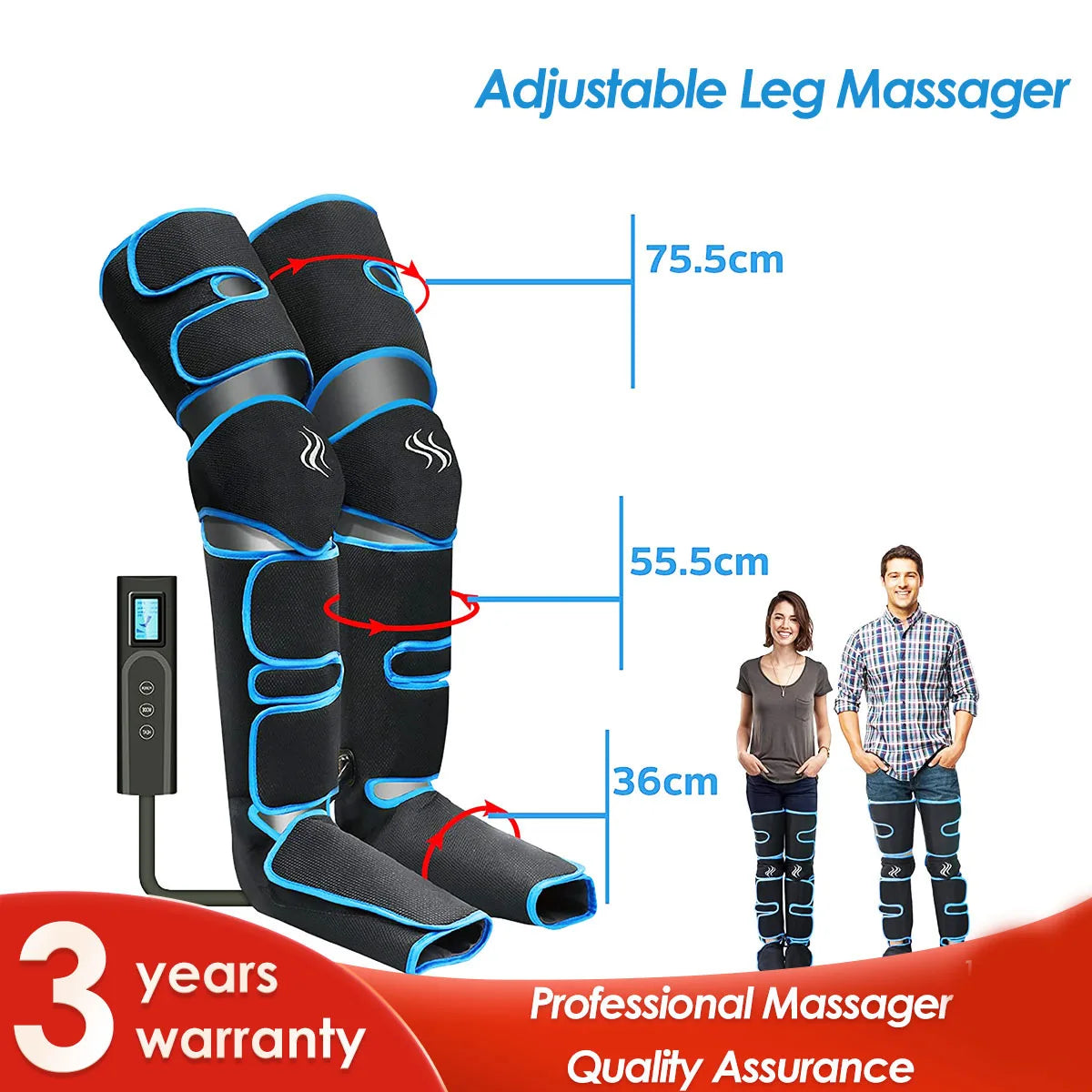
See it in action - leg compression machine for circulation / poor circulation from sitting with newborn, ways to improve circulation for parents, best recovery tools for tired parents legs, daily routine to relax legs after parenting
FAQs
How often should I use a leg compression machine?
Most users perform sessions lasting 15 to 30 minutes, several times per week or daily depending on their wellness and recovery goals.
Is leg compression therapy safe?
For healthy adults, compression therapy is generally considered safe when used according to manufacturer instructions.
Can compression boots improve poor circulation in legs?
Compression boots may help support blood flow and reduce discomfort associated with temporary circulation issues and prolonged inactivity.
How quickly do compression devices work?
Many users notice temporary relief immediately after a session, while longer-term benefits often require consistent use.
Can compression therapy replace exercise?
No. Compression therapy works best as a complement to regular movement, stretching, and exercise.
Are air compression leg massagers worth buying?
They can provide significant value for individuals seeking at-home circulation support, recovery assistance, and improved leg comfort.
What pressure setting should beginners use?
Beginners should start with lower pressure settings and gradually increase intensity based on comfort and tolerance.
Looking for more self-care ideas? Visit Beauty & Self-Care Blog for inspiration.
Related Articles:
- Leg Compression Machine for Swelling After Pregnancy
- Portable Leg Massager for Moms Always on Their Feet
Pillar Articles:













