

Leg Compression Machine for Swelling After Pregnancy: Best Devices, Benefits & Buying Guide
A leg compression machine for swelling helps reduce fluid buildup by applying gentle, intermittent air pressure that supports circulation and lymphatic drainage. For postpartum recovery, it can reduce heaviness, ease discomfort, and support faster return to normal mobility when used consistently alongside hydration and movement.
⏱ 7 min read
Struggling with swollen, heavy legs after pregnancy? Postpartum fluid retention can make even simple movements uncomfortable. Compression therapy offers a practical at-home option to support recovery.
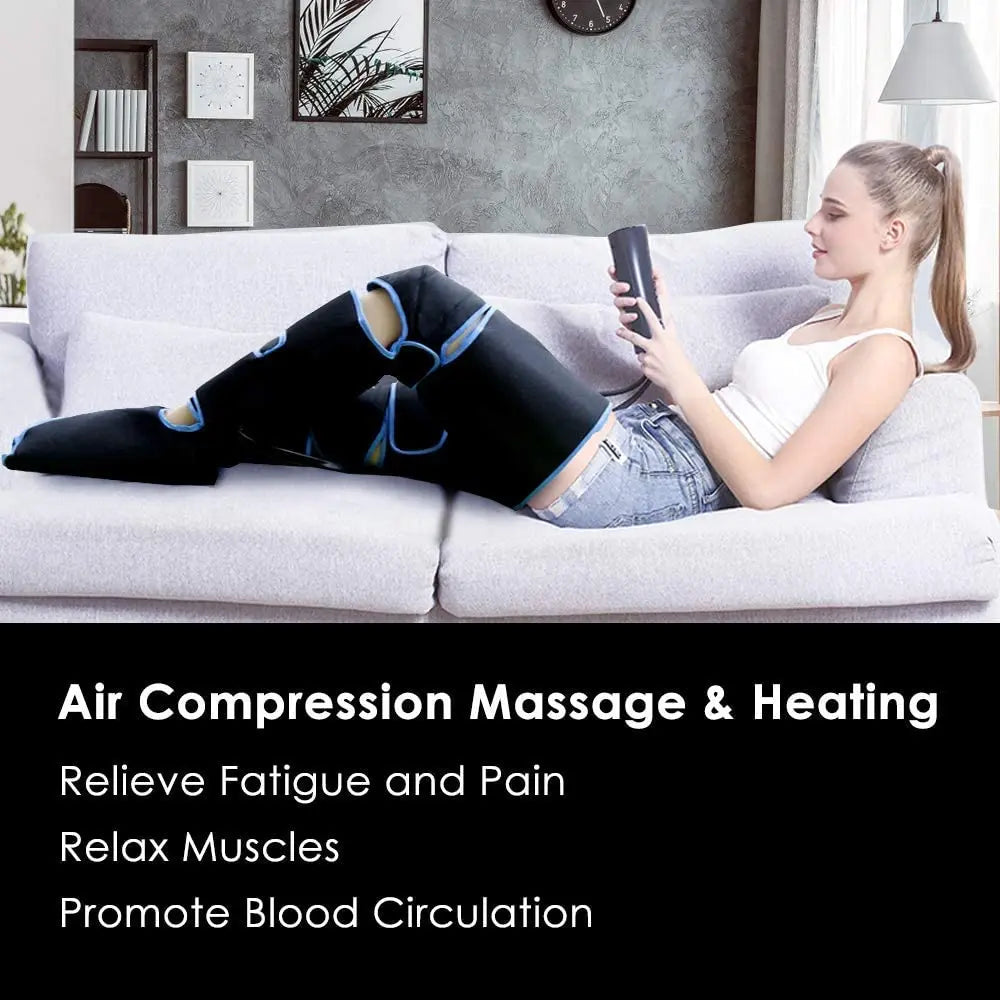
Leg compression machine for swelling used for postpartum leg swelling and fatigue relief
What Causes Postpartum Leg Swelling?
Swollen feet, ankles, and legs are extremely common after childbirth. During pregnancy, your body retains extra fluid while hormonal changes and increased blood volume place pressure on the circulatory system. After delivery, that fluid gradually exits the body, but the process can take time.
Why swelling is common after delivery
- Fluid retention during pregnancy
- Hormonal shifts after birth
- Reduced mobility during recovery
- IV fluids during labor
- Temporary circulation changes
When swelling is normal vs. when to call your healthcare provider
Mild, symmetrical swelling is usually normal and improves with movement, hydration, and rest. However, seek medical attention immediately if swelling is sudden, one-sided, or accompanied by pain, redness, chest pain, or shortness of breath.
Read more: Postpartum recovery guide
How a Leg Compression Machine for Swelling Works
A leg compression machine uses intermittent pneumatic compression (IPC), which inflates and deflates air chambers in a sequential pattern. This mimics a natural muscle pump, encouraging fluid movement upward toward the heart.
What intermittent pneumatic compression does
The device applies graduated pressure from the feet upward, supporting venous return and reducing fluid pooling in the lower limbs.
Why compression improves circulation and fluid movement
- Supports blood flow back to the heart
- Encourages lymphatic drainage
- Reduces temporary edema
- Relieves muscle fatigue
- Improves overall leg comfort
Learn more: Circulation and lymphatic drainage
Does a Leg Compression Machine for Swelling Really Work?
Research on intermittent pneumatic compression shows improvements in circulation and reduction in fluid retention in appropriate users. While not a cure for medical conditions, many postpartum users report reduced swelling and improved comfort when combined with movement and hydration.
What clinical evidence says
Clinical studies suggest pneumatic compression can improve venous return and reduce edema in lower limbs, especially in cases related to inactivity or fluid retention.
Which symptoms improve most
- Heavy legs
- Ankle swelling
- Mild edema
- Leg fatigue
- Poor circulation from inactivity
Who Should (and Shouldn't) Use a Leg Compression Machine After Pregnancy
Ideal candidates
- Postpartum individuals with temporary swelling
- People with heavy or tired legs
- Those standing or sitting for long hours
- Users seeking non-drug recovery support
Contraindications and safety precautions
Avoid use without medical advice if you have suspected blood clots, severe arterial disease, active infections, open wounds, or uncontrolled heart failure.
When physician approval is recommended
Consult a healthcare provider if swelling persists, worsens, or follows a complicated delivery.
Best Leg Compression Machines for Postpartum Swelling
Comparison Table
| Model | Pressure Levels | Coverage | Heat | Portability | Best For |
|---|---|---|---|---|---|
| Leg Air Pressure Massager | Multiple | Full leg | Yes | Medium | Postpartum recovery |
| Hyperice Normatec | Advanced | Full leg | No | Low | Athletes |
| Air Relax | Moderate | Full leg | No | Medium | Home recovery |
| Rapid Reboot | Strong | Full leg | No | Medium | Performance recovery |
| Lympha Press | Medical grade | Full leg | No | Low | Clinical use |
Best Overall
Leg Air Pressure Massager offers balanced pressure, heat support, and at-home convenience ideal for postpartum users.
Best Budget
Air Relax provides essential compression features at a lower cost.
Best Full-Leg Coverage
Hyperice Normatec delivers advanced sequential compression systems.
Best Portable Option
Rapid Reboot is easier to transport for active lifestyles.
Best for Daily Recovery
Leg Air Pressure Massager is designed for consistent everyday use.
How We Evaluated These Leg Compression Machines
Recommendations are based on usability, comfort, and real-world recovery performance rather than specifications alone.
Testing Criteria
- Compression consistency
- User comfort
- Noise level
- Ease of setup
- Coverage quality
- Durability
- User feedback
- Value for money
Features Compared
- Pressure settings
- Massage modes
- Heat function
- Timer controls
- Sizing options
- Portability
How This Leg Compression Machine Reduces Swelling
Graduated Pressure Therapy
Sequential inflation moves fluid upward through controlled pressure cycles, reducing pooling in lower limbs.
Key benefits you'll notice quickly
- Reduced heaviness
- Improved comfort
- Temporary swelling relief
- Relaxed leg muscles
- Less fatigue after activity
Who Benefits Most From Compression Leg Massage After Pregnancy
- Postpartum individuals with swelling
- People with heavy or tired legs
- Those returning to light exercise
- Individuals standing for long periods
- Anyone managing fluid retention naturally
Related: Leg recovery and muscle recovery
How to Use a Leg Recovery Device for Postpartum Swelling Relief
Step-by-Step Instructions
- Sit comfortably in a supported position
- Put on compression sleeves
- Select a low or moderate pressure setting
- Run a 20–30 minute session
- Rest or walk briefly afterward if comfortable
How often to use it
1–2 sessions per day are commonly used depending on comfort and recovery needs.
Mistakes to avoid
- Using excessive pressure
- Ignoring discomfort
- Incorrect sizing
- Using with contraindications
Buying Guide: How to Choose the Best Leg Compression Machine for Swelling
- Adjustable pressure levels
- Number of air chambers
- Comfort and fit
- Full-leg coverage
- Noise level
- Portability
- Warranty coverage
Compression therapy works best when combined with other recovery tools such as compression socks and light movement.
Related: Compression socks guide
Potential Risks and Safety Considerations
Are leg compression machines safe after pregnancy?
They are generally safe when used correctly, but medical guidance is recommended for individuals with underlying conditions or complicated deliveries.
Who should avoid them
- People with suspected blood clots
- Severe arterial disease
- Active infections
- Open wounds
- Uncontrolled heart failure
Common side effects
Mild discomfort, skin sensitivity, or numbness may occur if pressure is too high.
Real Results: What Parents Are Saying
“My legs felt noticeably lighter after a few sessions.” – Emily R.
“It fits easily into my daily routine.” – Sarah K.
“Great relief after long days on my feet.” – Jessica M.
Related: Edema and venous health
Care and Maintenance Tips
- Wipe sleeves after each use
- Store in a dry place
- Check tubing regularly
- Avoid twisting air hoses
- Follow manufacturer cleaning instructions
Frequently Asked Questions
Is a leg massager safe during pregnancy?
Consult a healthcare provider before use during pregnancy.
Are leg compression machines safe after pregnancy?
Yes, when used correctly and with medical guidance if needed.
How long should each session last?
20–30 minutes per session is typical.
Can compression replace walking?
No, it should complement movement, not replace it.
Can it help postpartum fatigue?
It may reduce heaviness and improve comfort, indirectly supporting energy levels.
Does insurance cover pneumatic compression?
Coverage depends on diagnosis and insurer policy.
Can I use it every day?
Yes, if comfortable and not contraindicated.
Can it help with edema?
It may help reduce mild edema by improving fluid movement.
How soon after birth can I start?
Only after medical clearance, especially following complicated deliveries.
How long does postpartum swelling usually last?
Typically days to a few weeks depending on individual recovery.
Pillar Article: Leg Compression Machine for Circulation for Busy Moms
Other Related Articles:
Explore More:













