

Do leg trigger points really cause tight muscles?
Yes. Leg trigger points are hyperirritable spots that develop within tight bands of muscle fibers. These myofascial trigger points can contribute to muscle tightness, localized tenderness, and referred pain that travels to nearby areas of the leg. Left unaddressed, trigger points in legs may reduce flexibility, restrict normal movement, and make it more difficult to improve blood circulation in legs. Learning safe leg trigger points release techniques can help reduce discomfort, restore mobility, and support healthy muscle recovery at home.
Leg Trigger Points: How to Release Tight Muscles at Home
Persistent muscle tightness is not always caused by overexertion alone. In many cases, leg trigger points develop from prolonged sitting, repetitive movement, exercise overload, or inadequate recovery. This guide explains what trigger points in legs are, why they form, how they differ from other muscle conditions, and practical strategies to release them safely while improving movement and circulation.
⏱ 6 min read
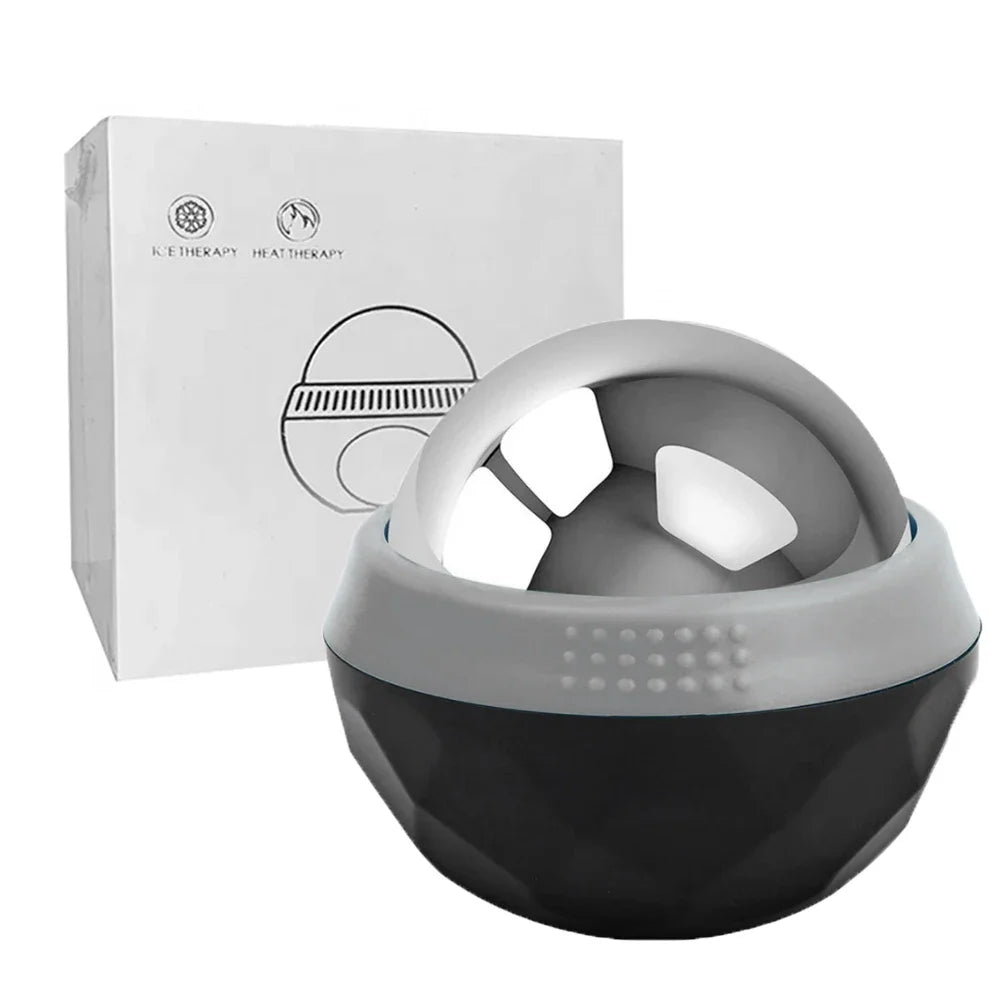
Addressing leg trigger points early may help prevent persistent muscle knots and movement restrictions. See it in action.
What Are Leg Trigger Points?
Leg trigger points are small, sensitive knots that develop within tight bands of skeletal muscle. Also known as myofascial trigger points , these areas remain partially contracted, making the muscle less flexible and sometimes causing pain at the knot itself or in a different part of the leg. Because they can alter normal movement patterns, untreated leg muscle knots may contribute to ongoing stiffness, reduced range of motion, and recurring discomfort.
What are myofascial trigger points in legs?
Myofascial trigger points in legs form when muscle fibers stay contracted longer than normal. The sustained tension can reduce local circulation, limit oxygen delivery, and increase tissue sensitivity. Common contributing factors include repetitive activities, prolonged sitting, muscle overload, poor recovery, and previous injuries. While research continues to explore the exact mechanisms, trigger points are widely recognized in clinical practice as a source of muscular pain and restricted movement.
Active vs latent trigger points
Active trigger points produce pain during everyday movement and may even ache while resting. Latent trigger points usually become noticeable only when pressed, yet they can still reduce flexibility, weaken muscle performance, and increase the likelihood of future discomfort. Both types can contribute to muscle knots in legs if left unmanaged.
Trigger points vs muscle strains, cramps, nerve pain, and DOMS
Trigger points are often mistaken for other common conditions. A muscle strain involves damaged muscle fibers following an injury, while a cramp is a sudden, involuntary contraction that typically resolves within minutes. Delayed onset muscle soreness (DOMS) usually develops 24 to 72 hours after unfamiliar exercise and gradually improves with recovery. Nerve-related pain often includes numbness, tingling, or burning sensations that follow the course of a nerve. In contrast, leg pain trigger points usually feel like localized tender knots that reproduce familiar pain when pressure is applied and may refer discomfort to nearby muscles.
Why Leg Muscles Get Tight Faster Than You Expect
Posture, sitting, and overuse
Extended periods of sitting, standing, or repetitive movement place continuous stress on specific muscle groups. Over time, some muscles become overactive while others weaken, creating imbalances that increase the likelihood of developing trigger points. Office workers, runners, cyclists, and people with physically demanding jobs are particularly susceptible.
Poor circulation and muscle fatigue
Reduced circulation slows the delivery of oxygen and nutrients needed for muscle recovery. Combined with accumulated fatigue, this environment may contribute to persistent muscle tightness and recurring leg muscle knots. Staying active, changing positions regularly, and performing gentle mobility exercises can help improve blood circulation in legs and support normal recovery.
Exercise imbalances and recovery gaps
Skipping warm-ups, progressing training too quickly, or neglecting recovery can leave muscles under continuous stress. Limited sleep, dehydration, inadequate nutrition, and insufficient rest between workouts further increase the risk of developing trigger points. Consistent recovery habits are just as important as exercise when learning how to relieve tight leg muscles at home.
Where Are Trigger Points in the Legs? (Muscle-by-Muscle Guide)
Quadriceps (thigh trigger points)
Thigh trigger points commonly develop in the quadriceps after prolonged sitting, hill running, cycling, or strength training. Tender spots are often found in the middle of the muscle belly and may refer discomfort toward the front of the knee. When pressing the area, look for a firm band that reproduces familiar symptoms without causing sharp pain.
Hamstrings
Hamstring trigger points are located along the back of the thigh and frequently appear after sprinting, heavy lifting, or extended periods of sitting. These trigger points in legs may reduce flexibility, create a pulling sensation during bending, and make activities such as climbing stairs or reaching toward the floor less comfortable.
Calves (calf trigger points)
Calf trigger points often affect the gastrocnemius and soleus muscles. They are common among runners, hikers, people who stand for long hours, and anyone wearing unsupportive footwear. Tender knots in this area may contribute to heel discomfort, foot fatigue, reduced ankle mobility, or cramps during activity.
Glutes and hip flexors
Trigger points in the gluteal muscles and hip flexors are frequently overlooked because the pain may travel into the thigh or lower leg rather than remain at the source. Tightness in these muscles can alter walking mechanics, reduce hip mobility, and contribute to recurring leg pain trigger points.
Referred pain patterns by muscle
Each muscle has its own referral pattern. For example, quadriceps trigger points may refer pain toward the knee, hamstrings toward the back of the thigh, calves toward the heel or sole of the foot, and gluteal muscles down the outside or back of the leg. Recognizing these patterns helps distinguish muscular referral from joint or nerve-related discomfort and improves the accuracy of self-treatment.
How to Release Leg Trigger Points at Home (Step-by-Step)
Step 1 – Locate the trigger point
Slowly glide your fingers, a massage ball, or another manual tool along the muscle until you identify a tight, tender spot within a firm band of tissue. The correct location typically feels more sensitive than the surrounding muscle and may briefly reproduce your familiar discomfort.
Step 2 – Apply sustained pressure
Apply gentle, steady pressure directly over the trigger point for approximately 20 to 60 seconds. The sensation should feel like moderate, manageable discomfort rather than sharp pain. If symptoms increase significantly, reduce the pressure or reposition the tool.
Step 3 – Breathe and relax the muscle
Maintain slow, controlled breathing while allowing the affected muscle to relax. Avoid holding your breath or tensing nearby muscles, as this can reduce the effectiveness of trigger point therapy legs and make the tissue more resistant to release.
Step 4 – Add movement and stretching
After releasing pressure, gently move the joint through a comfortable range of motion before performing a light stretch for the treated muscle. This sequence helps maintain muscle length and encourages smoother movement without forcing the tissue.
Step 5 – Repeat safely
Repeat the process one to three times for each trigger point if it remains tender. Limit treatment to a few minutes per muscle group during each session and allow time for recovery before repeating the routine the next day if needed.
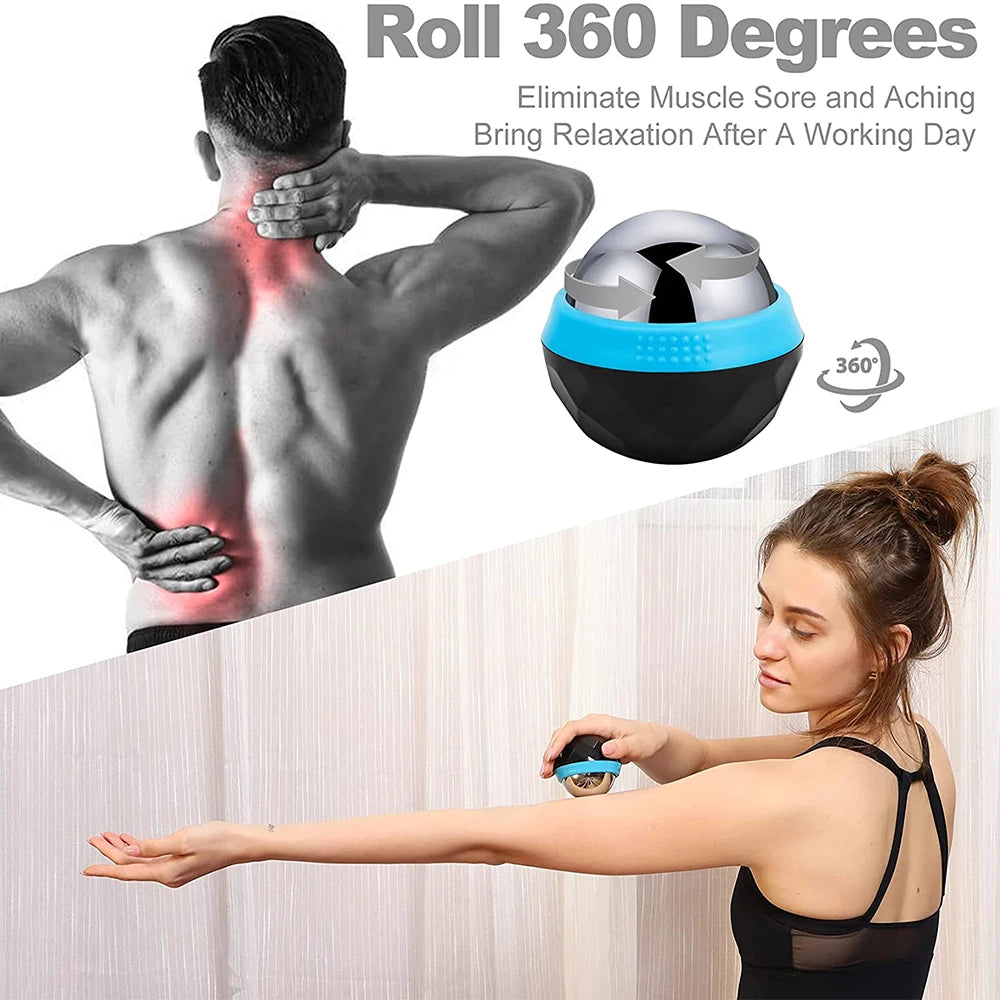
A manual massage tool can provide controlled pressure for targeted trigger point release. See it in action.
For people who prefer a simple self-care routine, the Ice Massage Roller Ball provides focused manual pressure that can help target tender areas while giving you full control over the amount of force applied.
Best Trigger Point Massage Techniques for Legs
Self massage trigger points legs
Self-massage is ideal for precise pressure control and works well for smaller or easily accessible muscles. Using your hands allows you to adjust the angle and intensity based on how the tissue responds during treatment.
Massage ball
A massage ball is one of the most effective tools for targeting deep, localized trigger points. It works particularly well for the calves, glutes, and hamstrings because the small surface area concentrates pressure directly on the affected tissue.
Foam roller
Foam rollers are better suited for treating larger muscle groups such as the quadriceps and hamstrings. They provide broad pressure, improve tissue mobility, and are often used before or after exercise as part of a recovery routine, although they may be less precise than a massage ball for stubborn knots.
Massage gun
Massage guns can help reduce general muscle soreness by delivering rapid percussion. However, they are typically more effective for broad muscle relaxation than for sustained pressure on a specific trigger point. When using one, avoid lingering over highly sensitive areas and follow the manufacturer's guidance.
Deep tissue massage legs techniques
Deep tissue techniques use slow, deliberate pressure along the direction of the muscle fibers rather than quick, forceful movements. Combining controlled compression with gradual stretching often provides a more effective trigger point massage technique while reducing the risk of excessive irritation.
Simple Routine to Relieve Tight Leg Muscles at Home
5-minute quick relief routine
This short routine is suitable for busy days or as a post-work recovery session. Begin with a minute of light walking or ankle circles to warm the muscles before applying pressure.
- Identify one tender trigger point on each leg.
- Apply steady pressure for 30–45 seconds while breathing slowly.
- Gently move the joint through a comfortable range of motion.
- Finish with a light stretch for 20–30 seconds and repeat once if needed.
10-minute full leg release routine
For more comprehensive leg trigger points release, work through the major muscle groups in sequence. Performing this routine after exercise or at the end of the day can support recovery without placing additional stress on the muscles.
- Spend 1–2 minutes treating the quadriceps, hamstrings, calves, and glutes.
- Hold sustained pressure on each trigger point for 30–60 seconds.
- Follow each release with gentle mobility exercises and light stretching.
- Cool down by walking for a few minutes and staying hydrated to support recovery.
Why Releasing Leg Trigger Points Improves Circulation and Mobility
Blood flow and oxygen delivery
Releasing tight muscle bands may improve local circulation by reducing excessive muscle tension. Better blood flow supports the delivery of oxygen and nutrients needed for tissue recovery while helping remove metabolic by-products that accumulate during prolonged activity. Although trigger point therapy is not a treatment for vascular conditions, it can complement regular movement and stretching to help improve blood circulation in legs.
Pain reduction and flexibility
When muscles are able to relax, joints often move more freely and everyday activities become more comfortable. Consistent trigger point therapy legs may help reduce muscular tenderness, improve range of motion, and restore smoother movement patterns when combined with appropriate exercise, recovery, and mobility work.
For those who prefer manual self-care tools as part of their routine, the Ice Massage Roller Ball offers controlled, targeted pressure for treating localized trigger points. You can also explore additional recovery solutions in the Body Care and Health Devices collection.
Common Mistakes That Slow Muscle Relief
Pressing too hard or too fast
One of the most common trigger point massage technique mistakes is applying excessive pressure immediately. More force does not necessarily produce better results. Instead, begin with light to moderate pressure and increase gradually as the muscle relaxes. Sharp pain, bruising, or lingering soreness are signs that the pressure was too intense.
Skipping consistency
Trigger point therapy legs is most effective when practiced consistently rather than occasionally. Short sessions performed several times each week are generally more beneficial than infrequent, aggressive treatments. Pairing trigger point release with stretching, regular movement, and adequate recovery helps reduce the recurrence of muscle knots.
Ignoring pain signals
Mild discomfort is expected when treating a trigger point, but severe pain, numbness, tingling, or increasing symptoms are not. Stop the session if symptoms worsen or fail to improve, and avoid forcing pressure into highly sensitive tissues.
When to Avoid Trigger Point Therapy Legs
Injury, inflammation, or medical conditions
Avoid applying pressure directly over acute injuries, swollen joints, bruises, open wounds, fractures, infections, or areas with significant inflammation. Individuals with bleeding disorders, certain circulatory conditions, or recent surgery should seek medical advice before beginning trigger point therapy.
Red flags requiring medical evaluation
Seek prompt medical attention if leg pain is accompanied by sudden swelling, redness, warmth, severe weakness, inability to bear weight, unexplained numbness, loss of bladder or bowel control, fever, or symptoms that develop after significant trauma. These signs may indicate conditions that require professional diagnosis rather than self-treatment.
When to see a professional
If your symptoms persist for several weeks despite appropriate self-care, repeatedly return in the same location, or significantly interfere with daily activities, consult a physical therapist or healthcare provider. A comprehensive assessment can help identify underlying movement, neurological, or orthopedic issues contributing to persistent pain.
What Results to Expect and Timeline
Immediate effects
Many people notice reduced muscle tension, easier movement, and temporary pain relief immediately after a session. The treated area may remain mildly tender for several hours, which typically resolves with gentle movement and hydration.
1–2 week improvements
With consistent leg trigger points release, appropriate stretching, and balanced activity, many individuals experience gradual improvements in flexibility, muscle comfort, and movement quality within one to two weeks. Recovery speed varies depending on activity level, overall health, and the underlying cause of the trigger points.
Long-term benefits
Maintaining a regular mobility and recovery routine can help reduce recurring muscle knots in legs, improve movement efficiency, and support long-term muscle health. If progress plateaus or symptoms continue to return despite consistent self-care, reassessment by a qualified healthcare professional is recommended.
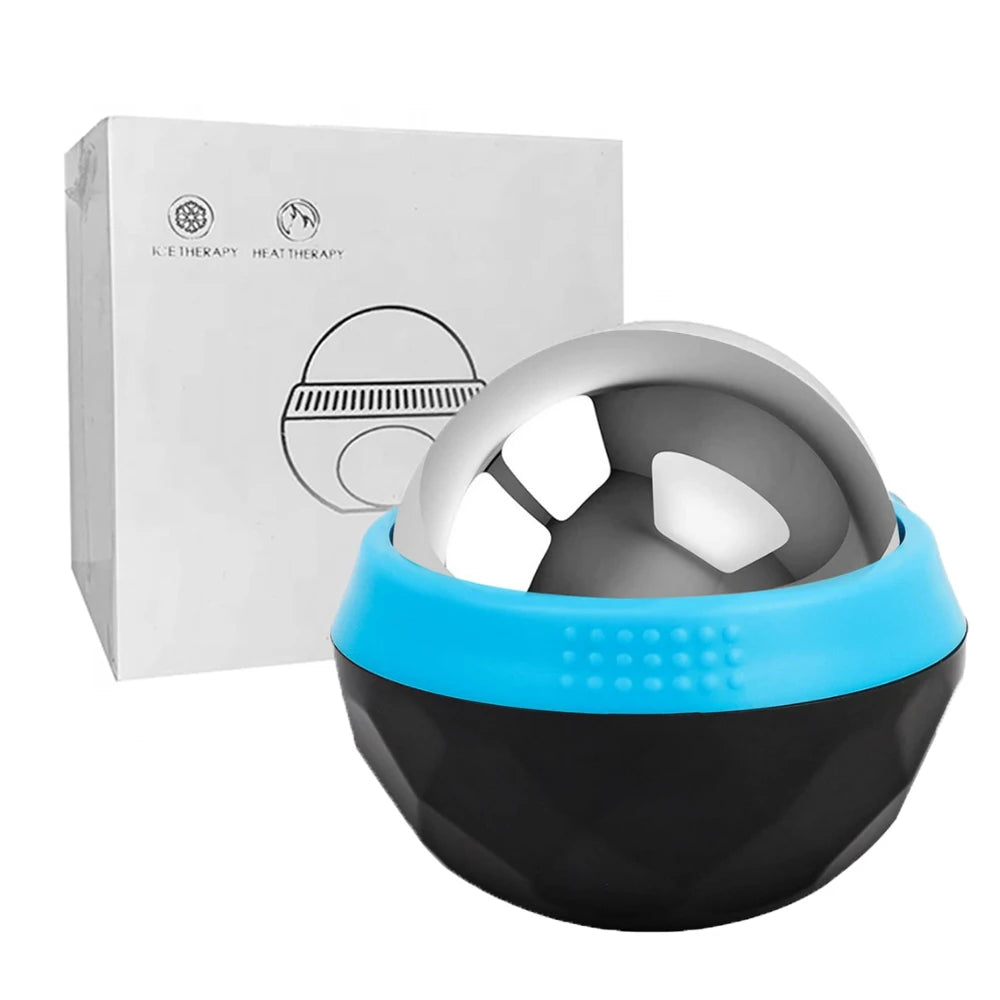
Consistent self-care and recovery habits can help maintain healthy muscle function and support comfortable movement. See it in action.
Quick FAQ
How often should I release leg trigger points?
Most people benefit from performing leg trigger points release every day or every other day. Sessions lasting 5–10 minutes are typically more effective than occasional, high-pressure treatments. Always allow sore muscles adequate time to recover.
How long should I hold pressure on a trigger point?
Apply steady, comfortable pressure for approximately 20–60 seconds before slowly releasing. If the tenderness begins to decrease, you can repeat the process one or two more times without forcing additional pressure.
Can trigger points cause leg pain?
Yes. Trigger points in legs commonly cause localized tenderness and may also produce referred pain in nearby muscles. Because referred pain can mimic other conditions, persistent or unexplained symptoms should be evaluated by a healthcare professional.
Should trigger point release hurt?
You should expect mild to moderate discomfort rather than sharp or severe pain. If pressure causes intense pain, numbness, tingling, or worsening symptoms, reduce the pressure or stop the session.
Is foam rolling enough for trigger points?
Foam rolling is excellent for treating larger muscle groups and improving general tissue mobility. However, stubborn muscle knots in legs often respond better to sustained, targeted pressure using a massage ball or another manual trigger point tool.
Can I release trigger points every day?
Yes, provided the pressure remains moderate and the muscles are not becoming increasingly sore. Daily self-treatment is generally appropriate for mild muscle tightness, while more sensitive areas may benefit from treatment every other day.
What causes muscle knots in legs?
Muscle knots can develop from repetitive movement, prolonged sitting or standing, intense exercise, poor posture, inadequate recovery, dehydration, stress, or previous muscle injuries. Addressing these contributing factors alongside regular trigger point release helps reduce recurrence.
Related Guide: How to Use a Massage Roller for Faster Muscle Recovery













