Legs swelling after pregnancy: Causes, recovery timeline, and how to get relief
⏱ 6 min read
Does legs swelling after pregnancy go away quickly?
Legs swelling after pregnancy is extremely common and usually improves gradually rather than overnight. Many women notice swelling becomes most noticeable during the first few days after delivery because the body begins moving extra pregnancy fluid back into the bloodstream before eliminating it through urine and sweat.
What is considered normal postpartum swelling?
Normal postpartum leg swelling affects both legs fairly evenly and may extend into the ankles and feet. The skin can feel tight, heavy, or puffy, especially after standing for long periods. Mild discomfort is expected and should slowly improve over several days.
When swelling usually peaks
Swelling often reaches its highest point between two and five days after childbirth before steadily decreasing. Most healthy mothers notice significant improvement within one to two weeks, although complete resolution can take several weeks depending on individual recovery and delivery circumstances.
Legs swelling after pregnancy: how to get relief fast
Feeling like your legs are heavier than ever after childbirth? You’re not alone. Postpartum swelling can make daily movements uncomfortable, especially while caring for a newborn. Understanding why swelling happens and using safe recovery strategies can help restore comfort faster.
Discover gentle recovery tools in Body Care and Health Devices
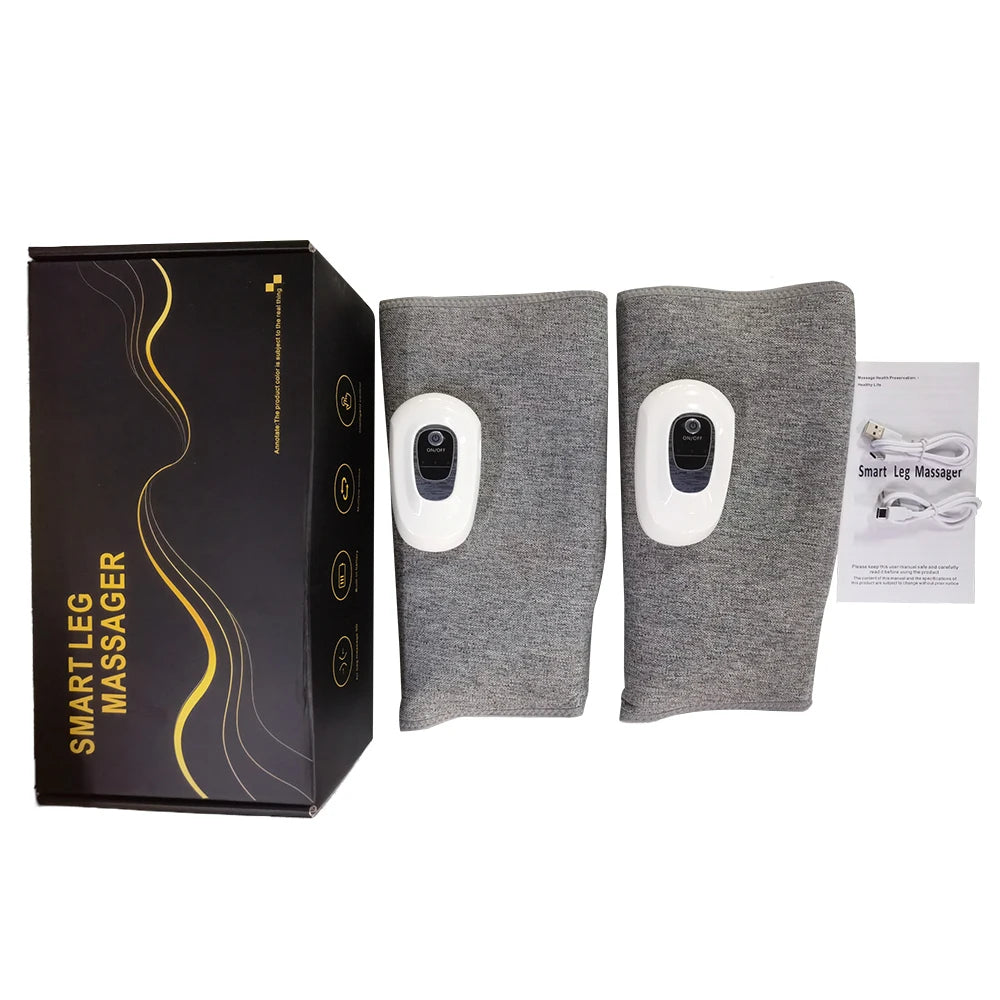
See it in action - legs swelling after pregnancy / swollen legs after pregnancy recovery period, easy recovery tips for tired parent legs, portable leg compression massager for parents, how to reduce leg swelling naturally fast
Why does postpartum leg swelling happen?
Postpartum leg swelling, also called postpartum edema, develops because your body is removing the extra fluid that accumulated during pregnancy. Hormonal changes, increased blood volume, and temporary circulation changes all contribute to swollen legs after childbirth.
Pregnancy fluid shifts after delivery
During pregnancy, your body stores extra fluid to support your baby. After birth, this fluid begins moving back into circulation so your kidneys can remove it through urine and perspiration.
Hormones and circulation changes
Hormones gradually return to pre-pregnancy levels after delivery. At the same time, blood vessels begin returning to their normal size, improving circulation and reducing fluid leakage into surrounding tissues.
Why your legs and feet are most affected
Gravity naturally causes fluid to collect in the lower legs, ankles, and feet. Spending long periods sitting while feeding your baby or recovering after delivery can make swelling appear more noticeable.
Related: Learn more about postpartum recovery changes and daily comfort strategies through our postpartum recovery guide.
Normal vs abnormal postpartum swelling
Most postpartum swelling is harmless, but some symptoms require prompt medical attention.
Signs of normal recovery
- Swelling affects both legs similarly.
- Improves after resting or elevating the legs.
- Gradually decreases over days or weeks.
- No severe pain or redness.
Warning signs that need urgent medical care
- One leg becomes much more swollen than the other.
- Severe calf pain or tenderness.
- Red, warm skin.
- Chest pain or shortness of breath.
- Severe headache, vision changes, or high blood pressure.
- Rapidly worsening swelling accompanied by difficulty breathing.
These symptoms may indicate serious conditions such as deep vein thrombosis, postpartum preeclampsia, infection, or heart complications and should not be treated with home remedies alone.
Related: Understand possible warning signs with our guide to deep vein thrombosis symptoms.
How long does postpartum leg swelling last?
Recovery varies, but understanding the normal timeline can reduce unnecessary worry.
First 24 hours
Swelling may remain unchanged immediately after delivery as your body begins adjusting after pregnancy.
Days 2–7
This is often when swelling reaches its peak before beginning to improve as excess fluid leaves the body.
Weeks 2–6
Most mothers experience substantial improvement, although mild ankle swelling may persist, particularly after long days on their feet.
When swelling lasts longer than expected
If swelling continues beyond several weeks, becomes progressively worse, or is accompanied by pain, redness, fever, or breathing difficulties, schedule a medical evaluation.
How to reduce leg swelling after pregnancy naturally
Simple daily habits can help your body eliminate excess fluid while supporting normal postpartum recovery.
Walk regularly
Short walks encourage healthy circulation and activate the calf muscles, which help pump fluid back toward the heart.
Elevate your legs
Raise your legs above heart level whenever possible for 15 to 20 minutes several times each day.
Stay hydrated
Drinking enough water helps your kidneys eliminate excess sodium and retained fluid more efficiently.
Compression garments
Medical compression stockings may reduce discomfort and improve circulation for some women when recommended by their healthcare provider.
Reduce excess sodium
Limiting highly processed foods may reduce unnecessary fluid retention while maintaining a balanced postpartum diet.
Gentle ankle exercises
Simple ankle pumps and circles performed throughout the day encourage blood flow during long periods of sitting.
Related: Explore gentle postpartum exercise ideas that support circulation and mobility.
Daily postpartum swelling relief routine
Morning
Drink water after waking, perform gentle ankle movements, and take a short walk if approved by your healthcare provider.
Afternoon
Avoid prolonged sitting by changing positions regularly. Elevate your legs whenever your baby is sleeping or feeding.
Evening
Finish the day with another period of leg elevation, light stretching, and comfortable footwear to minimize overnight discomfort.
Explore Body Care and Health Devices
Can compression therapy help postpartum swollen legs?
Compression therapy may improve circulation and temporarily reduce feelings of heaviness in some women after pregnancy. It should complement—not replace—medical advice and healthy recovery habits.
What compression therapy does
Graduated compression gently encourages blood and lymphatic fluid to move upward, reducing pooling in the lower legs.
Compression stockings vs compression massagers
Compression stockings provide continuous support throughout the day, while pneumatic compression massagers offer intermittent pressure sessions for temporary comfort. Individual preferences and medical history should guide the choice.
For parents looking for an at-home comfort option, a portable leg compression massager for parents can provide gentle compression while resting.
Who should avoid compression devices
Anyone with suspected blood clots, severe circulation disorders, skin infections, or unexplained leg pain should consult a healthcare provider before using compression therapy.
Related: Compare compression stockings and compression devices to understand which option may fit your recovery routine.
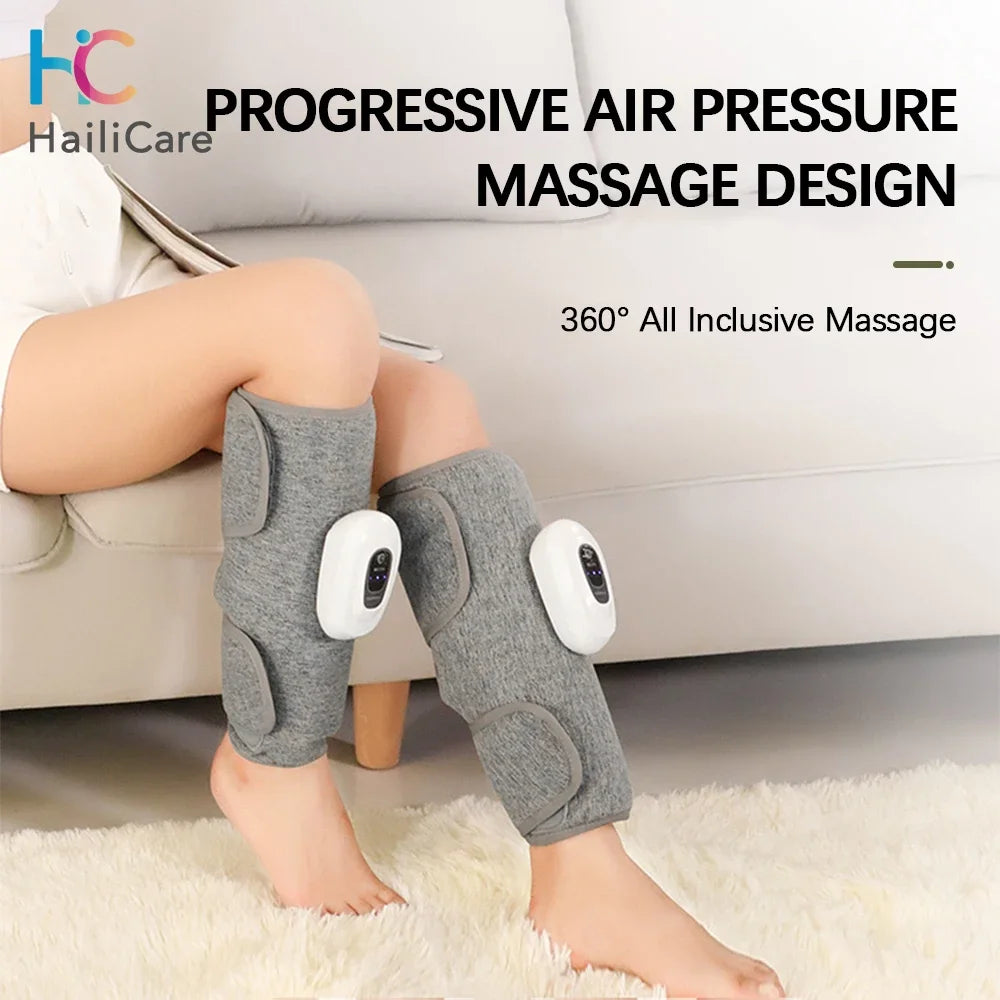
See it in action - legs swelling after pregnancy / swollen legs after pregnancy recovery period, easy recovery tips for tired parent legs, portable leg compression massager for parents, how to reduce leg swelling naturally fast
Risk factors that make swelling worse
Cesarean delivery
Recovery after surgery often involves reduced mobility, which may temporarily increase swelling.
IV fluids during labor
Receiving large amounts of intravenous fluids can contribute to more noticeable postpartum edema.
Standing or sitting for long periods
Limited movement allows fluid to collect in the lower legs.
High blood pressure and pregnancy complications
Women with pregnancy-related hypertension or preeclampsia require closer medical monitoring because swelling may indicate ongoing complications.
Related: Read more about postpartum preeclampsia warning signs and recovery considerations.
When should you contact a healthcare provider?
Symptoms requiring same-day evaluation
- Swelling that suddenly becomes much worse.
- Persistent swelling after several weeks.
- Painful swelling affecting one leg.
- Redness or warmth over the calf.
Symptoms requiring emergency care
- Chest pain.
- Difficulty breathing.
- Coughing blood.
- Severe headache with vision changes.
- Confusion or loss of consciousness.
Prompt medical evaluation is essential because these symptoms may indicate serious postpartum complications that require immediate treatment.
Frequently asked questions
How long does postpartum leg swelling last?
Most swelling improves within one to two weeks, although complete recovery may take several weeks.
Is postpartum edema normal?
Yes. Mild swelling in both legs is a common part of postpartum recovery.
Why are my feet more swollen after delivery than during pregnancy?
Fluid shifts after childbirth temporarily increase swelling before your body removes excess fluid.
Can breastfeeding affect swelling?
Breastfeeding itself does not cause swelling, but staying hydrated supports normal fluid balance during recovery.
What is the fastest way to reduce swelling?
Walking, leg elevation, hydration, and compression therapy when appropriate are among the most effective strategies.
When should I worry about one swollen leg?
One-sided swelling with pain, redness, or warmth requires prompt medical evaluation.
Can a leg compression massager help?
Some mothers find pneumatic compression devices helpful for temporary comfort, but they should not replace medical evaluation when concerning symptoms are present.
Feel lighter and support a healthy postpartum recovery
Legs swelling after pregnancy is usually a temporary part of recovery as your body removes excess pregnancy fluid. Most women improve steadily over the first several weeks with hydration, movement, leg elevation, and healthy circulation habits. While mild swelling is expected, sudden worsening, one-sided swelling, breathing problems, or severe headaches should always be evaluated promptly by a healthcare provider.
Try a wireless leg massager for calf relief for gentle at-home compression support.
Pillar Article: How to reduce swollen ankles quickly: daily relief guide
Other Related Articles:
Explore More: