

How can you reduce swollen ankles quickly?
To reduce swollen ankles quickly, start with simple steps like elevating your feet, moving regularly, staying hydrated, limiting excess salt, and using cold therapy for temporary relief. The best approach depends on the cause, but mild swelling from long periods of standing, sitting, or daily activity often improves with targeted home care.
How to Get Rid of Swollen Ankles Fast: Quick Relief Steps and Prevention Tips
⏱ 5 min read — Wondering how to get rid of swollen ankles fast after a long day on your feet? This guide explains how to reduce ankle swelling fast with practical home methods, circulation-supporting habits, and recovery techniques. Learn why ankles swell, which solutions may help most, and how tools like a leg massager for swelling and fatigue relief can support your comfort routine.
Explore helpful tools in the Body Care and Health Devices collection designed to support relaxation and daily leg comfort.
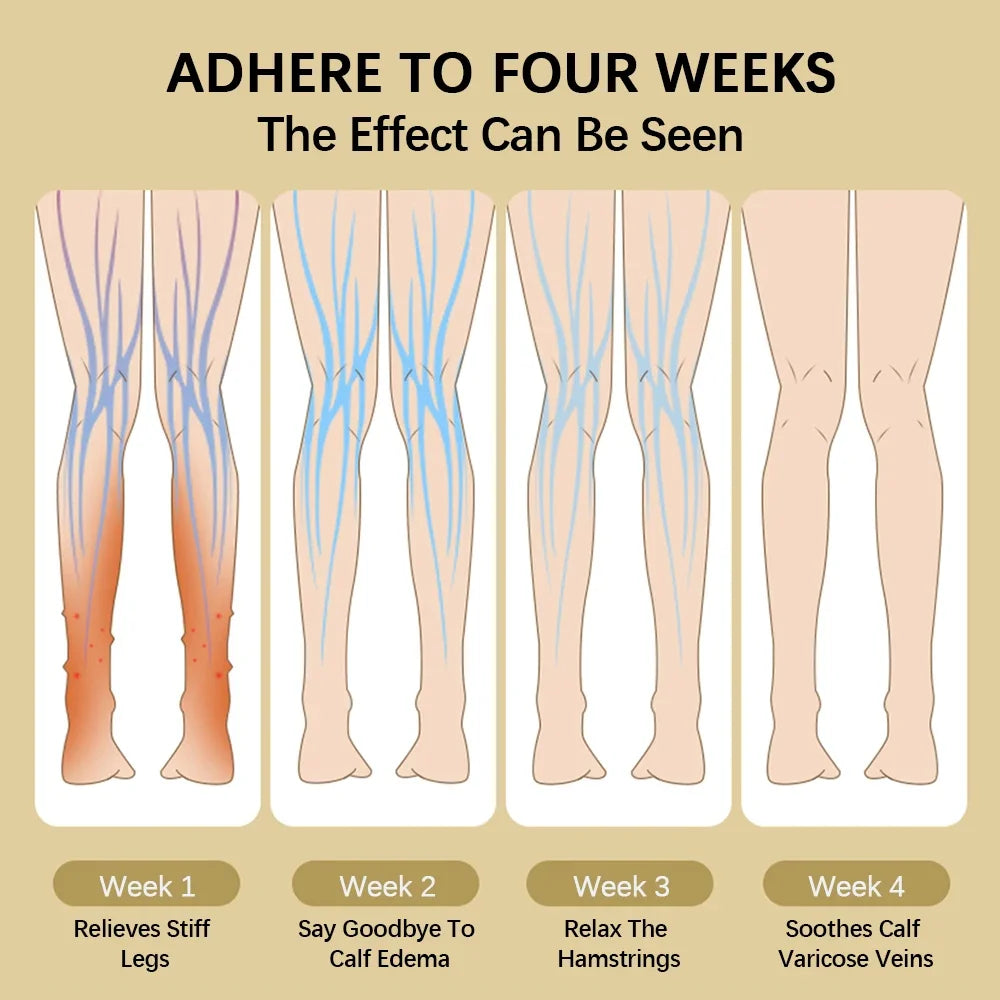
See it in action - how to reduce swollen ankles quickly / how to reduce leg swelling naturally fast, leg massager for swelling and fatigue relief, ways parents can improve leg circulation
Why do ankles swell? Common causes you should know
Swollen ankles happen when extra fluid collects around the tissues in the lower legs. This can happen because of everyday habits, temporary strain, or other factors that affect circulation and fluid balance.
Standing, sitting, or long periods of inactivity
Spending many hours standing or sitting can slow normal circulation. Gravity can cause fluid to collect around the feet and ankles, especially after long workdays or extended travel.
Fluid retention, diet, and lifestyle factors
High sodium intake, dehydration, and lifestyle changes may affect how much water your body holds. Drinking enough fluids and maintaining balanced daily habits may help support healthier fluid management.
Injury, inflammation, pregnancy, or circulation concerns
Ankle swelling may also occur after an injury, during pregnancy, or with circulation-related concerns. If swelling is unusual, severe, or continues despite home care, professional advice may be needed.
What is causing your ankle swelling? Understanding the trigger helps you choose the most effective relief approach.
Quick relief checklist for swollen ankles at home
If you want to reduce swollen ankles quickly, focus on actions that encourage circulation and help manage fluid buildup:
- Raise your feet above heart level for short periods.
- Move your ankles with gentle exercises instead of staying still.
- Use a cold pack wrapped in a towel for temporary swelling relief.
- Drink enough water and reduce excess salt intake.
- Choose comfortable footwear that does not restrict your ankles.
Elevate your feet to reduce fluid buildup
Keeping your legs elevated may reduce pressure in the lower legs and encourage fluid movement away from the ankle area. Try resting with your feet raised for 15–20 minutes when swelling appears.
Use movement and gentle exercises to improve circulation
Simple ankle circles, calf stretches, and short walks activate the muscles that support circulation. Small movement breaks can be especially helpful if you sit or stand for long periods.
Try cold therapy for short-term swelling relief
Cold therapy may help calm discomfort and reduce feelings of tightness around swollen ankles. Always wrap cold packs in a towel to protect your skin.
How to reduce swollen ankles fast with proven home methods
The best way to reduce swollen ankles depends on the reason behind the swelling. These home methods may help provide relief for mild swelling:
Hydration and dietary changes that may help
Drinking enough water and limiting excess sodium can support healthier fluid balance. Adding potassium-rich foods such as bananas and leafy greens may also support overall nutrition.
Compression and supportive footwear options
Compression products and supportive shoes may help some people manage lower-leg discomfort by supporting circulation and reducing pressure around the feet and ankles.
Gentle stretching and ankle exercises
Regular ankle movement can reduce stiffness and encourage blood flow. Try ankle rotations, calf stretches, and light mobility exercises throughout the day.
How to reduce leg and ankle swelling naturally
Natural approaches focus on improving circulation, reducing discomfort, and building habits that may help prevent swelling from returning.
Improve circulation with daily movement
Short walks, stretching breaks, and regular leg movement can help support healthy circulation throughout the day. Avoid staying in the same position for too long whenever possible.
Cold therapy and recovery techniques
Cooling the swollen area and allowing your legs time to recover after activity may help relieve temporary discomfort and heaviness.
Relaxation methods after standing all day
If your ankles feel swollen after being on your feet, relaxing with your legs elevated can provide comfort. Combining rest with gentle massage may help create a more complete recovery routine.
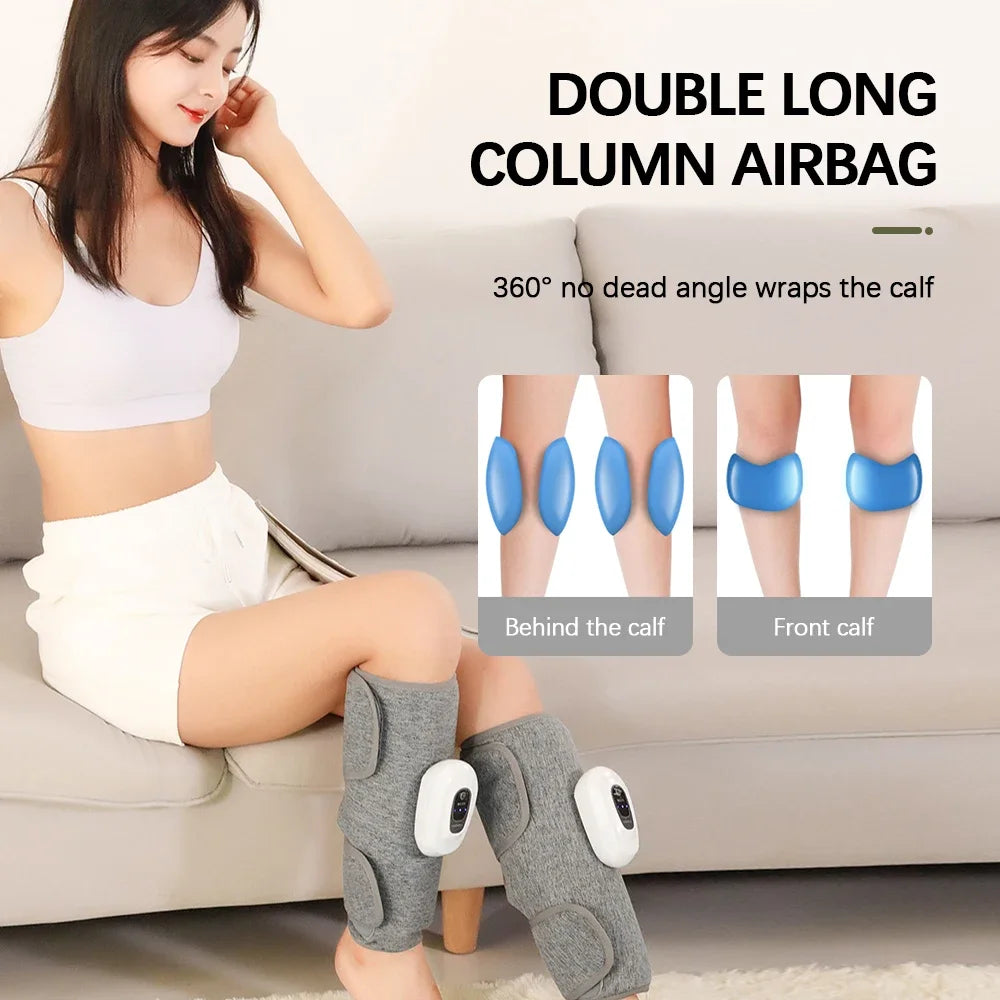
See it in action - how to reduce swollen ankles quickly / how to reduce leg swelling naturally fast, leg massager for swelling and fatigue relief, ways parents can improve leg circulation
Can a leg massager help relieve swollen ankles?
A leg massager may help some people feel less tired and support relaxation after long periods of standing or activity. It should be considered a comfort and recovery tool rather than a replacement for medical treatment.
For mild swelling linked to fatigue, inactivity, or daily strain, massage-based recovery methods may complement habits like elevation, stretching, and regular movement.
- Supports relaxation after busy days
- Encourages gentle compression and circulation support
- Helps relieve feelings of tired or heavy legs
- Can be added to a consistent recovery routine
| Feature | Potential Benefit |
|---|---|
| Air compression | Provides gentle pressure that may support lower-leg comfort |
| Adjustable intensity | Allows users to choose a comfortable setting |
| Portable design | Convenient for home recovery routines |
Explore the leg massager for swelling and fatigue relief as a supportive option for relaxing tired legs after daily activities.
Daily habits to prevent swollen ankles from returning
Consistency matters more than occasional intense recovery sessions. Simple daily habits can support better leg comfort.
- Morning: light stretching and hydration
- Midday: short walks or movement breaks
- Evening: elevation and relaxation routines
- Night: avoid overly tight socks or restrictive clothing
These small adjustments can make it easier to maintain healthy movement habits without adding extra stress to your schedule.
What is the best way to reduce swollen ankles fast?
The fastest relief method depends on the cause of swelling. For many people, combining several approaches works better than relying on only one solution.
| Method | Best For | How Fast It May Help |
|---|---|---|
| Leg elevation | Swelling after standing or sitting | Often provides quick comfort |
| Gentle movement | Stiffness and reduced circulation from inactivity | Helpful throughout the day |
| Cold therapy | Temporary discomfort and tightness | Short-term relief |
| Leg massager | Relaxation and recovery support | Convenient for regular routines |
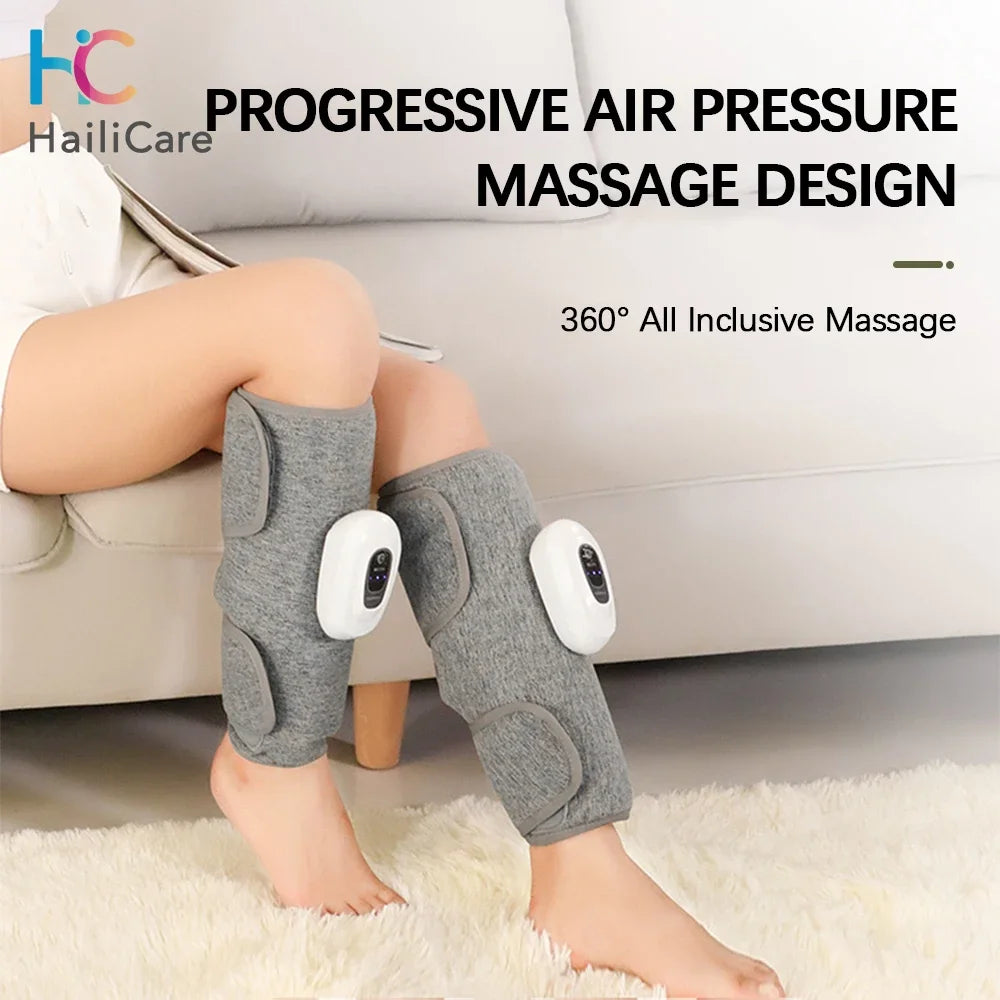
See it in action - how to reduce swollen ankles quickly / how to reduce leg swelling naturally fast, leg massager for swelling and fatigue relief, ways parents can improve leg circulation
Try the leg massager for swelling and fatigue relief as part of a comfortable evening relaxation routine.
When should you worry about swollen ankles?
Mild ankle swelling is often temporary, but you should consider medical advice if swelling is sudden, severe, painful, or does not improve.
- Swelling appears in only one ankle without an obvious reason.
- You experience severe pain, redness, warmth, or difficulty walking.
- Swelling continues or keeps returning despite home care.
- You notice other unusual symptoms along with swelling.
Frequently asked questions about swollen ankles
How long does it take to reduce ankle swelling?
The time needed depends on the cause. Mild swelling from activity, standing, or fluid retention may improve faster than swelling caused by injury or health conditions.
Is walking good for swollen ankles?
Gentle walking may help improve circulation and reduce stiffness, but avoid activities that increase pain or swelling.
Can swollen ankles go away overnight?
Some mild swelling may improve overnight with rest, elevation, and reduced fluid buildup. Persistent swelling may require further evaluation.
When should I see a doctor for ankle swelling?
Seek medical advice if swelling is sudden, severe, one-sided, painful, or accompanied by other concerning symptoms.
Related Articles:
- Handheld leg massager: how to target sore spots fast
- Legs swelling after pregnancy: how to get relief fast
Pillar Articles:













