

How do legs warm up faster before exercise or when they feel cold?
Legs warm up faster when you combine dynamic movement with targeted heat. Active exercises such as marching, squats, and leg swings increase blood flow and raise muscle temperature, while blankets or heated products help reduce heat loss. For most people, a few minutes of movement followed by comfortable warmth is the fastest way to prepare cold leg muscles.
How to Warm Up Legs Faster: Proven Techniques That Work Immediately
How to Warm Up Legs Faster Before Exercise
A proper leg warm-up prepares muscles, joints, and circulation before physical activity. The fastest approach is to start with dynamic movements that gradually increase intensity rather than holding long static stretches before exercise.
3-Minute Warm-Up
A quick warm-up works well when you need to prepare your legs with limited time.
- 30 seconds: March in place with controlled knee lifts
- 30 seconds: Perform bodyweight squats
- 30 seconds: Complete alternating reverse lunges
- 30 seconds: Swing each leg forward and backward
- 60 seconds: Walk briskly or repeat your favorite movement
This short sequence increases blood flow to the legs and activates major muscle groups without causing early fatigue.
5-Minute Warm-Up
A five-minute routine provides more preparation before running, sports, or strength training.
- 1 minute of brisk walking or marching
- 10–15 bodyweight squats
- 10 leg swings per side
- 10 walking lunges per side
- 20 calf raises
10-Minute Warm-Up
A longer warm-up is useful before higher-intensity workouts or when exercising in cold conditions.
- 2 minutes of light cardio such as walking or jogging
- Dynamic leg stretches for hips, hamstrings, and calves
- Two rounds of squats, lunges, and calf raises
- Movement-specific drills related to your activity
Choose a shorter routine for daily movement and a longer routine when your workout requires more power, flexibility, or coordination.
Why Warming Up Your Legs Works
How Muscle Temperature Increases
When you warm up leg muscles, movement increases blood circulation and gradually raises tissue temperature. Warmer muscles contract and relax more efficiently, helping your legs move with better control during activity.
How Blood Flow Improves Performance
Increasing blood flow to legs delivers oxygen and nutrients to working muscles while helping joints move more freely. Natural circulation improvements from movement are one of the most effective ways to improve leg comfort before exercise.
Dynamic Warm-Up vs Static Stretching
Dynamic movements are usually preferred before exercise because they prepare muscles through active motion. Static stretching, which involves holding a stretch for an extended time, is often better saved for after activity or separate flexibility sessions.
Best Leg Warm-Up Exercises
The best leg warm-up exercises activate the hips, thighs, calves, and lower legs in a gradual sequence. Start with larger movements and increase intensity as your muscles become warmer.
Marching and High Knees
Marching and high knees increase heart rate while activating hip flexors and thigh muscles.
- Perform for 30–60 seconds
- Keep your core upright
- Increase knee height gradually
Leg Swings
Leg swings improve hip mobility and prepare the muscles around the hips and thighs.
- Complete 10–15 swings per leg
- Move smoothly without forcing range of motion
Walking Lunges
Walking lunges warm the glutes, quadriceps, and hamstrings while improving balance.
- Perform 10 steps per side
- Keep knees aligned with toes
Bodyweight Squats
Squats activate multiple lower-body muscles and help increase circulation quickly.
- Complete 10–15 repetitions
- Use controlled movement rather than speed
Calf Raises
Calf raises warm the lower legs and support ankle mobility before walking, running, or standing activities.
- Perform 15–20 repetitions
- Pause briefly at the top of each movement
How to Warm Cold Legs Quickly
Movement First
The fastest way to warm cold legs is usually gentle movement. Walking, marching, and light exercises encourage circulation and help warm muscles from within.
- Stand and move every 30–60 minutes when sitting for long periods
- Use ankle circles and leg movements during desk work
- Walk briefly after staying in one position
Heat-Based Methods
Heat adds comfort by reducing heat loss and helping muscles relax. It is especially useful when movement is limited or when you need steady warmth.
- Use warm blankets or layered clothing
- Cover legs to trap body heat
- Apply comfortable external warmth when resting
When to Combine Both
The best way to warm up legs quickly is often a combination of movement and heat. Exercise increases circulation, while targeted warmth helps maintain comfort afterward.
Warm-Up Routines by Activity
Running
Runners should focus on dynamic movements that activate calves, hamstrings, hips, and glutes.
- Brisk walk or light jog for 2–5 minutes
- Leg swings and walking lunges
- Short running drills before increasing pace
Walking
A walking warm-up can be simple but should gradually increase intensity.
- Start with a comfortable pace
- Add faster steps after several minutes
- Include ankle and calf movements if needed
Cycling
Cyclists benefit from warming the hips, knees, and calves before increasing resistance.
- Begin with easy pedaling
- Increase effort gradually
- Include hip mobility exercises
Strength Training
Strength workouts require activated muscles before heavier movements.
- Perform bodyweight versions of planned exercises
- Warm up joints through controlled movement
- Increase intensity step by step
Older Adults
Older adults may benefit from slower, lower-impact warm-ups that improve mobility without excessive strain.
- Gentle marching
- Chair-assisted movements if needed
- Longer warm-up periods with gradual progression
Indoor vs Outdoor Leg Warm-Up Strategies
Home or Office
- Stand up regularly to encourage circulation
- Use blankets or warm layers when sitting
- Keep feet insulated to reduce heat loss
Cold Weather
- Wear layers that trap warm air
- Keep moving instead of standing still for long periods
- Use portable heated gear for additional comfort
Limited Space
You can still warm your legs in small areas by using movements that require little room.
- Marching in place
- Calf raises
- Standing knee lifts
When Heat Helps Legs Warm Up Faster
Before Exercise
Heat can provide comfort before exercise, especially when muscles feel stiff from cold temperatures. However, it should support rather than replace an active warm-up.
After Exercise
After activity, comfortable warmth can help relaxation and make recovery routines more enjoyable when paired with proper rest and mobility habits.
Safe Heat Use
- Avoid excessive temperatures
- Follow product instructions carefully
- Do not rely on heat alone when preparing for intense exercise
Best Products to Warm Legs Quickly
Who Benefits Most
Warming products are useful for people who spend long periods sitting, work in cool environments, travel frequently, or want additional comfort during recovery periods.
Temperature Adjusting Blanket
A temperature adjusting blanket helps maintain balanced warmth by adapting to changing comfort needs. It can be useful for people who want warmth without feeling overheated.
Heated Blanket Shawl
A heated blanket shawl provides targeted warmth around the lap and legs. Its flexible design makes it practical for home offices, reading, relaxing, or staying comfortable in cooler rooms.
Portable Heated Shawl
A portable heated shawl offers convenient warmth in travel situations or shared spaces where increasing room temperature is not practical.
Many users pair these options with items from the Body Care and Health Devices collection to create a personalized comfort routine.
Learn how targeted warmth fits into your daily routine.
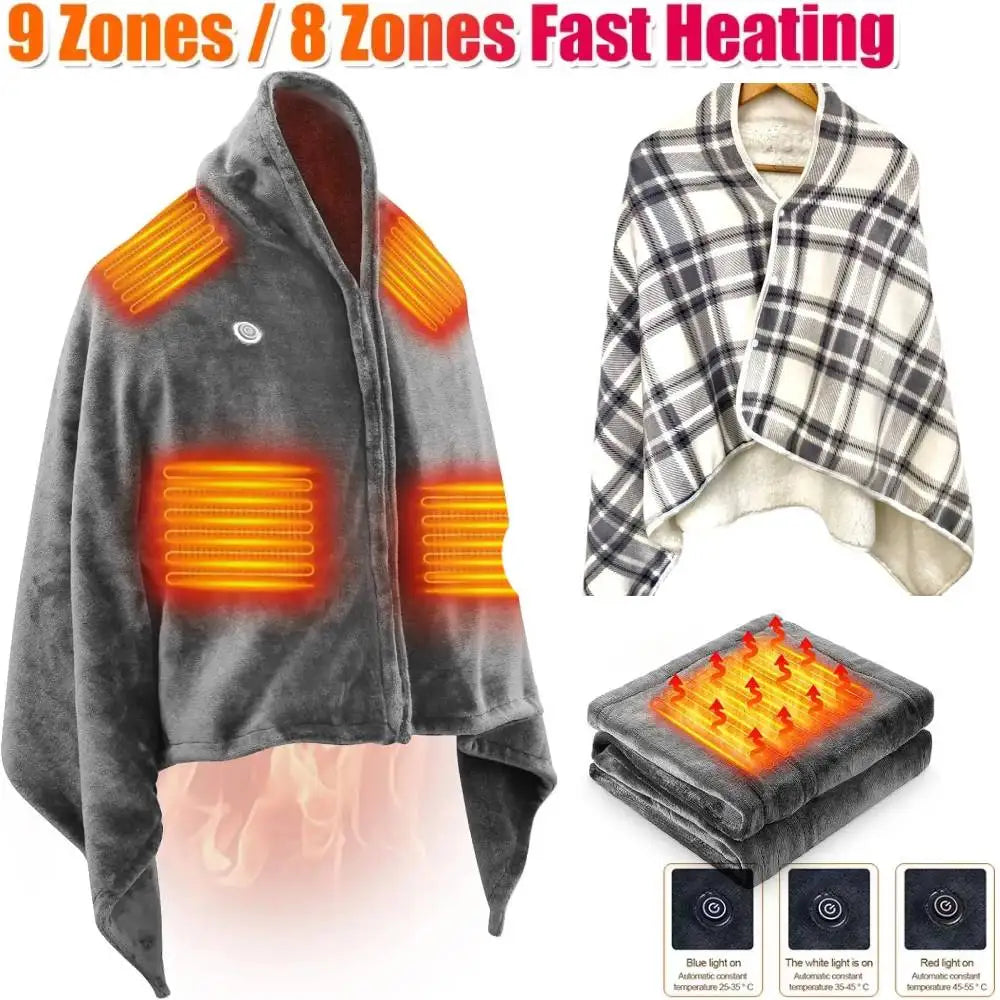
A heated blanket shawl delivers focused warmth — See it in action
Signs Your Legs Are Properly Warmed Up
Your legs are usually ready for higher-intensity movement when they feel comfortable, mobile, and responsive.
- Joints move more easily
- Muscles feel less stiff
- Movement feels smoother
- Your body feels prepared for increased activity
Common Mistakes That Slow Leg Warm-Up
- Starting with static stretching: Cold muscles often respond better to gradual movement first.
- Increasing intensity too quickly: A gradual warm-up prepares muscles more effectively.
- Skipping major muscle groups: Include hips, thighs, calves, and ankles.
- Stopping too early: Give your body enough time to increase temperature and mobility.
When Cold Legs May Signal a Health Issue
Warning Signs
Occasional cold legs are common, but persistent cold sensations may require more attention when combined with other symptoms.
- Coldness that does not improve with movement or warmth
- Changes in skin color or sensation
- Persistent discomfort or unusual weakness
When to Seek Medical Care
If cold legs continue despite normal warming methods or are accompanied by concerning symptoms, consult a healthcare professional for evaluation.
Frequently Asked Questions
Is a dynamic warm-up better than static stretching before exercise?
Yes. Dynamic warm-ups are generally preferred before exercise because they prepare muscles through active movement. Static stretching is often better after exercise or during flexibility sessions.
How long should it take to warm up your legs?
Many people can improve leg warmth and mobility within 3–10 minutes depending on activity level, temperature, and individual needs.
What are the best leg warm-up exercises before running?
Walking, marching, high knees, leg swings, lunges, and squats are effective exercises to prepare running muscles.
How can I warm cold legs quickly in winter?
Combine movement with insulation. Walk briefly, perform light exercises, and use warm layers or targeted heating products to maintain comfort.
Does walking warm up leg muscles enough before a workout?
Walking can be enough for light activity, but higher-intensity workouts usually benefit from additional dynamic movements.
Can heat packs replace a proper warm-up?
No. Heat can improve comfort but does not replace the circulation and muscle activation created by movement.
How do I know my legs are warm enough to exercise?
Your legs should feel mobile, comfortable, and ready to move without stiffness before increasing exercise intensity.
Why do my legs stay cold even after moving?
Cold legs can persist because of environmental factors, limited circulation, or individual sensitivity to temperature. If the issue continues frequently, consider discussing it with a healthcare professional.
Related Guide: Why Do My Legs Feel Cold? Solutions That Really Work













