Light Ankle Brace: How to Wear and Adjust for Maximum Support
A light ankle brace can make everyday movement feel more stable after a mild sprain, during recovery from ankle weakness, or while returning to sports. However, even the best brace works only when it fits properly. This guide explains how to wear an ankle brace correctly , how tight it should be, how to adjust it for different activities, and when wearing one is most beneficial.
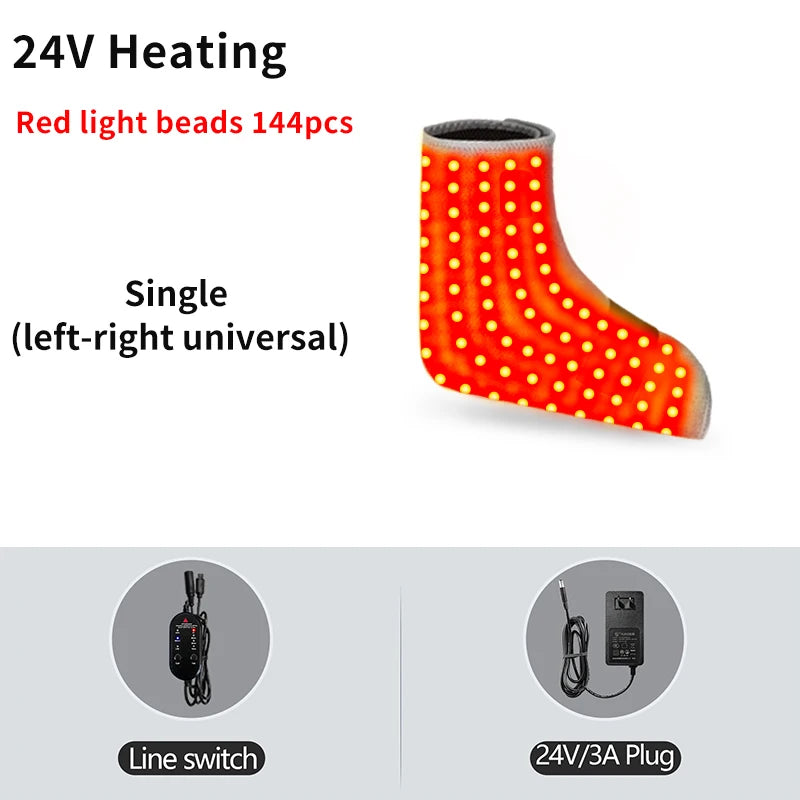
Light ankle brace designed for comfort and control — See it in action
Types of Ankle Braces and How They Work
Different ankle braces provide different levels of compression and stabilization. Choosing the right style depends on your activity level, symptoms, and recovery stage rather than simply selecting the most rigid option.
Compression Sleeves: Light Support
A compression sleeve provides gentle, even pressure around the ankle. It can improve body awareness (proprioception), help manage mild swelling, and offer light support for everyday walking or standing. It is often suitable for people with minor discomfort or those returning to normal activities.
Lace-Up Braces: Moderate Stability
Lace-up braces combine compression with adjustable support. Tightening the laces creates a secure fit that helps limit excessive side-to-side movement while still allowing a natural walking pattern. Many athletes choose this style after mild ankle sprains.
Strap/Wrap Braces: Adjustable Support
Wrap-style braces use figure-eight straps or adjustable Velcro closures to customize support. They are ideal when swelling changes throughout the day because the fit can be easily adjusted without removing the brace completely.
Hinged Braces: Maximum Stabilization
Hinged braces provide the highest level of ankle stabilization while still allowing controlled forward and backward movement. They are commonly recommended during later stages of recovery from more significant ligament injuries or for chronic ankle instability under medical guidance.
For complementary wellness tools, many readers also explore options in the Body Care and Health Devices collection.
How to Wear an Ankle Brace Correctly (Step-by-Step Guide)
Correct ankle brace positioning helps distribute support evenly across the joint. Before fastening any brace, ensure your heel is fully seated and the brace sits flat without folds or wrinkles.
Lace-Up Ankle Brace: Step-by-Step
- Completely loosen all laces before putting the brace on.
- Slide your foot in until your heel rests fully in the heel cup.
- Center the tongue over the front of your ankle.
- Lace upward gradually, tightening evenly from the bottom.
- Secure any straps using a figure-eight pattern if included.
- Walk a few steps and fine-tune the tension if necessary.
Compression Sleeve: Proper Positioning
- Roll the sleeve over your foot rather than pulling aggressively.
- Align the heel opening precisely with your heel.
- Smooth out wrinkles around the ankle.
- Ensure the upper edge sits comfortably below the calf.
Wrap/Strap Brace: How to Secure Support
- Wrap the base around the foot and heel.
- Cross support straps in a figure-eight pattern over the ankle.
- Fasten the Velcro securely.
- Adjust both sides evenly to avoid uneven pressure.
Hinged Brace: Alignment and Fit
- Place your foot fully inside the brace.
- Align both hinges directly beside the ankle joint.
- Fasten lower straps before tightening upper straps.
- Check that the brace feels secure without restricting normal walking.
How Tight Should an Ankle Brace Be?
A properly fitted ankle brace should feel supportive—not restrictive. The goal is firm compression that stabilizes the joint while maintaining healthy circulation.
- Correct fit: Your ankle feels supported, your toes remain warm, and you can wiggle them freely.
- Too tight: Numbness, tingling, throbbing pain, cold toes, or skin discoloration indicate excessive compression.
- Too loose: The brace slides during walking, wrinkles around the ankle, or fails to control side-to-side motion.
- Check after 10–15 minutes: Walk briefly and reassess comfort since straps may settle after movement.
- Adjust for swelling: If swelling changes during the day, loosen or retighten adjustable straps to maintain even support.
How to Adjust an Ankle Brace for Maximum Support
Knowing how to adjust an ankle brace for support allows you to balance stability with comfort across different activities.
- Tighten from the bottom upward: This creates even compression throughout the ankle.
- Increase support for sports: Tighten straps slightly before running, hiking, or court sports, while ensuring normal circulation.
- Reduce pressure during rest: If sitting for extended periods, a slightly looser fit may improve comfort.
- Accommodate swelling: Recheck the fit periodically after activity or at the end of the day.
- Maintain proper alignment: Hinges, straps, and heel openings should stay centered over the ankle joint throughout movement.
If recovery and warmth are priorities, consider pairing your brace with the red light heated ankle wrap for added comfort during rest periods.
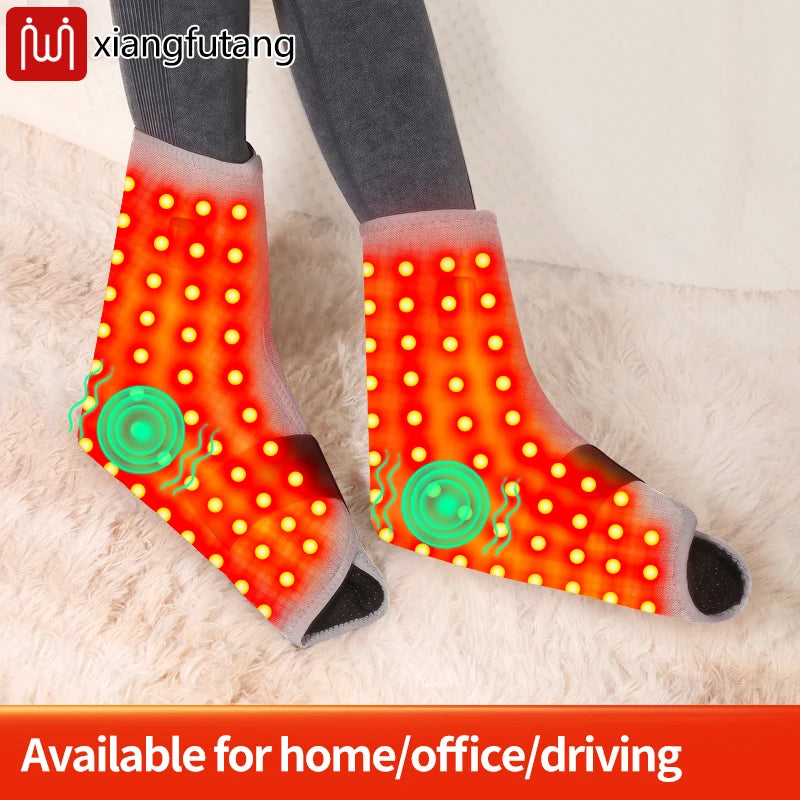
Stability ankle brace in everyday use — See it in action
Daily Use Scenarios: Work, Exercise, and Recovery
Wearing With Shoes
Choose footwear with enough interior space to accommodate the brace. Athletic or lace-up shoes generally provide the best fit. After tying your shoes, check that the brace remains smooth and does not bunch around the ankle.
During Sports
For activities such as basketball, hiking, tennis, or running, use a brace designed for movement. Tighten it slightly more than you would for casual walking, perform a few practice movements, and ensure your range of motion remains comfortable.
While Sleeping
Most people do not need to sleep in an ankle brace unless specifically instructed by a healthcare professional. If nighttime support is recommended, soft compression sleeves are typically more comfortable than rigid braces.
Many users combine ankle care with broader self-care routines found in the Beauty & Self-Care Blog to maintain overall wellness and confidence.
When to Wear an Ankle Brace (And When Not To)
An ankle brace can be helpful in several situations, but it should not replace rehabilitation exercises or medical evaluation when significant injuries occur.
- Wear one during recovery after a mild sprain when returning to normal daily activities.
- Use it during higher-risk sports if you have a history of ankle sprains or chronic instability.
- Consider temporary support for long periods of walking, standing, or uneven terrain.
- Avoid unnecessary continuous use if your ankle has fully recovered and no longer requires external support, unless recommended by a healthcare provider.
- Seek medical evaluation if you cannot bear weight, experience severe swelling, significant deformity, or persistent instability despite brace use.
Common Mistakes That Reduce Ankle Brace Effectiveness
- Wearing the brace too loosely, allowing excessive movement.
- Over-tightening and restricting circulation.
- Incorrect ankle brace positioning or misaligned hinges.
- Using the same tightness for every activity instead of adjusting for work, exercise, or recovery.
- Choosing a brace that provides either too little or too much support for your condition.
- Ignoring cleaning instructions, allowing stretched materials or worn straps to reduce effectiveness.
Mini FAQ
How to wear an ankle brace correctly?
Start by positioning your heel fully inside the brace, align all support components with the ankle joint, then tighten gradually from the bottom upward. The brace should feel secure without limiting circulation.
How tight should an ankle brace be?
Your ankle should feel firmly supported while your toes remain warm, comfortable, and easy to move. If you notice numbness, tingling, or discoloration, loosen the brace immediately.
Can I wear an ankle brace all day?
Yes. Many people safely wear a light ankle brace during work or daily activities. Check periodically for pressure points, remove it if discomfort develops, and follow your healthcare provider's recommendations if recovering from an injury.
Should I sleep with an ankle brace on?
Generally no, unless your healthcare provider specifically recommends overnight support. Soft compression sleeves may occasionally be appropriate, while rigid braces are usually avoided during sleep.
How do I adjust an ankle brace for better support?
Tighten evenly from the bottom upward, secure figure-eight straps if available, and adjust the fit depending on your activity level and any swelling throughout the day.
What is the correct ankle brace positioning?
The heel should sit fully inside the heel pocket, hinges should align with the ankle joint if present, and straps or sleeves should lie flat without twisting or bunching.
When should I wear an ankle brace for injury recovery?
Wear it during walking, rehabilitation exercises, or activities that challenge ankle stability as recommended by your healthcare professional. Gradually reduce reliance on the brace as strength and stability improve.
How to put on an ankle brace step by step?
Follow the step-by-step instructions above for your specific brace type—lace-up, compression sleeve, wrap, or hinged brace—to achieve the best combination of comfort, stability, and support.
Related Guide: How to Use a Heating Pad for Ankle Pain Effectively