
Lightweight Pedal Tension Rope for Home: How to Choose the Right One
Finding effective home workout equipment does not have to mean investing in bulky machines, heavy dumbbells, or a dedicated exercise room. A lightweight pedal tension rope for home offers a compact way to add resistance to upper-body, lower-body, and core exercises without taking up much storage space. However, not every pedal resistance trainer provides the same experience. Resistance configuration, elastic material, pedal stability, handle comfort, adjustability, and overall construction all influence whether a particular model suits your fitness goals. This guide compares pedal tension ropes with traditional resistance bands and mini pedal exercisers, explains which features matter most, and helps you choose practical equipment for your available space and experience level.
What Is a Lightweight Pedal Tension Rope for Home Exercise?
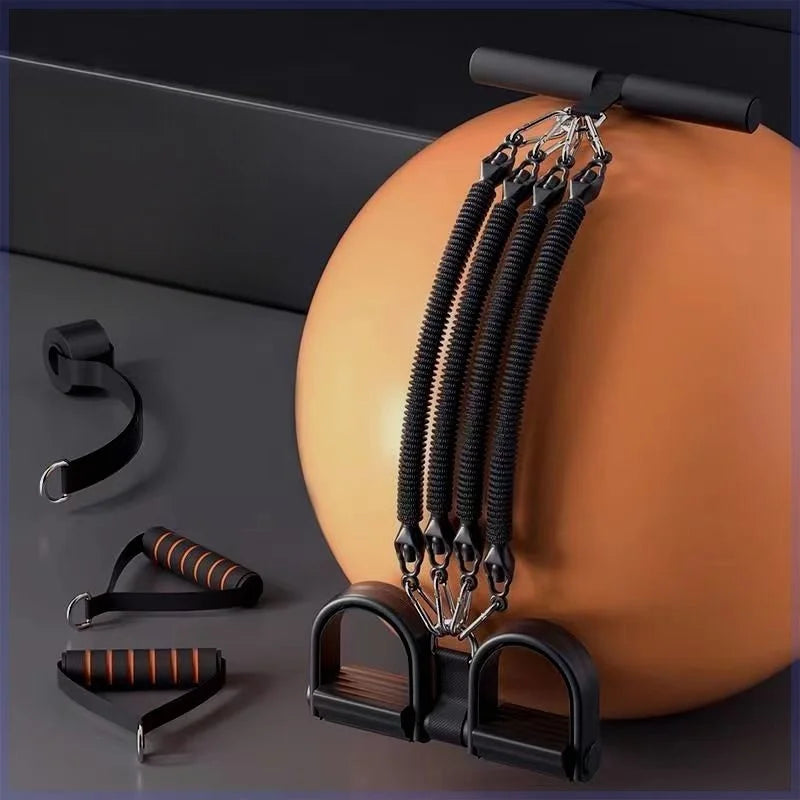
A lightweight pedal tension rope is a compact resistance-training accessory that combines elastic tubes, foot pedals, and hand grips. Users position their feet against the pedals and pull the handles to stretch the elastic tubes, creating resistance during controlled movements. Depending on the design, the equipment can support exercises for the arms, shoulders, chest, waist, abdomen, and legs.
Unlike stationary pedal exercise machines, a pedal tension rope does not rely on rotating cranks or a fixed mechanical resistance system. It uses elastic tension to provide resistance when the user stretches the connected tubes. This makes it particularly useful for people who want simple strength-training movements without installing large equipment.
How a Pedal Resistance Rope Works
The operating principle is straightforward. Elastic tubes resist stretching, creating tension as you move the handles away from the pedals. Your muscles work against that tension during the pulling or pressing movement.
For example, placing both feet securely on the pedals and pulling the handles toward your shoulders creates resistance for an upper-body pulling movement. Extending your legs while maintaining controlled tension can create a lower-body exercise.
The resistance you experience depends on several factors:
- Tube configuration: Multiple tubes can provide a different resistance arrangement from a single elastic tube.
- Stretch distance: Greater stretching generally increases elastic tension, within the equipment's intended operating range.
- Body positioning: Foot placement, arm position, and movement direction affect how the resistance feels.
- Movement control: Slow, controlled repetitions help maintain consistent tension and reduce sudden movements.
Common Components: Resistance Tubes, Pedals, and Handles
A typical pedal resistance trainer includes three main components:
- Resistance tubes: Elastic components that generate tension during exercise. Some models use one tube, while others incorporate multiple tubes.
- Foot pedals: Supports that allow users to position their feet while pulling or stretching the handles.
- Hand handles: Grip points that make it easier to perform pulling, curling, and pressing movements.
Some designs also include a door anchor, allowing compatible resistance configurations to be attached to a suitable door setup for additional exercise variations. Always verify the intended attachment method before using an anchor.
Who should consider this equipment? Beginners, apartment residents, casual exercisers, and travelers may appreciate its compact construction. It can also complement an existing workout routine when larger resistance equipment is inconvenient.
Pedal Tension Rope vs. Other Resistance Equipment: Which Is Better?
Choosing between compact resistance equipment depends on the type of movement you want to perform. A pedal tension rope combines foot support and hand grips, while traditional resistance bands offer greater freedom in how you position and anchor the elastic material. Mini pedal exercisers serve a different purpose by providing repetitive cycling movements.
Pedal Resistance Rope vs. Pedal Resistance Bands
The terms pedal resistance rope and pedal resistance band are sometimes used interchangeably. Both generally describe elastic resistance equipment incorporating foot pedals and handles.
However, individual models can differ in the number of resistance tubes, pedal construction, handle design, and attachment arrangements. A four-tube system, for example, offers a different resistance configuration from a simpler two-tube design.
Advantages: Integrated pedals provide a convenient foot-positioning point, and handles support several upper-body and lower-body movements.
Limitations: Resistance and exercise options depend on the fixed construction. Some designs do not offer independently adjustable resistance.
Pedal Tension Rope vs. Mini Pedal Exerciser
A mini pedal exerciser is a small stationary device with rotating pedals. It is generally designed for repetitive cycling-style movements performed while sitting or standing, depending on the model.
A pedal tension rope instead uses elastic resistance for pulling, pressing, and stretching exercises. It can engage multiple muscle groups through different movement patterns rather than focusing primarily on repetitive pedaling.
- Choose a pedal tension rope for elastic resistance exercises involving your arms, shoulders, legs, and core.
- Consider a mini pedal exerciser if repetitive cycling movements are your main priority.
Pedal Resistance Rope vs. Traditional Resistance Bands
Traditional resistance bands include flat loop bands, tube bands with handles, and longer elastic training bands. They are versatile because users can change their grip, body position, and anchoring arrangements.
Pedal resistance ropes offer a more integrated setup. Their foot pedals and handles make certain seated pulling and stretching movements easier to organize without separately positioning a conventional band.
Traditional resistance bands may be preferable for people who want a wider variety of anchoring options, mobility exercises, and different resistance configurations. Pedal trainers may appeal to those who prefer a combined foot-and-hand setup.
Quick Equipment Comparison Matrix
The following comparison highlights typical equipment characteristics. Exact materials, dimensions, resistance levels, and adjustment features vary by manufacturer and individual model.
| Feature | Pedal Tension Rope | Mini Pedal Exerciser | Traditional Resistance Bands |
| Resistance type | Elastic tube tension | Mechanical or magnetic resistance, depending on model | Elastic tension |
| Material | TPE, elastic material, foam, depending on model | Metal and plastic components, depending on model | Latex, rubber, or other elastic materials |
| Resistance configuration | Single or multiple tubes | Pedaling resistance system | Loop, flat, or tube configurations |
| Adjustability | Varies by design | Varies by model | Varies by band thickness and configuration |
| Dimensions | Usually compact | Compact but requires floor space | Generally very compact |
| Weight | Typically lightweight | Varies by construction | Generally lightweight |
| Pedal design | Integrated foot pedals | Rotating pedals | Usually no integrated pedals |
| Grip stability | Depends on pedal and handle construction | Depends on pedal and floor stability | Depends on grip or anchoring method |
| Storage | Compact storage | Requires space for the frame | Very little storage space |
| Best suited for | Combined pulling and stretching exercises | Repetitive cycling movements | Versatile resistance training |
For people comparing compact home gym equipment, the best option is not necessarily the one with the most components. It is the one that supports the movements you intend to perform safely and consistently.
If you are exploring other compact wellness and home-use accessories, the Body Care and Health Devices collection provides another place to browse practical equipment options.
7 Features to Check Before Buying a Lightweight Pedal Tension Rope
Before ordering a pedal resistance trainer, evaluate its actual construction rather than relying on broad claims such as full-body training or professional resistance. The following seven considerations can help you identify a suitable model.
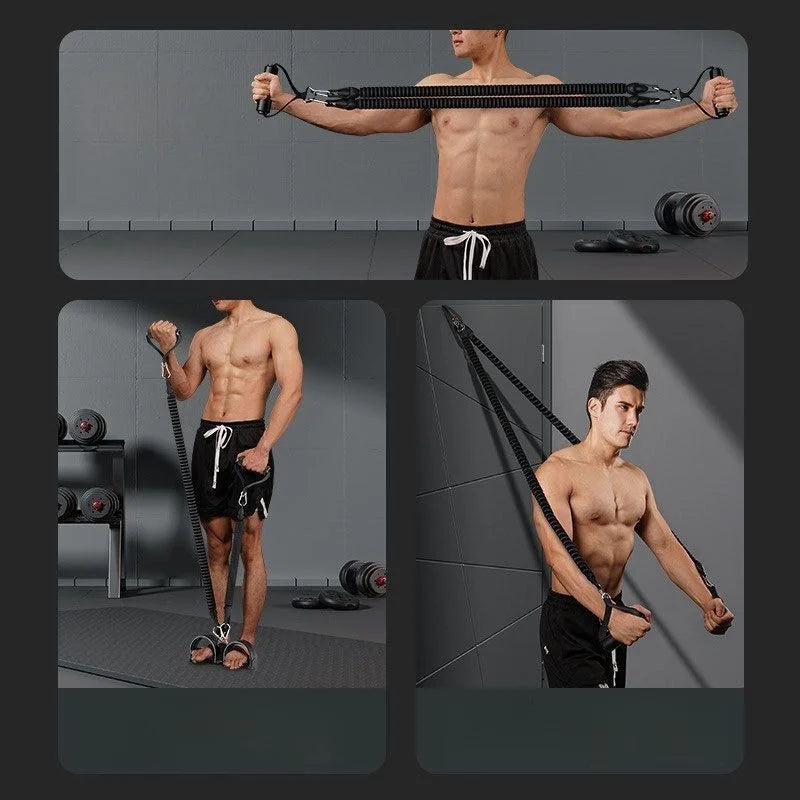
1. Resistance Levels and Elastic Tension
Resistance is one of the most important purchasing considerations. Some pedal tension ropes use a fixed elastic configuration, while other models offer removable tubes or adjustable arrangements.
A four-tube system provides multiple elastic elements, but four tubes do not automatically mean four independently selectable resistance levels. Check whether the tubes operate together or can be adjusted separately.
Beginners should prioritize manageable tension that allows comfortable movement without excessive stretching. More experienced users should consider whether the equipment provides enough challenge for their preferred exercises.
2. Resistance Tube Material and Durability
Elastic tubing may use TPE, latex, rubber, or combinations of materials. Material composition influences elasticity, flexibility, maintenance requirements, and how the equipment responds to repeated stretching.
Look for clear material specifications and inspect the tubing regularly. Avoid assuming that every resistance rope uses natural latex. A product listing identifying TPE and elastic materials should be evaluated according to those stated specifications.
Durability also depends on manufacturing quality, connection points, storage conditions, and how frequently the equipment is stretched.
3. Non-Slip Exercise Pedals and Foot Stability
Foot positioning matters because the pedals provide the contact point for many exercises. Check their width, shape, surface texture, and overall construction.
Your feet should remain comfortably positioned without slipping or becoming compressed during movement. If the pedals feel unstable or the connections appear weak, choose another model.
4. Ergonomic Foam Handles and Grip Comfort
Handles influence how comfortably you can perform repeated pulling and pressing movements. Foam-covered grips may provide a softer contact surface than exposed hard plastic or metal handles.
Consider handle thickness, grip length, padding, and whether the handles feel secure in your hands. Comfortable grips can make regular exercise sessions more manageable, particularly for people who are new to resistance training.
5. Adjustability and Exercise Flexibility
Not every pedal tension rope offers adjustable resistance or tube length. Some have fixed configurations, so buyers should confirm how the equipment is designed to operate.
Useful adjustment features may include removable elastic tubes, adjustable connection points, or variable tube arrangements. If these features are absent, make sure the fixed configuration suits your body proportions and intended movements.
Do not stretch a resistance rope beyond its recommended operating range to compensate for limited adjustability.
6. Weight, Dimensions, and Portability
Compact dimensions are particularly important for apartment workouts, small bedrooms, and travel. A lightweight trainer can be easier to move between rooms and store after use.
Compare the actual measurements rather than assuming every pedal trainer is equally compact. Also consider whether the handles, pedals, and tubes can be stored without becoming tangled or damaged.
7. Price, Construction Quality, and Overall Value
A higher price does not automatically indicate better resistance or longer product life. Evaluate the materials, tube configuration, pedal construction, handle comfort, included accessories, and clarity of the manufacturer's instructions.
For occasional home workouts, a straightforward design may offer sufficient functionality. Regular exercisers may prefer a more adaptable configuration if it provides useful exercise options.
How to Choose the Right Pedal Tension Rope for Your Workout Goals
The right resistance trainer depends on your experience, preferred exercises, available storage space, and budget. Instead of selecting equipment based only on appearance, connect its features to your actual workout requirements.
For Beginners: Prioritize Manageable Resistance and Comfort
Beginners should look for a trainer with comfortable handles, stable foot pedals, and manageable elastic tension. A straightforward design makes it easier to learn basic pulling and stretching movements.
Start with a small range of motion and a few controlled repetitions. Focus on maintaining correct posture rather than trying to stretch the resistance tubes as far as possible.
For Regular Home Workouts: Look for Progressive Resistance
People who exercise regularly may benefit from multiple resistance tubes or adjustable configurations. These features can provide more flexibility as their exercise experience develops.
However, a pedal resistance rope should not automatically be considered a replacement for every form of strength-training equipment. Its resistance capacity and movement options are limited by its construction. People pursuing progressively heavier strength training may eventually need additional equipment.
For Small Apartments: Prioritize Compact Storage
Small-space workouts require equipment that is easy to put away. Consider lightweight construction, compact dimensions, and minimal setup requirements.
A pedal resistance rope can be stored in a drawer, cupboard, or suitable storage container when not in use. Unlike larger resistance machines, it does not require a permanent workout area.
For Budget-Conscious Buyers: Focus on Essential Features
When shopping on a budget, prioritize secure tube connections, reliable elastic material, comfortable grips, and suitable resistance. Avoid paying extra for accessories that do not support your preferred exercise routine.
Also check what comes in the package. A product with the handles and door anchor included may provide a more convenient starting setup than equipment requiring separately purchased components.
Product Recommendation: Pedal Resistance Band – 4-Tube Full Body Workout Trainer
For shoppers looking for a compact resistance system with integrated foot pedals and handles, the Kentdo Pedal Resistance Band – 4-Tube Full Body Workout Trainer is a practical option to consider.
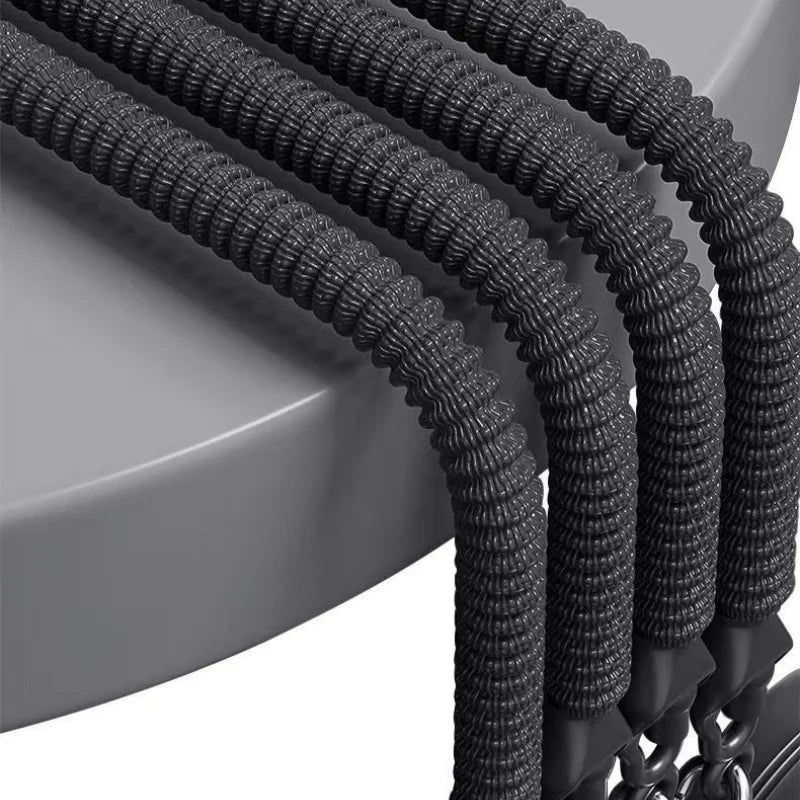
This model combines four elastic resistance tubes with foot pedals and foam-covered handles. Its construction is intended to support pulling and stretching exercises targeting the arms, shoulders, waist, abdomen, and legs.
Verified product specifications:
- Product type: Four-tube pedal resistance trainer.
- Materials: TPE, elastic material, and foam.
- Approximate dimensions: 52 × 26.5 cm.
- Available colors: Black and purple.
- Training areas: Arms, shoulders, waist, abdomen, and legs.
- Suitable users: Men and women.
- Package contents: One pedal tension rope, two handles, and one door anchor.
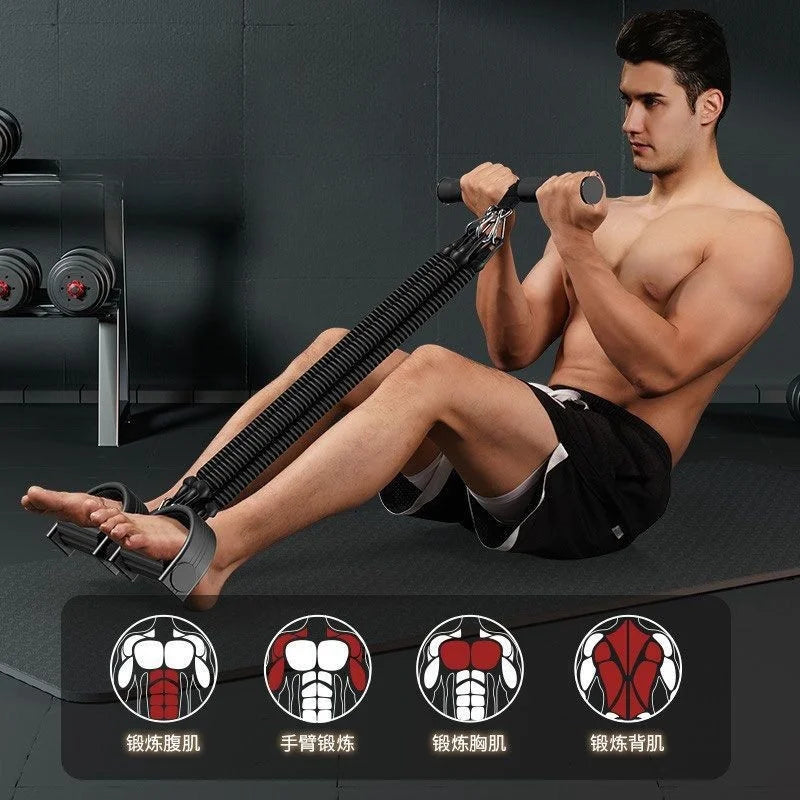
Advantages:
- Four-tube resistance configuration for different pulling and stretching movements.
- Integrated pedals and handles support coordinated upper-body and lower-body exercises.
- Foam-covered handles provide a comfortable gripping surface.
- Compact dimensions make it suitable for convenient home storage.
- Includes a door anchor as part of the package.
Limitations to consider:
- The product description does not specify numerical resistance levels.
- Independent tube adjustment is not confirmed in the available specifications.
- Product weight is not provided.
- Its elastic resistance system is not equivalent to heavy dumbbells or weight machines.
This model may suit beginners, casual home exercisers, and people who want a compact training accessory without bulky equipment. Its four-tube construction offers a convenient starting point for varied resistance exercises, provided the fixed resistance configuration matches your needs.
Before ordering, review the four-tube pedal resistance trainer specifications to confirm that its dimensions, included accessories, and construction are appropriate for your workout routine.
What Exercises Can You Do With a Lightweight Pedal Tension Rope?
A pedal resistance rope can support several basic movements when used with appropriate positioning. The following examples illustrate practical ways to train different muscle groups without needing a complete home gym.
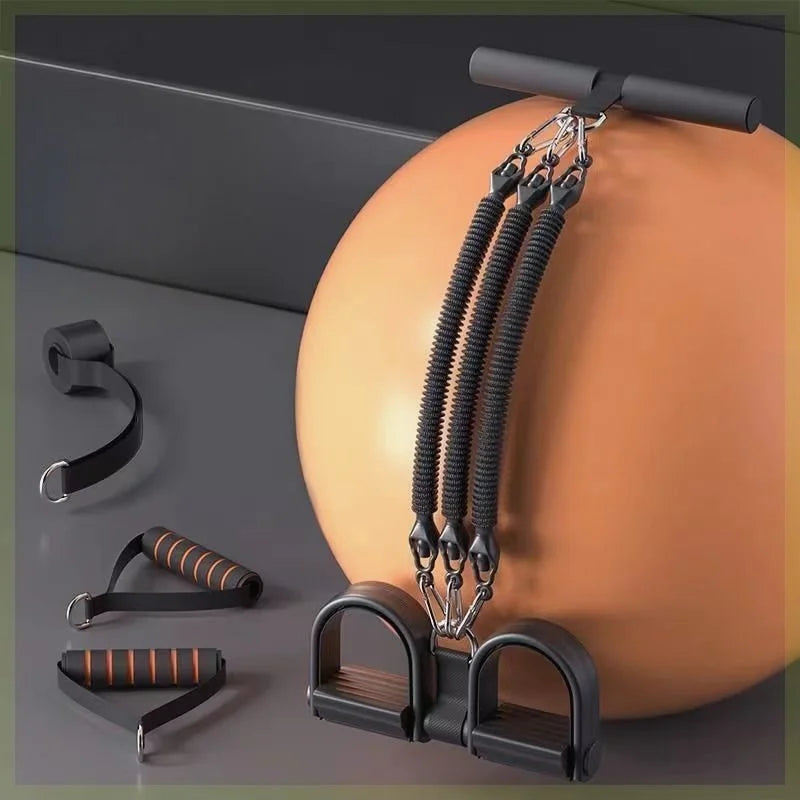
Upper-Body Exercises
Seated biceps curls: Sit upright with both feet positioned securely against the pedals. Hold the handles with your palms facing upward. Slowly bend your elbows to bring your hands toward your shoulders, then return to the starting position.
Shoulder presses: Position the pedals securely under your feet and hold the handles near shoulder height. Press your hands upward only through a comfortable range of motion, then lower them slowly. Avoid forcing your shoulders into an uncomfortable position.
Seated resistance rows: Sit with your legs comfortably positioned and pull the handles toward your torso. Keep your back neutral and elbows controlled. This movement can engage the upper back and arm muscles.
Lower-Body Exercises
Seated leg extensions: Sit securely and position the equipment according to its intended design. Extend one leg against manageable resistance, then return slowly. Avoid locking the knee or forcing the movement.
Controlled leg presses: With your feet securely positioned, extend your legs against the elastic tension and gradually return to the starting position. Use a comfortable range of motion and maintain stable positioning throughout.
These movements can help introduce resistance into lower-body routines, although a pedal tension rope does not provide the same loading options as dedicated leg-training machines.
Core and Abdominal Exercises
Seated abdominal contractions: Sit upright, gently engage your abdominal muscles, and maintain a stable torso while performing a controlled resistance movement. Avoid rounding your lower back excessively.
Controlled seated pulls: Hold the handles and perform slow pulling movements while keeping your torso stable. Your abdominal muscles help maintain posture as your arms move against resistance.
These exercises can contribute to core-strengthening routines, but they do not specifically burn abdominal fat. Changes in body composition depend on broader factors, including nutrition, physical activity, and individual physiology.
How to Build a Simple Beginner Home Workout
A beginner routine can include a small number of movements without requiring an extended workout session. Start with manageable resistance and adjust repetitions according to your ability.
- Warm-up: Spend approximately five minutes performing gentle movements for your shoulders, arms, hips, and legs.
- Seated biceps curls: Complete 8–10 controlled repetitions.
- Seated resistance rows: Complete 8–10 repetitions.
- Controlled leg presses: Complete 8–10 repetitions.
- Seated core contractions: Perform 8–10 controlled repetitions.
- Rest: Take approximately 30–60 seconds between exercises, or longer if needed.
- Cool-down: Finish with gentle, comfortable movements.
One circuit is enough when you are learning the equipment. As your technique and comfort improve, you can gradually increase the number of repetitions or add another circuit if appropriate.
Safety, Maintenance, and Storage Tips for Pedal Resistance Equipment
Elastic resistance equipment is relatively simple, but proper handling is important. Damaged tubes, loose attachments, unstable pedals, and uncontrolled movements can create avoidable risks.
How to Use Resistance Tubes Safely
- Inspect the tubes, handles, pedals, and connection points before every workout.
- Check that both feet are positioned securely before beginning a movement.
- Start with manageable tension rather than stretching the tubes to their maximum.
- Use smooth movements instead of jerking or suddenly releasing the handles.
- Keep stretched resistance tubes away from your face and other people.
- Stop immediately if you notice unusual noises, slipping connections, visible damage, or discomfort.
- Follow the manufacturer's instructions when using the included door anchor.
If you use a door anchor, make sure the door and attachment arrangement are suitable for the intended resistance. Do not assume that every door can safely support resistance training.
How to Maintain Elastic Resistance Tubing
Regular inspection and appropriate storage can help keep resistance equipment in usable condition.
- Clean the equipment according to the manufacturer's care instructions.
- Allow the tubes and handles to dry before putting them away.
- Avoid contact with sharp objects, abrasive surfaces, and chemicals that may damage elastic materials.
- Keep the resistance tubes away from excessive heat.
- Replace equipment if you notice cracks, tears, unusual stretching, or deteriorating connection points.
How to Store a Lightweight Pedal Tension Rope
Store your resistance trainer in a clean, dry location away from direct sunlight. Avoid leaving the tubes stretched for long periods or storing them under heavy objects.
Arrange the handles and pedals neatly to prevent tangling. A small storage container or drawer can keep the equipment accessible without occupying valuable living space.
Small-Space Buyer Checklist: What to Confirm Before Ordering
Before buying a lightweight pedal tension rope for home workouts, check the product details carefully. A compact design is useful, but the equipment must also provide suitable resistance, comfortable contact points, and reliable construction.
Check These 8 Details Before You Buy
- Resistance suitability: Does the resistance configuration match your experience and exercise goals?
- Tubing material: Are the elastic materials clearly identified?
- Pedal grip: Do the pedals provide suitable foot support and a stable contact surface?
- Handle comfort: Are the handles padded and comfortable to hold?
- Adjustability: Can the resistance or tube configuration be changed if necessary?
- Dimensions: Will the equipment fit your available storage space?
- Total weight: Is the product lightweight enough for your intended use and travel requirements?
- Storage requirements: Can the equipment be stored without stretching or damaging the tubes?
Red Flags to Avoid When Comparing Products
Be cautious when product listings make broad performance promises without providing meaningful specifications. Missing resistance information, unclear material descriptions, weak-looking connections, and poorly explained attachment systems can make it difficult to evaluate a product.
Also be careful with claims that a compact resistance rope can replace every piece of gym equipment. Although it supports several exercise variations, it has practical limitations in resistance capacity, movement selection, and progression.
For additional home-use equipment ideas, you can browse the Kentdo Lifestyle collection. If you have already confirmed that a four-tube resistance system fits your requirements, review the Kentdo pedal resistance band for its complete product specifications and included accessories.
Final Thoughts: Is a Lightweight Pedal Tension Rope Worth Buying?
A lightweight pedal tension rope for home exercise can be a useful addition to a compact fitness routine, particularly when storage space, portability, and convenience are important. Its combination of elastic tubes, foot pedals, and hand grips supports a variety of pulling, pressing, and stretching movements without requiring bulky exercise machines.
The best choice depends on your actual training needs. Beginners should prioritize comfortable handles and manageable resistance. Regular exercisers should evaluate resistance progression and construction quality. Apartment residents and travelers may benefit most from compact dimensions and convenient storage.
The Kentdo Pedal Resistance Band – 4-Tube Full Body Workout Trainer is worth considering if you want an integrated four-tube system with foam-covered handles, foot pedals, and a compact design. Its stated specifications make it a practical option for everyday resistance exercises, although buyers should account for its unspecified numerical resistance levels and product weight.
Ultimately, choose equipment that supports the movements you enjoy, fits your available space, and allows you to exercise with controlled technique. If this type of compact resistance trainer matches your requirements, explore the four-tube pedal resistance band and review its specifications before adding it to your home workout setup.
Pillar Article: Adjustable Pedal Resistance Workout Equipment: Buying Guide & Exercises