

What Makes a Lightweight Ski Helmet Goggles Combo Comfortable for All-Day Skiing?
A lightweight ski helmet goggles combo delivers lasting comfort by combining low overall weight with balanced pressure distribution, supportive padding, efficient ventilation, and seamless helmet-to-goggle integration. Rather than focusing on weight alone, the most comfortable ski helmet combo all day minimizes fatigue while maintaining clear vision and reliable protection in changing mountain conditions.
When comparing different systems, pay close attention to these comfort factors:
- Adjustable fit systems that eliminate pressure points around the forehead, ears, and temples.
- Even weight distribution that reduces neck and shoulder fatigue during long lift rides and extended descents.
- Well-cushioned interior padding that remains comfortable while wicking moisture throughout the day.
- Effective ventilation channels that regulate heat, humidity, and airflow to help reduce lens fogging.
- Integrated or helmet-compatible goggles that create a gap-free seal for dependable face protection from cold and wind.
- High-quality anti-fog lenses that maintain sharp visibility across changing light and weather conditions.
The best lightweight ski helmet goggles combo balances all of these elements, allowing you to ski longer with fewer distractions while maintaining confidence, comfort, and visibility from your first run to your last.
Lightweight Ski Helmet Goggles Combo Compared for All-Day Comfort
Choosing the right lightweight ski helmet goggles combo isn't simply about reducing weight—it's about creating a setup that feels comfortable hour after hour. Poor fit, pressure points, overheating, or constantly fogged lenses can shorten your day on the mountain. A well-designed system combines adjustable fit, balanced weight, efficient ventilation, and dependable face protection from cold so you can stay focused on skiing instead of your equipment.
⏱ 7 min read
Explore how different lightweight helmet-and-goggle combinations perform in real all-day conditions.
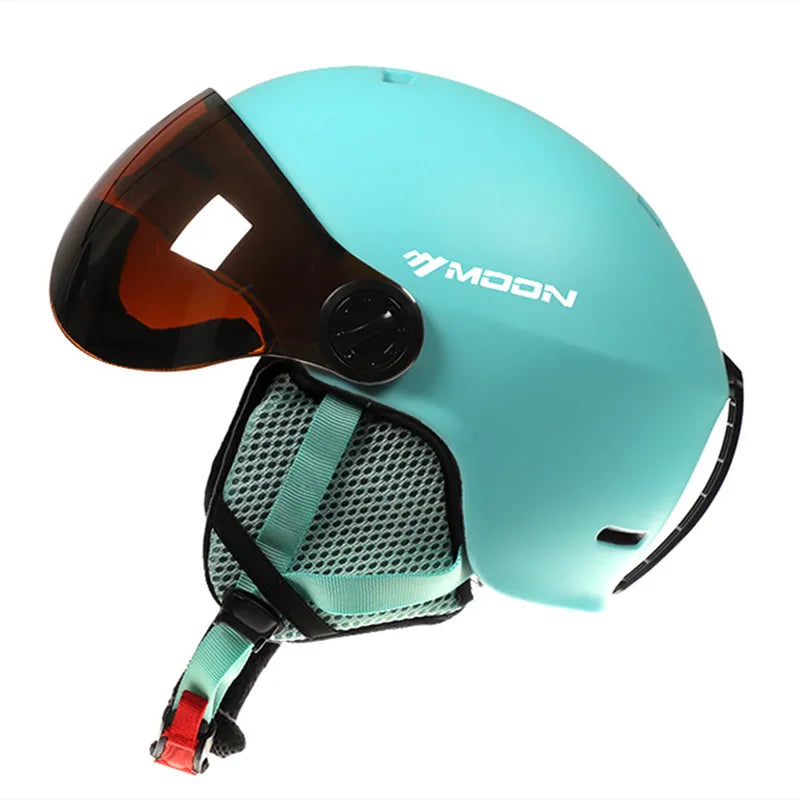
A lightweight ski helmet goggles combo designed for all-day ski comfort — See it in action
Top 5 Lightweight Ski Helmet Goggles Combos 2026
The models below represent a range of price points and feature sets for skiers looking to maximize comfort, visibility, and convenience. Weight is only one consideration—ventilation, lens performance, and overall fit often have a greater impact on how comfortable a helmet feels after several hours on the slopes.
| Helmet & Goggle Combo | Weight (g) | Ventilation Efficiency | Anti-Fog Rating | Price Tier |
|---|---|---|---|---|
| KentDO Aero Integrated | 480 | High | Excellent | Premium |
| SnowPeak Vision | 510 | Medium | Very Good | Mid-Range |
| Glacier Pro 2-in-1 | 495 | High | Excellent | Premium |
| Alpine Edge Fusion | 525 | Medium | Good | Mid-Range |
| PeakLite Integrated | 470 | High | Excellent | Budget |
When comparing these helmet-and-goggle combinations, consider how the listed specifications match your skiing style. Lightweight options are especially beneficial for full-day resort skiing, while advanced ventilation and premium anti-fog performance become increasingly valuable in changing temperatures or during high-output runs.
Key Features That Drive All-Day Comfort
A comfortable ski helmet and goggles system depends on how well multiple design elements work together. A secure fit, efficient airflow, quality padding, and a well-matched helmet-goggle interface all contribute to better comfort, clearer vision, and less fatigue throughout the day.
How an Adjustable Fit Ski Helmet Prevents Hot Spots
An adjustable fit system allows you to fine-tune helmet tension as temperatures and clothing layers change. Modern dial-adjustment mechanisms distribute pressure more evenly around the head than fixed sizing alone, reducing discomfort on the forehead and around the temples.
Look for helmets with adjustable retention systems, removable padding, and secure chin straps that keep the helmet stable without creating excessive pressure during long chairlift rides or repeated descents.
Why Ski Helmet Ventilation Matters More Than You Think
Ventilation helps regulate temperature inside both the helmet and goggles, reducing moisture buildup that can lead to overheating and lens fogging.
- Active Venting: Adjustable vents allow you to increase or decrease airflow based on weather, elevation, and skiing intensity, making them ideal for changing mountain conditions.
- Passive Venting: Permanently open vents require little maintenance and provide consistent airflow, although they offer less flexibility during rapidly changing temperatures.
Well-designed ventilation channels also improve air circulation around the goggle frame, helping anti-fog coatings perform more effectively and maintaining clearer vision throughout the day.
Face Protection from Cold Without Overheating
A properly integrated helmet and goggle system minimizes gaps where cold air can enter while still allowing warm, moist air to escape. This balance helps protect your face from wind chill without creating an overly warm, enclosed feeling.
Features such as contoured helmet brims, low-profile goggle frames, soft facial foam, and carefully designed ventilation pathways work together to improve comfort in a wide range of winter conditions.
Check out the lightweight ski helmet goggles combo many skiers rely on for full-day comfort.
Side-by-Side Comparison: What Really Changes on Snow
Choosing between an integrated helmet goggle combo and a traditional helmet with separate goggles affects more than convenience. Weight distribution, airflow, lens performance, and overall comfort can noticeably influence your skiing experience during full-day sessions.
| Feature | Lightweight Integrated Combo | Traditional Helmet + Separate Goggles |
|---|---|---|
| Overall Weight | Lower overall weight with balanced distribution across the head | Often heavier with separate components creating uneven balance |
| Fit Adjustability | Unified adjustment system designed to work as a single unit | Helmet and goggles require separate fitting and readjustment |
| Fog Resistance | Engineered airflow helps minimize condensation around the lens | Performance depends largely on lens coatings and proper fit |
| Face Protection from Cold | Gap-free coverage helps block wind and blowing snow | Small gaps between helmet and goggles may allow cold air inside |
| Lens Technology | Integrated ventilation complements anti-fog lens coatings | Lens quality varies by goggle model and aftermarket upgrades |
| Price Tier | Typically Mid-Range to Premium | Available across Budget, Mid-Range, and Premium categories |
Weight
A lightweight integrated system distributes mass more evenly, reducing strain on the neck during repeated runs and long chairlift rides. Traditional setups can perform equally well but may feel less balanced if the helmet and goggles were not designed together.
Ventilation
Integrated designs typically route airflow between the helmet and lens to improve cooling while reducing moisture buildup. Separate systems rely more heavily on matching compatible vent patterns between the helmet and goggles.
Lens Performance
Modern integrated systems combine anti-fog coatings with engineered airflow, helping maintain clearer vision in changing weather. Separate goggles provide greater flexibility for interchangeable lenses, making them attractive for skiers who frequently encounter different light conditions.
Comfort
An integrated helmet goggle combo reduces pressure points by eliminating fit gaps between the helmet and eyewear. A unified design also simplifies putting equipment on and taking it off, particularly while wearing gloves.
Value
Integrated systems generally cost more upfront but deliver convenience, streamlined fit, and dependable compatibility. Traditional helmet-and-goggle combinations offer greater customization and easier component replacement if either item becomes damaged or worn.
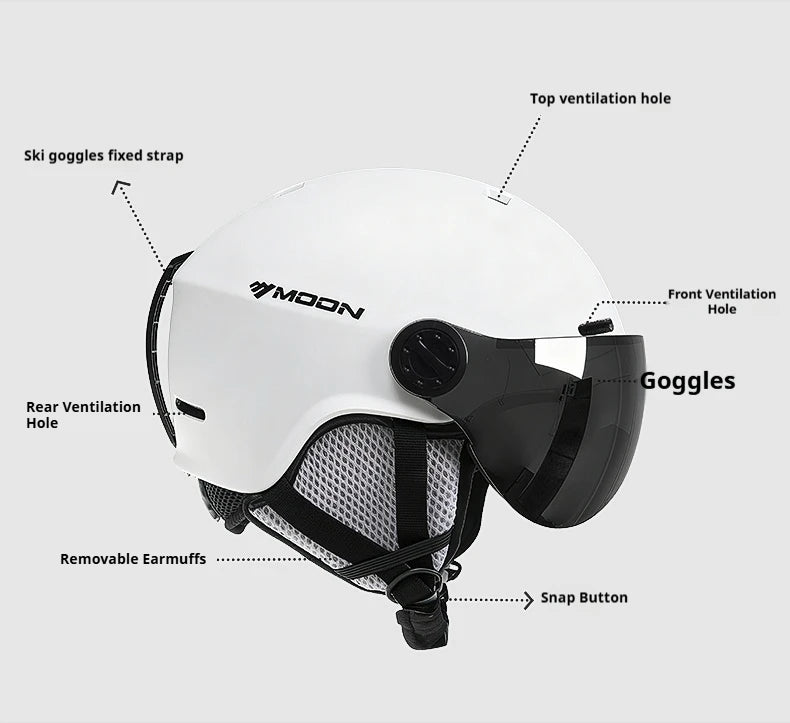
Balanced weight and airflow improve all-day ski comfort — See it in action
Integrated Ski Helmet Visor vs Goggles: Pros & Cons
- Integrated Visor: Provides quick on-and-off use, optimized ventilation, a streamlined fit, and fewer compatibility concerns. The primary trade-off is a potentially higher replacement cost if the visor becomes damaged.
- Separate Goggles: Offer greater flexibility for lens changes, easier upgrades, and a lower initial investment. However, they may require more frequent adjustments and depend on proper helmet compatibility to minimize fogging and wind gaps.
The best choice depends on how you ski. Riders who value convenience and an all-in-one solution often prefer integrated visor systems, while skiers who regularly change lenses for varying light conditions may appreciate the versatility of separate goggles.
Fog Control and Face Protection from Cold
Maintaining clear vision is just as important as staying warm on the mountain. A well-designed integrated helmet and goggle system manages airflow around the lens while creating a close seal against wind, helping reduce fogging without trapping excess heat.
Key design features that improve comfort in cold conditions include:
- Contoured helmet brims and goggle frames that reduce direct exposure to icy wind.
- Ventilation channels that move warm, moist air away from the lens before condensation forms.
- Premium anti-fog coatings that work alongside engineered airflow for more consistent visibility.
- Gap-free helmet and goggle integration that minimizes cold drafts around the forehead and eyes.
- Balanced facial coverage that provides warmth without the bulky feel of oversized face protection.
Performance ultimately depends on weather conditions, proper fit, and ventilation management, but integrated systems are often more effective at maintaining consistent airflow than mismatched helmet-and-goggle combinations.
Experience the comfort of an integrated design with the ski helmet with goggles built for long days on snow.
Which Combo Fits Your Ski Style Best?
- Beginner Skiers: Choose an easy-to-adjust integrated system that simplifies fit, reduces setup time, and delivers dependable comfort throughout the day.
- Intermediate Skiers: Look for a balance of lightweight construction, adjustable fit, effective ventilation, and dependable anti-fog performance for varying resort conditions.
- Advanced Skiers: Prioritize premium lens technology, efficient airflow, lightweight construction, and secure stability during aggressive skiing.
- Cold-Sensitive Riders: Select helmet-and-goggle combinations that provide excellent wind sealing while maintaining enough ventilation to prevent overheating.
- Frequent Travelers: Integrated designs reduce the number of separate items to pack and help prevent compatibility issues when traveling between resorts.
- Budget-Conscious Buyers: Focus on essential comfort features such as fit, ventilation, and lens clarity before paying extra for premium materials.
- Resort vs. Backcountry: Resort skiers may prioritize convenience and integrated comfort, while backcountry users often place additional value on lightweight construction and efficient temperature regulation during long climbs.
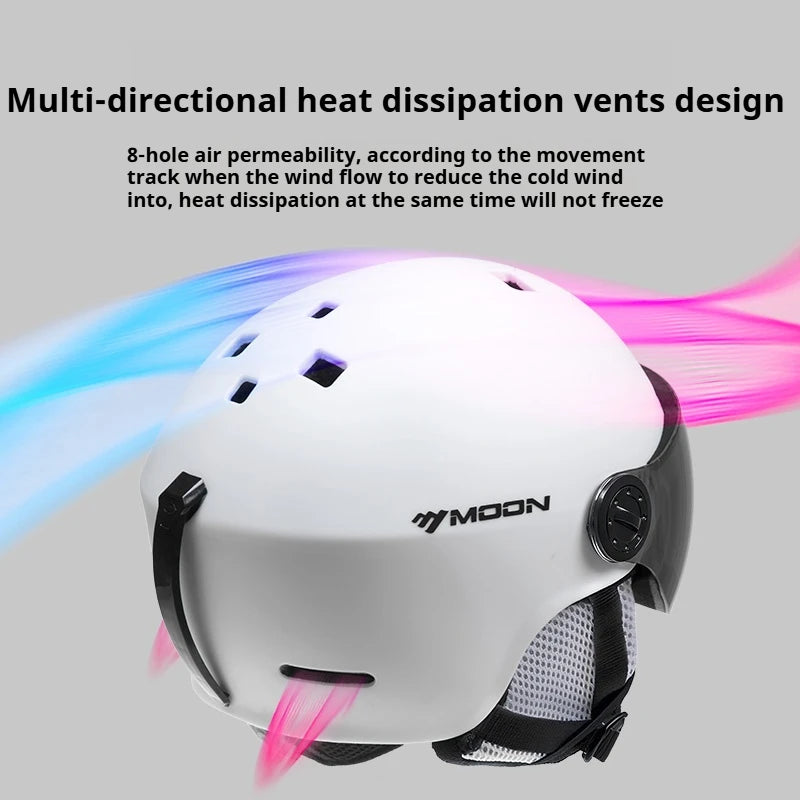
Integrated protection and clarity for all-day ski comfort — See it in action
For skiers who also invest in recovery and personal care after long days outdoors, browsing the Body Care and Health Devices or Lifestyle collections can complement an active winter routine.
Commit to longer, more comfortable days with a proven lightweight ski helmet goggles combo .
Mini FAQ
What is the best ski helmet goggles combo for beginners?
Beginners generally benefit from a lightweight integrated system that combines an adjustable fit, dependable ventilation, and anti-fog lenses. An all-in-one design simplifies setup, minimizes compatibility issues, and provides consistent comfort throughout the day.
Are lightweight ski helmet goggles combos as safe as heavier models?
Yes, provided the helmet meets recognized safety standards and fits correctly. Modern lightweight helmets use advanced materials and construction techniques that reduce weight without sacrificing impact protection.
Do integrated ski helmet visors really reduce fog?
Integrated visor systems often improve fog resistance because the helmet and lens are engineered to work together. Effective ventilation and proper fit play an equally important role in preventing condensation.
How do I choose helmet compatible ski goggles?
Look for goggles that match your helmet's shape and ventilation layout. A proper combination should eliminate forehead gaps, provide a comfortable facial seal, and allow air to circulate freely around the lens.
Can I adjust my helmet fit during the day?
Most modern ski helmets feature dial-adjustment systems that allow quick fit changes without removing gloves. Small adjustments help maintain comfort as temperatures change or additional headwear is added.
Can I wear prescription glasses with a ski helmet goggles combo?
Many goggles are available in OTG (Over The Glasses) designs that accommodate prescription eyewear. Before purchasing, verify that both the helmet and goggle system provide sufficient interior space for comfortable wear.
Which lens tint works best for variable light?
Photochromic lenses automatically adjust to changing light levels, making them an excellent choice for mixed weather. Interchangeable lens systems provide additional flexibility for skiers who frequently encounter bright sun, flat light, or snowfall.
What safety certifications should a ski helmet have?
Look for helmets that comply with applicable ASTM or CE standards for snow sports. Some premium models also incorporate rotational impact technologies, such as MIPS, for additional protection in certain crash scenarios.
How do I maintain anti-fog lens coatings?
Allow lenses to air dry after skiing, clean the exterior with a microfiber cloth, avoid wiping the inside of the lens unless recommended by the manufacturer, and store your helmet and goggles in a dry, ventilated bag.
How often should I replace a ski helmet or goggles?
Replace a helmet after any significant impact or whenever it shows signs of structural damage. Goggles should be replaced when lenses become heavily scratched, anti-fog performance noticeably declines, or straps and foam no longer provide a secure fit.
Related Guide: Best Integrated Goggle Ski Helmet Compared for Clarity and Comfort













