

How Long Do Handheld Vacuum Cleaners Last?
Most handheld vacuum cleaners last 3–7 years , while the battery typically lasts 2–4 years or around 300–500 charging cycles . Actual lifespan depends on battery quality, motor durability, cleaning frequency, and maintenance.
Average Handheld Vacuum Lifespan
A quality cordless handheld vacuum used for routine household cleaning can provide years of reliable service. Premium models with brushless motors and lithium-ion batteries generally outlast budget models because they generate less heat and maintain performance longer.
- Occasional use (1–2 times weekly): 5–7 years
- Regular household use: 4–6 years
- Daily heavy use: 3–5 years
Battery Lifespan vs Overall Vacuum Lifespan
The battery usually reaches the end of its useful life before the vacuum itself. Many cordless models allow battery replacement, extending the life of the appliance without replacing the motor or accessories.
If runtime has fallen noticeably but suction remains strong while plugged into a fresh battery, replacing the battery is often more economical than purchasing a new vacuum.
Real Battery Life: Runtime vs Manufacturer Claims
Standard Mode vs Max Mode
Handheld vacuum cleaner battery life varies significantly depending on the selected power mode. Across multiple cordless handheld vacuum tests, the following ranges are typical:
- Standard mode: 22–35 minutes
- Eco mode: Up to 40–45 minutes on premium models
- Max mode: 8–12 minutes
Maximum suction delivers better pickup for embedded debris but can drain the battery nearly three times faster than standard mode.
Real Home Cleaning Results
Manufacturer runtime claims are usually measured under ideal laboratory conditions. During real household cleaning, cordless handheld vacuum battery life is commonly 10–20% shorter because the motor works harder on carpets, pet hair, upholstery, and uneven surfaces.
Common factors affecting handheld vacuum run time include:
- Motorized brush attachments
- High suction settings
- Clogged filters restricting airflow
- Large debris or dense pet hair
- Frequent stop-and-start operation
⏱ 6 min read
Long Battery Handheld Vacuum Cleaner Real User Results
Ever started a quick clean-up only to have your vacuum die halfway through? It's frustrating, especially with pet hair on the couch or crumbs in the car. Battery runtime is one of the biggest factors affecting everyday convenience, but overall lifespan matters just as much. This guide explains how long handheld vacuum cleaners really last, what shortens battery life, and how to keep a cordless model performing at its best.
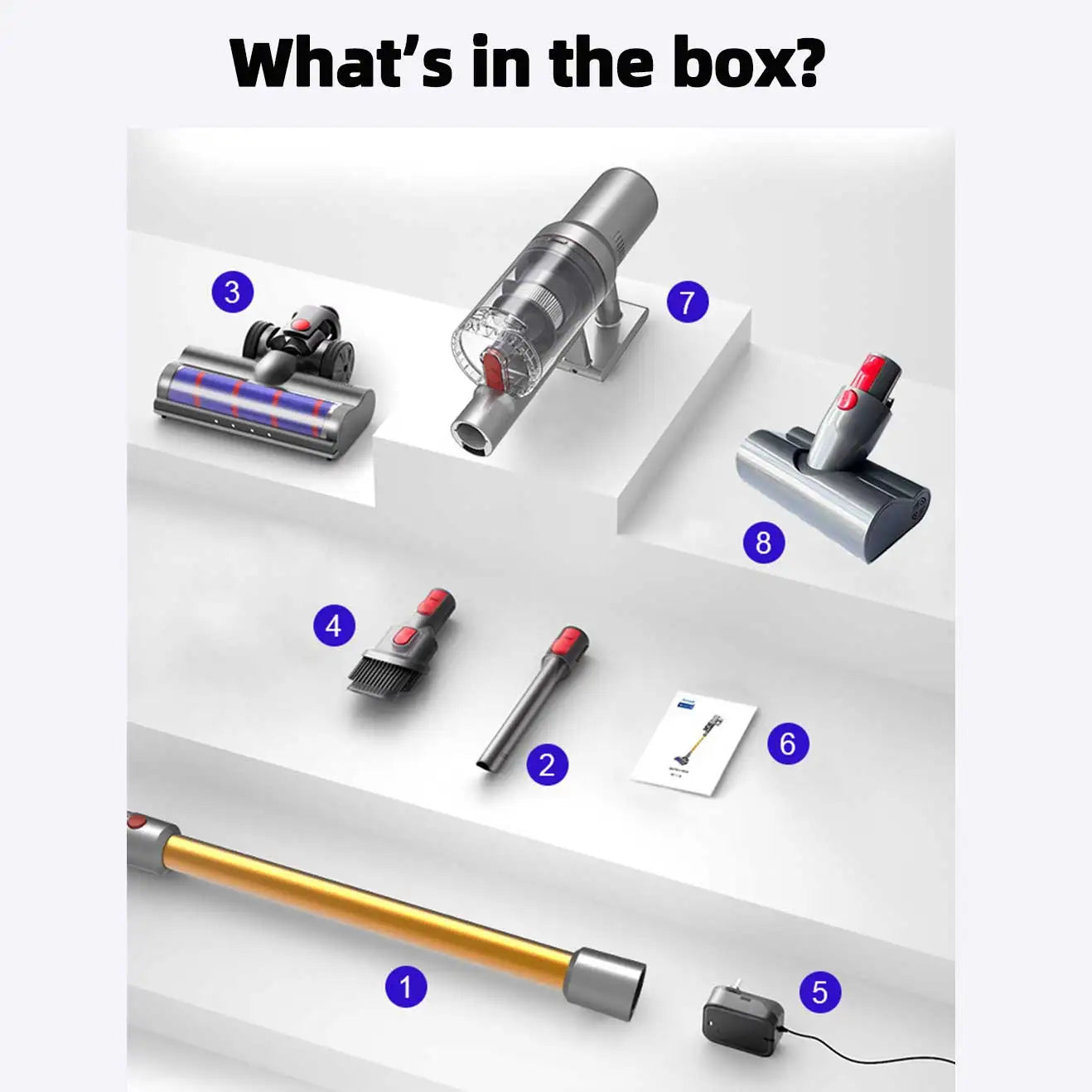
Long battery handheld vacuum cleaner in action — see it in action
Battery Types: Lithium-Ion vs NiMH
Expected Lifespan
Lithium-ion batteries have become the standard for modern handheld vacuums because they provide longer runtime, lighter weight, and slower performance degradation. With proper care, most lithium-ion packs deliver 2–4 years of dependable service before noticeable capacity loss.
NiMH batteries remain available in some entry-level models but generally have shorter cycle life, greater self-discharge, and declining suction as battery charge drops.
Charging Efficiency
Lithium-ion batteries recharge faster, hold their charge longer during storage, and do not suffer from the traditional memory effect associated with older battery technologies.
- Lithium-ion: Faster charging, stable voltage, longer cycle life
- NiMH: Slower charging, heavier, more gradual power loss
What Determines How Long a Handheld Vacuum Lasts?
Battery Chemistry
Higher-quality lithium-ion cells maintain portable vacuum battery performance through hundreds of charge cycles. Inferior battery cells lose capacity faster, shortening cordless vacuum battery duration over time.
Motor Quality
Brushless digital motors generally generate less friction and heat than traditional brushed motors, contributing to better long-term reliability and more consistent suction.
Usage Frequency
Using a handheld vacuum daily naturally increases battery cycles and mechanical wear. Moderate household use places far less stress on both the motor and battery.
Maintenance Habits
Regularly emptying the dustbin, cleaning filters, and removing tangled hair from the brush roll reduces airflow restriction and prevents unnecessary strain on the motor.
What Shortens Handheld Vacuum Lifespan?
High-Power Mode
Constant use of maximum suction creates additional heat, increasing battery stress and reducing available runtime.
Clogged Filters
Dirty filters restrict airflow, forcing the motor to work harder while reducing cleaning efficiency.
Dust Bin Overload
Operating with an overfilled dust container decreases airflow and can increase wear on internal components.
Poor Charging Habits
Leaving the battery completely discharged for extended periods, exposing it to excessive heat, or storing it fully depleted can shorten handheld vacuum cleaner battery life.
How to Extend Handheld Vacuum Battery Life
Charging Best Practices
- Recharge after normal cleaning instead of repeatedly draining the battery completely.
- Avoid storing the vacuum in very hot garages or freezing temperatures.
- Use the original charger whenever possible.
Filter and Brush Maintenance
- Wash or replace filters as recommended.
- Remove wrapped hair from rotating brushes.
- Empty the dust bin before it becomes completely full.
Proper Storage
Store the vacuum indoors in a cool, dry location. Long periods of storage are best with a partially charged lithium-ion battery rather than fully empty.
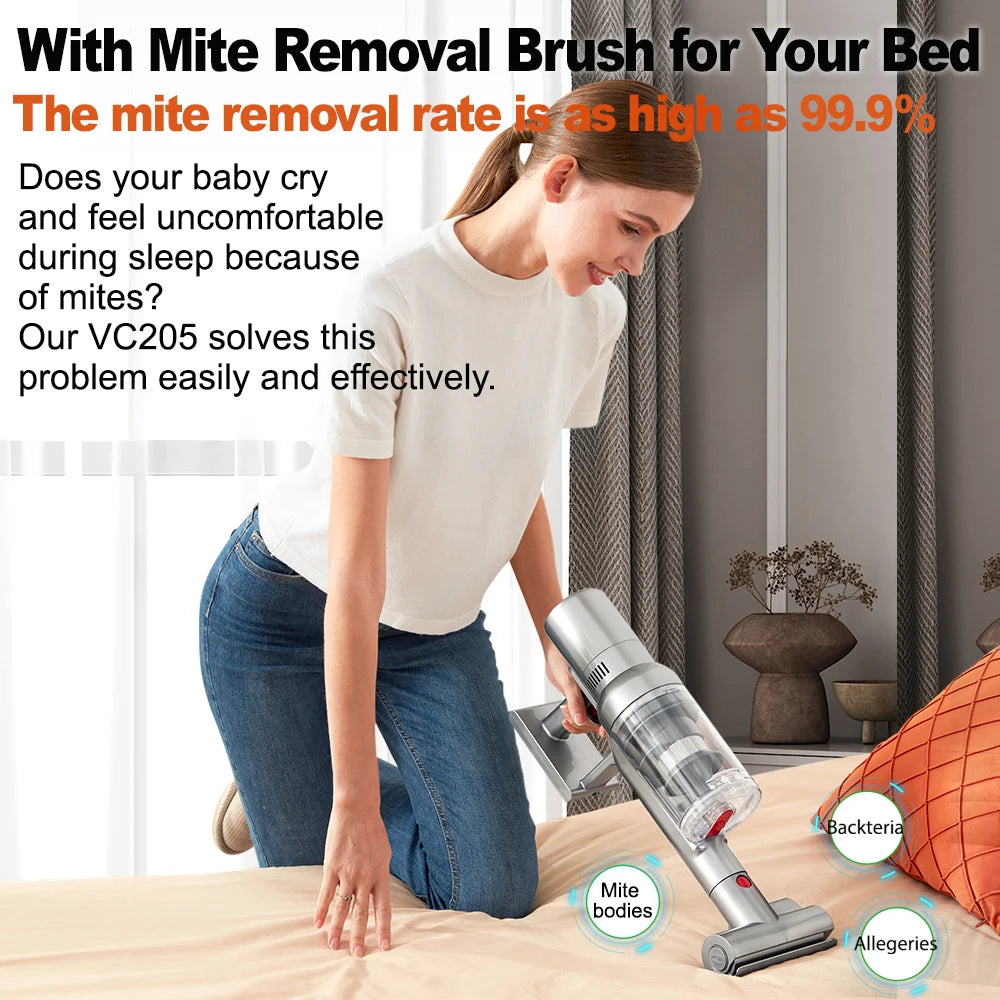
Long battery life cordless vacuum for cars, stairs, and pet hair — see it in action
Signs It's Time to Replace the Battery or Vacuum
Battery Replacement Indicators
- Runtime drops below half of its original duration.
- The battery requires charging after only a few minutes of use.
- The vacuum shuts off despite indicating remaining charge.
- Charging time becomes unusually long.
Motor Failure Signs
- Persistent loss of suction despite clean filters.
- Unusual grinding or burning smells.
- Motor overheating during light cleaning.
Repair vs Replacement
If only the battery has deteriorated and replacement batteries cost less than half the price of a comparable new model, replacing the battery is often worthwhile. However, if both battery performance and motor efficiency have declined, upgrading usually provides better long-term value.
Handheld Vacuum Lifespan Comparison
| Usage Type | Expected Battery Life | Expected Vacuum Lifespan |
|---|---|---|
| Occasional household use | 3–4 years | 5–7 years |
| Regular weekly cleaning | 2–4 years | 4–6 years |
| Daily heavy cleaning | 2–3 years | 3–5 years |
| Premium lithium-ion models | Longest runtime retention | Typically longest overall lifespan |
Charging Time and Long-Term Ownership
Typical Charging Times
Charging time depends on battery capacity and charger output.
- Fast-charging premium models: 1.5–2.5 hours
- Most household models: 2–4 hours
- Entry-level models: Up to 5 hours
How Charging Affects Lifespan
Frequent charging itself does not significantly damage modern lithium-ion batteries. Instead, excessive heat, poor storage conditions, and repeated deep discharges contribute more to long-term battery wear than everyday charging.
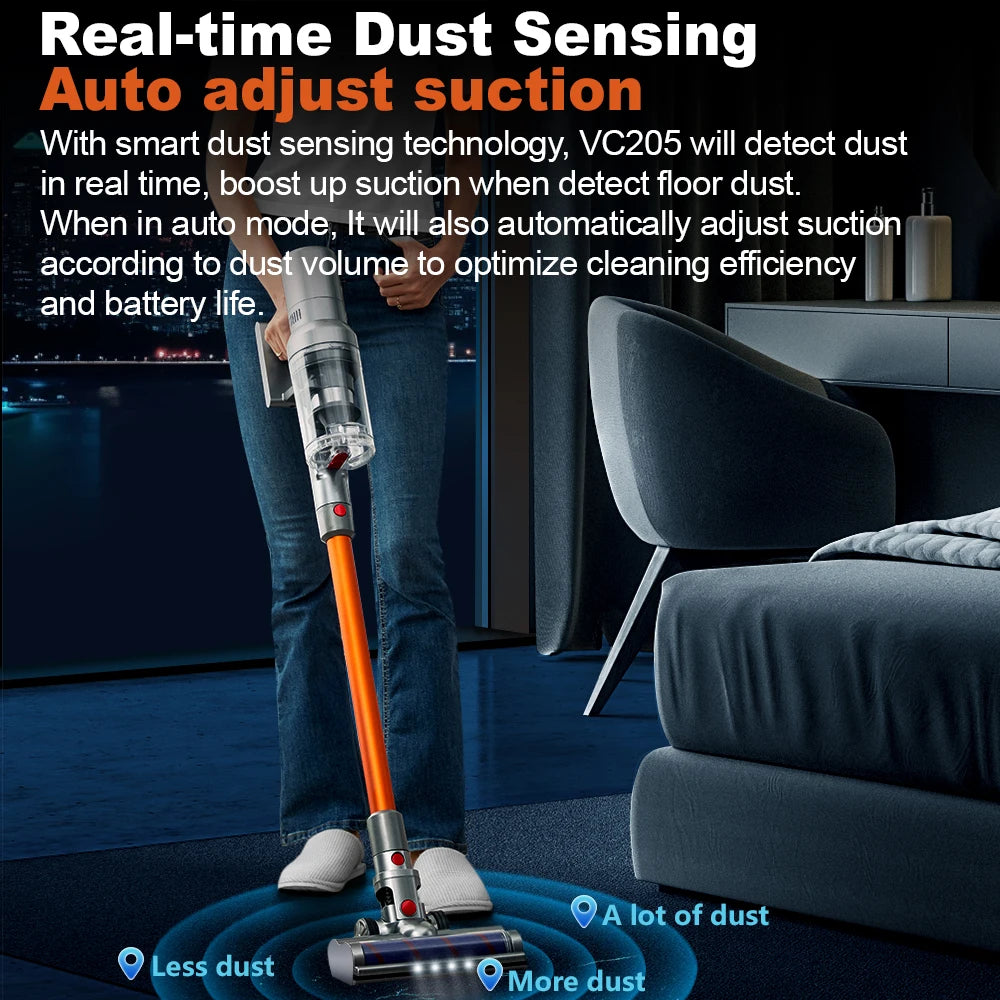
Cordless battery vacuum cleaner for fast everyday cleaning — see it in action
If you're considering a purchase, visiting the product page is the fastest way to review specifications, warranty details, and customer photos: see product listing .
Frequently Asked Questions
How long do handheld vacuum cleaners typically last?
Most quality handheld vacuum cleaners last between 3 and 7 years depending on build quality, maintenance, and frequency of use.
How many years does a handheld vacuum battery last?
Lithium-ion batteries generally last 2–4 years or approximately 300–500 complete charging cycles before capacity noticeably declines.
Can you replace a handheld vacuum battery?
Yes. Many cordless handheld vacuums have replaceable batteries, making battery replacement a cost-effective way to extend the appliance's lifespan.
Do cordless handheld vacuums wear out faster?
Not necessarily. Premium cordless models with quality lithium-ion batteries and brushless motors can last as long as many corded alternatives when properly maintained.
How can I extend my handheld vacuum battery life?
Clean filters regularly, avoid unnecessary use of maximum power, store the vacuum in a cool, dry place, and prevent the battery from remaining completely discharged for extended periods.
Does frequent charging damage a handheld vacuum battery?
No. Modern lithium-ion batteries are designed for frequent charging. Heat exposure and deep discharge are much more harmful than topping up the battery after normal cleaning.
Related Guide: Vacuum Cleaner With Powerful Suction Honest Brand Review













