

Does a Heated Jacket With Long Battery Life Really Keep You Warm All Night?
Yes—under the right conditions. A heated jacket with long battery life can provide reliable warmth throughout an evening outdoors, but overnight performance depends on battery capacity, insulation, heat settings, and the surrounding temperature. While many manufacturers advertise up to 10–12 hours of runtime, real-world use in freezing weather is typically lower because lithium batteries lose efficiency in the cold.
The best battery powered heated jackets combine high-capacity rechargeable battery packs, efficient carbon-fiber heating elements, and insulated construction to reduce battery drain in cold weather. Using medium heat instead of maximum output and keeping the battery pack protected from freezing temperatures can significantly extend operating time during winter hiking, camping, and outdoor work.
Long Lasting Battery Heated Jacket for Hiking and Camping
Best Heated Jackets With Long Battery Life (2026)
Choosing the best heated jacket battery life involves more than comparing battery size. A quality rechargeable heated jacket should balance battery capacity, heating efficiency, insulation, weight, and comfort to deliver dependable warmth on long hikes, overnight camping trips, and everyday winter use.
For most outdoor users, the longest lasting heated jacket battery is found in models that pair 10,000–12,000 mAh battery packs with efficient heating zones and weather-resistant insulation rather than relying solely on oversized batteries.
Quick Comparison Table: Battery Life, Capacity, Weight, and Heating Zones
| Heated Jacket | Battery Capacity | Weight | Heating Zones | Max Runtime* | Best For |
|---|---|---|---|---|---|
| Model A | 10,000 mAh | Medium | 5 zones | 8–10 hours | All-around hiking |
| Model B | 12,000 mAh | Medium-Heavy | 6 zones | 10–12 hours | Cold-weather camping |
| Model C | 7,500 mAh | Lightweight | 4 zones | 6–8 hours | Budget option |
*Maximum runtime is generally measured on low or eco heat settings. Actual runtime in freezing outdoor conditions is often shorter.
Best Overall Heated Jacket With Long Battery Life
The strongest all-around models combine efficient heating technology, quality insulation, and a 10,000 mAh or larger battery pack. They typically deliver 8–10 hours of practical runtime on medium heat while remaining comfortable enough for hiking, commuting, or extended outdoor activities.
Best Heated Jacket for Winter Hiking
Winter hikers benefit most from lightweight jackets that focus heating around the chest, upper back, and collar without restricting mobility. Efficient heat distribution helps preserve battery life while maintaining core warmth during long climbs and changing weather conditions.
For campers spending long periods inactive, prioritize larger battery packs, better insulation, and longer runtime over minimum weight. These jackets are better suited for evenings around camp, early mornings, and overnight use in cold environments.
Best Budget Rechargeable Heated Jacket
Budget-friendly heated jackets usually feature fewer heating panels and smaller battery packs but still offer dependable warmth for shorter hikes, commuting, and casual winter activities. They provide excellent value when maximum runtime is not essential.
Best Heated Jacket With Swappable Batteries
Some outdoor-focused jackets support removable battery packs, allowing users to carry fully charged spares or compatible USB power banks for extended adventures. This flexibility makes them a practical choice for multi-day hiking and camping trips where access to charging is limited.
⏱ 7 min read
If you've ever started a winter hike feeling comfortable only to lose heat after sunset, you already know the biggest challenge isn't always insulation—it's battery endurance. A long lasting battery heated jacket promises lightweight, adjustable warmth, but understanding how cold weather affects battery performance is the key to getting the runtime you actually need outdoors.
Long lasting battery heated jacket built for cold trails and campsites — See it in action
How Long Does a Heated Jacket Battery Last in Real Outdoor Conditions?
If you're wondering how long does a heated jacket battery last , the answer depends on battery capacity, power efficiency, outside temperature, wind exposure, and the selected heat level. Manufacturer estimates are typically measured under controlled conditions, while real-world hiking and camping often reduce runtime by 10–30% in freezing weather.
Understanding heated jacket battery pack performance helps set realistic expectations and choose the right model for your outdoor activities.
Battery Capacity (Wh vs mAh) Explained
Most heated jackets advertise battery size in milliamp-hours (mAh), but watt-hours (Wh) provide a better measure of actual energy storage because they account for battery voltage. Higher Wh ratings generally translate into longer heating times when comparing batteries built with similar technology.
- 5,000 mAh: approximately 3–5 hours of practical runtime
- 7,500 mAh: approximately 5–7 hours
- 10,000–12,000 mAh: approximately 8–12 hours depending on heat setting
Battery quality and heating efficiency are just as important as capacity. A well-designed heating system often outperforms a larger battery paired with inefficient heating elements.
Runtime at Low, Medium, and High Heat
Heat level has the greatest influence on battery life. High mode delivers rapid warmth but consumes significantly more power, while medium settings typically provide the best balance between comfort and endurance.
- Low: Longest runtime with steady background warmth.
- Medium: Ideal for hiking, backpacking, and all-day outdoor activities.
- High: Best reserved for warming up quickly or during extended stationary periods.
Temperature Impact on Runtime
Cold temperatures reduce lithium-ion battery efficiency, meaning a battery that lasts 10 hours on a cool autumn day may provide noticeably less runtime during sub-freezing winter conditions. Wind chill, moisture, and repeated use of high heat further increase energy consumption.
Many experienced hikers start on high heat briefly before switching to medium once their body temperature stabilizes, helping preserve battery life throughout the day and into the evening.
Recharge Time Expectations
Most rechargeable heated jacket battery packs require approximately 3–6 hours for a full charge, depending on battery capacity and charger output. Charging batteries completely before each trip and carrying a backup power source for extended outings provides the most reliable cold-weather performance.
Why Cold Weather Drains Heated Jacket Batteries Faster
Freezing temperatures are one of the biggest challenges for any battery powered heated jacket for cold weather . Even high-quality lithium-ion batteries temporarily lose available capacity when exposed to low temperatures, causing shorter runtimes, reduced heating output, and the common "battery too cold" issue. Understanding why this happens—and how to minimize it—helps you get the most from every charge.
Lithium-Ion Performance in Freezing Temperatures
Lithium-ion batteries generate electricity through chemical reactions that naturally slow as temperatures fall. The colder the battery becomes, the harder it is for ions to move between electrodes, reducing the amount of usable energy available until the battery warms again.
In practical outdoor use, this means a battery that easily powers a heated jacket for several hours in cool weather may provide noticeably shorter runtime in freezing conditions, especially when operated continuously on high heat.
Temperature is only one factor affecting heated jacket battery performance. Environmental conditions encountered during hiking and camping can further increase energy consumption.
- Strong wind removes heat faster, causing the heating system to work harder.
- Wet clothing or damp outer layers reduce insulation efficiency and increase power demand.
- High elevations often combine colder temperatures with stronger winds, accelerating battery depletion.
- Extended periods of inactivity require higher heat settings to maintain comfort.
How to Reduce Cold-Weather Power Loss
If you're looking for a reliable heated jacket battery drains fast fix , focus on protecting both your body heat and the battery itself. Small adjustments often make a noticeable difference in runtime.
- Keep the battery pocket inside the insulated portion of the jacket whenever possible.
- Use medium heat after warming up instead of leaving the jacket on maximum continuously.
- Add a lightweight windproof shell during severe weather to reduce heat loss.
- Store spare batteries in an inside pocket close to your body until needed.
- Recharge batteries fully before each trip and avoid storing them completely discharged.
Modern heated jackets achieve longer runtimes not only through larger battery packs but also through improved power management and better thermal efficiency, allowing them to maintain comfortable warmth while using energy more effectively.
Real-World Performance for Hiking and Camping
Laboratory runtime figures provide useful comparisons, but field performance depends on terrain, weather, clothing layers, and activity level. Real-world testing shows that the best heated jackets maintain a comfortable core temperature while balancing battery endurance and mobility rather than simply producing maximum heat.
Winter Hiking Results
During active winter hikes, most users achieve the best balance between warmth and battery life by operating their jacket on medium heat. Body movement generates additional warmth, allowing the heating system to supplement insulation instead of replacing it entirely. This approach often delivers enough runtime for full-day hikes with a quality battery pack.
Camping Overnight Results
Camping places greater demands on heated jackets because users spend long periods sitting still after sunset. In these situations, larger battery packs, insulated outer layers, and occasional use of high heat provide the most practical combination of comfort and endurance. Carrying a spare battery or compatible power bank is especially valuable for overnight trips.
Comfort, Weight, and Mobility
Modern heated jackets are designed to add warmth without the bulk of multiple heavy layers. Flexible heating panels, lightweight insulation, and strategically placed battery pockets help preserve freedom of movement whether hiking, setting up camp, photographing wildlife, or working outdoors.
Designed to reduce battery drain in cold weather during extended outdoor adventures — See it in action
Battery Runtime Comparison: What Actually Lasts the Longest
The longest-lasting heated jackets are not always those with the largest batteries. Real-world battery endurance depends on the balance between battery capacity, heating efficiency, insulation quality, and how the jacket manages power output. Efficient heating systems can often outperform larger batteries that consume energy less effectively.
Typical Battery Sizes
- 5,000–7,500 mAh: Lightweight jackets suited to commuting, short hikes, and mild winter conditions.
- 8,000–10,000 mAh: A balanced choice for day hikes, outdoor work, and regular winter activities.
- 10,000–12,000 mAh and above: Designed for extended cold-weather use, overnight camping, and long periods outdoors.
Runtime by Capacity
Actual battery life varies with ambient temperature and heat settings, but these estimates reflect typical outdoor use rather than ideal laboratory testing.
| Battery Capacity | Typical Runtime* | Recommended Use |
|---|---|---|
| 5,000 mAh | 3–5 hours | Commuting and short outings |
| 7,500 mAh | 5–7 hours | Half-day hikes and casual winter activities |
| 10,000 mAh | 7–10 hours | Full-day hiking and outdoor work |
| 12,000 mAh+ | 8–12 hours | Camping and extended cold-weather adventures |
*Estimated runtime assumes mixed use between low and medium heat. Continuous high heat and severe cold can reduce operating time.
Heating Zones vs Power Consumption
Additional heating zones improve comfort but also increase energy demand when operated simultaneously. Jackets that intelligently distribute heat across key areas such as the chest, upper back, and collar typically provide a better balance between warmth and battery efficiency than designs that simply maximize the number of heating panels.
Power Bank and Spare Battery Compatibility
Many heated jackets support compatible USB power sources, making them practical for extended trips away from mains electricity. Carrying a fully charged backup battery or a high-capacity power bank can dramatically increase total heating time during multi-day hiking and camping adventures.
How to Extend Heated Jacket Battery Life
Small changes in how you use a heated jacket can significantly improve runtime without sacrificing comfort. Combining efficient heat settings with good layering practices often delivers more usable warmth than simply carrying a larger battery.
Choosing the Right Heat Level
Start on high heat only long enough to warm your core, then switch to medium or low once comfortable. This strategy reduces unnecessary power consumption while maintaining a consistent body temperature throughout the day.
Layering for Better Efficiency
A moisture-wicking base layer paired with an insulated or windproof outer shell helps retain the heat produced by the jacket. Better insulation means the heating elements cycle less frequently, conserving battery power.
Using Spare Batteries and Power Banks
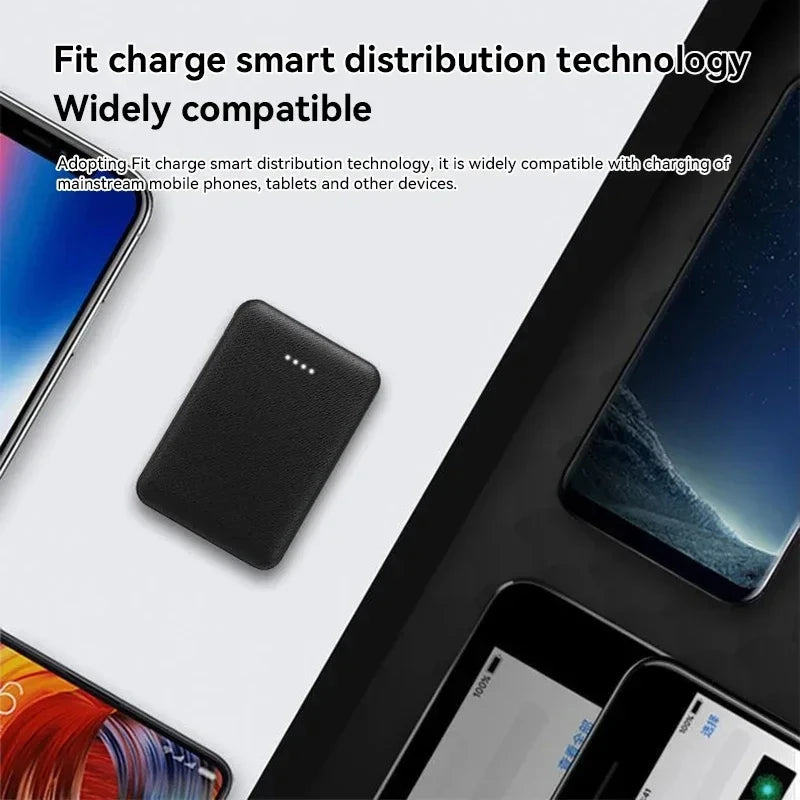
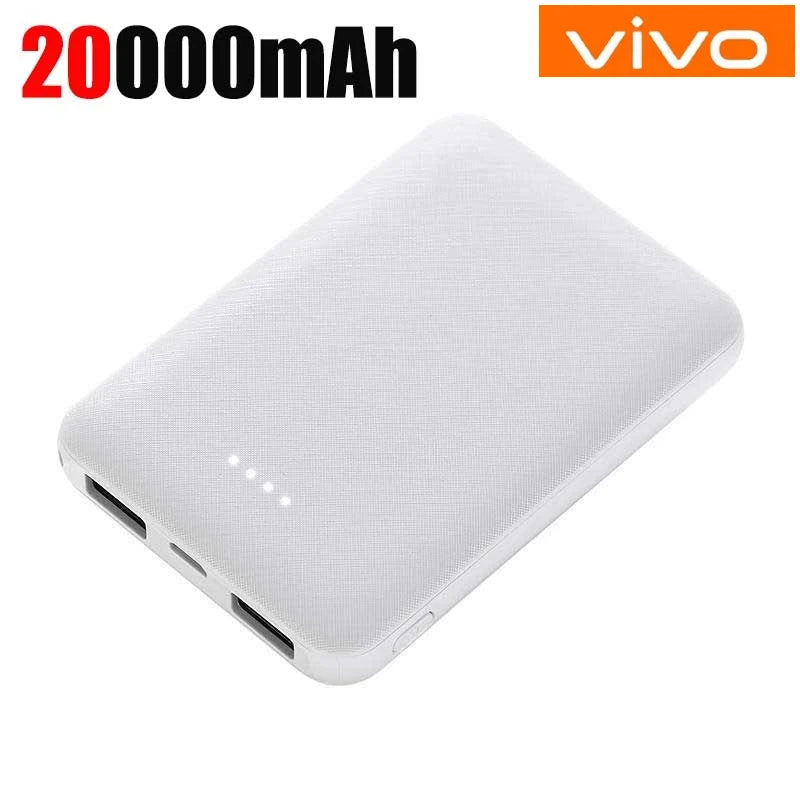
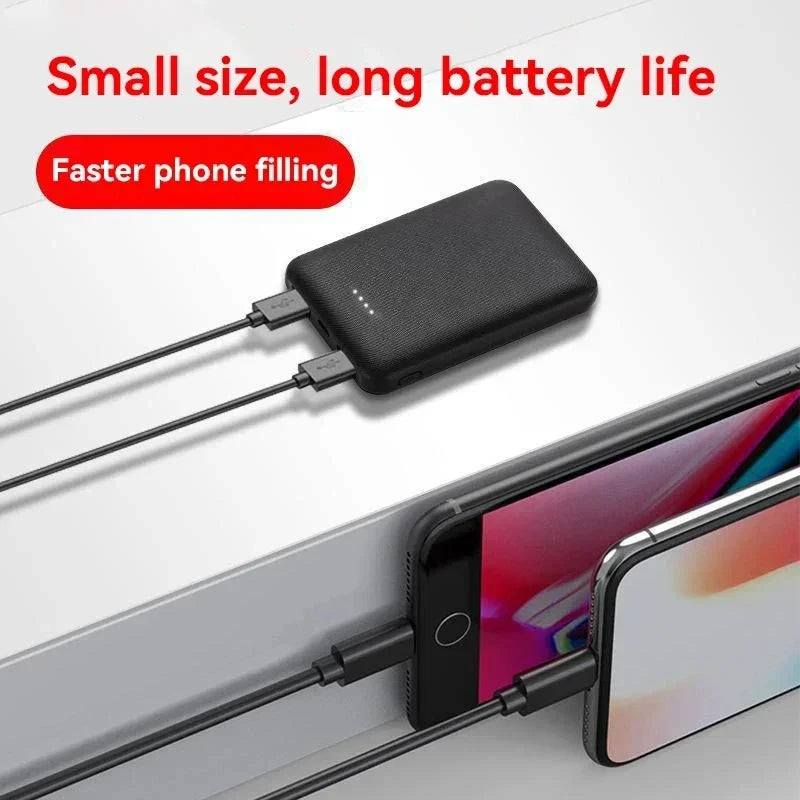
For overnight camping or multi-day hiking, carrying an additional battery remains one of the most reliable ways to extend operating time. Pairing your heated jacket with the 20000mAh power bank provides additional charging capacity when access to electrical outlets is unavailable.
Common Battery Drain Problems and Fixes
- Keep the battery pack protected inside insulated clothing whenever possible.
- Avoid leaving spare batteries exposed to freezing temperatures.
- Reduce heat output during strenuous uphill sections when body heat naturally increases.
- Recharge batteries completely before every outdoor trip.
- Inspect charging cables and battery connections regularly for reliable performance.
Heated Jacket vs Traditional Layering: Is It Worth It?
| Feature | Heated Jacket | Traditional Layers |
|---|---|---|
| Warmth Control | Adjustable with multiple heat settings | Limited after dressing |
| Weight | Lightweight with fewer clothing layers | Often bulky and heavier |
| Cold Adaptability | Provides active heat when temperatures fall | Relies only on trapped body heat |
| Comfort During Long Stops | Maintains warmth while inactive | Can cool rapidly without movement |
Battery-Powered Heat vs Passive Insulation
Traditional winter clothing works by trapping the heat your body already produces. Heated jackets actively generate warmth using built-in heating elements, helping maintain comfort when standing still, working outdoors, or spending extended time in freezing conditions.
Weight and Packability
Replacing several bulky insulating layers with one well-designed heated jacket can reduce pack volume while improving mobility. This is particularly valuable for backpackers, photographers, anglers, and anyone carrying gear over long distances.
Best Situations for Heated Jackets
Heated jackets offer the greatest advantage during winter hiking, cold-weather camping, hunting, fishing, wildlife photography, outdoor sporting events, commuting, and professional outdoor work where long periods of limited movement increase the risk of getting cold.
How to Use a Heated Jacket With Battery Pack for Maximum Warmth
Using a heated jacket correctly improves both comfort and battery life. A few simple habits—such as proper layering, protecting the battery from extreme cold, and managing heat settings—can help you stay warm longer whether you're hiking, camping, or working outdoors.
Correct Layering System for Heated Jackets
Start with a moisture-wicking base layer to keep perspiration away from your skin. Wear the heated jacket as your insulating layer, then add a windproof or waterproof shell if conditions are especially cold, windy, or wet. This combination traps heat efficiently while reducing unnecessary battery use.
Best Placement for Battery Packs
Most heated jackets position the battery inside an insulated pocket close to the body. This location helps the battery remain warmer than the surrounding air, improving performance in freezing temperatures. Avoid placing spare batteries in exposed backpack pockets where cold weather can temporarily reduce their available capacity.
Charging Strategies for Camping Trips
Fully charge all battery packs before departure and bring backup power for extended trips. If you're camping for multiple days, recharge batteries whenever power is available instead of waiting until they are completely depleted.
Many outdoor enthusiasts combine their heated jacket with gear from the Lifestyle collection to create a lightweight cold-weather system that remains comfortable throughout changing conditions.
Reliable warmth when freezing temperatures challenge battery performance — See it in action
Who Should Buy a Heated Jacket With Long Battery Life?
Winter Hikers
Long-distance hikers benefit from adjustable warmth that reduces reliance on bulky clothing. Heated jackets help maintain core temperature during rest stops, summit breaks, and changing weather while allowing greater freedom of movement.
Campers
Cold-weather campers often spend extended periods sitting around camp or preparing meals after sunset. A long-lasting heated jacket provides dependable warmth when body movement decreases and temperatures continue to fall.
Outdoor Workers
Construction crews, utility technicians, delivery drivers, landscapers, and other professionals working outdoors during winter can remain more comfortable throughout long shifts without adding excessive clothing layers.
Hunters and Anglers
Activities that require remaining still for extended periods increase heat loss. Heated jackets help maintain comfort while allowing unrestricted movement for casting, photography, observation, or handling equipment.
Daily Commuters
People who regularly walk, cycle, or wait for public transportation during cold weather appreciate adjustable warmth without the bulk of multiple heavy jackets, making heated apparel practical even outside recreational use.
Frequently Asked Questions
How long does a heated jacket battery last when hiking?
Most heated jackets provide between 6 and 10 hours of warmth during winter hikes when operated on medium heat. Actual runtime depends on battery capacity, outside temperature, wind exposure, jacket insulation, and how often high heat is selected. If you're wondering how long does a heated jacket battery last in real conditions, expect shorter runtimes than laboratory estimates during freezing weather.
What is the best heated jacket battery life for camping?
For overnight camping, look for a rechargeable heated jacket with a 10,000–12,000 mAh battery or larger. These models commonly deliver 8–12 hours of intermittent heat on low or medium settings, making them better suited for evenings around camp and early-morning use than smaller battery packs.
Can you use a power bank with a heated jacket?
Many modern heated jackets support compatible USB power banks. Using an external battery is one of the easiest ways to extend runtime during multi-day hiking trips, winter camping, or outdoor work. Always verify the voltage and connector requirements recommended by the manufacturer before connecting an external power source.
Why does my heated jacket battery drain fast?
Fast battery drain is usually caused by freezing temperatures, continuous high-heat operation, aging lithium-ion cells, or insufficient battery capacity. A practical heated jacket battery drains fast fix is to switch to medium heat after warming up, keep the battery insulated inside the jacket, fully charge it before use, and avoid exposing spare batteries to freezing temperatures.
Are heated jackets worth it for hiking?
Yes. Heated jackets are an excellent investment for winter hikers, campers, photographers, anglers, and anyone who spends long periods outdoors in cold weather. They provide adjustable warmth while reducing the need for multiple bulky insulation layers, helping improve comfort and mobility.
What battery capacity is best for a heated jacket?
For everyday commuting, a 7,500–10,000 mAh battery is typically sufficient. For winter hiking, camping, or extended outdoor work, a 10,000–12,000 mAh battery pack generally offers the best balance of runtime, weight, and portability.
Can you replace a heated jacket battery pack?
Many heated jackets are designed with removable battery packs that can be replaced when they reach the end of their service life. Some brands also offer compatible spare batteries, allowing users to swap packs during long outdoor adventures without waiting for a recharge.
How long does it take to recharge a heated jacket battery?
Recharge time varies by battery size and charger output. Most lithium-ion heated jacket batteries require approximately 3 to 6 hours to reach a full charge. Higher-capacity batteries may take slightly longer, especially when charged with lower-output adapters.
Can you fly with a heated jacket battery?
In most cases, yes. Lithium-ion batteries for heated jackets are generally permitted in carry-on baggage but should not be packed in checked luggage. Airlines may impose watt-hour (Wh) limits, so check your carrier's current battery regulations before traveling.
Does using lower heat significantly extend battery life?
Yes. Running a heated jacket on low or medium heat can often increase runtime by several hours compared with continuous high-heat operation. Many experienced hikers briefly use high heat to warm up before switching to a lower setting to maximize battery endurance.
Are heated jacket batteries waterproof?
Most heated jacket battery packs are water-resistant rather than fully waterproof. They are designed to withstand light rain or snow when stored inside the battery pocket, but they should never be submerged in water or exposed to prolonged moisture.
Related Guide: Winter Heated Apparel Power Bank for Work, Travel, Outdoors













