

Do low voltage heated blankets really improve safety?
Yes. A low voltage heated blanket provides reliable warmth while operating on reduced electrical power—typically 12V, 24V, USB, or battery-powered systems. Compared with traditional household electric blankets, these designs place less demand on the power source, reduce the risk of excessive heat buildup, and are well suited for vehicles, camping, and portable use. When equipped with certified wiring, overheat protection, and automatic shut-off, they offer a safe and energy-efficient way to stay warm during winter travel.
Best Low Voltage Heated Blanket for Car & Travel (2026 Guide)
⏱ 6 min read
Cold weather shouldn't mean uncomfortable commutes or excessive use of your vehicle's cabin heater. A quality low voltage heated blanket delivers targeted warmth while using far less power than many portable heating devices. Whether you need a dependable 12V heated blanket for daily driving, a rechargeable option for outdoor adventures, or an energy-efficient travel blanket, this guide explains how low voltage heating technology works, what safety features matter most, and which type best fits your needs.
Quick Comparison: Best Low Voltage Heated Blankets
Top Picks at a Glance
- Best Overall: Balanced heat output, multiple safety features, and excellent portability.
- Best 12V Heated Blanket for Car: Optimized for vehicle power outlets with consistent warmth during everyday driving.
- Best Battery-Powered Option: Cord-free flexibility for outdoor activities and emergency preparedness.
- Best Budget Choice: Reliable performance with essential protection features at an affordable price.
- Best for Camping: Durable construction designed for efficient power use and cold-weather comfort.
Feature Comparison Table
| Feature | Why It Matters |
|---|---|
| Power Source | Choose between 12V, USB, or rechargeable battery depending on where you'll use the blanket. |
| Power Consumption | Lower wattage helps conserve vehicle battery power while maintaining comfortable warmth. |
| Heating Coverage | Even heat distribution improves comfort during longer trips. |
| Safety Features | Look for auto shut-off, overheat protection, and insulated wiring. |
| Portability | Compact designs are easier to store in cars, RVs, and travel bags. |
Which Blanket Fits Your Needs?
- Daily commuters: A 12V heated blanket that plugs directly into your vehicle offers dependable warmth without significantly increasing battery load while driving.
- Road trips: Choose larger blankets with multiple heat settings for extended comfort.
- Camping and outdoor use: Battery-powered models provide portability where vehicle power isn't available.
- Emergency winter kits: Compact low voltage blankets are practical additions for cold-weather preparedness.
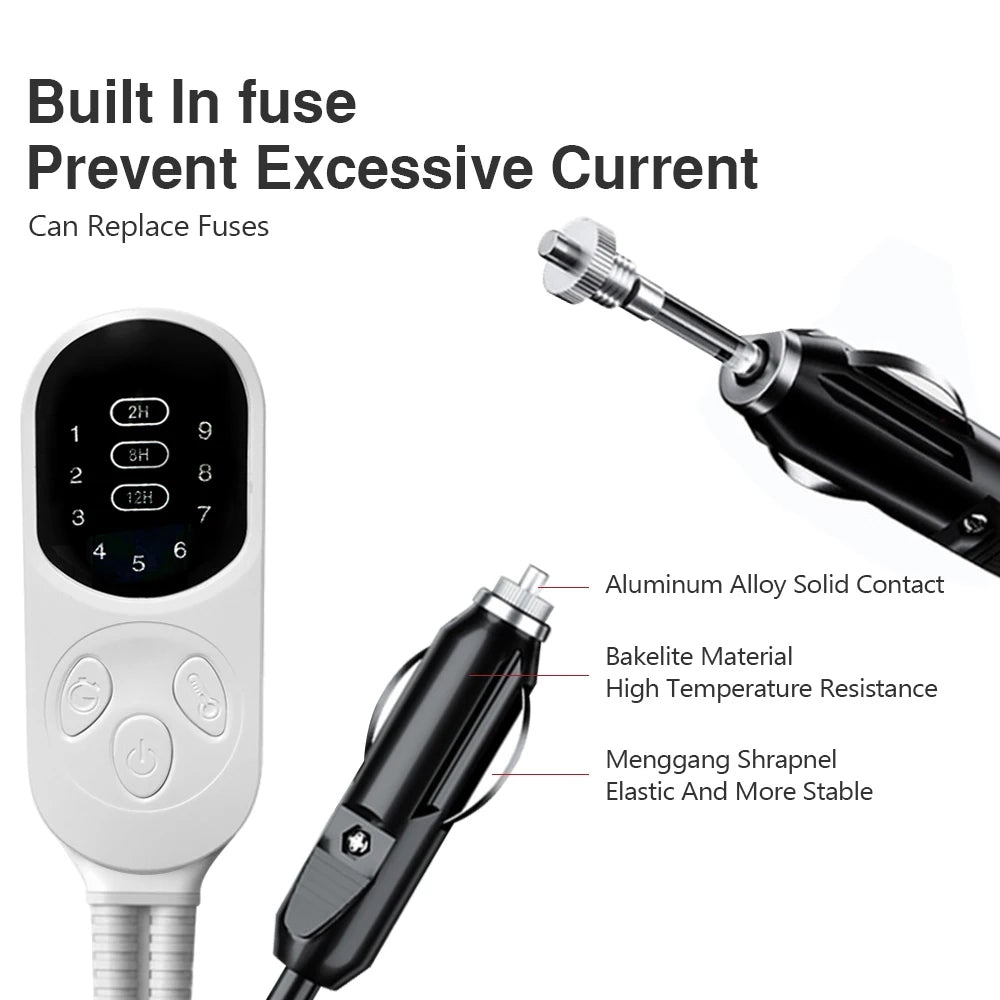
Low voltage technologies in action — safe warmth without stress. See it in action.
What Is a Low Voltage Heated Blanket?
A low voltage heated blanket is a portable warming blanket that operates using reduced-voltage power sources such as 5V USB, 12V vehicle outlets, 24V systems, or rechargeable battery packs. Unlike traditional electric blankets designed for standard household outlets, low voltage models are built for travel, vehicles, RVs, and other mobile environments where energy efficiency and electrical safety are priorities.
How Low Voltage Heating Technology Works
Low voltage heating technology uses insulated resistance wires or carbon fiber heating elements embedded inside multiple fabric layers. As electrical current passes through these elements, they generate gentle, evenly distributed heat. Modern electronic controllers regulate temperature continuously, helping maintain consistent comfort while minimizing overheating and unnecessary power consumption.
Common Power Types (12V, 24V, USB & Battery)
- 12V heated blankets: Connect directly to a vehicle's cigarette lighter or 12V accessory socket, making them the most popular choice for commuters and road trips.
- 24V heated blankets: Designed for trucks, commercial vehicles, and other 24V electrical systems.
- USB heated blankets: Powered by laptops or high-capacity power banks for lightweight personal warmth.
- Battery-powered blankets: Use rechargeable battery packs to provide portable heat where no external power source is available.
Transformer vs Direct 12V Systems
Some low voltage heated blankets are manufactured specifically for direct 12V vehicle operation, while others use an external transformer to safely convert household electricity into low-voltage power for home use. Direct 12V models are ideal for cars and SUVs, whereas transformer-based systems offer additional flexibility when alternating between home and travel environments.
Best Low Voltage Heated Blankets (Detailed Reviews)
Best Overall Low Voltage Heated Blanket
The best overall low voltage heated blanket combines consistent heat distribution, dependable safety features, and efficient power consumption. Look for soft insulating fabrics, multiple heat settings, automatic shut-off, and durable wiring. These qualities make it suitable for daily commuting, road trips, and occasional indoor use with the appropriate power supply.
Best Low Voltage Heated Blanket for Car
A dedicated low voltage heated blanket for car use is designed to connect directly to a 12V outlet while drawing a modest amount of power from your vehicle's electrical system. The 12V electric blanket is an excellent choice for commuters and travelers seeking quick, targeted warmth without placing unnecessary demand on the battery during normal driving.
Best Battery-Powered Heated Blanket
Battery-powered models provide complete portability when a vehicle outlet isn't available. Rechargeable battery packs allow users to stay warm while attending outdoor events, relaxing at campsites, or preparing for emergency situations. Runtime varies depending on battery capacity and selected heat level.
Best Budget Option
Affordable low voltage warming blankets can still deliver dependable performance if they include essential safety protections such as overheat monitoring, insulated wiring, and automatic shut-off. While premium materials and advanced controls may be limited, budget models often provide excellent value for occasional winter use.
Best for Camping & RV
For RV travel and extended outdoor adventures, prioritize blankets with durable construction, moisture-resistant materials, and efficient power usage. Models compatible with portable power stations or RV electrical systems offer greater flexibility while maintaining comfortable warmth throughout cooler evenings.
Do Low Voltage Heated Blankets Really Improve Safety?
What "Low Voltage" Really Means (12V, 24V & Transformer Systems)
Low voltage heating technology operates at substantially lower electrical voltage than conventional household electric blankets. Common configurations include direct 12V systems for passenger vehicles, 24V systems for commercial trucks, and transformer-powered blankets that safely convert household electricity into lower operating voltage. These designs reduce electrical stress while providing controlled, consistent heat.
Why Low Voltage Electric Blanket Safety Is Different
Lower operating voltage alone does not guarantee complete safety, but it significantly reduces electrical hazards when combined with quality manufacturing and modern protective electronics. Today's low voltage heated blankets typically regulate temperature automatically to help prevent overheating while limiting current flow through insulated heating elements.
Many buyers also ask about electromagnetic fields (EMF). While all electric heating products generate some EMF during operation, reputable low voltage blankets are engineered to keep exposure low through improved wiring layouts and efficient heating technology. Choosing products from established manufacturers and following usage instructions further improves safety.
Certifications & Protection Features to Look For
- Automatic shut-off after a preset operating period.
- Integrated overheat protection with temperature monitoring.
- Short-circuit and overload protection.
- Flame-resistant fabrics and durable insulated wiring.
- Recognized electrical safety certifications that comply with applicable regional standards.
Energy Usage & Battery Impact Explained
Heated Car Blanket Battery Usage
Most 12V heated blankets consume approximately 30 to 60 watts depending on blanket size and heat setting. This relatively low power draw makes them considerably more efficient than many portable vehicle space heaters while still providing comfortable personal warmth.
Do Heated Car Blankets Drain Battery?
When used with the engine running, power is supplied primarily by the vehicle's alternator, so battery impact is typically minimal. However, leaving a heated blanket operating for long periods after the engine has been switched off can gradually discharge the battery, particularly in cold weather when battery capacity is already reduced.
For the best balance of comfort and battery protection, operate the blanket while driving whenever possible and disconnect it before leaving the vehicle.
Low Voltage Blanket Energy Usage & Running Costs
Because low voltage blankets focus heat directly where it's needed, they generally consume far less electricity than heating an entire vehicle cabin or room. Their efficient operation makes them a practical solution for reducing energy use while maintaining personal comfort during winter travel.
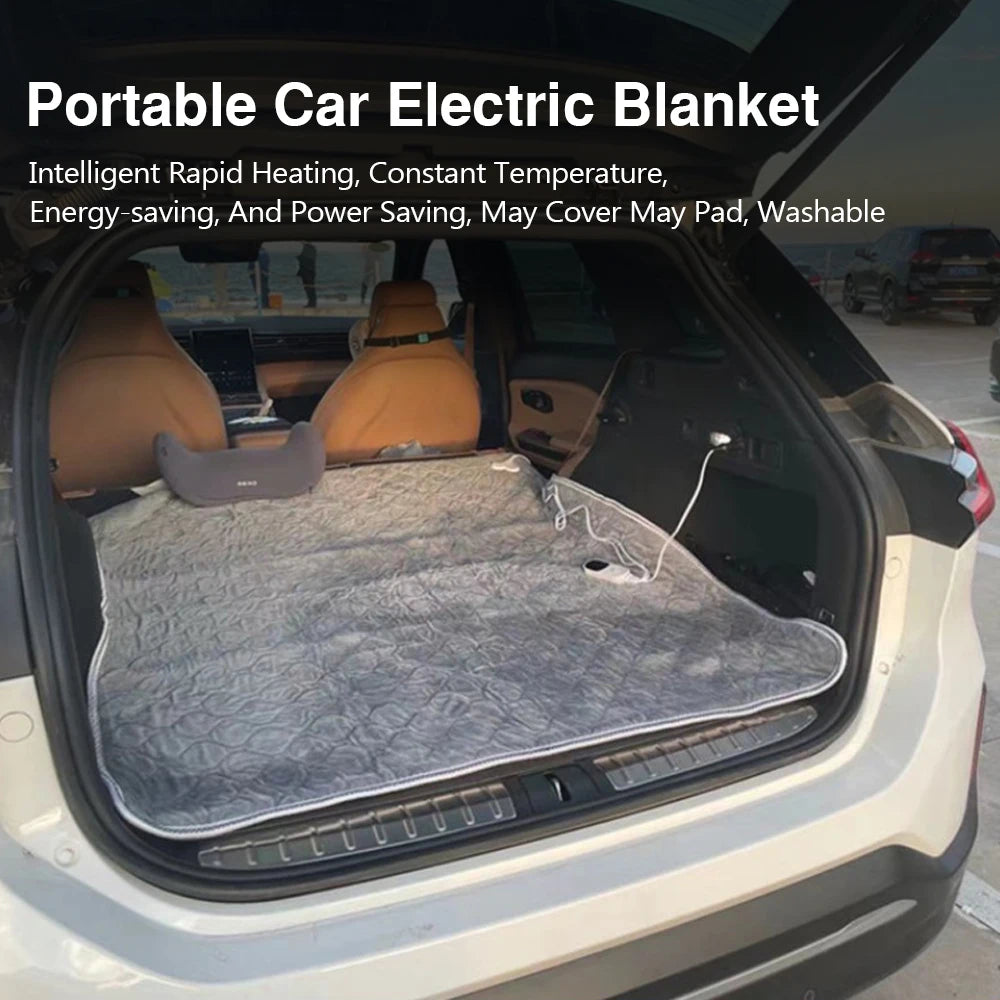
Smart warmth on the road — low voltage heated blanket comfort. See it in action.
Low Voltage Heated Blanket vs Traditional Electric Blanket
Safety Comparison
Although both products are designed to provide comfortable warmth, they serve different purposes. A low voltage heated blanket operates on reduced-voltage power sources such as 12V or 24V systems, making it well suited for vehicles and portable applications. Traditional electric blankets are designed for standard household outlets and typically generate higher maximum heat output.
- Low voltage heated blanket: Lower operating voltage, portable design, energy-efficient performance, and ideal for vehicle or travel use.
- Traditional electric blanket: Higher heating capacity, requires a household outlet, and is intended primarily for bedrooms and home environments.
Heat Output & Energy Efficiency
Traditional electric blankets generally produce higher temperatures because they draw power directly from household electricity. In contrast, low voltage warming blankets prioritize efficient, targeted heating while consuming significantly less power. This makes them an excellent choice for maintaining personal comfort during winter travel without unnecessarily increasing energy consumption.
For drivers, a heated blanket can also reduce reliance on the vehicle's cabin heater once the interior has warmed, helping direct heat where it's needed most instead of heating the entire cabin.
Which One Should You Buy?
Choose a low voltage heated blanket if you regularly drive in cold weather, travel by RV, commute long distances, or need a portable heating solution that works with vehicle power systems. A traditional electric blanket remains the better option for overnight use at home when connected to a properly rated household outlet and used according to the manufacturer's instructions.
Who Should Buy a Low Voltage Heated Blanket?
Drivers & Daily Commuters
A low voltage heated blanket for car use is especially valuable for commuters, delivery drivers, rideshare operators, and anyone who spends extended periods behind the wheel during winter. It provides localized warmth while placing relatively little demand on the vehicle's electrical system when used with the engine running.
Camping, RV & Outdoor Use
Outdoor enthusiasts, RV travelers, and overland adventurers benefit from blankets that operate efficiently with portable power stations, vehicle outlets, or rechargeable battery packs. Their compact size and moderate power requirements make them practical additions to cold-weather travel gear.
Home, Elderly & Family Use
When used with an appropriate low-voltage power supply or manufacturer-approved transformer, these blankets can provide comfortable personal warmth without heating an entire room. They may also appeal to older adults or families looking to stay comfortable while reducing household energy consumption. Regardless of the user, children, elderly individuals, and anyone with reduced temperature sensitivity should always use heated blankets under appropriate supervision and according to manufacturer recommendations.
How to Use a Low Voltage Warming Blanket Safely
Safe Vehicle Use
- Connect the blanket securely to the vehicle's compatible 12V outlet.
- Operate it primarily while the engine is running to minimize battery discharge.
- Place the blanket over your lap or around your shoulders instead of sitting or sleeping directly on top of it.
- Avoid folding, pinching, or placing heavy objects on heating elements.
- Disconnect the blanket before leaving the vehicle for extended periods.
Home Use Best Practices
- Only use home adapters or transformers recommended by the blanket manufacturer.
- Do not cover the controller or power cord with pillows or heavy bedding.
- Inspect the blanket regularly for damaged wiring, worn fabric, or loose connectors.
- Stop using the blanket immediately if it shows signs of overheating or physical damage.
Cleaning & Maintenance
- Always disconnect the power source before cleaning.
- Follow the care instructions provided by the manufacturer, especially regarding machine washing or hand washing.
- Allow the blanket to dry completely before reconnecting power.
- Store it loosely rolled instead of tightly folded to help protect internal heating elements and extend its lifespan.
Real-World Performance: What to Expect
Heating Speed & Coverage
Most low voltage heated blankets begin producing noticeable warmth within 3 to 10 minutes, although exact warm-up time depends on the ambient temperature, blanket size, and selected heat setting. Modern carbon fiber or insulated wire heating elements distribute warmth evenly across the blanket, helping eliminate hot spots while providing comfortable, targeted heat where it's needed most.
Comfort vs Power Limitations
A low voltage heated blanket is designed for efficient personal warmth rather than maximum heat output. Because it operates on limited power, it typically won't reach the same temperatures as a standard household electric blanket. Instead, it delivers steady, controlled heat while consuming significantly less electricity, making it ideal for vehicles, travel, and portable use.
Many users find that combining a heated blanket with normal winter clothing or an insulated outer blanket provides excellent comfort during extended drives or cold-weather outings without placing unnecessary demand on the vehicle's electrical system.
Best Conditions for Use
Low voltage heating technology performs best in enclosed environments where wind exposure is limited, such as cars, trucks, RVs, and enclosed camping shelters. It is particularly effective for winter commuting, road trips, emergency travel kits, and outdoor events where targeted warmth is more practical than heating an entire space.
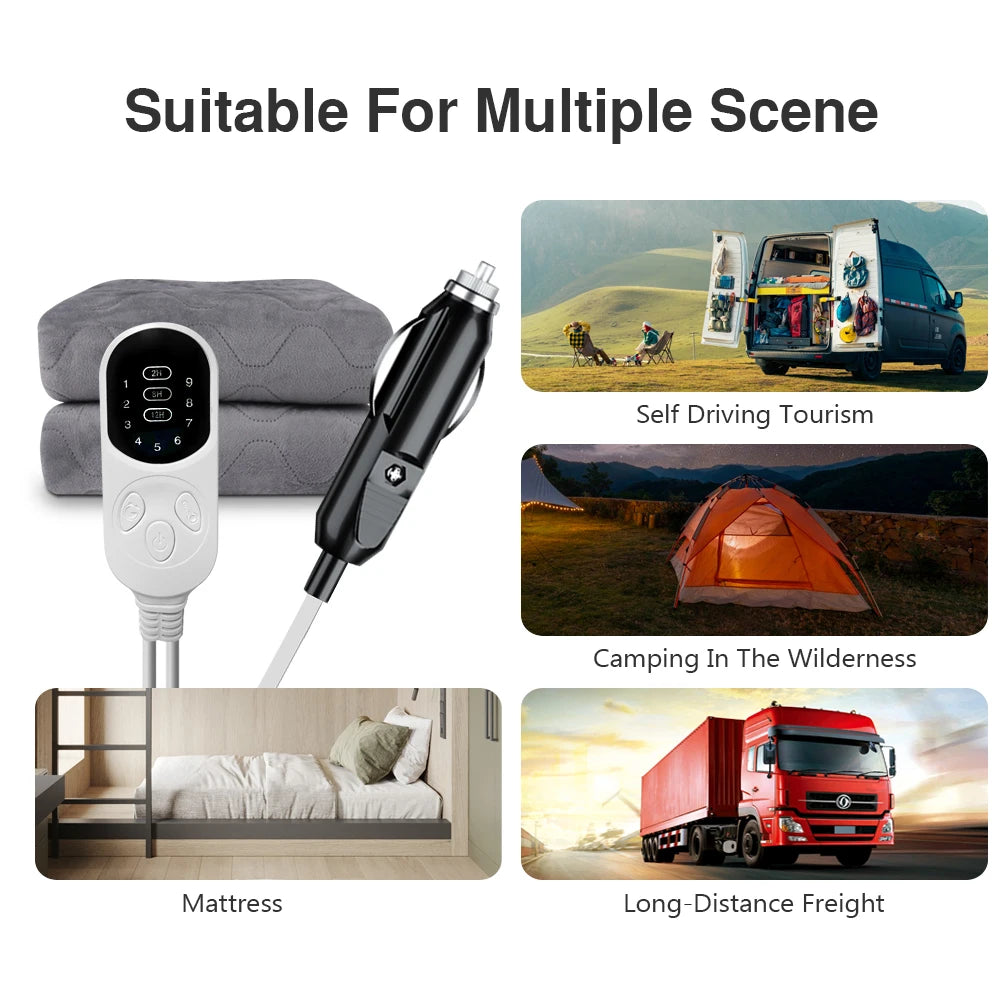
Winter comfort, simplified — low voltage warming blanket. See it in action.
FAQs About Low Voltage Heated Blankets
Are low voltage heated blankets safe for daily use?
Yes. A quality low voltage heated blanket is generally safe for everyday use when it includes features such as automatic shut-off, overheat protection, insulated wiring, and is operated according to the manufacturer's instructions. Regularly inspect the blanket for signs of wear or damage before each season.
Can I use a 12V heated blanket overnight?
Unless the manufacturer specifically states that the blanket is designed and certified for overnight operation, it should not be left running while you sleep. For vehicle use, it is also best to avoid operating the blanket for extended periods with the engine switched off.
Do heated car blankets drain the battery?
When used while the engine is running, battery impact is typically very small because the alternator supplies most of the required power. However, running any 12V heated blanket for an extended period with the engine off can gradually discharge the battery, particularly in cold weather or with older batteries.
How much electricity does a low voltage blanket use?
Most 12V heated blankets consume between approximately 30 and 60 watts, depending on size and heat setting. This relatively low power consumption makes them an efficient alternative to many portable electric heaters for personal warmth.
What is a low voltage heated blanket?
A low voltage heated blanket is a portable warming blanket that operates using reduced-voltage power sources such as 12V vehicle outlets, USB connections, rechargeable battery packs, or 24V systems instead of a standard household electrical outlet.
Is a low voltage heated blanket safer than a standard electric blanket?
Both can be safe when manufactured to recognized safety standards. Low voltage models reduce electrical load and are specifically designed for portable and vehicle applications, while standard electric blankets are intended for household use. Always choose products with appropriate safety features and certifications.
Can a 12V heated blanket be used at home?
Yes, but only with a compatible power supply or transformer that is approved by the blanket manufacturer. Connecting a 12V blanket directly to a household outlet without the correct adapter is unsafe.
Are low voltage heated blankets safe for elderly people, children and pets?
They can be appropriate when used correctly, but extra supervision is recommended for anyone who may have reduced sensitivity to heat or difficulty adjusting the controls. Follow the manufacturer's age and safety recommendations, and never leave children or pets unattended with a powered heated blanket.
What certifications should I look for before buying?
Look for blankets that include recognized electrical safety certifications applicable to your region, along with important protective features such as automatic shut-off, overheat protection, insulated wiring, and durable temperature controllers.
Related Guide: Plush Fabric Material: Why It Makes Heated Blankets Better













