

Does a lumbar traction belt really work?
A lumbar traction belt works by applying gentle, controlled traction to reduce pressure on the spine. When used correctly, it can help ease muscle tension, improve posture awareness, and support daily comfort. However, results depend on proper usage, consistency, and individual conditions.
How to Use a Lumbar Traction Belt Safely and Effectively (Step-by-Step Guide)
⏱ 6 min read
Does your lower back feel tight the moment you stand up—or worse, after a full day of sitting? Many people try lumbar traction belts for relief, but results often depend on how correctly they’re used. Small details like positioning, pressure, and timing can make a major difference in comfort and effectiveness.
Explore modern options designed for daily comfort and ease.
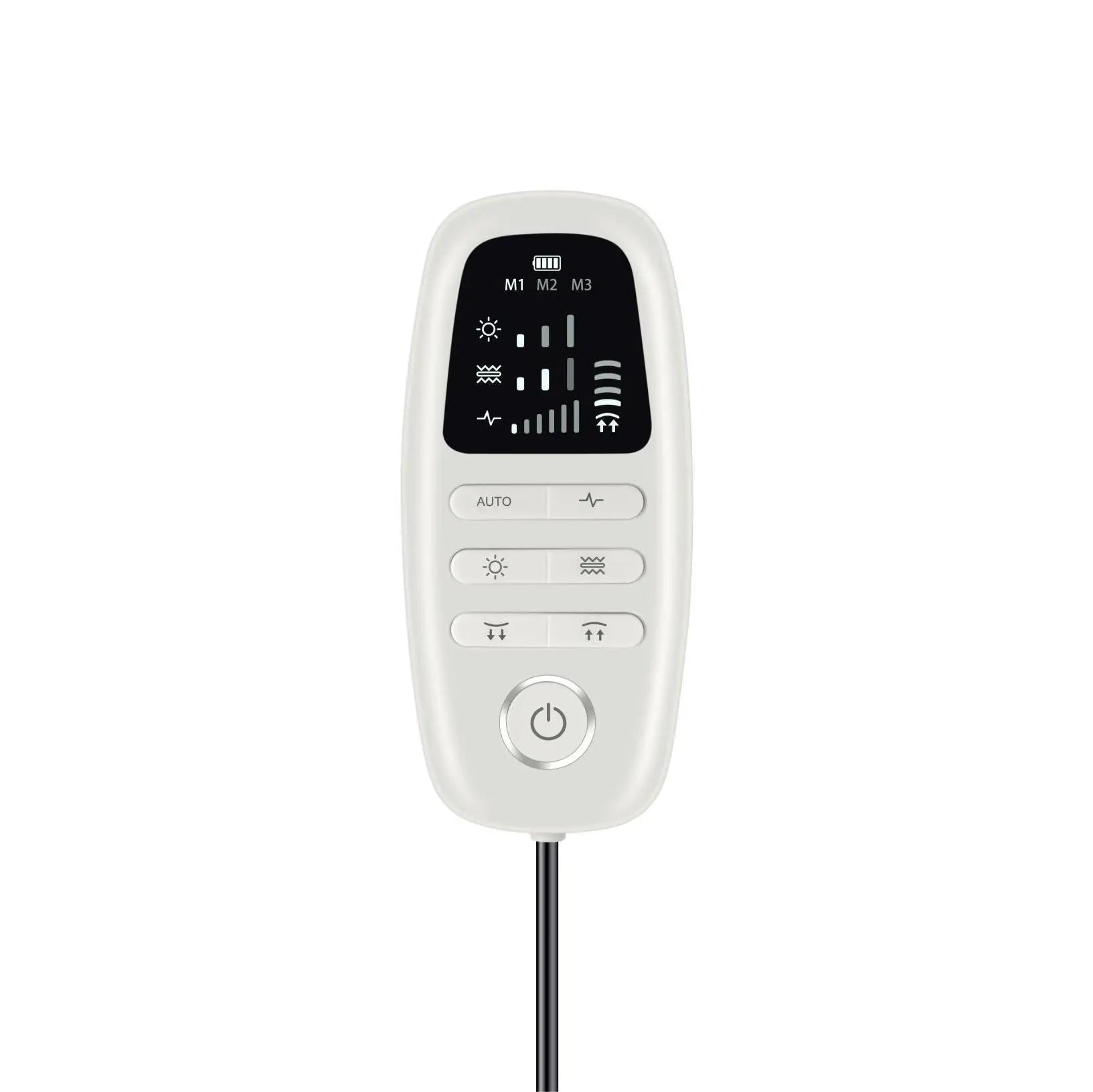
Lower back decompression support with a lumbar traction belt — See it in action
What Is a Lumbar Traction Belt and How Does It Work?
A lumbar traction belt is a wearable device designed to apply gentle upward force to the lower spine. It typically uses inflatable chambers or adjustable tension to create space between vertebrae, helping reduce pressure and improve alignment.
How Lumbar Traction Reduces Spinal Pressure
- Creates slight separation between spinal discs
- Reduces nerve compression and muscle tension
- Encourages a more neutral spine posture
- Supports movement without rigid restriction
The Science Behind Spinal Decompression at Home
Decompression works by reducing compressive load on the spine. This can improve circulation around discs and muscles, allowing the body to relax and recover more efficiently. While not a cure, it supports natural recovery processes when combined with movement and posture awareness.
How to Use a Lumbar Traction Belt (Step-by-Step Instructions)
Before You Start: Safety Checklist
Before using a lumbar traction belt, ensure the device fits properly and is in good condition. Wear it over a thin layer of clothing, not directly on bare skin. Avoid use if you have serious spinal conditions without guidance.
- Choose the correct belt size
- Check pump and valves for leaks
- Stand upright before inflation
- Start with low pressure
Step-by-Step: How to Wear and Inflate the Belt
- Wrap the belt around your lower back at the natural waist.
- Secure it snugly but not tightly.
- Attach the pump to the valve.
- Inflate slowly until you feel a gentle stretch.
- Stop before any discomfort occurs.
How Long to Wear a Lumbar Traction Belt
Most users benefit from 15–30 minutes per session, once or twice daily. Beginners should start shorter and gradually increase based on comfort.
Best Positions for Effective Decompression
- Standing upright (best for initial setup)
- Sitting with a straight spine
- Light walking to distribute pressure evenly
See practical designs built for home use.
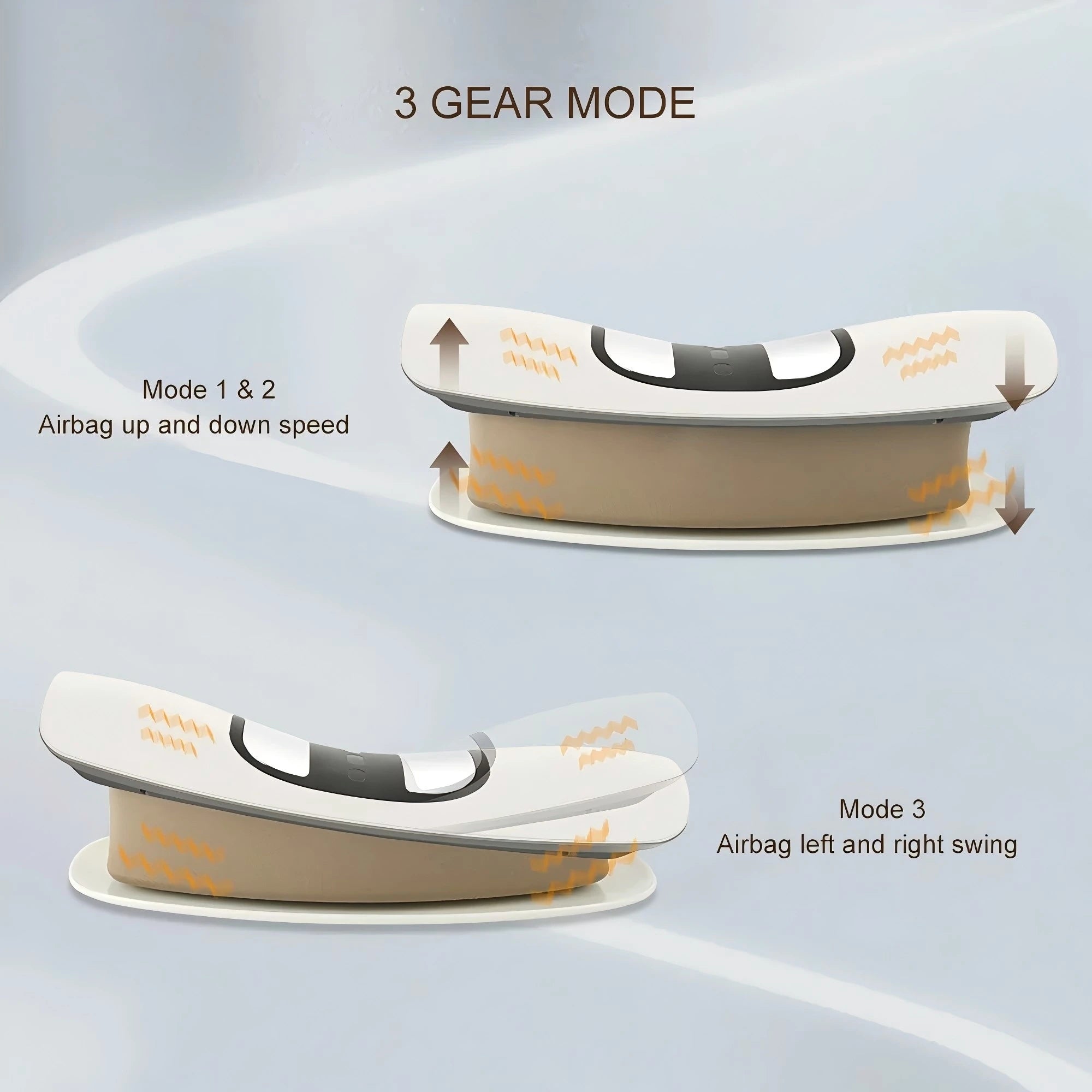
Support waist belt in daily use — Learn proper setup
Lumbar Traction Belt Safety: Who Should and Should NOT Use It
Contraindications (When to Avoid Use)
- Severe osteoporosis
- Spinal fractures or instability
- Recent back surgery
- Pregnancy without medical approval
- Uncontrolled hypertension
Safe Usage Guidelines at Home
- Never overinflate the belt
- Stop immediately if pain or numbness occurs
- Use on stable surfaces
- Limit sessions to recommended duration
Common Mistakes That Reduce Lumbar Traction Results
Incorrect Inflation Pressure
Overinflating can cause discomfort and reduce effectiveness. Gentle traction works best.
Wearing It Too Long or Too Often
Excessive use may lead to muscle fatigue or dependency. Stick to short sessions.
Poor Posture While Using It
Slouching reduces decompression benefits. Maintain a neutral spine at all times.
For better posture habits, explore guidance in Body Care and Health Devices .
Lumbar Traction Belt Benefits and Possible Side Effects
Key Benefits for Back Pain Relief
- Reduces pressure on spinal discs
- Improves posture awareness
- Supports muscle relaxation
- May relieve nerve compression symptoms
Possible Side Effects and How to Avoid Them
- Temporary discomfort from overinflation
- Muscle fatigue if worn too long
- Skin irritation from tight straps
These can usually be avoided by following proper usage guidelines and limiting session time.
Who Benefits Most From a Lumbar Support Belt?
- Desk workers with prolonged sitting habits
- Individuals with mild disc discomfort or stiffness
- People recovering from daily physical strain
- Those seeking posture awareness support
When It May Not Be Effective
It may not provide significant benefit for severe structural spinal issues without medical guidance.
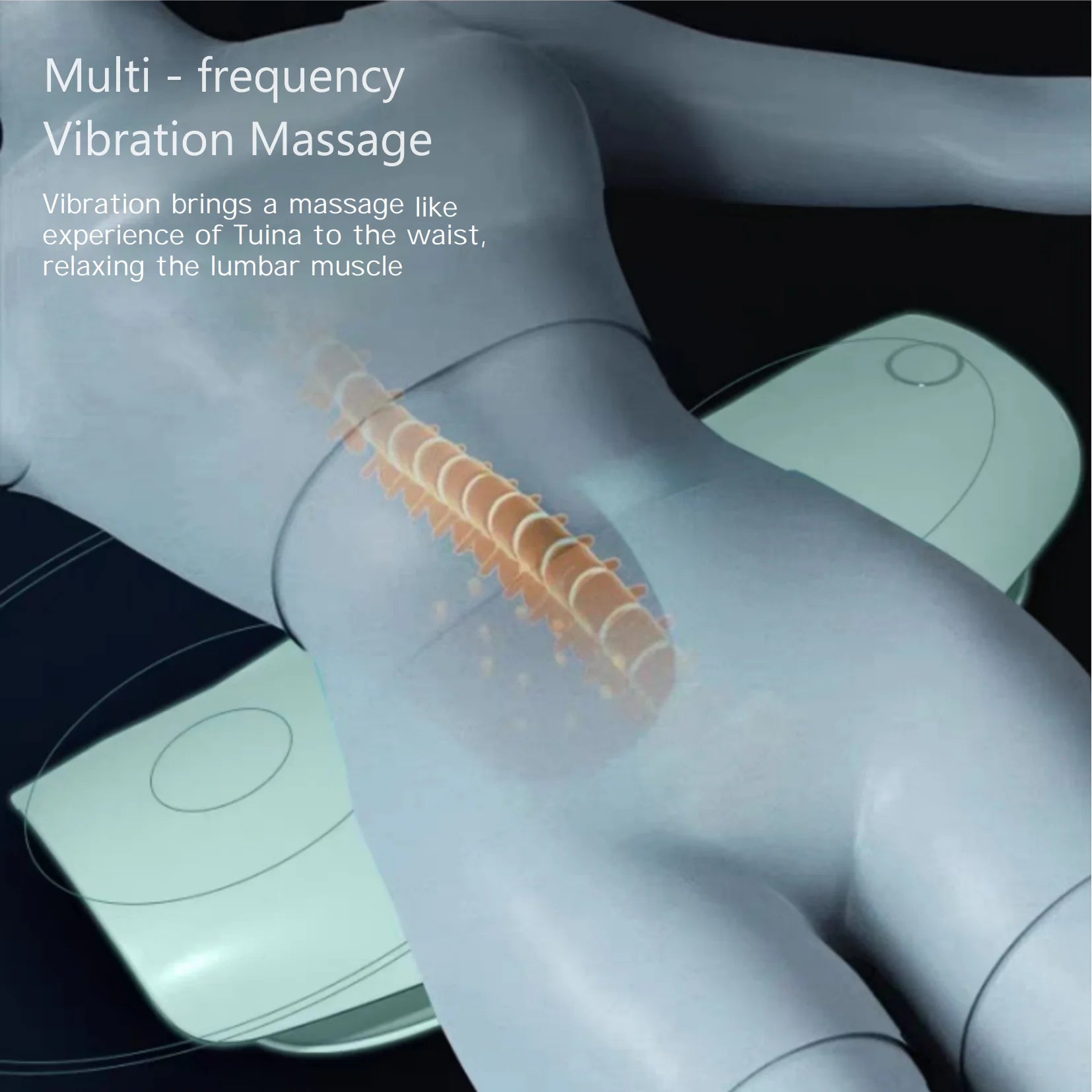
Targeted lumbar traction belt support — Discover comfort options
Experience lower back decompression support designed for everyday comfort.
How Long Does It Take to See Results? (Realistic Timeline)
Some users feel immediate relief after the first session, especially from muscle tension. Consistent results typically appear within 1–2 weeks.
- Immediate: Reduced tension and temporary relief
- 1 week: Improved daily comfort
- 2–4 weeks: Noticeable reduction in recurring discomfort
Frequently Asked Questions About Lumbar Traction Belts
How long should I wear a lumbar traction belt?
Typically 15–30 minutes per session, once or twice daily depending on comfort.
Can I sit while using a lumbar traction belt?
Yes, but maintain an upright posture. Avoid slouching.
Is a lumbar traction belt safe for daily use?
Yes, when used correctly and within recommended limits.
Does a lumbar traction belt replace exercise?
No. It works best alongside stretching and strengthening routines.
Does a lumbar traction belt help sciatica?
It may help relieve nerve pressure, which can reduce symptoms.
Can I sleep while wearing a traction belt?
No, it is not recommended to wear it during sleep.
Related Guide: How to Decompress Lower Back Safely at Home Step by Step
UPGRADE PLAN { "outline": [ { "action": "MODIFY", "h2": "How to Use a Lumbar Traction Belt (Quick-Start Step-by-Step Guide)", "h3": [ "Before You Start: Safety Checklist", "Step 1: Position the Belt Correctly", "Step 2: Inflate or Adjust the Belt", "Step 3: Wear Time and Body Position", "After Use: Removing the Belt Safely" ], "focus": [ "Quick-start instructions", "Proper fitting and inflation", "Correct posture during use", "Immediate safety reminders" ], "keywords": [ "how to use a lumbar traction belt", "lumbar traction belt how to use", "lower back decompression belt instructions" ] }, { "action": "KEEP", "h2": "Does a lumbar traction belt really work?", "h3": [], "focus": [ "Evidence overview", "Expected outcomes", "Limitations", "Who benefits most" ], "keywords": [ "does lumbar traction belt work" ] }, { "action": "MODIFY", "h2": "What Is a Lumbar Traction Belt and How Does It Work?", "h3": [ "How Lumbar Traction Reduces Spinal Pressure", "The Science Behind Spinal Decompression at Home", "Simple Spine Anatomy Explained" ], "focus": [ "Traction mechanism", "Disc decompression", "Pressure relief", "Illustrated anatomy" ], "keywords": [ "how lumbar traction works", "spinal decompression belt at home" ] }, { "action": "ADD", "h2": "Recommended Wear Schedule by Condition", "h3": [ "Acute Back Pain", "Chronic Low Back Pain", "Sciatica and Disc-Related Symptoms", "When to Stop and Contact a Healthcare Provider" ], "focus": [ "Duration guidance", "Frequency", "Condition-specific recommendations", "Warning signs" ], "keywords": [ "how long to wear lumbar traction belt" ] }, { "action": "MODIFY", "h2": "Lumbar Traction Belt Safety: Who Should and Should NOT Use It", "h3": [ "Contraindications (When to Avoid Use)", "Safe Usage Guidelines at Home", "Precautions for Older Adults and Post-Surgery Patients" ], "focus": [ "Contraindications", "Safety precautions", "Risk reduction", "Medical consultation" ], "keywords": [ "back decompression belt safety" ] }, { "action": "MODIFY", "h2": "Common Mistakes That Reduce Lumbar Traction Results", "h3": [ "Incorrect Inflation Pressure", "Wearing It Too Long or Too Often", "Poor Posture While Using It", "Using the Wrong Belt Size" ], "focus": [ "User errors", "Fit problems", "Overuse", "Technique corrections" ], "keywords": [ "lumbar traction belt how to use" ] }, { "action": "MODIFY", "h2": "Lumbar Traction Belt Benefits and Possible Side Effects", "h3": [ "Key Benefits for Back Pain Relief", "Possible Side Effects and How to Avoid Them", "Realistic Expectations" ], "focus": [ "Benefits", "Adverse effects", "Expected timeline", "Evidence-based outcomes" ], "keywords": [ "lumbar traction belt benefits", "lumbar traction belt side effects" ] }, { "action": "MODIFY", "h2": "Who Benefits Most From a Lumbar Support Belt?", "h3": [ "Ideal Candidates", "When It May Not Be Effective" ], "focus": [ "Suitable users", "Unsuitable users", "Condition matching", "Alternative treatments" ], "keywords": [ "lumbar support belt for back pain" ] }, { "action": "MODIFY", "h2": "How Long Does It Take to See Results?", "h3": [ "What to Expect After the First Use", "Progress Over Several Weeks" ], "focus": [ "Treatment expectations", "Short-term relief", "Long-term outcomes" ], "keywords": [ "does lumbar traction belt work" ] }, { "action": "ADD", "h2": "Troubleshooting Common Problems", "h3": [ "Belt Slipping", "Not Enough Traction", "Pain or Discomfort During Use", "Air Leakage or Inflation Issues" ], "focus": [ "Problem solving", "Comfort adjustments", "Device performance", "When to stop" ], "keywords": [ "lower back decompression belt instructions", "back decompression belt safety" ] }, { "action": "ADD", "h2": "Cleaning, Storage, and Maintenance", "h3": [ "Cleaning the Belt", "Storage Tips", "Routine Inspection" ], "focus": [ "Cleaning", "Maintenance", "Longevity", "Hygiene" ], "keywords": [ "lumbar traction belt how to use" ] }, { "action": "MODIFY", "h2": "Frequently Asked Questions About Lumbar Traction Belts", "h3": [ "How long should I wear a lumbar traction belt?", "Can I sit while using a lumbar traction belt?", "Is a lumbar traction belt safe for daily use?", "Does a lumbar traction belt help sciatica?", "Can I sleep while wearing a traction belt?", "Can I exercise immediately after using it?" ], "focus": [ "Usage", "Safety", "Duration", "Recovery" ], "keywords": [ "how to use a lumbar traction belt", "how long to wear lumbar traction belt" ] } ], "internal_links": [ "Guide to exercises after lumbar traction", "Low back pain stretching routine", "Sciatica self-care guide", "Lumbar support vs traction belt comparison" ], "faq": [ "How tight should a lumbar traction belt be?", "Can I walk while wearing a lumbar traction belt?", "How many times a day can I use a lumbar traction belt?", "What pressure should I inflate the belt to?", "Can a lumbar traction belt make back pain worse at first?", "Should I use a lumbar traction belt before or after exercise?", "Can I use a lumbar traction belt with a herniated disc?", "How do I know if the belt is positioned correctly?" ], "trim": [ "Reduce generic introduction about low back pain", "Merge repetitive explanation of decompression science", "Condense 'Who Benefits Most' overview", "Remove duplicated wear-duration advice outside dedicated schedule section" ] } RULES - Apply every instruction in the Upgrade Plan. - Keep all existing affiliate links unchanged. - Keep all existing internal links unchanged. - Keep all existing image URLs unchanged. - Preserve sections such as Related Articles, Related Posts and Recommended Reading. - Avoid duplicate headings. - Insert new sections only where specified. - Improve clarity, topical coverage, EEAT and readability. - Expand weak sections only when required. - Use natural keyword placement. - Keep semantic HTML clean. YEAR UPDATE If visible article text contains "2005", replace it with "2026". Do not modify years inside: - URLs - href attributes - image filenames OUTPUT REQUIREMENTS Return ONLY the final upgraded HTML article. The output must be valid HTML and ready to publish. Do NOT return: - Markdown - Explanations - Notes - Code fences - JSON - XML Return the HTML beginning with the first HTML element and ending with the last HTML element.












