

Does lower back fatigue go away?
Lower back fatigue usually improves within a few hours to several days once the muscles have a chance to recover and the underlying trigger is reduced. For many people, simple changes such as taking movement breaks, improving posture, and strengthening the core are enough to help a lower back that feels tired regain normal endurance.
If the same strain continues—such as prolonged sitting, repetitive lifting, or poor workstation ergonomics—the fatigue may return even after temporary relief. Ongoing or worsening symptoms, especially when accompanied by severe pain, numbness, weakness, or symptoms spreading into the legs, should be evaluated by a healthcare professional to rule out a muscle strain or another underlying condition.
Lower Back Fatigue: Causes, Symptoms, and How to Relieve It Fast
A tired lower back can make it difficult to stay comfortable at work, exercise, or even complete everyday tasks. While lower back fatigue is often linked to prolonged sitting, poor posture, or reduced muscle endurance, it can also develop after repetitive lifting, standing for long periods, or physical activity that overloads the muscles supporting your spine.
In this guide, you'll learn why your lower back feels tired , how muscle fatigue differs from injury, the most common causes, and practical strategies to improve comfort and prevent fatigue from returning.
⏱ 6 min read

Lower back fatigue relief during long workdays — See it in action
What Is Lower Back Fatigue? Causes, Anatomy, and How It Differs From Pain
Lower back fatigue is a gradual feeling of heaviness, tightness, weakness, or reduced endurance in the muscles that stabilize the lumbar spine. Unlike sudden back pain caused by an injury, muscle fatigue usually develops after sustained activity or prolonged static positions and often improves with movement, rest, or posture changes.
The lumbar muscles work together with the abdominal muscles, hips, and surrounding connective tissues to support your spine throughout the day. When these muscles remain active for long periods without enough recovery, they become less efficient, making your lower back feel tired rather than sharply painful.
The lumbar muscles and core work together to support your spine during everyday movement.
Lower Back Muscle Fatigue vs Muscle Strain or Injury
Muscle fatigue and muscle strain are not the same. Fatigue reflects temporary overuse and reduced endurance, while a strain involves damage to muscle fibers or supporting tissues.
- Muscle fatigue: Gradual heaviness, stiffness, or tiredness that often improves after changing position, stretching, or resting.
- Muscle strain: More localized pain that may occur suddenly during lifting, twisting, or strenuous activity and can limit movement.
- Nerve-related symptoms: Numbness, tingling, significant weakness, or pain traveling into the leg are not typical signs of simple muscle fatigue and deserve medical assessment.
Why Your Lower Back Feels Tired Instead of Painful
If your lower back feels tired but not painful, your stabilizing muscles are likely working harder than they should without actually being injured. This commonly happens during prolonged sitting, standing, repetitive tasks, or when weak core and hip muscles force the lumbar muscles to compensate.
Because the muscles remain under low-level tension for extended periods, blood flow may decrease and fatigue can develop before pain appears. Changing position, walking briefly, or restoring normal movement often helps the muscles recover.
Common Causes of Lower Back Fatigue
Most cases of lower back fatigue develop from a combination of everyday habits, muscle endurance, posture, and workload rather than a single event.
Lower Back Fatigue After Sitting All Day
Sitting for hours keeps the lumbar muscles working continuously to support posture while limiting movement and circulation. Without regular movement breaks or adequate lumbar support, stiffness and fatigue can gradually build throughout the day.
Weak Core and Muscle Imbalance
The abdominal muscles, glutes, and hips share the job of supporting the spine. When these muscle groups lack strength or endurance, the lower back compensates by working harder, increasing the likelihood of muscle fatigue during routine activities.
Poor Posture and Ergonomic Mistakes
Slouching, reaching toward a monitor, unsupported sitting, or poorly positioned workstations increase stress on the lumbar muscles. Small ergonomic improvements can reduce unnecessary muscle workload over long workdays.
Overuse and Repetitive Strain
Jobs or activities involving frequent bending, lifting, twisting, driving, or prolonged standing place repeated demands on the lower back. Without sufficient recovery, the muscles gradually lose endurance and begin to feel tired.
Stress and Muscle Tension
Emotional stress can increase unconscious muscle tension, especially around the neck, shoulders, and lower back. Combined with physical fatigue, this extra tension may leave the lower back feeling tight, heavy, and less resilient even without a specific injury.
Symptoms of Lower Back Muscle Fatigue
Recognizing back muscle fatigue symptoms early can help you reduce strain before discomfort develops into a more significant problem. Temporary muscle fatigue usually improves after changing position, walking, stretching, or taking a short rest, whereas worsening symptoms deserve closer attention.
Early Warning Signs of Back Muscle Fatigue
- A dull, tired, or heavy feeling across the lower back
- Stiffness after prolonged sitting, standing, or driving
- Muscle tightness that eases with gentle movement
- Reduced endurance during everyday activities
- Feeling the need to frequently change position for comfort
- Mild loss of flexibility without sharp pain
How Fatigue Can Progress Into Strain or Pain
If the muscles continue to work without adequate recovery, simple fatigue may progress into a muscle strain or another condition requiring evaluation. Pay attention if symptoms become more intense or stop improving with rest.
- Persistent discomfort lasting despite activity modification
- Sharp or localized pain during movement
- Muscle spasms or protective tightening
- Pain that radiates into the hips or legs
- Numbness, tingling, or noticeable weakness, which are not typical signs of simple muscle fatigue
| Condition | Typical Symptoms | What Often Helps |
|---|---|---|
| Muscle fatigue | Heaviness, tiredness, stiffness, reduced endurance | Movement, stretching, posture changes, brief rest |
| Muscle strain | Localized pain, tenderness, discomfort with movement | Activity modification and appropriate recovery |
| Nerve-related symptoms | Radiating pain, numbness, tingling, weakness | Medical assessment is recommended |
| Persistent back pain | Symptoms that continue or worsen over time | Professional evaluation to identify the cause |
Why Lower Back Fatigue Builds Up Faster Than You Expect
Lower back fatigue rarely develops because of a single movement. Instead, it usually results from repeated low-level stress that accumulates throughout the day faster than your muscles can recover.
Static Postures Keep Muscles Working Without Movement
Whether you're sitting at a desk, standing at a workstation, or driving for long periods, the muscles supporting your lumbar spine remain lightly contracted to keep your body upright. Because they receive fewer opportunities to relax, circulation may decrease and fatigue gradually increases.
Poor Muscle Endurance Increases Lumbar Workload
When the core, hips, and glutes fatigue early, the lower back has to compensate. This extra workload places continuous demand on the lumbar muscles, making everyday activities feel more tiring than they should.
Fatigue Can Build Before Pain Appears
Many people notice heaviness or stiffness long before they experience pain. Addressing these early signs with movement breaks, gentle mobility, and improved body mechanics may reduce the risk of progressing to more significant discomfort.
| Daily Workload | Recovery | Likely Result |
|---|---|---|
| Frequent movement breaks | Adequate | Lower fatigue accumulation |
| Long periods of sitting or standing | Limited | Muscle tightness and reduced endurance |
| Repeated physical demands without recovery | Insufficient | Fatigue may progress toward strain |
How to Relieve Lower Back Fatigue Quickly
Quick Relief for Lower Back Fatigue at Work
When your lower back feels tired during the day, the goal is to reduce continuous muscle loading rather than remain completely inactive.
- Stand up and move every 30–60 minutes.
- Walk for 2–5 minutes to restore circulation.
- Adjust your chair so your feet rest flat on the floor.
- Use lumbar support if prolonged sitting cannot be avoided.
- Avoid staying in one position for extended periods, even if it feels comfortable.
Gentle Stretches for Immediate Comfort
Gentle mobility exercises can reduce muscle tightness without placing additional stress on the lower back. Stretch only until you feel mild tension—never force painful movements.
- Seated forward bend: Lean forward slowly while keeping your breathing relaxed. Hold for 15–30 seconds.
- Knee-to-chest stretch: Bring one knee toward your chest while lying on your back. Hold, then switch sides.
- Gentle spinal twist: Rotate your knees to one side while keeping your shoulders on the floor. Repeat on both sides.
Heat, Massage, and Active Recovery
Heat therapy may help relax tight muscles and improve comfort, while gentle massage can temporarily reduce the sensation of muscle tension. These approaches work best alongside regular movement and progressive exercise rather than replacing them. Prolonged bed rest is generally not recommended for uncomplicated muscle fatigue because gentle activity supports recovery.
Best Exercises for Lower Back Fatigue: A Progressive Routine
A gradual exercise program helps improve muscle endurance without placing unnecessary stress on the lumbar spine. Begin with gentle mobility exercises, then progress to core and hip strengthening as your symptoms improve. Mild muscle effort is normal, but stop and seek advice if exercises trigger sharp pain, increasing numbness, or symptoms radiating into the legs.
Beginner Mobility Exercises
Perform these movements once or twice daily, moving slowly and comfortably.
- Cat-cow stretch: 8–10 slow repetitions to improve spinal mobility.
- Pelvic tilts: 10–15 repetitions to activate the deep abdominal muscles while reducing stiffness.
- Child's pose: Hold for 20–30 seconds and repeat 2–3 times without forcing the stretch.
Core and Hip Strengthening for Better Back Endurance
Once mobility feels comfortable, add endurance-focused strengthening exercises two to three times each week.
- Glute bridges: 2 sets of 10–12 repetitions to strengthen the glutes and reduce lumbar workload.
- Bird-dog exercise: 8–10 controlled repetitions per side while maintaining a neutral spine.
- Front plank: Hold for 15–30 seconds and gradually increase the duration as strength improves.
How to Progress Without Overloading Your Back
- Increase repetitions before adding resistance.
- Allow at least one recovery day between strengthening sessions if muscles remain sore.
- Focus on slow, controlled movements instead of speed.
- Reduce intensity if fatigue lasts well into the following day.
What to Avoid When Your Back Feels Tired
- Heavy lifting with poor lifting mechanics.
- High-impact exercise before rebuilding endurance.
- Pushing through sharp or worsening pain.
- Skipping recovery after physically demanding activities.
Long-Term Treatment and Prevention for Lower Back Fatigue
Preventing recurring fatigue usually requires a combination of regular movement, strength training, ergonomic adjustments, and consistent recovery habits rather than relying on a single intervention.
Daily Habits That Reduce Back Fatigue
- Alternate between sitting, standing, and walking throughout the day.
- Maintain a comfortable, neutral posture instead of remaining perfectly still.
- Perform brief mobility exercises during work breaks.
- Include regular walking and strengthening exercises each week.
- Prioritize adequate sleep to support muscle recovery.
Ergonomic Setup for Office Workers
- Choose a chair that supports the natural curve of the lower back.
- Position the monitor at eye level to reduce forward leaning.
- Keep elbows close to the body with forearms roughly parallel to the floor.
- Place both feet flat on the floor or on a stable footrest.
- Keep commonly used items within easy reach to avoid repeated twisting.
A Sustainable Recovery and Strength Routine
A practical weekly routine may include daily movement breaks, gentle mobility work, walking most days of the week, and two to three sessions of core and hip strengthening. This balanced approach helps improve muscular endurance while reducing the likelihood of fatigue returning.
Do Ergonomic and Wearable Relief Tools Help Lower Back Fatigue?
Supportive devices can improve comfort during daily activities, but they work best when used alongside regular movement, exercise, and healthy work habits rather than replacing them.
Lumbar Support Devices
Lumbar cushions and posture supports may help maintain a more comfortable spinal position during prolonged sitting, particularly for office workers or drivers. They are most beneficial when paired with regular standing and walking breaks.
Wearable Massagers and Heat Therapy
Heat and gentle massage may temporarily reduce muscle tightness, promote relaxation, and improve perceived comfort after long periods of sitting or repetitive activity. These approaches manage symptoms but do not address the underlying causes of reduced muscle endurance.
When Relief Tools Actually Help
Choose supportive tools based on the activity that triggers your symptoms. For example, lumbar support may help during extended sitting, while heat or massage may be more useful after physically demanding tasks. Regardless of the tool you use, maintaining regular movement and progressively strengthening the core and hips remains the most effective long-term strategy for reducing lower back fatigue.
When to See a Doctor for Lower Back Fatigue
Temporary lower back fatigue often improves after reducing the activity that triggered it, changing positions more frequently, and allowing the muscles time to recover. However, persistent, worsening, or recurring symptoms may indicate a muscle strain, joint problem, nerve involvement, or another condition that deserves medical assessment rather than continued self-management.
Red-Flag Symptoms That Need Prompt Medical Evaluation
Seek prompt medical care if lower back fatigue is accompanied by any of the following:
- Severe or rapidly worsening back pain
- Numbness, tingling, or loss of sensation in the legs or feet
- Noticeable muscle weakness or difficulty lifting the foot while walking
- Pain that radiates below the knee or is associated with significant leg weakness
- Loss of bladder or bowel control or numbness around the groin area (medical emergency)
- Symptoms that begin after a major fall, vehicle accident, or other significant trauma
- Back symptoms accompanied by fever, unexplained weight loss, or other concerning systemic symptoms
When Persistent Fatigue Deserves a Professional Assessment
Even without severe pain, schedule an evaluation if your lower back fatigue:
- Lasts longer than two to four weeks despite self-care
- Returns frequently during routine daily activities
- Progressively limits your ability to sit, stand, walk, or exercise
- Interferes with work, sleep, or normal quality of life
- Occurs alongside increasing stiffness or reduced back mobility
A healthcare professional can determine whether your symptoms are related to simple muscle fatigue, a muscle strain, poor movement mechanics, arthritis, disc-related problems, or another underlying cause. Early evaluation is especially helpful when symptoms are persistent, recurrent, or associated with neurological changes, allowing treatment to target the underlying problem instead of only managing temporary discomfort.
Frequently Asked Questions About Lower Back Fatigue
Why does my lower back feel tired but not painful?
If your lower back feels tired but not painful, the muscles supporting your spine are often working harder than normal without being injured. Prolonged sitting, standing, poor posture, reduced core endurance, and repetitive activities can all cause temporary muscle fatigue. Unlike a muscle strain or nerve-related problem, fatigue typically improves after changing positions, walking briefly, stretching, or resting.
Why does my lower back feel tired when standing?
Standing for extended periods can fatigue the lumbar muscles, especially if your core, hips, and glutes are not providing enough support. Shifting your weight regularly, wearing supportive footwear, and avoiding prolonged static standing can reduce the workload on your lower back.
Why does my lower back feel tired after sitting?
Lower back fatigue after sitting is commonly caused by prolonged static loading. Remaining in one position reduces circulation, allows muscles to stiffen, and forces the spinal stabilizers to work continuously. Taking a brief walking break every 30 to 60 minutes and maintaining a well-adjusted workstation can significantly reduce fatigue.
How do you relieve lower back fatigue quickly?
For quick relief, stand up and change positions, take a short walk, perform gentle mobility exercises, and stretch tight muscles without forcing painful movements. Heat therapy may also help relax tight muscles and improve comfort when fatigue is related to prolonged sitting or muscle tension.
Temporary lower back fatigue often improves within a few hours to several days once the triggering activity is reduced and normal movement resumes. If symptoms persist for several weeks, become more frequent, or progressively worsen despite appropriate self-care, seek a professional evaluation.
Can weak core muscles cause lower back fatigue?
Yes. Weak or poorly conditioned core, hip, and glute muscles reduce spinal support, forcing the lumbar muscles to compensate. Over time, this increased workload causes the lower back to feel tired more quickly during standing, walking, lifting, or desk work.
What exercises are best for lower back fatigue?
Start with gentle mobility exercises such as cat-cow stretches, pelvic tilts, and child's pose. As symptoms improve, gradually add endurance exercises like bird-dogs, glute bridges, side planks, and other controlled core and hip strengthening movements. Progress gradually and stop if exercises significantly increase pain or neurological symptoms.
Can exercise make lower back fatigue worse?
Exercise can temporarily increase muscle fatigue if the intensity is too high or technique is poor. Begin with low-impact movements, increase activity gradually, and allow adequate recovery between sessions. Mild muscular tiredness is normal, but sharp pain or worsening symptoms should not be ignored.
When is lower back fatigue a sign of something more serious?
Most cases are temporary and related to muscle overload. However, prompt medical assessment is recommended if fatigue is accompanied by severe or worsening pain, significant weakness, numbness, tingling, pain radiating down the leg, loss of bladder or bowel control, or symptoms following major trauma.
Related Guide: Lumbar Traction Massager for Office Workers Who Sit All Day
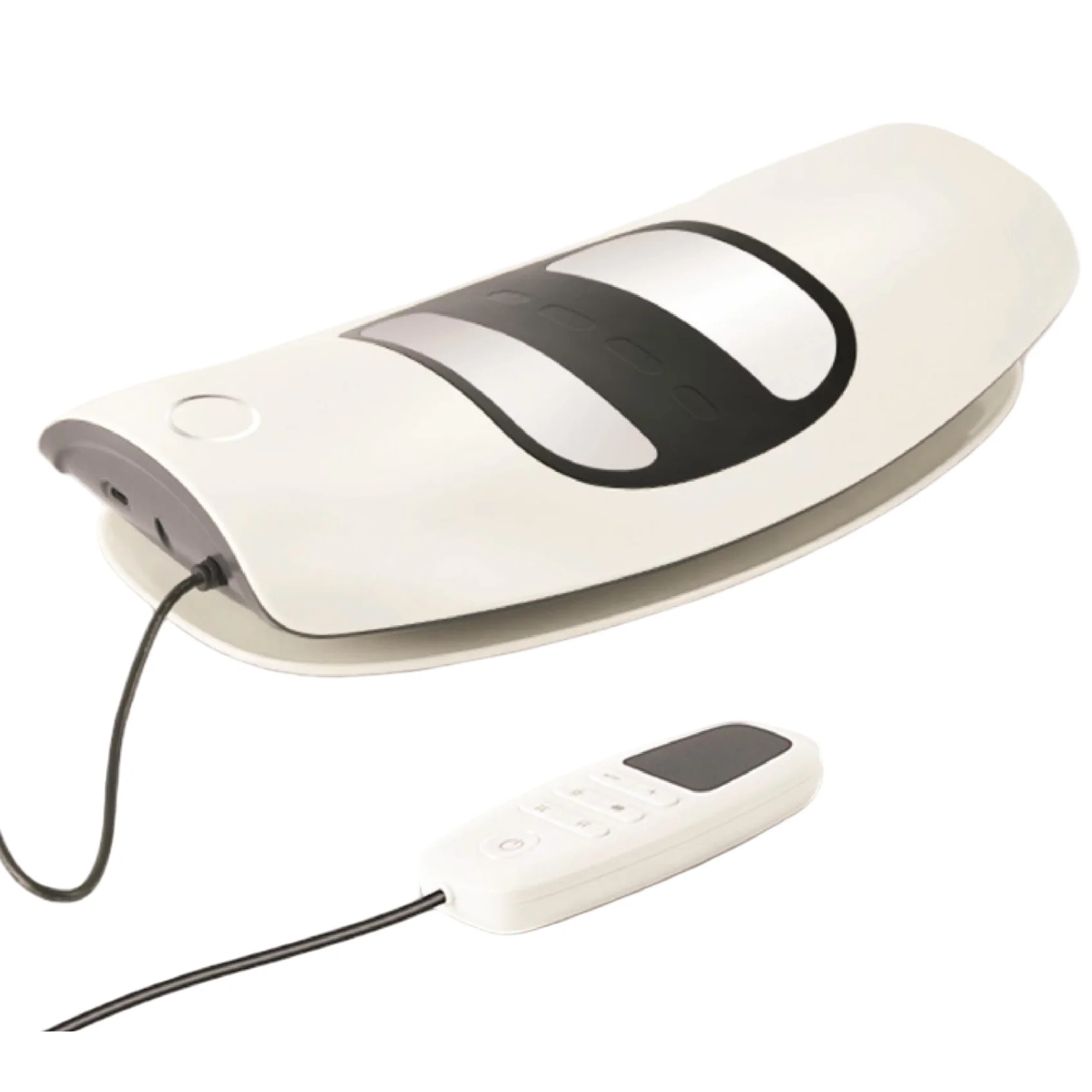
When your lower back feels tired, consistent movement and healthy recovery habits make the biggest difference. See it in action.













