

Do Magnetic Thermal Insulated Door Curtains Really Keep Cold Air Out?
Yes, a magnetic thermal insulated door curtain can help block cold air from entering through door openings by creating a covered barrier over draft-prone areas. When properly sized and installed, it reduces airflow through gaps, helps retain indoor warmth, and improves comfort during colder months. However, it works best as part of a complete winter door insulation approach rather than a replacement for damaged seals or major insulation upgrades.
These curtains are especially useful for entry doors, patio doors, garages, and frequently used doorways where heat loss occurs from repeated opening and closing. In colder climates, insulated and thermal models generally provide better winter door curtain insulation than lightweight mesh versions because they use thicker materials designed to slow heat transfer.
How Magnetic Thermal Insulated Door Curtains Work
A thermal magnetic door curtain combines an automatic magnetic closure system with insulating fabric layers to create a flexible barrier over your doorway. Unlike a standard curtain that stays open or requires manual adjustment, magnetic curtains use vertically aligned magnets that reconnect after someone walks through, helping reduce the time cold air can enter.
Magnetic Seal Explained
The center seam contains built-in magnets that pull together after the curtain separates. This self-closing design helps maintain coverage across the doorway while still allowing hands-free access for people, children, and pets.
- Creates a continuous barrier across the doorway opening
- Helps minimize drafts caused by frequent door movement
- Allows quick entry without opening and closing a traditional door
- Supports better temperature consistency near entry areas
How Thermal Layers Reduce Heat Loss
Insulated magnetic door curtains use thicker materials such as Oxford fabric, quilted layers, cotton lining, or multi-layer thermal construction to slow the movement of heat between indoor and outdoor spaces.
While results vary depending on door condition, climate, and installation quality, a properly fitted magnetic thermal insulated door curtain can improve perceived comfort by reducing cold spots and unwanted airflow around doors.
⏱ 6 min read
Magnetic Door Curtain: Best Options, Buying Guide & Installation Tips for Year-Round Comfort
Cold drafts around doors often come from small gaps that are easy to overlook but difficult to fix permanently. A magnetic door curtain provides a simple, no-drill way to add an extra insulation layer while keeping everyday access convenient. From winter draft protection to summer insect control, the right curtain depends on your doorway type, material preference, and seasonal needs.
Best Magnetic Thermal Insulated Door Curtains (Compared)
If you're searching for the best magnetic thermal insulated door curtain, the ideal option depends on your main goal—blocking cold air, improving winter insulation, keeping insects away, or creating easier access for pets and family members. The comparison below highlights common curtain types and where each performs best.
Quick Comparison Table
| Product Type | Best For | Material | Magnet Strength | Season |
|---|---|---|---|---|
| Thermal Insulated Curtain | Winter insulation and draft reduction | Oxford fabric + cotton lining | Strong | Winter |
| Mesh Magnetic Curtain | Bug protection and airflow | Polyester mesh | Medium | Spring/Summer |
| Heavy-Duty Magnetic Curtain | High traffic areas and pets | Reinforced fabric | Very strong | All-season |
| Sliding Door Magnetic Curtain | Wide openings and patio doors | Mesh or insulated fabric | Medium–strong | All-season |
Top Picks by Category
- Best Overall: A balanced magnetic door curtain with reliable magnets, durable materials, and simple installation.
- Best for Winter: An insulated magnetic door curtain with thermal layers designed to reduce drafts.
- Best for Pets: A reinforced curtain with strong auto-closing magnets and flexible access.
- Best Budget: A lightweight magnetic curtain for basic draft and insect protection.
- Best for Sliding Doors: An extra-wide magnetic curtain designed for larger openings.
Explore how magnetic curtains work in real homes
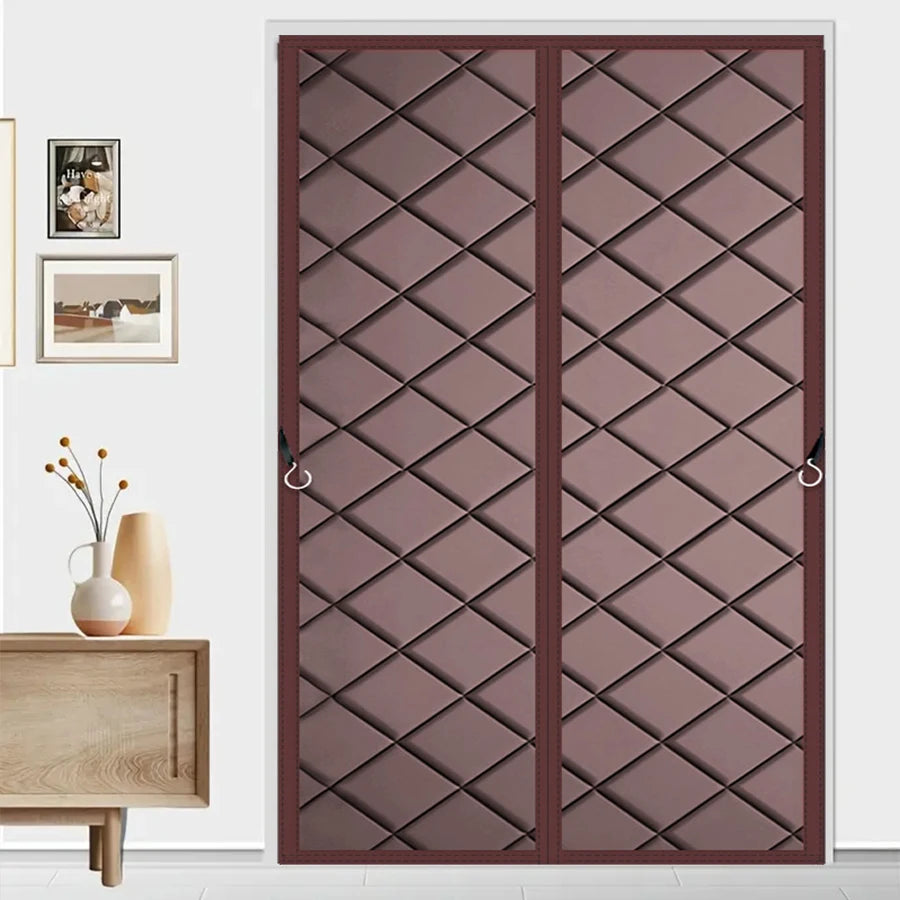
magnetic curtains for door help reduce drafts and improve comfort See it in action
Why Heat Escapes Through Doors Faster Than You Think
Doors are one of the most common areas where indoor heat escapes because even small gaps around frames, edges, and thresholds can allow warm air to leak out and cold air to enter. During winter, these air leaks can create noticeable drafts, uneven room temperatures, and increased demand on heating systems.
Common causes of heat loss around doors include:
- Temperature differences that push cold outdoor air through openings
- Small gaps around door frames caused by aging materials or movement
- Weather stripping that becomes compressed, damaged, or less effective over time
- Frequent door use that gradually weakens the original seal
Many quick fixes, such as rolled towels or basic draft blockers, only cover the bottom edge of a door. They may reduce some airflow but often leave side gaps and upper areas exposed. A winter door curtain insulation solution helps cover more of the doorway surface, creating an additional barrier that can help block cold air from door openings.
Learn how to reduce heat loss at doors step by step
What Is a Magnetic Thermal Insulated Door Curtain?
A magnetic thermal insulated door curtain is a flexible door cover designed with built-in magnets and insulating materials to create a self-closing barrier. Unlike a traditional curtain, it automatically reconnects after being opened, helping reduce the time that cold air can enter while keeping everyday movement convenient.
These curtains are commonly used as a magnetic door cover for entryways, patios, garages, and other high-traffic areas where homeowners want additional comfort without permanent installation.
Mesh vs Insulated vs Thermal Magnetic Door Curtain Models
- Mesh Magnetic Curtain: A lightweight option designed for airflow and insect protection. It works best during warmer seasons when ventilation is a priority.
- Insulated Magnetic Door Curtain: Uses thicker materials to help reduce drafts and retain indoor warmth, making it suitable for cooler weather.
- Thermal Magnetic Door Curtain: Features multi-layer construction designed for stronger winter door curtain insulation performance in colder climates.
Key Benefits Homeowners Love
- Helps block drafts without requiring permanent door modifications
- Provides easy installation with adhesive strips or Velcro attachments
- Allows hands-free access for children, pets, and frequent traffic
- Adds an extra insulation layer without the cost of major door upgrades
- Helps improve comfort in rooms affected by cold entry points
See the insulated door cover designed for winter comfort
Step-by-Step Installation Guide
Preparation
- Measure your door frame – Check the full width and height of the opening before installation. The curtain should extend beyond the edges slightly to help prevent uncovered gaps where cold air can enter.
- Clean the surface – Remove dust, grease, and moisture from the door frame area. A clean surface helps adhesive strips or Velcro attachments hold more securely.
Installation
- Attach the top first – Position the curtain evenly across the doorway and secure the top section before adjusting the sides. Proper centering helps the magnetic seam close correctly.
- Secure the sides tightly – Press the side edges firmly against the frame to reduce open spaces. Loose attachment points can create airflow gaps and reduce insulation performance.
Testing the Seal
- Test the seal – Walk through the curtain several times to confirm that the magnets reconnect automatically. Check that the center seam closes fully and no visible gaps remain.
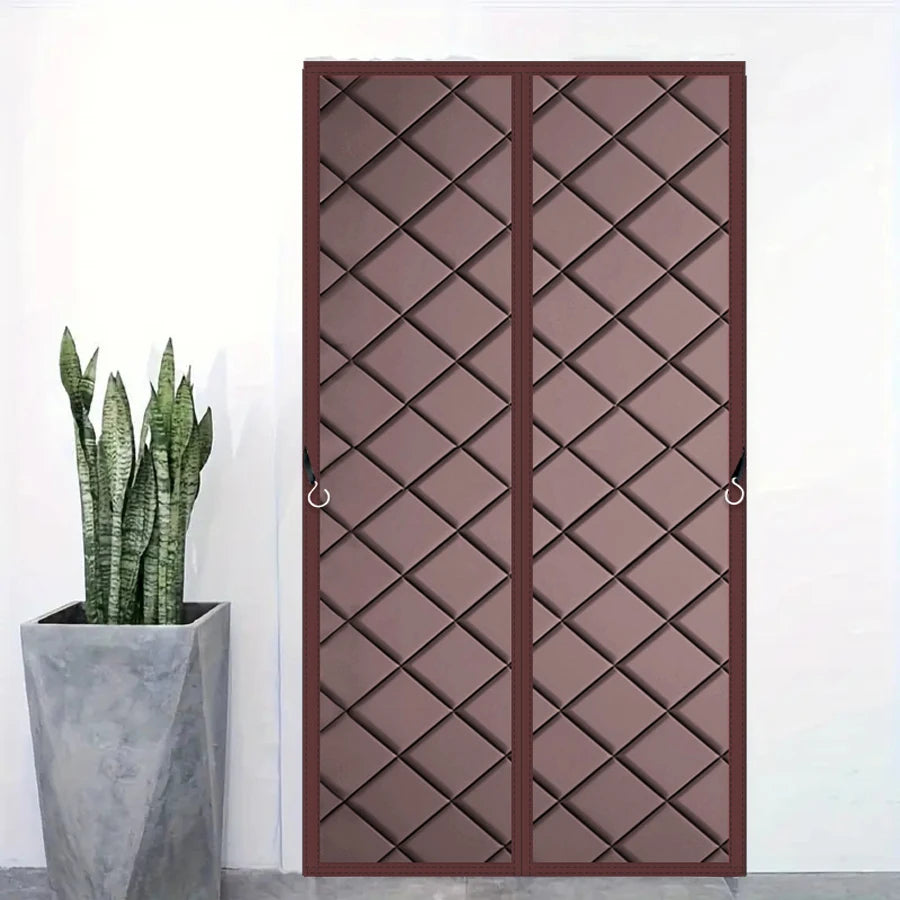
proper installation improves sealing performance See how it fits
Which doorway needs the most help in your home? Entry doors, patio doors, garage access points, and frequently used exterior doors are often the areas where a magnetic thermal insulated door curtain can make the biggest comfort improvement.
Explore more home comfort and energy-saving solutions
Common Installation Mistakes to Avoid
Even a high-quality door draft stopper magnetic curtain may perform poorly if it is installed incorrectly. Small gaps, weak attachment points, or incorrect sizing can reduce its ability to block airflow and maintain indoor comfort.
| ❌ Mistake | ✅ Better Approach |
|---|---|
| Incorrect sizing | Measure the entire doorway and choose a curtain that provides enough coverage beyond the frame. |
| Poor alignment | Center the magnetic seam carefully so magnets connect evenly from top to bottom. |
| Weak side adhesion | Clean the surface first and press adhesive firmly along all edges to prevent gaps. |
| Using thin materials in cold weather | Choose insulated or thermal designs when winter draft protection is the main goal. |
How Effective Are Magnetic Thermal Door Curtains?
The effectiveness of a magnetic thermal door curtain depends on factors such as climate, doorway condition, material thickness, and installation quality. When fitted correctly, many homeowners notice improved comfort because the curtain helps reduce unwanted airflow and cold spots near doors.
By Climate
- Cold climates: Insulated and thermal models are better suited for winter because thicker layers help slow heat transfer and reduce drafts.
- Mild climates: Lightweight insulated curtains can provide seasonal comfort without making doorways feel bulky.
- Warm climates: Mesh magnetic curtains may be preferred when airflow and insect protection matter more than insulation.
By Room Type
- Entry doors: Helps create an additional barrier where outdoor air frequently enters.
- Garages and basements: Useful for reducing drafts from less insulated areas connected to living spaces.
- Patio and sliding doors: Wide magnetic curtains can help cover larger openings while maintaining easy access.
For stronger results, combine a magnetic door curtain with other insulation methods such as proper weatherstripping and sealing visible gaps around the frame.
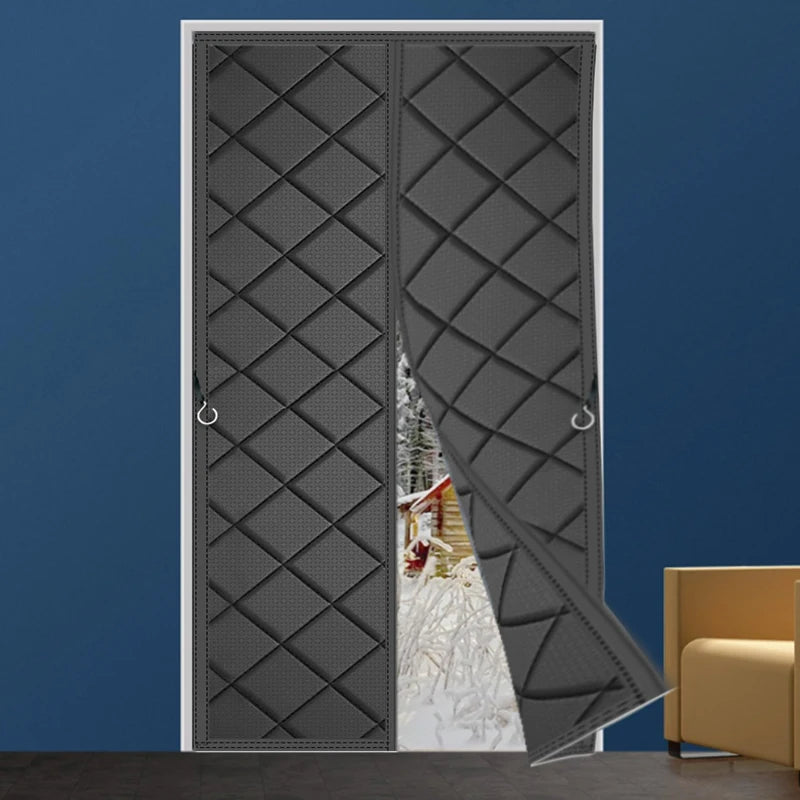
magnetic door curtain improves comfort and reduces airflow Feel the difference
Get yours now — limited winter availability
How to Measure Your Door Before Buying
Choosing the correct size is one of the most important steps when buying a magnetic door curtain. A curtain that is too small can leave gaps where cold air enters, while an oversized curtain may not align properly with the doorway. Accurate measurements help improve sealing performance and make installation easier.
Standard Doors
For standard entry doors, measure the full width and height of the door frame, including the area you want the curtain to cover. Choose a magnetic door curtain that extends slightly beyond the opening to provide better draft protection.
- Measure the widest point of the doorway
- Measure from the top frame to the floor or bottom attachment area
- Check that nearby handles, trim, or decorations will not block installation
Sliding Doors
A magnetic curtain for sliding door openings requires extra attention because these areas are usually wider than standard doors. Measure the entire opening rather than only the moving door panel to ensure complete coverage.
- Measure the total width of the sliding door track area
- Check available space around the frame for side attachment
- Choose wider panels designed for large openings
Double Doors
Double doors often have a wider center seam, making proper alignment especially important. Measure both panels together and confirm that the magnetic closure can meet evenly in the middle.
- Measure the combined width of both door sections
- Allow enough overlap to prevent airflow gaps
- Confirm that the installation surface is strong enough for adhesive or Velcro attachments
Buying Guide: How to Choose the Right Magnetic Thermal Insulated Door Curtain
The best magnetic thermal insulated door curtain depends on your doorway type, climate, material preference, and how often the entrance is used. A well-designed curtain should balance insulation performance, durability, and everyday convenience.
Size & Fit
A proper fit helps maximize insulation. Look for an insulated magnetic door curtain that fully covers the opening with enough overlap around the edges to reduce drafts.
- Choose full doorway coverage rather than an exact edge-to-edge fit
- Consider frame clearance before installing
- Avoid sizes that create gaps around the magnetic seam or sides
Material
The material determines how well a magnetic door cover performs in different environments.
- Mesh: Lightweight, breathable, and better suited for insect protection and warm-weather airflow
- Oxford fabric: Durable, resistant to daily wear, and suitable for many high-traffic areas
- Quilted or thermal multi-layer fabric: Designed for colder climates where winter insulation is a priority
Magnet Strength
Strong, evenly distributed magnets help the curtain close quickly after use. Weak or poorly positioned magnets may leave openings that reduce draft protection.
- Look for magnets spaced consistently along the center seam
- Test that the curtain reconnects smoothly after opening
- Consider stronger closures for homes with pets or frequent traffic
Door Compatibility
Different door types require different curtain designs. Standard doors, sliding doors, garages, and patio entrances may need different widths, attachment methods, and material strengths.
- Entry doors: Prioritize insulated materials for cold-weather comfort
- Sliding doors: Choose wider models designed for larger openings
- Garages and utility areas: Consider durable fabrics that handle frequent use
Maintenance
Regular care helps extend the lifespan of a magnetic door curtain and keeps the closure system working properly.
- Remove dust and debris from the fabric and magnets regularly
- Follow the manufacturer’s cleaning instructions
- Store the curtain properly if it is only used seasonally
- Check adhesive points occasionally and reinforce if needed
Magnetic Door Curtains vs Other Door Insulation Solutions
Magnetic door curtains are one option for improving comfort around drafty entrances. Comparing them with other solutions can help determine which method fits your home and budget.
Weatherstripping
Weatherstripping seals small gaps around door frames and is often useful for permanent draft reduction. It works well alongside a magnetic curtain when improving overall insulation.
Learn how to reduce heat loss at doors step by step
Foam Seals
Foam seals are affordable and simple to install around door edges. They are effective for small cracks but may not provide the full doorway coverage of a magnetic curtain.
Draft Stoppers
Traditional draft stoppers help block airflow under doors but usually leave side and upper gaps uncovered. A magnetic curtain creates a wider barrier while allowing easier movement through the doorway.
Frequently Asked Questions
What is a magnetic thermal insulated door curtain?
A magnetic thermal insulated door curtain is a fabric door cover with built-in magnets and insulating layers designed to help reduce drafts, limit airflow, and improve comfort near door openings.
Do magnetic thermal insulated door curtains really block cold air?
Yes, when properly sized and installed, they can help reduce cold airflow through door openings. Their effectiveness depends on material thickness, installation quality, and the condition of the existing door seal.
How do I measure a door for a magnetic insulated curtain?
Measure the full width and height of the doorway, including the frame area you want covered. Sliding and double doors usually require wider measurements to ensure complete coverage.
Can magnetic door curtains be installed without drilling?
Yes, most magnetic door curtains use adhesive strips or Velcro attachments, making them suitable for renters and homeowners who prefer a no-drill installation.
Do magnetic thermal door curtains work on sliding doors?
Yes, wider magnetic curtain models can be used on sliding doors when they are sized correctly for the larger opening.
Are magnetic insulated door curtains suitable for renters?
Yes, removable installation methods make many magnetic insulated door curtains a practical option for rental properties.
Which material provides the best insulation?
Thermal multi-layer fabrics generally provide stronger insulation than lightweight mesh options. Oxford fabric and quilted materials can also provide durability and additional protection against drafts.
How much energy can a thermal door curtain save?
The amount of energy saved varies depending on the home, climate, door condition, and heating system. A thermal door curtain can help reduce heat loss by limiting drafts, but it works best when combined with other insulation improvements.
Related Guide: Reduce Heat Loss at Doors Step by Step for Winter













