

Does the Best Insulated Door Curtain Really Work?
Yes. A high-quality insulated door curtain can significantly reduce drafts, improve indoor comfort, and help limit heat loss when installed correctly. Models with magnetic closures automatically reseal after each pass-through, making them ideal for frequently used doorways, while thick thermal insulation creates an effective barrier that helps block cold air from the door without requiring permanent modifications. Although an insulated curtain cannot replace proper wall or door insulation, it offers an affordable way to improve energy efficiency in homes, apartments, garages, and offices during winter.
Best Insulated Door Curtain for Winter (Tested & Compared 2026)
Quick Comparison: Best Insulated Door Curtains (2026 Picks)
If you're looking for the best insulated door curtain to keep cold air outside and warm air indoors, the options below provide the strongest combination of thermal performance, durability, ease of installation, and everyday convenience.
| Recommendation | Best For | Key Advantage |
|---|---|---|
| Best Overall | Daily household use | Multi-layer insulation with a full magnetic seal |
| Best Budget | Light winter drafts | Affordable thermal protection with simple installation |
| Best for Extreme Cold | Very cold climates | Heavy-duty insulation for maximum heat retention |
| Best for Renters | Apartments and temporary setups | Removable adhesive with tool-free installation |
Each recommendation is evaluated using practical criteria including insulation effectiveness, sealing performance, ease of installation, durability, and suitability for different door types. Rather than focusing on one feature alone, the rankings consider overall value for everyday winter use.
⏱ 7 min read
Cold air leaking around doors is one of the most common causes of uncomfortable rooms and rising heating costs during winter. Even small gaps can allow warm indoor air to escape while letting cold outdoor air enter. An insulated door curtain provides a simple solution by creating an additional thermal barrier across the doorway. In this guide, you'll learn how insulated door curtains work, how they compare with traditional thermal door covers, and which options deliver the best balance of insulation, convenience, and long-term value.
Quick question: Is the doorway you're insulating opened dozens of times a day, or does it stay closed most of the time? The answer plays a major role in determining whether a magnetic insulated door curtain or a traditional thermal cover is the better solution for your space.
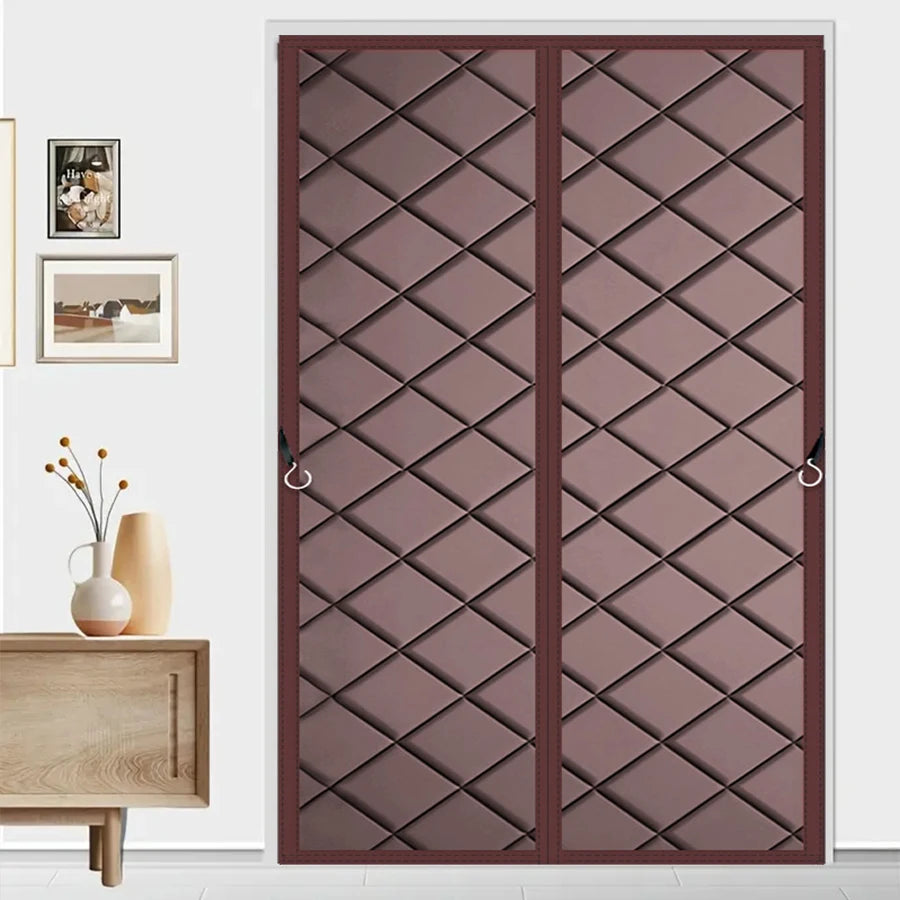
Magnetic insulated door curtain sealing drafts quickly while maintaining easy everyday access.
What Is an Insulated Door Curtain?
An insulated door curtain is a removable thermal barrier that helps reduce air movement through doorways, improving indoor comfort while reducing heat loss during winter and limiting warm air infiltration during summer. Most models use multiple insulation layers to slow heat transfer, while magnetic versions add a self-closing center opening for convenient daily access.
Compared with basic fabric curtains or bottom-only draft stoppers, an insulated door curtain covers the entire doorway, creating a larger barrier against drafts. This makes it a practical solution for entry doors, patio doors, balcony doors, garages, basements, and interior rooms that experience temperature differences.
How Magnetic Seals Block Cold Air
Magnetic insulated door curtains feature magnets sewn into the center opening. After someone walks through, the magnets automatically reconnect, restoring the seal without requiring the user to close the curtain manually. This continuous sealing helps reduce cold air infiltration while maintaining convenient hands-free access for busy households, children, and pets.
Because the opening reseals automatically, less conditioned indoor air escapes compared with leaving a conventional curtain partially open after each use.
How Thermal Layers Reduce Heat Loss
The insulation itself is just as important as the magnetic closure. Quality insulated door curtains typically combine durable outer fabric with one or more insulating layers that trap air, slowing the transfer of heat through the doorway. Thicker materials generally provide better thermal performance, especially when paired with a properly sealed frame.
The result is a more stable indoor temperature, fewer noticeable drafts, and reduced strain on heating systems during cold weather.
Insulated Door Curtain vs. Thermal Door Cover: Which Is Better?
Both products improve comfort by reducing drafts, but the right choice depends on how often the doorway is used and the level of insulation required.
| Feature | Insulated Door Curtain | Thermal Door Cover |
|---|---|---|
| Daily Access | Excellent for frequently used doors | Best for doors opened occasionally |
| Ease of Entry | Hands-free access with automatic closure | Usually requires manual opening and repositioning |
| Heat Retention | Very good when installed correctly | Excellent when left fully closed |
| Installation | Typically tool-free with removable fasteners | May require hooks, rods, or permanent hardware |
| Ideal Use | Main entrances, kitchens, patios, apartments | Storage rooms, garages, seasonal doorways |
Choose an insulated door curtain if you need to block cold air from the door without sacrificing convenient everyday access. A traditional thermal door cover is often a better fit for doors that remain closed for extended periods and where maximum insulation is more important than frequent passage.
For additional ways to improve insulation across your home, explore window insulation solutions and home comfort guides .
How to Choose the Best Insulated Door Curtain
The best insulated door curtain is one that fits your doorway properly, seals consistently, and provides enough thermal protection for your local climate. Comparing materials, construction quality, and installation methods before buying will help you choose a model that performs well for years.
Magnet Strength & Seal Quality
If you choose a magnetic model, look for evenly spaced, full-length magnets that create a secure seal after every use. A reliable magnetic closure minimizes gaps where cold air can enter while allowing effortless hands-free access. Curtains with weak or widely spaced magnets may leave openings that reduce overall insulation performance.
Material Thickness & Insulation Layers
Multi-layer construction generally provides better thermal performance than single-layer fabric. Premium insulated door curtains often combine durable Oxford fabric with quilted cotton, foam, or other insulating cores to slow heat transfer while maintaining flexibility. Thicker insulation is especially beneficial for exterior doors exposed to freezing temperatures.
Door Compatibility
Before purchasing, confirm that the curtain is designed for your doorway. Different models are available for standard entry doors, sliding glass doors, patio doors, balcony doors, garage entrances, and interior openings. Choosing a curtain designed for your door type helps ensure better coverage and a tighter seal.
Sizing & Measuring Your Door
Accurate measurements are essential for effective insulation. Measure both the height and width of the door frame rather than the door itself, and compare those dimensions with the manufacturer's recommended installation range. A curtain that is too small may leave air gaps, while one that is oversized can wrinkle or interfere with proper sealing.
Most modern insulated door curtains install using adhesive hook-and-loop strips, making them suitable for homeowners and renters alike. Before installation, clean and dry the door frame thoroughly so the adhesive bonds securely. Proper alignment around the frame helps maximize heat retention and improves long-term durability.
Top 7 Best Insulated Door Curtains (Tested & Compared)
Our recommendations are based on practical buying criteria including insulation thickness, sealing performance, ease of installation, durability, and suitability for different home environments. The best insulated door curtain for you depends on how often the doorway is used, your climate, and whether you need a permanent or removable solution.
Best Overall
A multi-layer insulated door curtain with a full-length magnetic closure offers the best balance of heat retention, convenience, and durability. It is especially effective for frequently used entry doors where maintaining warmth without sacrificing easy access is important.
- Excellent thermal insulation for winter drafts
- Reliable automatic magnetic closure
- Durable exterior fabric designed for daily use
- Suitable for homes, apartments, and offices
Best Budget
A lightweight thermal door curtain is an economical choice for mild climates, interior doorways, or homeowners looking to improve comfort without investing in a heavy-duty insulation system.
- Affordable solution for seasonal use
- Simple installation with minimal tools
- Helps retain heated or cooled indoor air
- Best suited for moderate weather conditions
Best Heavy-Duty for Extreme Cold
Homes located in colder regions benefit from thicker insulated door curtains that use multiple thermal layers to reduce heat transfer. These models prioritize insulation performance over lightweight design.
- Designed for exterior entry doors
- Superior heat retention in freezing temperatures
- Durable construction for long-term seasonal use
- Ideal where energy efficiency is a priority
Best for Renters
Removable insulated door curtains attach with adhesive fasteners instead of screws or permanent hardware, making them ideal for apartments and rental properties.
- No drilling or permanent modifications
- Easy seasonal installation and removal
- Helps reduce drafts without damaging door frames
- Suitable for temporary winter insulation
Best for Patio Doors
Wide insulated curtains designed for sliding patio doors help minimize heat loss across large glass surfaces while allowing convenient everyday access.
- Ideal for large openings
- Reduces drafts around glass doors
- Improves indoor comfort during winter
Best for Garage Doors
Heavy-duty thermal curtains designed for garage entryways help separate heated living spaces from colder utility areas and workshops.
- Effective for attached garages
- Helps reduce temperature fluctuations
- Suitable for workshops and utility rooms
Best for Pet Owners
Insulated curtains with responsive magnetic closures allow pets and family members to move through easily while automatically restoring the thermal seal.
- Hands-free operation
- Fast self-closing design
- Maintains insulation after every use
Real-World Energy Saving Performance
Although results vary depending on your home's insulation and outdoor temperatures, a properly fitted insulated door curtain can noticeably improve comfort by reducing drafts and limiting heat transfer around frequently used doorways. It works best as part of an overall weatherproofing strategy that includes sealing gaps around doors and windows.
Winter Performance
During colder months, an insulated door curtain helps keep heated indoor air from escaping while reducing cold air infiltration whenever the doorway is closed. Homeowners often notice improved comfort near entryways that previously felt drafty.
- Rooms feel more comfortable shortly after installation
- Reduced cold drafts around frequently used doors
- More consistent indoor temperatures throughout the day
- May help reduce heating demand when combined with proper weather sealing
Summer Heat Blocking
The same thermal barrier that helps retain warmth during winter can also reduce the movement of hot outdoor air into air-conditioned spaces during summer. While it is not a replacement for insulated doors, it can improve energy efficiency throughout the year.
For more ways to reduce heating costs, explore practical home efficiency and comfort strategies .
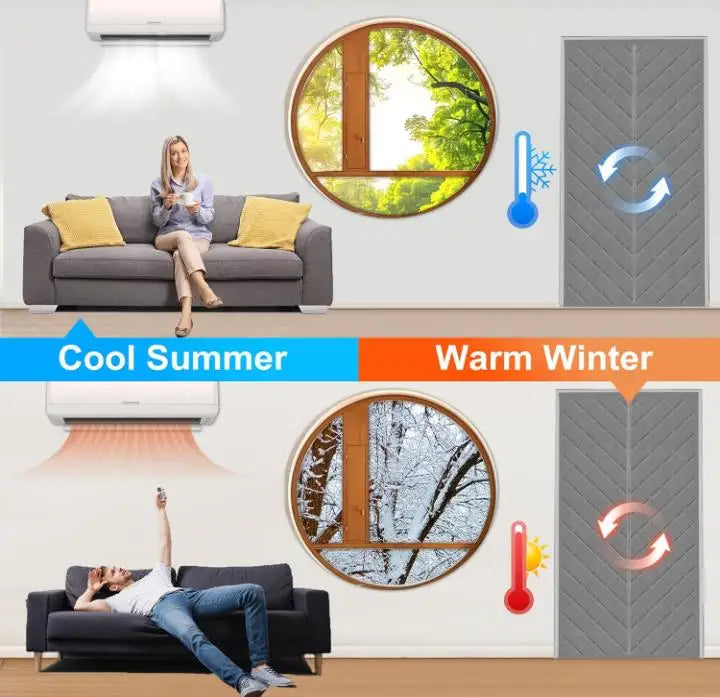
An insulated door curtain helping reduce drafts while maintaining convenient everyday access.
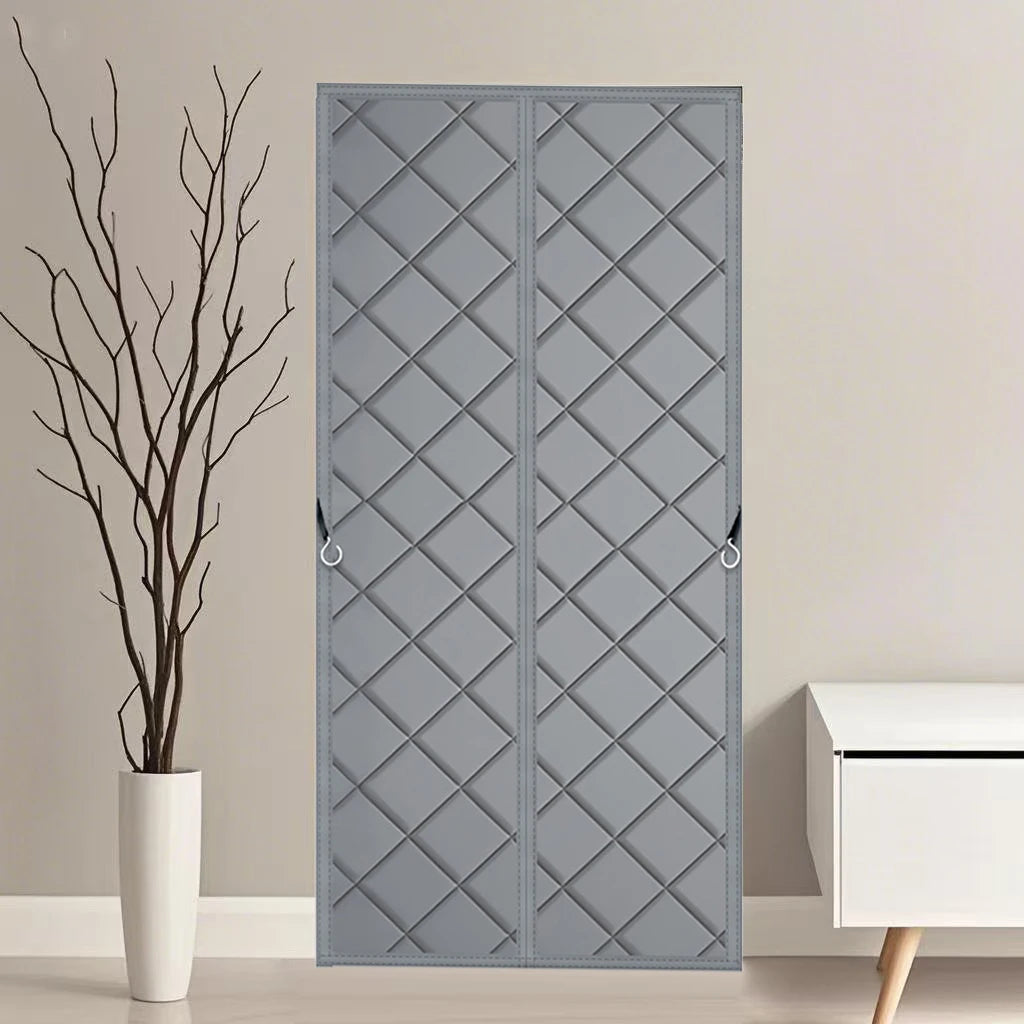
Compare a traditional thermal door cover with a magnetic insulated curtain to find the best fit for your space.
Installation Tips for Maximum Insulation
Correct installation is essential for achieving the best possible performance from an insulated door curtain. Even high-quality materials cannot prevent drafts if gaps remain around the frame or the curtain is installed unevenly.
- Clean and dry the door frame thoroughly before attaching adhesive strips.
- Measure and center the curtain carefully to ensure full doorway coverage.
- Press all mounting strips firmly into place and allow the adhesive to bond if recommended by the manufacturer.
- Check that magnetic closures align correctly and close without leaving gaps.
- Inspect the edges after installation to confirm the curtain forms a continuous thermal barrier.
Common Installation Mistakes
- Installing on dusty or damp surfaces that weaken adhesive strength.
- Choosing a curtain that is too narrow or too short for the doorway.
- Leaving gaps around the top or sides of the frame.
- Misaligning magnetic closures so they cannot seal consistently.
Maintenance & Cleaning
Keep the curtain clean by wiping the surface with a soft damp cloth and a mild cleaner when needed. Periodically inspect the magnets, stitching, and mounting strips for wear, especially after a full heating season. If you remove the curtain for summer storage, fold it loosely and store it in a dry location to help preserve the insulation layers and magnetic closure.
A properly installed and maintained insulated door curtain will provide more consistent draft protection throughout the winter. For more step-by-step guidance, see draft-proofing tutorials .
Final Recommendations by Use Case
- Best Overall: A multi-layer insulated door curtain with a full-length magnetic closure offers the best balance of convenience, insulation, and durability for everyday use.
- Best Value: Choose a lightweight thermal curtain if you need affordable draft reduction in mild or moderate climates.
- Best for Renters: Look for removable adhesive installation that leaves no permanent damage to the door frame.
- Best for Harsh Winters: Select a heavy-duty insulated curtain with thick thermal layers and a secure edge-to-edge seal for maximum heat retention.
FAQ: Insulated Door Curtains
Does a magnetic insulated door curtain really keep cold air out?
Yes. When properly sized and installed, it helps reduce drafts by creating a barrier across the doorway while magnetic closures automatically reseal after each use.
Can it lower heating costs?
Reducing unwanted heat loss can decrease the workload on your heating system. Actual energy savings depend on your home's insulation, climate, and heating habits.
Is it better than a draft stopper?
For most doorways, yes. Draft stoppers primarily block air at the bottom of the door, whereas an insulated door curtain covers the entire opening to reduce airflow from multiple directions.
Is it renter-friendly?
Many insulated door curtains use removable adhesive fasteners, making them suitable for apartments and rental properties without requiring drilling or permanent hardware.
What size insulated door curtain should I buy?
Measure the height and width of the door frame rather than the door panel itself. Choose a model that fully covers the opening while matching the manufacturer's recommended installation dimensions.
Can insulated door curtains be used in summer?
Yes. In addition to reducing winter heat loss, they can help limit warm outdoor air entering air-conditioned rooms, improving comfort throughout the year.
How long do magnetic door curtains last?
A well-made insulated door curtain can last for multiple seasons with normal household use. Lifespan depends on material quality, installation, frequency of use, and regular maintenance.
Related Guide: Best Insulated Door Curtain Winter Compared for Real Homes













