

Foam Roller for Muscle Recovery: Best Options, Benefits & How to Use
Quick Picks: Best Foam Rollers for Muscle Recovery (2026 Tested)
Best Overall Foam Roller
A medium-density textured foam roller offers the best balance between comfort and effectiveness. In testing, it performed well across full-body recovery, improving mobility while still delivering enough pressure to reduce soreness.
Best for Deep Tissue & Trigger Points
High-density rollers with ridged or grid textures deliver deeper pressure and better trigger point targeting. These are ideal for athletes or users dealing with stubborn muscle knots.
Best for Beginners
Low-density smooth foam rollers provide gentle, consistent pressure. They are easier to control and reduce discomfort, making them ideal for those new to foam rolling.
Best for Back Pain Relief
Long, medium-density rollers support spinal alignment and allow controlled pressure across the upper and mid-back. They are especially useful for posture-related tension.
Best Budget Option
Basic EVA foam rollers still deliver reliable recovery benefits at a lower cost. While they lack advanced textures, they remain effective for general muscle recovery.
How We Tested the Best Foam Rollers
To identify the best foam roller for muscle recovery, we evaluated performance based on real-world recovery needs:
- Durability & build quality: Resistance to deformation after repeated use
- Density & pressure effectiveness: Ability to deliver both gentle and deep tissue compression
- Muscle targeting performance: Precision in releasing trigger points and tight fascia
- Ease of use & versatility: Suitability for beginners through advanced users
This approach ensures recommendations align with actual recovery outcomes, not just product claims.
Comparison Table: Top Foam Rollers at a Glance
Use this quick comparison to find the best foam roller for your recovery needs.
- Density: Soft (beginner) → Firm (deep tissue)
- Texture: Smooth (gentle) → Textured (trigger point targeting)
- Length: Short (targeted areas) → Long (full-body support)
- Best For: Recovery, mobility, pain relief, or athletic performance
⏱ 7 min read
Ever feel like stretching isn’t enough to shake off stubborn soreness? A foam roller is one of the most effective tools for self-myofascial release, helping improve mobility, reduce tightness, and support faster recovery—without needing professional treatment.
Explore practical options inside the Body Care and Health Devices collection.
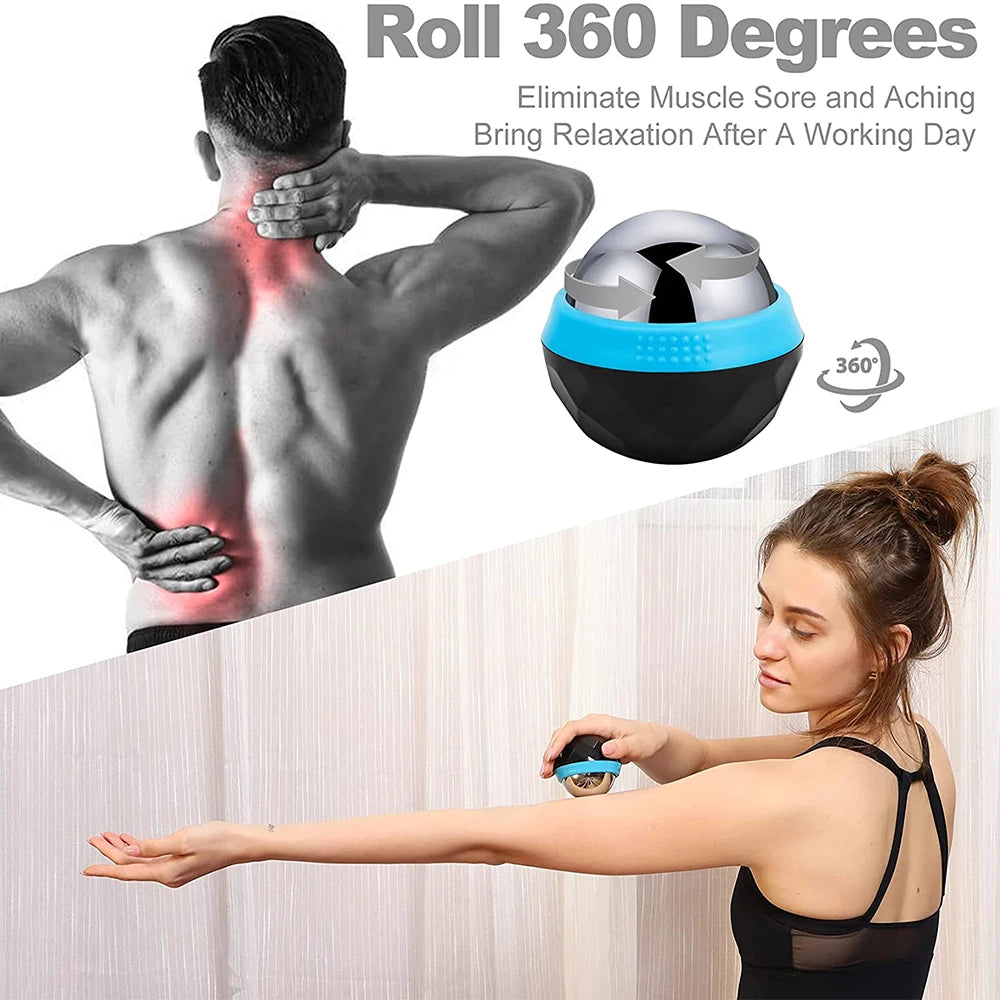
Massage foam roll design for targeted relief See it in action
Does Foam Rolling Help Muscle Recovery? (Science Explained)
Foam rolling supports muscle recovery by increasing blood flow, reducing muscle stiffness, and improving fascia mobility. This process—known as myofascial release—helps break up adhesions and allows muscles to move more freely.
Research shows foam rolling can reduce delayed onset muscle soreness (DOMS), improve range of motion, and maintain strength performance when used consistently. While it does not replace rest or proper training, it significantly enhances recovery efficiency.
Massage Foam Roller Benefits for Recovery Performance
- Reduces soreness: Helps minimize post-workout discomfort
- Improves mobility: Enhances flexibility and joint range of motion
- Boosts circulation: Increases blood flow for faster recovery
- Releases muscle knots: Targets trigger points effectively
- Supports injury prevention: Maintains tissue quality and movement patterns
Why Foam Roller Design Matters More Than You Think
Surface Texture & Trigger Point Targeting
Textured rollers apply varied pressure across the muscle, mimicking hands-on massage. Raised zones help isolate trigger points, making them ideal for deep tissue foam rolling.
Density, Core & Durability Explained
Density determines intensity. Softer rollers suit beginners, while high-density rollers provide deeper muscle penetration. Hollow-core designs improve durability and maintain consistent pressure over time.
Best Foam Roller Types for Different Needs
Smooth vs Textured Rollers
Smooth rollers provide uniform pressure, while textured rollers deliver targeted relief for muscle knots.
Soft vs Firm Density
Soft rollers are ideal for sensitive muscles, while firm rollers provide deeper pressure for advanced recovery.
Short vs Long Rollers
Short rollers are portable and precise, while long rollers support full-body use and spinal alignment.
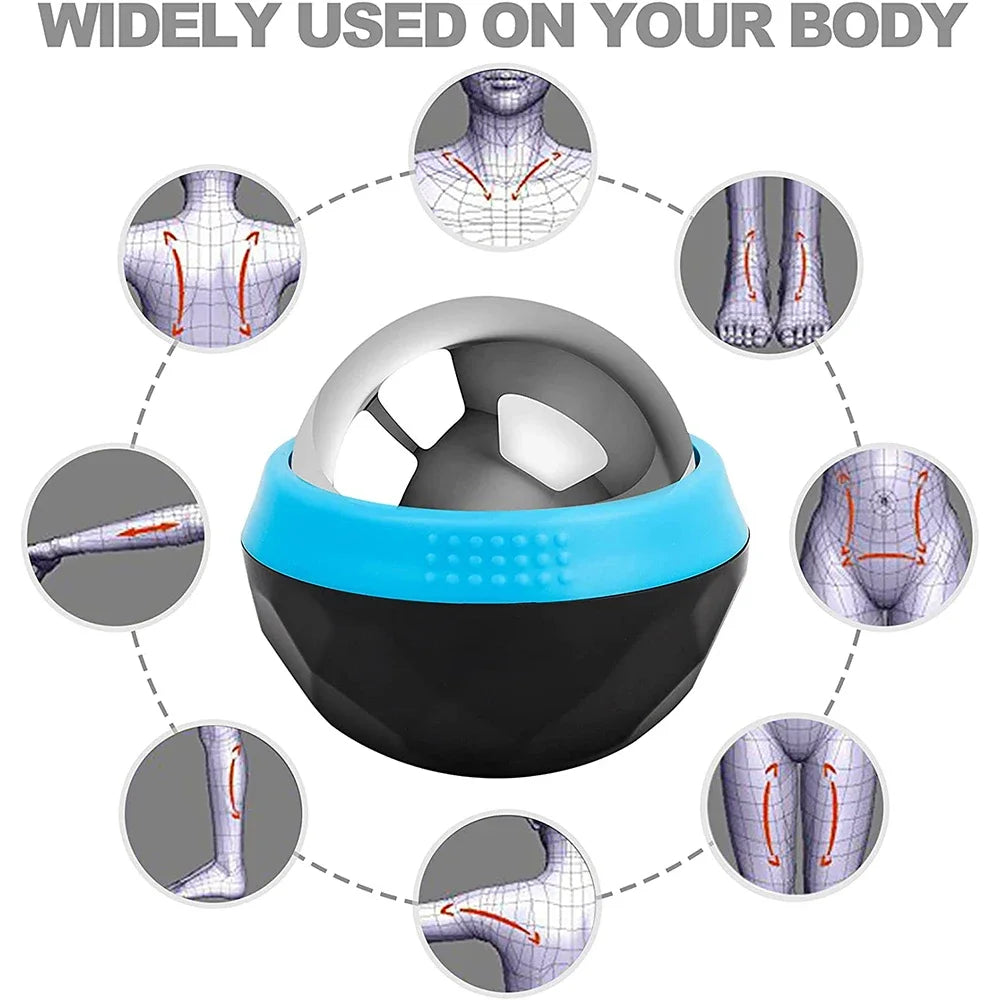
Deep tissue muscle recovery tool for everyday use See it in action
Foam Roller vs Other Recovery Tools
Foam Roller vs Massage Gun
Foam rollers provide broad pressure across large muscle groups, while massage guns deliver rapid, targeted percussion therapy.
Foam Roller vs Stretching
Stretching improves flexibility, while foam rolling reduces muscle tightness. Combining both delivers optimal results.
Foam Roller vs Professional Massage
Foam rolling is a cost-effective self-care method, while professional massage offers deeper manual treatment.
How to Use a Foam Roller for Muscle Recovery (Step-by-Step)
Full-Body Foam Rolling Routine
- Start with calves and roll slowly for 30–60 seconds.
- Move to hamstrings and quads.
- Roll glutes and hips.
- Finish with upper back and shoulders.
Trigger Point Foam Roller Techniques
Pause on tight areas for 20–30 seconds to allow the muscle to release before continuing.
Common Mistakes to Avoid
- Rolling too quickly
- Using excessive pressure too early
- Avoiding sore areas
Pairing foam rolling with tools like the ice massage roller ball can help reduce inflammation and improve recovery after intense workouts.
Best Foam Roller Exercises for Sore Muscles & Recovery
- Calf roll for lower leg tightness
- IT band roll for outer thigh tension
- Quad roll for post-workout soreness
- Upper back roll for posture and stiffness
- Glute roll for deep hip muscle release
Foam Roller for Back Pain Relief: What Works Best
A medium-density long foam roller works best for back pain relief. It supports the spine while allowing controlled pressure across back muscles.
Focus on the upper and mid-back—not the lower spine. Slow movements combined with deep breathing help reduce tension and improve posture.
Learn how supportive tools from Body & Face Blog fit seamlessly into daily care.
Who Should Use a Foam Roller (And Safety Considerations)
Foam rollers are ideal for athletes, office workers, and anyone experiencing muscle tightness or reduced mobility.
Avoid or consult a professional if you have:
- Acute injuries or inflammation
- Severe or unexplained pain
- Joint instability or medical conditions affecting soft tissue
Using proper technique and moderate pressure reduces the risk of discomfort or injury.
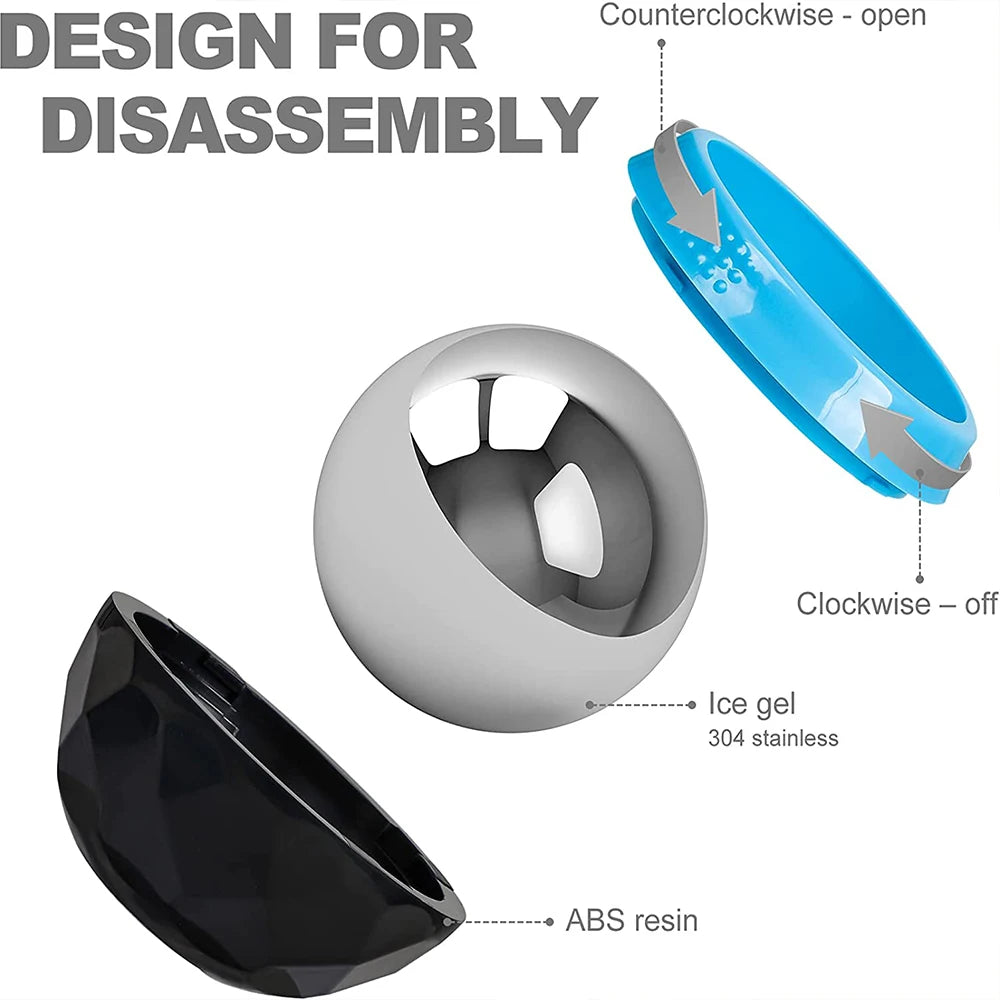
Myofascial release massage equipment at home See it in action
Foam Roller FAQs
What type of foam roller is best for muscle recovery?
A medium-density textured roller offers the best balance of comfort and effectiveness for most users.
Does foam rolling reduce muscle soreness after workouts?
Yes, foam rolling can reduce DOMS and improve recovery when used consistently.
How long should you foam roll each muscle group?
Spend 30–60 seconds per muscle group for optimal results.
Is a textured foam roller better than a smooth one?
Textured rollers are better for deep tissue and trigger points, while smooth rollers suit beginners.
Can foam rolling replace stretching?
No, foam rolling and stretching serve different purposes and work best when combined.
Experience targeted relief with tools designed for real results.
Related Guide: Cryotherapy for Muscle Recovery Features That Speed Healing













