

Does a massage stick or foam roller work better for soreness?
For most people, the answer depends on where your soreness is and how you want to recover. In a massage stick vs foam roller for soreness comparison, a foam roller is generally the better choice for widespread muscle fatigue after full-body workouts, while a massage stick excels at relieving tight knots, trigger points, and smaller muscle groups that need precise pressure.
Foam rollers use your body weight to create broad compression across muscles such as the quads, hamstrings, glutes, and back. This makes them effective for improving mobility, increasing blood flow, and reducing stiffness after demanding training sessions.
A massage stick provides more control because you apply the pressure yourself. That precision makes it easier to work around sensitive areas, gradually increase intensity, and target specific muscles like the calves, forearms, or shoulders without placing your full body weight on the tool.
Rather than asking which tool is universally better, consider your recovery goal. Choose a foam roller for overall muscle recovery and flexibility, choose a massage stick for localized soreness and trigger points, or use both together for a more complete recovery routine. This combination often delivers the best balance of broad muscle release and targeted relief.
Massage Stick vs Foam Roller: Which Is Better for Muscle Recovery?
⏱ 7 min read
If you're deciding between a massage stick and a foam roller, you're choosing between two proven self-massage tools that work in different ways. While both can help ease delayed onset muscle soreness (DOMS), improve circulation, and reduce muscle tightness, each is designed for different recovery situations. This guide compares their pressure, coverage, comfort, and practicality so you can choose the recovery tool that best matches your workouts and lifestyle.
Foam Roller vs Massage Stick: Key Differences Explained
Pressure & Leverage
A foam roller relies on your body weight to generate pressure, making it capable of producing deeper compression across larger muscles. A massage stick uses hand-applied force instead, allowing you to increase or reduce pressure instantly for a more customized recovery experience. If you are new to self-myofascial release or recovering from mild soreness, the adjustable pressure of a massage stick often feels more manageable.
Surface Area & Muscle Coverage
One of the biggest differences between foam rollers and massage sticks is the amount of muscle they can treat at once. Foam rollers efficiently cover large muscle groups such as the quadriceps, hamstrings, glutes, and upper back. Massage sticks focus on smaller sections, making them ideal for calves, forearms, shins, and other areas where precise treatment is more important than broad coverage.
Control & Precision
Massage sticks provide excellent control because you determine exactly where and how much pressure is applied. This precision makes them especially useful for tight bands of muscle and stubborn trigger points. Foam rollers are less targeted but are more efficient when your goal is releasing tension across an entire muscle group.
Pain Level & Comfort
Foam rolling can feel intense because your body weight creates sustained pressure. While many experienced athletes appreciate that deeper sensation, beginners may find it uncomfortable at first. Massage sticks allow gradual pressure adjustments, making recovery sessions easier to tolerate while still helping reduce muscle tightness.
Portability
A massage stick is lightweight, compact, and easy to carry to the gym, office, or while traveling. Foam rollers are typically bulkier, making them better suited for home gyms or dedicated recovery spaces where storage is less of a concern.
Cost & Durability
Both tools are generally durable and require very little maintenance. Basic foam rollers are often among the most affordable recovery tools available, while massage sticks vary in price depending on their construction, grip design, and rolling components. With normal use, either option can provide years of reliable muscle recovery.
Massage roller stick for targeted post workout muscle soreness relief See it in action
Why Muscle Soreness Happens After Workouts
Post-workout muscle soreness, commonly called delayed onset muscle soreness (DOMS), develops after unfamiliar or intense exercise places microscopic stress on muscle fibers. Your body responds with a natural repair process that may include temporary inflammation, stiffness, tenderness, and reduced range of motion.
Recovery tools such as foam rollers and massage sticks do not eliminate DOMS instantly, but they can help improve circulation, encourage normal movement, reduce the feeling of muscle tightness, and make recovery sessions more comfortable. Used alongside adequate sleep, hydration, balanced nutrition, and sensible training progression, they can become valuable parts of an effective recovery routine.
What Is a Massage Stick?
A massage stick is a handheld recovery tool with independently rotating rollers that glide over muscles while you control both the pressure and direction of movement. Unlike a foam roller, which relies on body weight, a massage stick lets you adjust intensity instantly, making it effective for treating localized muscle tightness without excessive discomfort.
Benefits
The primary benefits of a muscle roller stick come from its precision and ease of use. It is particularly effective for smaller muscle groups and areas that are difficult to reach comfortably with a foam roller.
- Targets trigger points and muscle knots with precision
- Allows adjustable pressure for beginner to advanced users
- Portable enough for the gym, office, or travel
- Works well on calves, forearms, hamstrings, shoulders, and arms
- Can be used before exercise to promote movement or after workouts to reduce muscle tightness
Limitations
- Less efficient for treating large muscle groups in a single session
- Requires hand and arm effort during use
- Cannot generate as much pressure as body-weight-assisted foam rolling
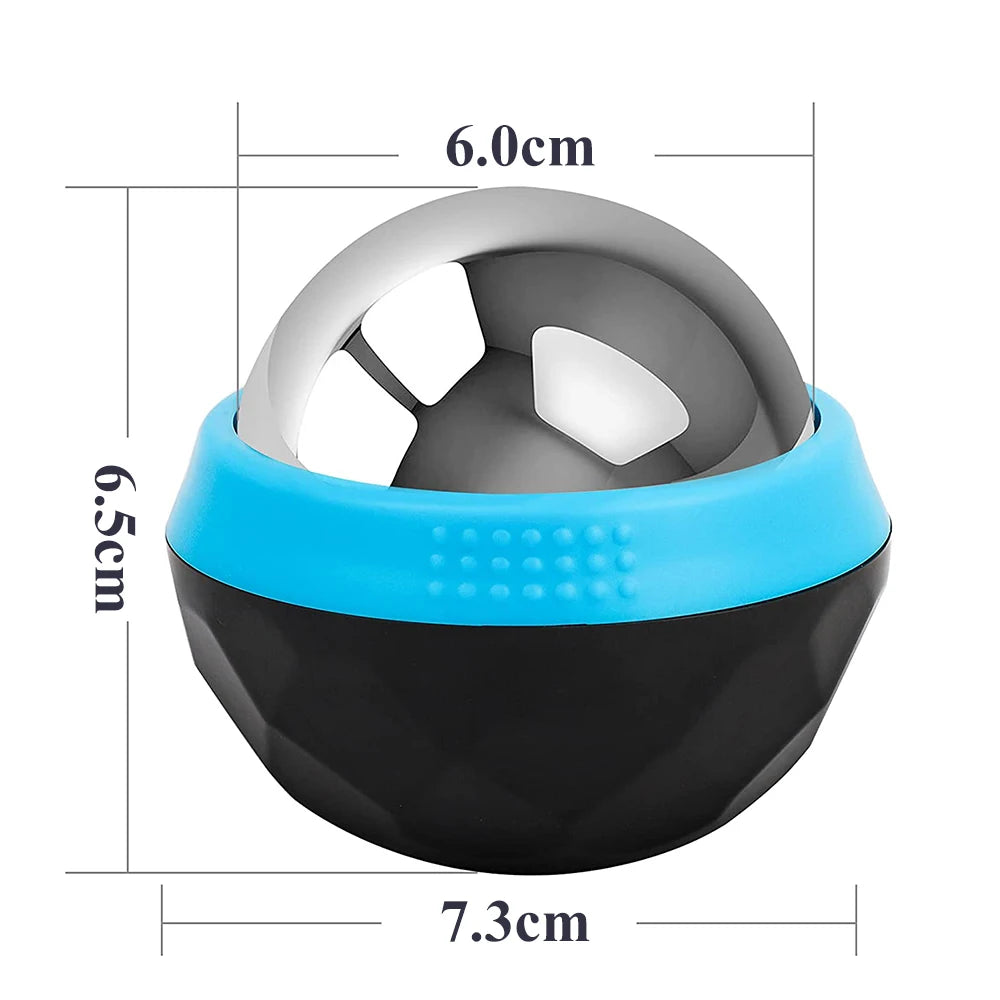
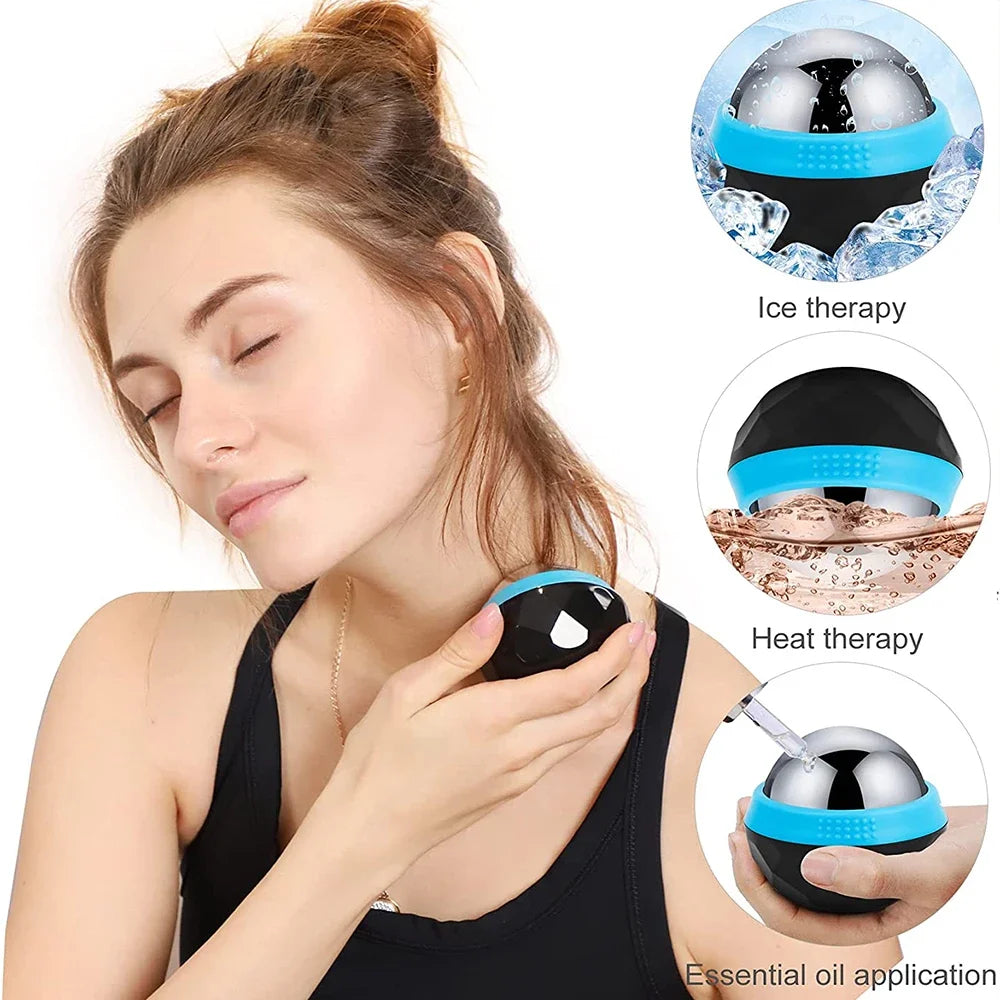
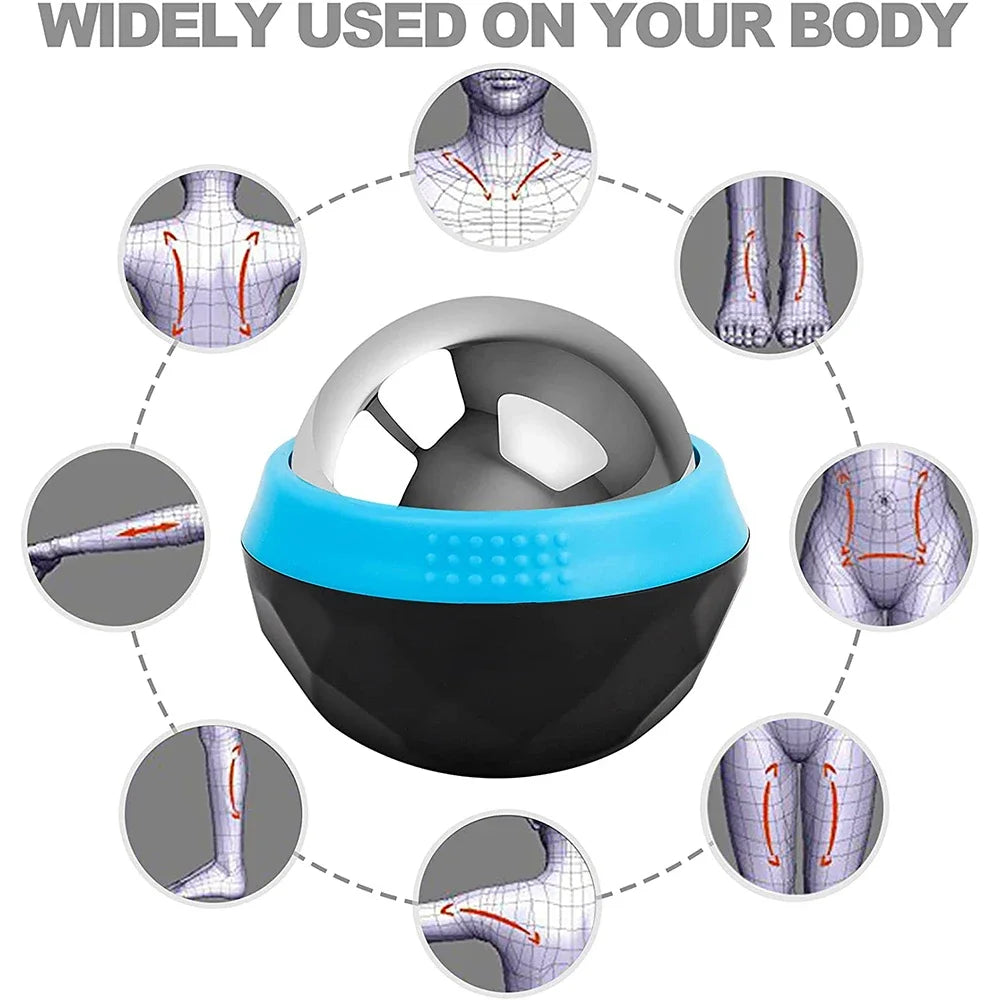
Many users enhance targeted recovery by pairing a massage stick with the ice massage roller ball , combining controlled rolling pressure with cooling relief after demanding workouts.
What Is a Foam Roller?
A foam roller is a cylindrical self-myofascial release tool designed to apply broad pressure across larger muscle groups using your body weight. By slowly rolling over tight muscles, it can help reduce stiffness, improve mobility, and prepare muscles for movement or recovery.
Benefits
When comparing foam roller vs massage stick benefits , foam rollers stand out for full-body recovery because they treat large areas efficiently and can create deeper compression.
- Quickly covers large muscle groups such as the quadriceps, glutes, hamstrings, back, and calves
- Uses body weight to provide deeper, more consistent pressure
- Supports flexibility and joint range of motion when used regularly
- Suitable for post-workout recovery and mobility routines
- Available in multiple densities to match different experience levels
Limitations
- Can feel uncomfortable for beginners because pressure is harder to adjust
- Less effective for isolating small trigger points
- Bulkier than a massage stick, making travel less convenient
Foam Roller vs Massage Stick: Side-by-Side Comparison Table
| Feature | Foam Roller | Massage Stick |
|---|---|---|
| Pressure | Deeper pressure using body weight | Adjustable pressure controlled by your hands |
| Coverage | Large muscle groups | Targeted muscles and trigger points |
| Control | Moderate precision | High precision |
| Ease of Use | Requires body positioning and balance | Simple to use in almost any position |
| Pain Level | Can feel more intense | Easier to adjust for comfort |
| Portability | Bulkier for transport | Compact and travel-friendly |
| Price | Typically inexpensive with multiple density options | Usually affordable, with price varying by materials and design |
| Durability | Long-lasting closed-cell foam or molded construction | Durable frame and rolling segments with minimal maintenance |
| Best For | Full-body recovery, mobility, and flexibility | Localized soreness, muscle knots, and precision treatment |
Foam Roller vs Massage Stick Benefits (Real-World Use Cases)
For Runners
Runners often experience soreness in the calves, hamstrings, quadriceps, and iliotibial (IT) band after long training sessions. A foam roller is useful for releasing tension across the entire lower body, while a massage stick quickly targets tight calves and quads before or after a run. Many runners use both tools—foam rolling during recovery days and a massage stick for quick maintenance before races.
For Weightlifters
Heavy lifting commonly creates muscle tightness in the glutes, back, chest, and legs. Foam rollers are well suited for post-workout recovery because they provide broad pressure across large muscle groups. A massage stick complements this by treating localized soreness in areas such as the forearms, biceps, calves, or upper arms that may remain tight after strength training.
For Office Workers
Extended periods of sitting can contribute to stiffness in the hips, lower back, shoulders, and neck. A foam roller helps restore movement through the hips and upper back, while a massage stick offers precise relief for the shoulders, forearms, and other muscles affected by prolonged computer use. Choosing the right tool depends on whether your discomfort is widespread or concentrated in specific areas.
For Beginners
People new to self-massage often find a massage stick easier to control because pressure can be increased gradually. As confidence and tolerance improve, adding a foam roller can help address larger muscle groups and improve mobility after exercise.
For Injury Recovery & Rehab
During rehabilitation, gentle pressure is often preferred to avoid aggravating sensitive tissues. A massage stick allows controlled treatment around recovering muscles, while a foam roller may become more appropriate later in the recovery process when deeper pressure and broader mobility work are comfortable. If you are recovering from an injury or medical condition, follow guidance from your healthcare professional before using either tool.
Deep tissue muscle recovery tool comparison See it in action
Which Is Better for Muscle Soreness? (Decision Guide)
Choose a Foam Roller If…
- You experience soreness across large muscle groups after training.
- You want deeper pressure created by your body weight.
- Your goals include improving mobility and flexibility alongside recovery.
- You primarily recover at home where storage space is not an issue.
Choose a Massage Stick If…
- You need to target stubborn knots or specific trigger points.
- You prefer adjustable pressure that is easier to control.
- You want a lightweight recovery tool for travel, the gym, or work.
- You are new to self-massage and prefer a gentler learning curve.
Choose Both If…
- You train several times each week and recover different muscle groups regularly.
- You want full-body recovery together with precise treatment for lingering tight spots.
- You alternate between mobility sessions and targeted muscle maintenance.
- You are looking for the most complete answer to which is better, a foam roller or massage stick —because the two tools complement rather than replace each other.
Many active users browsing the Body Care and Health Devices collection prefer compact recovery tools that fit easily into a consistent daily routine.
How to Use Each Tool for Maximum Effectiveness
Foam Rolling Technique
Position the foam roller beneath the target muscle and move slowly over the area for 30 to 60 seconds. Maintain controlled, steady movements rather than rolling quickly. When you find a tender spot, pause briefly while breathing normally before continuing. Aim for moderate pressure that feels challenging but not painful.
Massage Stick Technique
Grip the handles firmly and roll over the muscle using smooth back-and-forth strokes for 20 to 30 seconds at a time. Begin with light pressure and gradually increase intensity as the muscle relaxes. Focus on tight areas without pressing directly onto joints or bones, and stop if you experience sharp pain instead of normal muscle tenderness.
Foam Rolling vs Stick Rolling: Common Mistakes to Avoid
- Rolling too quickly: Slow, controlled movements allow muscles to relax and help you identify areas of tightness more effectively.
- Using excessive pressure: Mild to moderate discomfort is normal, but sharp pain is a sign to reduce pressure or stop.
- Ignoring smaller muscle groups: Areas such as the calves, forearms, and shoulders often benefit from targeted treatment with a massage stick.
- Skipping recovery sessions: Consistent use after workouts or mobility sessions typically delivers better long-term results than occasional treatment.
- Rolling directly over joints or injuries: Focus on muscle tissue and avoid inflamed joints or acute injuries unless advised by a healthcare professional.
Explore recovery routines shared in the Beauty & Self-Care Blog and Body & Face Blog for practical at-home wellness habits.
Which One Fits Your Lifestyle Best?
Home Gym
If you primarily recover at home and have enough storage space, a foam roller is an excellent investment. It provides efficient treatment for multiple muscle groups and works well as part of a regular mobility routine.
Travel
Frequent travelers, commuters, and gym-goers often prefer a massage stick because it fits easily into a backpack or suitcase. Its compact size makes it convenient for quick recovery sessions almost anywhere.
Budget
Both recovery tools are generally affordable and durable. Basic foam rollers are often among the lowest-cost recovery options, while massage sticks offer excellent value for users who prioritize targeted treatment and portability.
Long-Term Recovery
If your goal is maintaining healthy muscles throughout the year, using both tools can provide the greatest flexibility. A foam roller supports full-body mobility and recovery, while a massage stick helps manage persistent tight spots between workouts.
Post workout muscle soreness relief at home See it in action
Buying Guide: How to Choose the Right Recovery Tool
If you're still deciding which is better, a foam roller or massage stick , consider these practical factors before purchasing:
- Experience level: Beginners often appreciate the adjustable pressure of a massage stick, while experienced users may enjoy the deeper compression of a foam roller.
- Training style: Endurance athletes and weightlifters recovering from full-body workouts may benefit most from a foam roller, while sport-specific or localized soreness often favors a massage stick.
- Muscle targeting: Choose a foam roller for broad muscle groups such as the back, glutes, and thighs. Choose a massage stick for calves, forearms, shoulders, and other smaller muscles.
- Storage and portability: If space is limited or you travel frequently, a massage stick is easier to transport and store.
- Budget: Both tools are affordable, durable, and require little maintenance, making either a worthwhile long-term addition to a recovery routine.
Frequently Asked Questions
Can beginners use a massage stick?
Yes. Massage sticks are beginner-friendly because they allow you to control pressure precisely, making it easier to work on sore muscles without excessive discomfort.
Is foam rolling or stick rolling better for recovery?
Foam rolling is generally better for recovering large muscle groups and improving mobility, while stick rolling is more effective for targeted muscle tightness and trigger points. Many active people benefit from using both.
How often should you roll muscles?
Most people can safely use a foam roller or massage stick three to five times per week. Active individuals may include brief rolling sessions before workouts for mobility and after exercise to reduce muscle tightness.
Can you use both tools together?
Yes. Combining a foam roller for broad muscle release with a massage stick for precise treatment provides a balanced recovery routine for many athletes and recreational exercisers.
Is a foam roller or massage stick better for runners?
Runners often benefit from both. Foam rollers help recover larger leg muscles after long runs, while massage sticks quickly relieve tight calves, hamstrings, and quadriceps before or after training.
Can a massage stick replace a foam roller?
A massage stick can replace a foam roller for targeted muscle work, but it is less efficient for treating large muscle groups. If you frequently perform full-body recovery sessions, both tools complement each other well.
Which tool reaches deeper muscle tissue?
Foam rollers generally create deeper compression because they use body weight to generate pressure. Massage sticks offer greater control, allowing you to adjust intensity for sensitive or localized areas.
Should you use a foam roller before or after exercise?
Both options are useful. Brief foam rolling before exercise may improve mobility, while longer sessions afterward can help reduce muscle tightness and support recovery.
Are massage sticks better for travel?
Yes. Their compact design makes massage sticks much easier to carry in gym bags, backpacks, or luggage than most full-size foam rollers.
Can you use both a foam roller and massage stick in the same routine?
Absolutely. Many people begin with a foam roller to address larger muscle groups and finish with a massage stick to treat remaining tight spots that need more precise pressure.
For a complete wellness setup, many readers also browse the Lifestyle collection to support balanced recovery routines.
Related Guide: Cold Versus Heat Therapy Compared for Faster Muscle Relief













