Does foot pressure point stimulation really work for fast relief?
Foot pressure point stimulation may help reduce stress, ease temporary muscle discomfort, and promote relaxation by applying pressure to specific areas of the feet. While reflexology is based on traditional practices rather than proven maps linking the feet to internal organs, many people find self foot massage techniques and a foot pressure point mat helpful for improving comfort and encouraging better circulation after long periods of standing or walking.
Master Foot Pressure Point Stimulation for Quick Relief
Foot pressure point stimulation combines traditional reflexology techniques with simple self foot massage methods to help relieve tired feet and encourage relaxation. Whether you massage by hand or use a foot pressure point mat, learning where major foot pressure points are located can make your routine more effective. While scientific evidence supports relaxation and short-term pain relief more strongly than organ-specific claims, regular practice remains a popular wellness habit for people looking to reduce daily foot fatigue.
What Are Foot Pressure Points?
Foot pressure points are specific areas on the sole, heel, arch, and toes that practitioners of reflexology believe correspond with different parts of the body. Applying pressure to these areas is intended to encourage relaxation, reduce muscle tension, and improve overall well-being.
Foot Anatomy vs. Foot Reflexology
It's important to distinguish between foot anatomy and reflexology. Anatomically, the foot contains bones, muscles, tendons, ligaments, blood vessels, and thousands of nerve endings that respond to touch and pressure. Reflexology, however, is a complementary wellness practice based on traditional pressure maps rather than established anatomical connections between the feet and internal organs.
How Foot Pressure Point Stimulation Is Believed to Work
Foot pressure point stimulation may activate sensory nerves, encourage relaxation, increase local blood flow, and temporarily reduce the perception of pain. Many researchers believe these effects are largely related to the body's natural relaxation response rather than direct effects on specific organs. As a result, reflexology is best viewed as a complementary practice rather than a replacement for medical care.
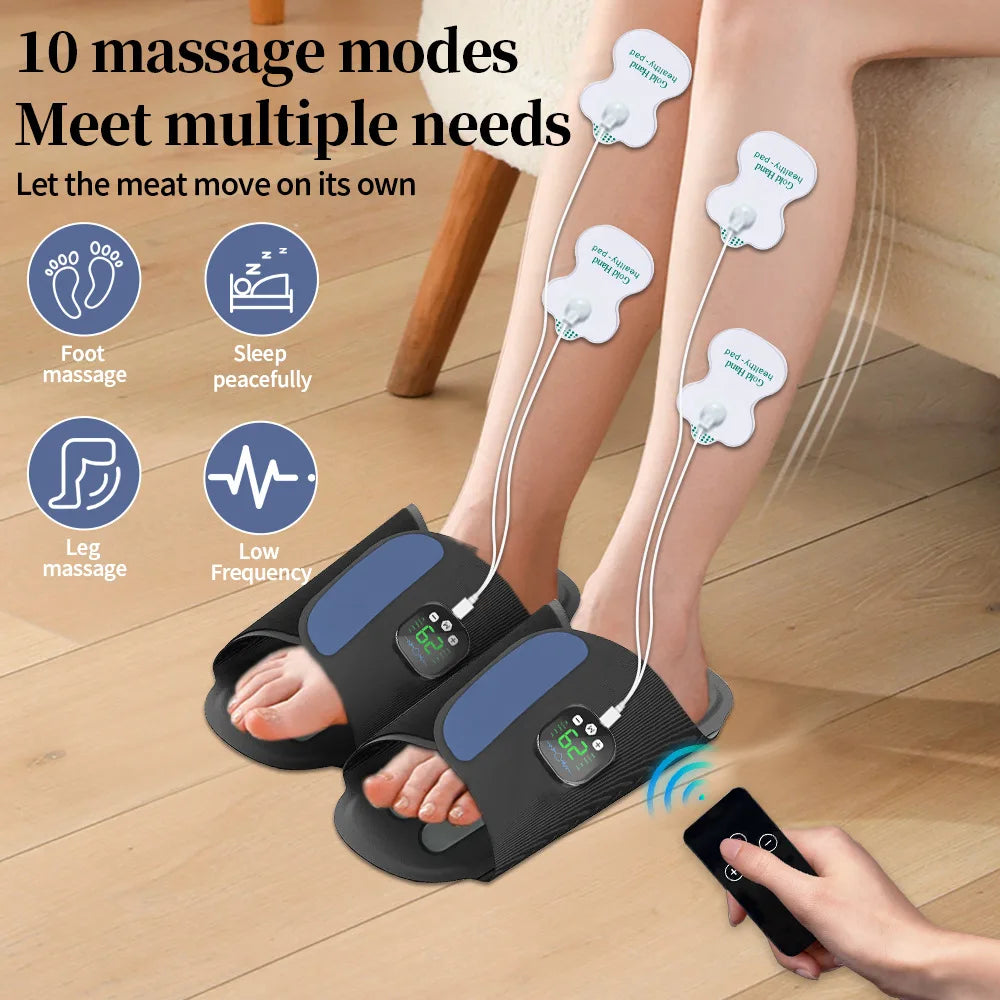
See foot pressure point stimulation in action using self foot massage techniques.
Foot Reflexology Chart and Major Pressure Points
A foot reflexology chart provides a general guide to commonly used foot reflexology points. While these body associations come from traditional reflexology rather than modern anatomy, they can help beginners organize a self foot massage routine.
Foot Reflexology Chart Overview
| Foot Area | Traditional Association | Common Massage Technique | Typical Duration |
|---|---|---|---|
| Toes | Head and sinuses | Gentle circular massage | 30–60 seconds each |
| Ball of foot | Chest and lungs | Thumb pressure | 1–2 minutes |
| Arch | Digestive organs | Thumb walking | 1–2 minutes |
| Inner edge | Spine | Slow linear pressure | 1 minute |
| Heel | Hips and lower body | Firm press and release | 30–60 seconds |
Pressure Points for Head and Sinuses
The toes, particularly the big toe, are traditionally associated with the head and sinus regions. Gentle massage here is commonly used as part of a relaxation routine during periods of tension.
Pressure Points for Neck, Shoulders, and Spine
The ball of the foot and the inner edge of the arch are commonly stimulated in reflexology sessions for people experiencing neck, shoulder, or back tightness after prolonged sitting or standing.
Pressure Points for Digestive Organs
The middle arch is traditionally connected with digestive function. Gentle thumb walking across this area is frequently included in self foot massage techniques designed for overall relaxation.
Pressure Points for Hips and Lower Body
The heel is often targeted to encourage relaxation in the lower back, hips, and legs. Rolling the heel over a massage ball or applying steady thumb pressure may also help ease foot fatigue.
Do Foot Pressure Points Really Work?
Traditional Reflexology Claims
Traditional reflexology suggests that stimulating specific foot reflexology points helps restore balance throughout the body. Practitioners believe pressure improves energy flow and supports overall wellness.
What Scientific Evidence Says
Current research suggests reflexology may help reduce stress, improve relaxation, and temporarily relieve pain for some individuals. However, there is limited high-quality evidence supporting claims that specific foot pressure points directly treat diseases or improve organ function. The greatest benefits appear to come from relaxation, massage, and increased body awareness.
How to Stimulate Foot Pressure Points Safely
Step-by-Step Self Foot Massage
- Warm your feet with a short walk or warm towel.
- Massage the entire foot gently for 1–2 minutes.
- Use thumb walking along the arch.
- Massage each toe using slow circular motions.
- Apply steady pressure to the heel for 30–60 seconds.
- Finish by rolling the entire foot over a massage ball or pressure point mat.
Pressure, Duration, and Frequency
Use moderate pressure that feels comfortable without causing sharp pain. Beginners can start with 5-minute sessions per foot several times each week before progressing to 10–15 minute sessions if desired.
Common Mistakes to Avoid
- Pressing hard enough to cause bruising or lingering pain.
- Massaging over cuts, infections, or swollen joints.
- Expecting immediate treatment for medical conditions.
- Ignoring persistent or worsening foot pain.
Foot Pressure Point Mat: Benefits and Proper Use
Who May Benefit
A foot pressure point mat may be useful for people with tired feet after work, individuals who stand for long hours, recreational athletes, and anyone looking for a convenient daily relaxation routine. Many users also combine a mat with foot pressure point mat sessions and manual massage for broader coverage.
How to Use a Reflexology Mat Safely
Begin with 3–5 minutes while wearing thin socks if the sensation feels intense. As your feet adjust, gradually increase sessions to 10–15 minutes. Gentle rocking, shifting your weight, or light walking on the mat provides a balanced level of stimulation without excessive discomfort.
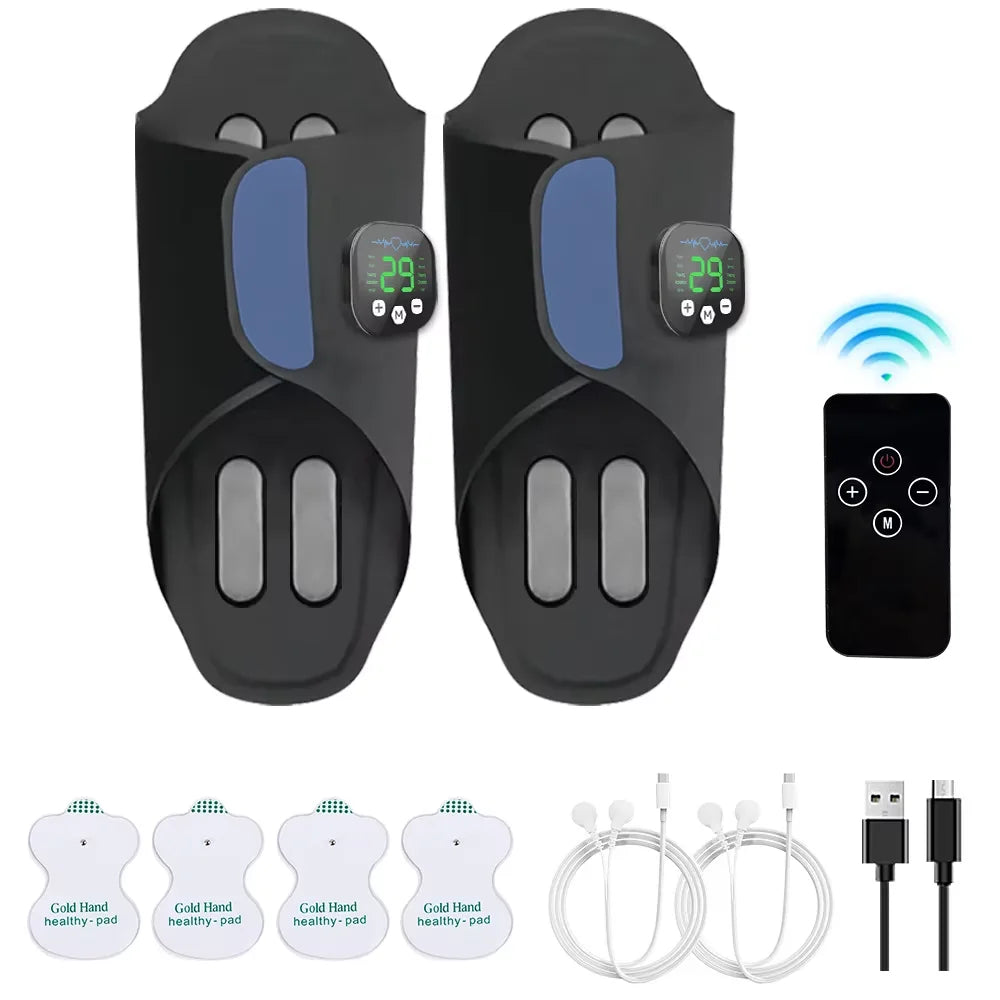
Maximize your foot pressure point stimulation with a foot pressure point mat.
Potential Benefits and Limitations
Stress Relief and Relaxation
Massage stimulates sensory nerves that may help reduce stress and promote relaxation. Many people find evening foot massage particularly calming before bedtime.
Pain Relief and Circulation
Regular foot massage may temporarily reduce soreness after prolonged standing or exercise while encouraging healthy circulation to the feet and lower legs. These effects are generally short term and vary between individuals.
When Results May Vary
Foot pressure points benefits depend on the cause of discomfort, massage technique, individual sensitivity, and consistency. Reflexology should complement—not replace—professional treatment for injuries or chronic medical conditions.
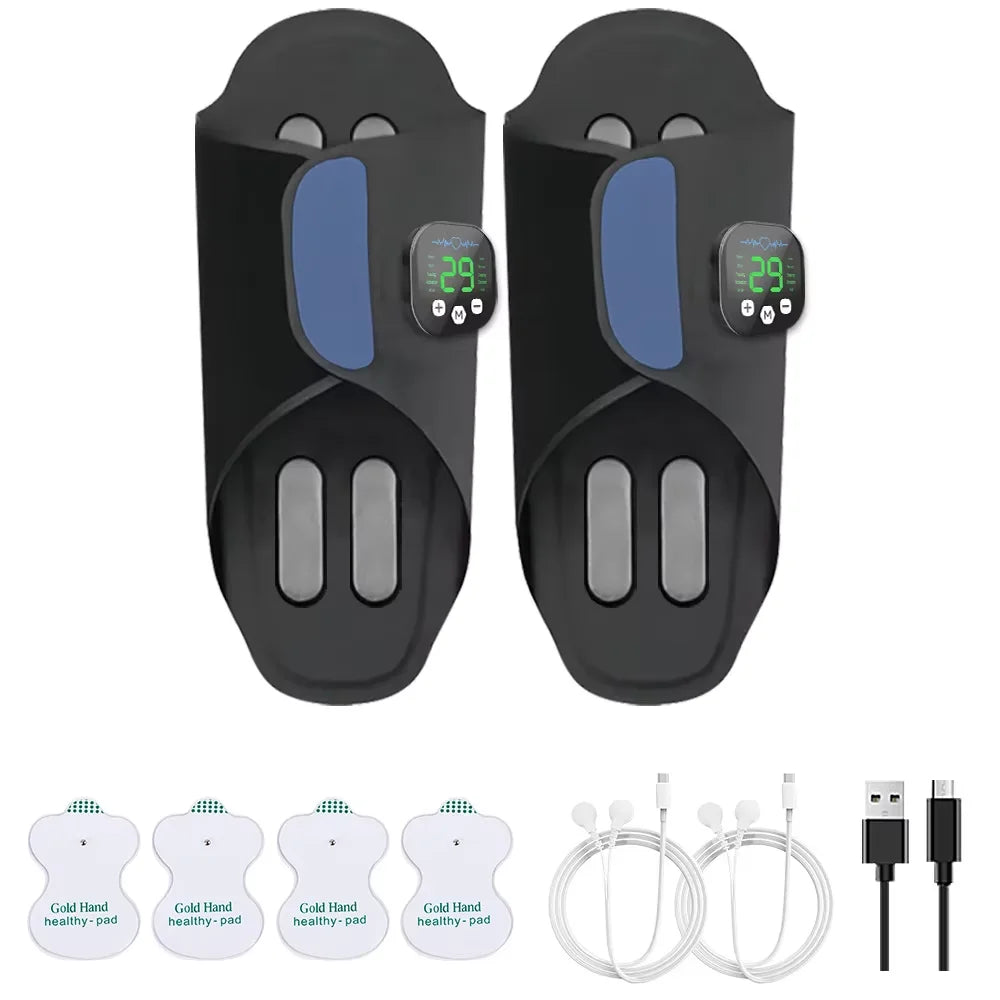
Experience relaxation and temporary relief by combining self foot massage techniques with regular foot pressure point stimulation.
Safety, Risks, and When to See a Healthcare Professional
Who Should Avoid Reflexology
Avoid foot pressure point stimulation if you have open wounds, severe infections, recent fractures, significant burns, or uncontrolled swelling. People with severe circulation disorders, diabetic foot ulcers, or blood clotting disorders should consult a healthcare professional before beginning reflexology.
Warning Signs That Need Medical Evaluation
Seek medical care if you experience persistent foot pain, numbness, sudden swelling, inability to bear weight, redness with fever, or symptoms that continue despite rest and home care. These signs may indicate conditions requiring professional diagnosis and treatment.
What are foot pressure points?
Foot pressure points are areas traditionally used in reflexology that practitioners believe correspond to different regions of the body. Modern anatomy confirms these areas contain many nerve endings but does not establish direct organ connections.
How do I stimulate foot pressure points safely?
Use gentle to moderate pressure with your thumbs, fingers, massage ball, or a foot pressure point mat. Stop if you experience sharp pain or discomfort that persists after the session.
Do foot pressure points really work?
Many people report temporary improvements in relaxation, stress, and foot comfort. Scientific evidence is strongest for relaxation and short-term pain relief rather than treating medical conditions.
Can foot reflexology reduce stress?
Yes. Many studies suggest reflexology and foot massage may help reduce stress and promote relaxation, although individual responses vary.
Which foot pressure points are used for pain relief?
The arch, heel, ball of the foot, and toes are the most commonly stimulated areas in traditional reflexology routines designed to ease muscle tension and foot discomfort.
How long should a self foot massage last?
Most people benefit from sessions lasting 5–15 minutes per foot, depending on comfort level and individual needs.
Are foot pressure point mats effective?
Many users find foot pressure point mats helpful for stimulating multiple areas of the foot simultaneously, promoting relaxation and reducing temporary foot fatigue when used consistently.
Who should avoid foot reflexology?
Individuals with serious foot injuries, infections, diabetic ulcers, severe vascular disease, or other significant medical conditions should consult a healthcare professional before beginning reflexology.
Related Guide: How to Improve Foot Circulation at Home Effectively