

Do mens winter ear warmers really work?
Winter ear warmers and ear muffs are designed to reduce heat loss from your ears, one of the most sensitive areas in cold weather. Studies show that exposed ears can lose heat up to 10x faster than other body parts in sub-zero temperatures. Using a properly insulated headband or ear muff can maintain ear warmth, prevent frostbite, and reduce discomfort during outdoor activities.
In short, yes — mens winter ear warmers work effectively when chosen for the right activity and fit. Choosing between a headband or muff depends on your lifestyle, noise awareness needs, and level of insulation required.
Mens Winter Ear Warmers Comparison: Headbands vs Muffs
Choosing between ear warmers vs earmuffs comes down to how much warmth, mobility, and protection you need. Headbands offer lightweight, breathable coverage for active use, while ear muffs deliver maximum insulation in harsh cold. If you're wondering are ear warmers better than earmuffs , the answer depends on your environment and activity level.
⏱ 7 min read
Quick Comparison Table
| Feature | Headband Ear Warmers | Ear Muffs |
|---|---|---|
| Warmth | Moderate | High |
| Comfort | Lightweight, breathable | Plush, cushioned |
| Portability | Very compact | Bulkier |
| Wind Protection | Moderate | Excellent |
| Best Use | Sports, active wear | Commuting, extreme cold |
Key Differences at a Glance
- Headbands: Best for movement, layering, and breathability
- Ear Muffs: Best for insulation, wind blocking, and static use
- Decision Tip: Active = headband, extreme cold = muffs

Mens winter ear warmers for daily comfort — See it in action
Why Cold Weather Makes Ears Hurt Faster Than You Expect
Ears are highly sensitive to cold because they have thin skin and limited fat insulation. Blood vessels constrict in low temperatures, reducing circulation and making ears prone to numbness and pain.
- Wind chill accelerates heat loss
- Cartilage cools faster than muscle
- Exposed ears disrupt thermal balance
- Poor coverage leads to constant adjustment
How Headband Ear Warmers Keep You Moving Without Bulk
Headband-style winter ear warmers prioritize flexibility and breathability, making them ideal for active use.
Key Advantages of Headbands
- Lightweight: No bulk during movement
- Helmet-friendly: Fits under helmets or hats
- Moisture-wicking: Prevents sweat buildup
- Portable: Easy to pack
Best Activities for Headbands
- Running and jogging
- Cycling
- Hiking
- Gym workouts
Why Ear Muffs Offer Cozy Protection in Harsh Cold
Ear muffs provide maximum insulation by fully covering the ears with padded materials.
Strengths of Ear Muffs
- High insulation: Best for freezing conditions
- Full coverage: Protects entire ear surface
- Wind blocking: Shields against strong wind
- Noise reduction: Dampens ambient sound
Best Activities for Ear Muffs
- Commuting in winter
- Standing outdoors
- Casual walking
- Cold-weather travel
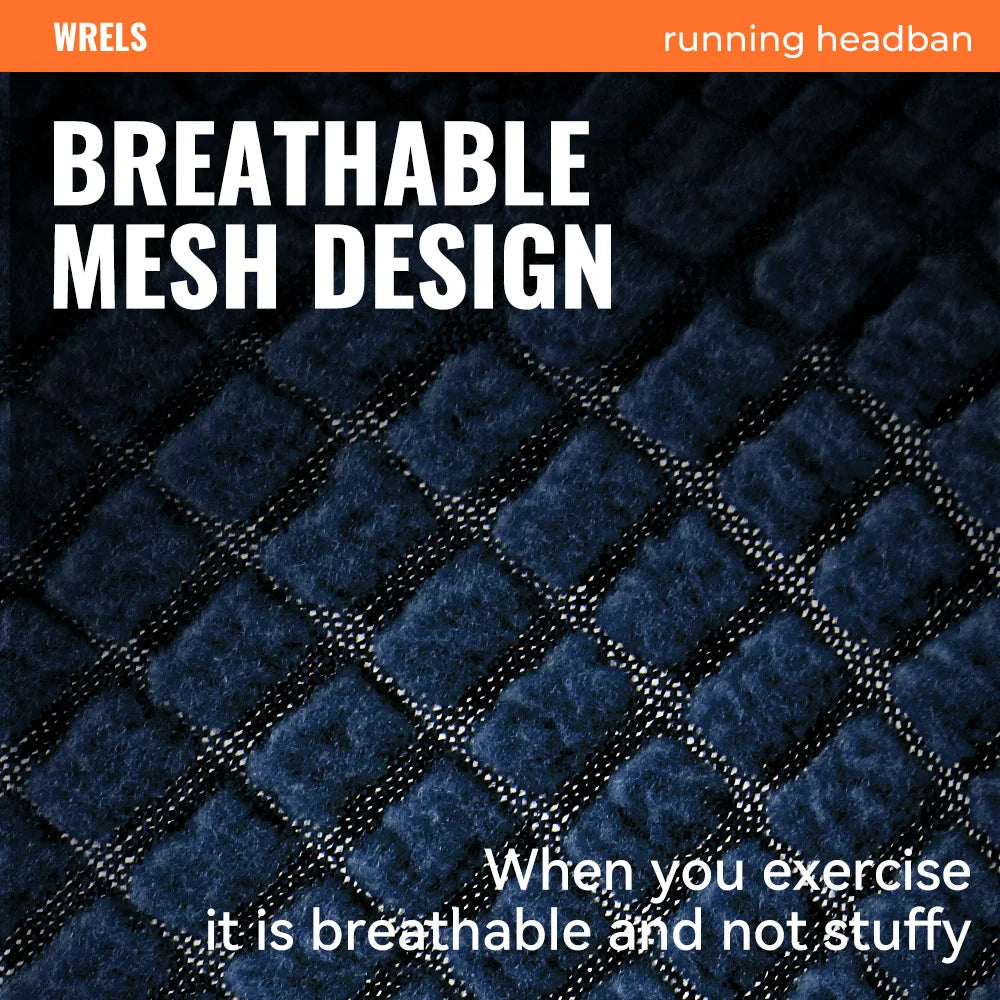
Comparing coverage and fit — See it in action
Headbands vs Muffs: Which Mens Winter Ear Warmers Perform Better?
Warmth
Ear muffs win in extreme cold due to thicker insulation.
Comfort
Headbands are more comfortable for long wear during activity.
Wind Protection
Ear muffs provide better wind blocking.
Portability
Headbands are easier to carry and store.
Style
Headbands offer a sporty look; muffs lean casual.
Price
Both are affordable, but headbands tend to be cheaper.
Material Comparison: Fleece, Wool, Faux Fur, and Thermal Fabrics
Warmth by Material
- Fleece: Balanced warmth and comfort
- Wool: Excellent insulation
- Faux fur: Maximum warmth
- Synthetic thermal: Lightweight warmth
Moisture Management
Synthetic fabrics and fleece wick moisture best during activity.
Durability
Wool and synthetic blends last longer with proper care.
Which Option Is Best for Your Activity and Weather?
Running
Headbands prevent overheating.
Hiking
Headbands for movement, muffs for cold stops.
Cycling
Headbands fit under helmets.
Skiing
Headbands layer better with helmets.
Commuting
Ear muffs provide superior warmth.
Which Mens Winter Ear Warmers Fit Your Lifestyle?
Choose Headbands If You:
- Stay active outdoors
- Need portability
- Prefer better hearing awareness
Choose Ear Muffs If You:
- Face extreme cold
- Prioritize warmth
- Spend time standing outdoors
One-Minute Decision Guide
Active lifestyle → headband. Cold exposure → ear muffs.
Fit, Comfort, and Long-Term Wear Matter More Than You Think
With Hats
Headbands layer easily under hats.
With Helmets
Headbands are more compatible.
With Glasses
Choose low-pressure designs to avoid discomfort.
Hair Considerations
Flexible fabrics prevent flattening or pulling.

Designed for comfort when cold weather ears hurt — See it in action
Care, Durability, and Storage Tips
Cleaning
Machine wash fleece; hand wash wool.
Maintaining Shape
Avoid high heat drying.
When to Replace
Replace when elasticity or insulation declines.
Frequently Asked Questions
Are headband ear warmers warm enough for winter?
Yes, for most conditions and active use.
Do ear muffs block hearing?
They slightly reduce sound awareness.
Can mens winter ear warmers be worn all day?
Yes, if breathable and well-fitted.
Which option is better for sports?
Headbands.
Are ear warmers or earmuffs better for running?
Headbands are better due to breathability.
What materials provide the best insulation?
Fleece, wool, and thermal synthetics.
Can I wear them with helmets or hats?
Headbands are more compatible.
Which is warmer in extreme cold?
Ear muffs.
Are ear warmers waterproof?
Most are water-resistant, not fully waterproof.
Can I wear them with glasses?
Yes, choose flexible, low-pressure designs.
Related Guide: Warmest Ear Warmers Compared: Top Picks for Windy Winters













