

Ear Warmer Headbands for Running: Stay Warm, Dry, and Comfortable
An ear warmer headband for running helps protect your ears from cold wind while preventing sweat buildup that can leave you feeling chilled mid-run. Unlike bulky winter hats, a lightweight running headband delivers targeted warmth, moisture management, and breathable comfort, making it easier to stay focused whether you're jogging through crisp autumn mornings or training in freezing winter conditions.
⏱ 6 min read
Explore what makes modern running ear warmers different.
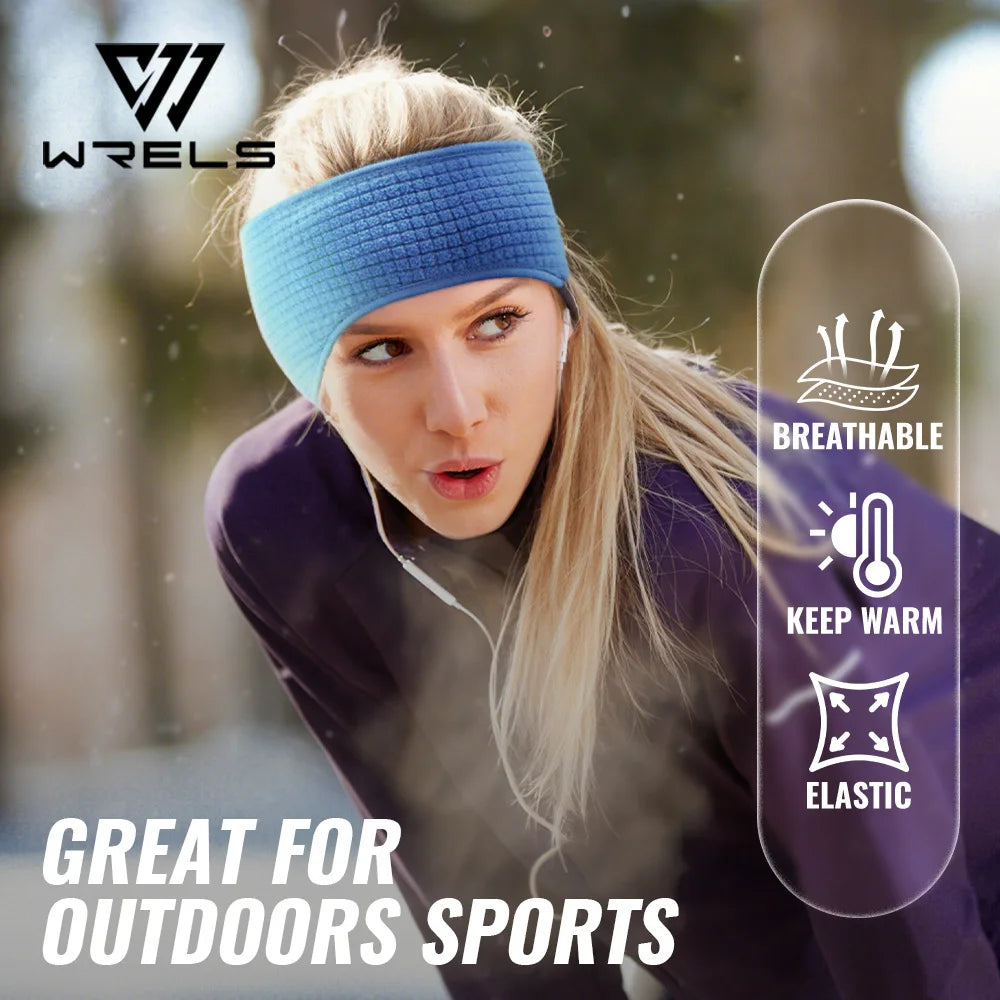
Moisture wicking ear warmer headband designed for sweat-free winter runs See it in action
Why Your Ears Hurt in Cold Weather Runs
The Science Behind Cold-Induced Ear Pain
If you've ever wondered why do ears hurt in cold weather , the answer lies in anatomy. Your ears contain very little insulating fat and have a large surface area exposed directly to the environment. As temperatures fall, blood vessels narrow to conserve body heat, reducing circulation to the ears and making them one of the first areas to feel painfully cold.
Wind chill makes the problem even worse by stripping away the thin layer of warm air surrounding your skin. During longer runs, prolonged exposure may lead to numbness, reduced sensation, or mild frostnip in extreme conditions. Proper winter running ear protection helps preserve warmth without causing overheating.
How Wind, Sweat, and Temperature Affect Runners
Running naturally raises body temperature, but it also increases perspiration. Sweat trapped around the ears quickly cools when exposed to cold air, creating an evaporative chilling effect that can leave runners feeling colder than the actual temperature.
A quality running ear warmer minimizes this cycle by combining light insulation with moisture management. Instead of trapping sweat, breathable fabrics move moisture away from the skin while maintaining enough warmth to shield your ears from cold wind, allowing you to stay comfortable through steady runs, intervals, or long-distance training.
How Ear Warmer Headbands Improve Winter Running
Moisture-Wicking vs Insulating Fabrics
The best running ear warmers balance insulation with ventilation rather than simply adding thickness. A moisture wicking ear warmer made from technical polyester quickly pulls sweat away from the skin, making it ideal for tempo runs and high-intensity workouts. Merino wool naturally regulates temperature and resists odors, while brushed fleece provides excellent warmth for slower runs and colder conditions.
Choosing the right fabric depends on your climate and running style. Lightweight synthetic blends excel as a sweat wicking headband for cold weather , whereas insulated fleece or merino options perform better when temperatures fall below freezing.
Fit, Comfort and Gear Compatibility
A secure fit is just as important as fabric selection. The headband should fully cover your ears without creating pressure points or sliding during movement. Stretch materials with a low-profile design stay comfortable over long distances while reducing bulk.
Many breathable ear warmers are slim enough to work comfortably with sunglasses, prescription glasses, bone-conduction headphones, hats, or cycling and ski helmets. This versatility allows runners to layer for changing weather without sacrificing comfort or hearing awareness.
Reflective Features and Safety
Many modern running headbands include reflective logos, trims, or stitching to improve visibility during early morning or evening workouts. While reflective details should not replace dedicated visibility gear, they provide an extra level of safety when combined with reflective clothing and lights.
Look for designs that maintain full ear coverage while remaining breathable, ensuring you stay visible, warm, and comfortable throughout winter training.
Learn how to wear it for different workouts below.
Quick Picks: Best Ear Warmer Headbands for Running in 2026
Best Overall
A balanced polyester and fleece blend offers an excellent combination of warmth, moisture control, stretch, and durability. This style suits most runners who train throughout fall and winter, providing reliable ear coverage without feeling bulky during longer runs.
Best Budget
Lightweight polyester stretch headbands deliver dependable warmth and fast sweat-wicking at an affordable price. They're a practical choice for beginners, casual joggers, or anyone building a winter running kit on a budget.
Best for Trail Running
Trail runners benefit from snug-fitting headbands that stay secure over uneven terrain. Look for quick-drying fabrics with enough insulation to handle changing elevations, windy ridgelines, and varying weather conditions.
Best for Extreme Cold
Fleece-lined or merino wool designs with wind-resistant front panels provide maximum protection during sub-freezing runs. They help retain warmth while remaining breathable enough to reduce moisture buildup over extended training sessions.
Best Lightweight & Breathable
Minimal-profile performance fabrics maximize airflow while keeping ears comfortably warm. These options work especially well for tempo workouts, races, and moderate winter temperatures where overheating is a concern.
Best for Men & Women
Stretchable, one-size-fits-most headbands with ergonomic construction comfortably fit a wide range of head sizes. Flat seams and soft inner linings improve comfort whether worn alone or layered beneath other cold-weather gear.
Comparison Table: Best Running Ear Warmers at a Glance
| Brand & Model | Material | Warmth | Breathability | Wind Resistance | Moisture Wicking | Best For | Price |
|---|---|---|---|---|---|---|---|
| Headband A | Fleece | High | Moderate | High | Yes | Sub-Zero Temps | $25 |
| Headband B | Merino Wool Blend | High | High | Moderate | Moderate | Sweaty Runs | $30 |
| Headband C | Polyester Stretch | Moderate | High | Moderate | Yes | Budget Option | $15 |
How to Choose the Right Ear Warmer Headband for Running
Choose by Temperature
Select the insulation level based on the conditions you run in most often. For cool weather between 30–50°F (-1–10°C), a lightweight thermal headband for running provides enough warmth while allowing excess heat to escape. When temperatures drop below freezing or strong winds are common, choose a thicker fleece-lined or wind-resistant design that offers better winter running ear protection .
Material Comparison
Each fabric offers different performance advantages. Polyester blends dry quickly and excel during high-intensity workouts. Merino wool naturally regulates temperature, resists odors, and stays comfortable across changing conditions. Fleece provides superior insulation for easy runs and cold-weather training but may feel warmer during faster efforts. The best choice depends on your climate, running pace, and personal comfort.
Fit and Coverage
A properly fitting headband should fully cover the ears without slipping or creating excessive pressure. Flat seams, four-way stretch fabrics, and a contoured design improve long-distance comfort while minimizing friction. Well-designed breathable ear warmers remain secure during steady runs, interval sessions, and trail workouts without requiring frequent adjustments.
Compatibility with Glasses, Helmets and Headphones
If you regularly wear sunglasses, prescription glasses, bone-conduction headphones, or a cycling helmet, choose a slim-profile headband that layers comfortably beneath your gear. Low-bulk construction prevents pressure points while maintaining full ear coverage and allowing natural movement throughout your workout.

Running ear warmers designed for movement and breathability See it in action
Get yours now — limited stock!
FAQs About Ear Warmer Headbands for Running
Will it stay in place during intense runs?
Yes. A well-designed ear warmer headband for running uses four-way stretch fabrics, ergonomic shaping, and gentle compression to stay securely in place during easy runs, interval training, and long-distance sessions without constant adjustment.
Is it warm enough below freezing?
Most fleece-lined and merino wool models provide excellent insulation for temperatures below 32°F (0°C). If you regularly run in strong winds or extreme cold, choose a model with wind-resistant panels for additional protection.
Can I wear it with glasses, headphones or a helmet?
Yes. Low-profile running headbands are designed to fit comfortably beneath cycling helmets, ski helmets, hats, and most sports eyewear. They also work well with bone-conduction and many in-ear headphones while maintaining full ear coverage.
Will I overheat during faster runs?
Not if you choose the right fabric. Technical polyester and lightweight performance blends move sweat away from the skin while allowing heat to escape, helping regulate temperature during tempo runs, races, and other high-intensity workouts.
How do I wash and maintain it?
Machine wash your headband in cold water on a gentle cycle using mild detergent. Avoid fabric softeners, which can reduce moisture-wicking performance. Air drying is recommended to preserve elasticity, shape, and long-term durability.
What temperature is too cold to run without ear protection?
Many runners begin wearing ear protection when temperatures fall below about 45°F (7°C), especially on windy days. Individual comfort varies, but exposed ears are often the first area to become painfully cold during winter training.
Are merino wool ear warmers better than fleece for running?
Merino wool offers excellent temperature regulation, odor resistance, and comfort across a wide range of conditions. Fleece generally provides greater insulation, making it a better choice for very cold weather. The best option depends on your climate and workout intensity.
Will a moisture-wicking ear warmer keep sweat out of my eyes?
It helps manage perspiration by absorbing and moving moisture away from your forehead before it reaches your eyes. While no headband eliminates sweat completely, moisture-wicking fabrics significantly improve comfort during longer runs.
How tight should a running ear warmer headband fit?
It should feel snug enough to remain in place without creating pressure or headaches. A secure but comfortable fit provides effective insulation while allowing unrestricted movement throughout your workout.
Are thicker ear warmers always warmer?
Not necessarily. Fabric technology, wind resistance, and moisture management often have a greater impact on warmth than thickness alone. A lightweight technical headband may outperform a bulkier design during active running by preventing sweat-related heat loss.
How often should I wash my running ear warmer?
If you use it regularly, washing after every few runs helps remove sweat, salt, and oils that can affect comfort and moisture-wicking performance. Always follow the manufacturer's care instructions for the best results.
Comfort, warmth, and sweat control don't have to compete. Choosing the right moisture-wicking ear warmer headband helps you stay focused on your run instead of the weather, making winter training more comfortable, consistent, and enjoyable.
Related Guide: How to Wear Ear Warmers for Comfort in Any Winter Weather
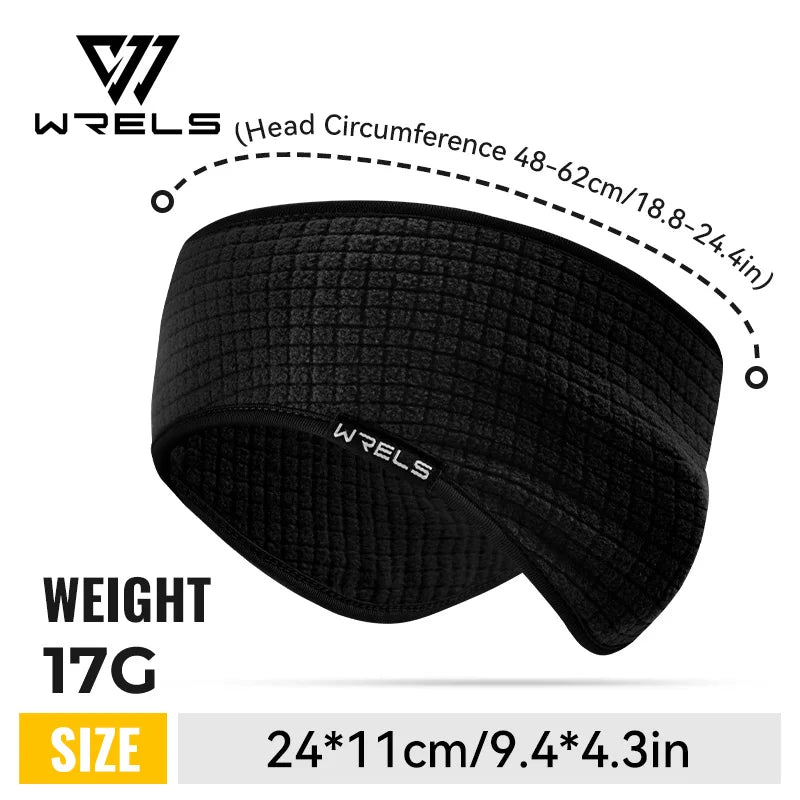
Best ear warmers for running when cold weather ears hurt See it in action













