

Does a motorcycle cold weather suit really keep riders warm?
Yes—when chosen for the right conditions, a motorcycle cold weather suit can dramatically improve warmth, comfort, and riding safety. The best suits reduce wind chill with a windproof outer shell, retain body heat through thermal insulation, manage perspiration with breathable waterproof membranes, and allow effective layering without restricting movement.
It's important to set realistic expectations. An insulated suit alone is usually sufficient for temperatures around 0°C to 10°C, while riders facing sustained highway speeds or temperatures below freezing often benefit from heated layers or electrically heated gear. Matching your clothing to a motorcycle cold weather chart helps prevent both overheating and dangerous heat loss.
Motorcycle Cold Weather Suit: Best Gear, Reviews & Winter Riding Guide
⏱ 6 min read
Cold air cutting through your jacket, stiff fingers on the throttle, and constant distraction from the chill are usually signs that your gear isn't optimized for winter riding. The right motorcycle cold weather suit combines insulation, wind protection, waterproofing, and smart layering so you can stay focused on the road instead of fighting the weather.
motorcycle cold weather suit setup for real-world rides See it in action
Best Motorcycle Cold Weather Suits (Tested & Ranked)
Best Overall Motorcycle Cold Weather Suit
The best all-around winter motorcycle riding gear combines a waterproof laminated shell, removable thermal liner, CE-certified armor, and adjustable ventilation. This balance makes it suitable for commuters and touring riders who experience changing weather throughout the season.
- Pros: Excellent versatility, year-round usability, strong weather protection.
- Cons: Higher upfront cost than entry-level suits.
- Best for: Riders who want one suit for most winter conditions.
Best for Extreme Cold
For temperatures below 0°C, choose a cold weather motorcycle suit with substantial insulation and compatibility with heated jackets, gloves, or vests. Highway wind chill can make temperatures feel dramatically colder than the thermometer suggests.
Best Budget Option
Affordable textile suits with removable liners offer good value for riders who primarily commute in cool weather. While premium waterproof membranes may be absent, they still provide meaningful protection when paired with quality base layers.
Best Touring Suit
Long-distance touring riders benefit from breathable waterproof membranes, ergonomic stretch panels, multiple storage pockets, and adjustable ventilation for changing weather during extended rides.
Best Adventure Riding Suit
Adventure-focused suits prioritize abrasion resistance, flexible mobility, generous ventilation, and weather adaptability, making them ideal for mixed pavement and off-road riding throughout colder months.
Best Commuter Suit
Daily commuters often prefer lightweight two-piece suits that are easy to remove at work while still providing dependable windproof and waterproof protection during morning and evening rides.
Best Heated Motorcycle Suit
Battery-powered heated suits actively warm the rider instead of relying solely on insulation. Although more expensive, they deliver exceptional comfort for riders who regularly travel in sub-zero temperatures.
Motorcycle Cold Weather Suit Comparison Table
| Type | Typical Price | Waterproof Membrane | Insulation | CE Armor | Best Use |
|---|---|---|---|---|---|
| Budget Textile | $ | Water-resistant | Removable liner | Usually included | Daily commuting |
| Premium Touring | $$$ | Laminated waterproof membrane | Removable thermal liner | CE certified | Long-distance touring |
| Adventure Suit | $$$ | Waterproof | Layer-compatible | CE certified | Mixed terrain |
| Heated Suit | $$$$ | Waterproof | Active heating elements | Varies | Extreme winter riding |
How Motorcycle Cold Weather Suits Work
Modern motorcycle cold weather gear uses several complementary systems instead of relying on thick insulation alone.
Thermal Insulation
Insulated liners trap warm air generated by your body, slowing heat loss while maintaining flexibility. Premium synthetic insulation continues performing even if exposed to damp conditions.
Windproof Protection
Wind chill removes body heat much faster than still air. A tightly sealed outer shell blocks cold airflow around the chest, arms, neck, and legs to preserve warmth during highway riding.
Waterproof Membranes
Waterproof yet breathable membranes prevent rain and melting snow from soaking insulation while allowing moisture vapor to escape. Staying dry is essential because wet clothing loses insulating performance quickly.
Heated Gear Compatibility
Many premium suits are designed to fit heated jackets, heated vests, or heated base layers underneath without restricting movement or compressing insulation.
Breathability & Moisture Control
Effective winter motorcycle apparel should balance warmth with ventilation. Breathable fabrics reduce sweat buildup, helping maintain a stable body temperature throughout changing riding conditions.
Motorcycle Cold Weather Chart (What to Wear by Temperature)
Use this motorcycle cold weather chart to match your gear to riding conditions:
- 10°C to 15°C: Light insulated jacket, moisture-wicking base layer, windproof gloves.
- 0°C to 10°C: Full motorcycle cold weather suit, thermal liner, insulated boots.
- -10°C to 0°C: Heavy insulated suit with heated gloves or heated vest.
- Below -10°C: Heated motorcycle suit, complete wind protection, and no exposed skin.
Remember that highway speeds dramatically increase wind chill, so dress for the effective riding temperature rather than the ambient forecast.
How to Choose the Right Motorcycle Cold Weather Suit
One-piece vs Two-piece
One-piece suits provide superior weather sealing and fewer drafts, making them excellent for long winter rides. Two-piece suits offer easier on-and-off convenience and better flexibility for commuting.
Textile vs Leather
Modern textile suits generally outperform leather in wet and cold conditions thanks to integrated waterproof membranes and removable insulation. Leather remains highly abrasion resistant but usually requires additional weather protection.
Insulation & Thermal Liners
Look for removable liners so your motorcycle winter riding gear can adapt to changing temperatures throughout the riding season.
Waterproof & Windproof Protection
Prioritize sealed seams, storm flaps, waterproof zippers, and effective cuff closures that prevent cold air and water from entering while riding.
Warmth should never come at the expense of impact protection. Choose garments equipped with CE-rated armor at the shoulders, elbows, knees, hips, and back where appropriate.
Sizing & Fit
Your suit should comfortably accommodate base layers without compressing insulation. A fit that's too tight reduces trapped warm air, while an overly loose fit allows excessive cold airflow.
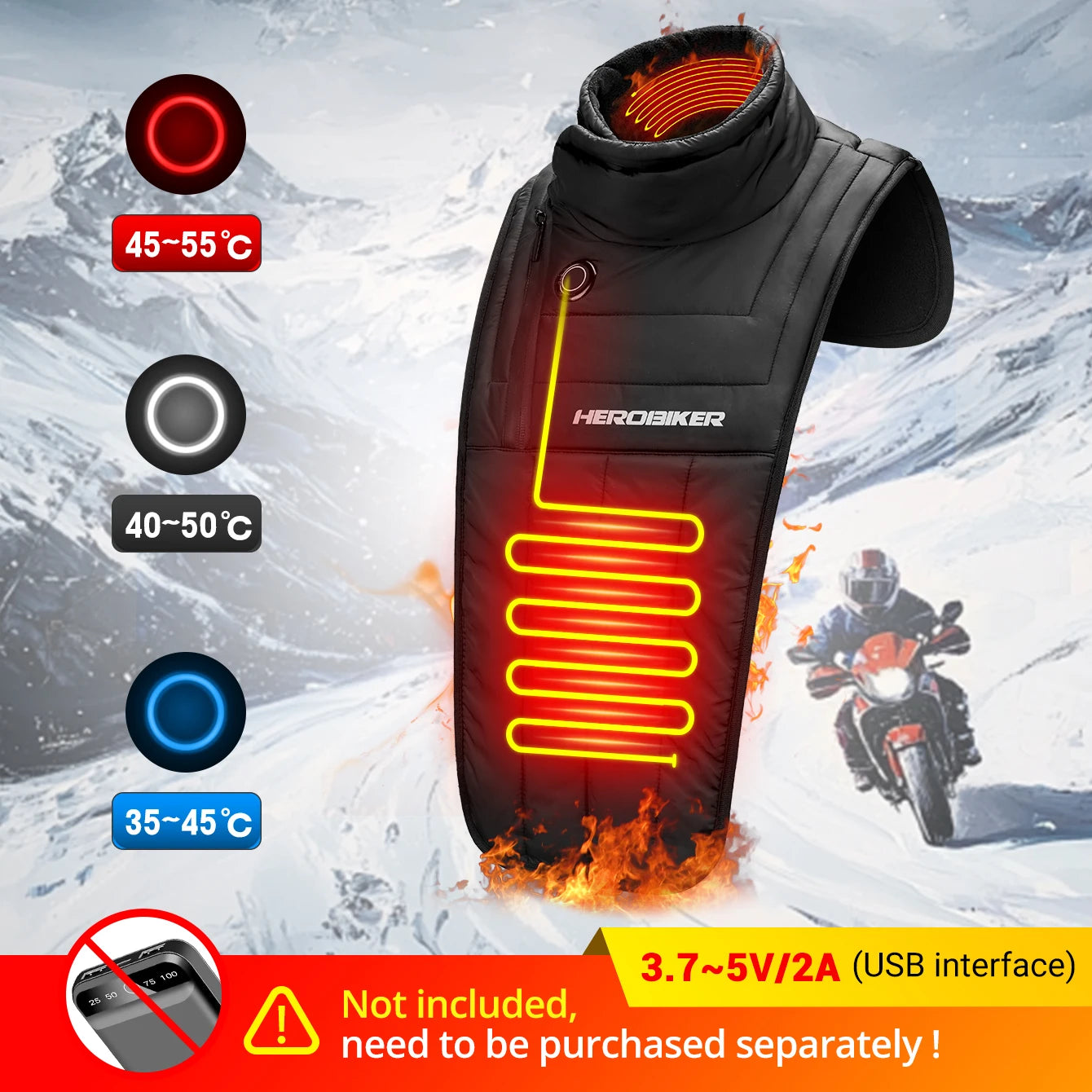
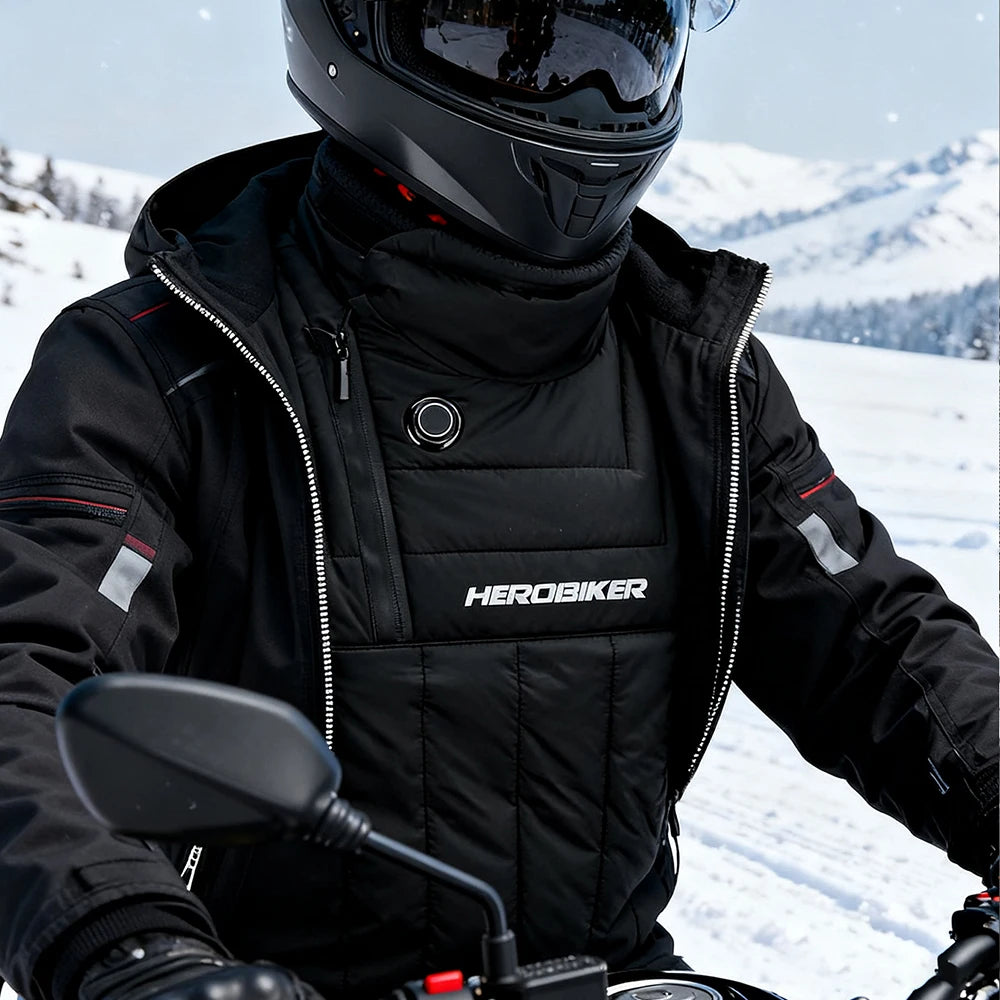
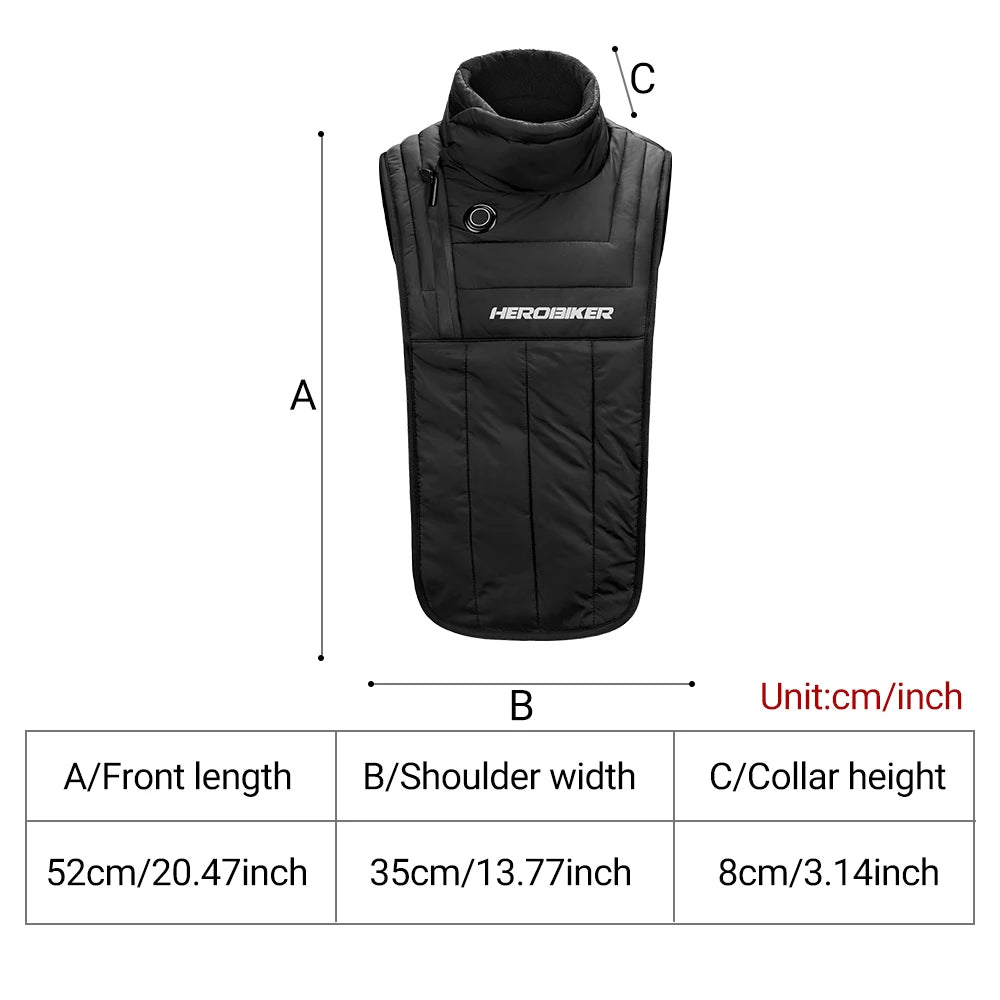
For added protection at common cold-entry points, many riders use a winter neck warmer to seal the neck area effectively without adding bulk.
winter riding apparel layering strategy See it in action
Best Motorcycle Cold Weather Gear Setup (Layering System)
Base Layer
Choose moisture-wicking synthetic or merino wool base layers to keep perspiration away from your skin.
Mid Layer
Fleece or insulated mid layers provide warmth while remaining breathable enough for active riding.
Outer Suit
Your outer motorcycle cold weather suit serves as the primary barrier against wind, rain, and road spray.
Heated Accessories
Heated gloves, heated socks, heated vests, and heated insoles can dramatically improve comfort without requiring excessive clothing layers.
Riders often explore additional comfort tools from the Body Care and Health Devices collection to improve recovery and reduce fatigue during winter riding.
How to Ride a Motorcycle in Cold Weather Safely
- Check weather forecasts, wind speeds, and road conditions before departure.
- Inspect tire pressure, as colder temperatures reduce air pressure.
- Watch carefully for ice, wet leaves, bridge decks, and shaded corners.
- Increase following distance because stopping distances often increase on cold pavement.
- Stay visible by keeping your visor clean and using reflective gear.
- Take regular breaks to restore circulation and reduce fatigue.
Common Mistakes to Avoid in Winter Motorcycle Riding
- Wearing clothing that's too tight and compressing insulation.
- Adding too many layers until sweating becomes excessive.
- Ignoring moisture management and waterproof performance.
- Leaving the neck, wrists, or ankles exposed to wind.
- Skipping heated accessories when regularly riding below freezing.
Additional comfort-focused accessories can be found in the Lifestyle collection, helping maintain warmth over longer rides.
Who Should Buy a Full Motorcycle Cold Weather Suit?
Daily Commuters
Reliable insulation and weather protection reduce fatigue during repeated cold-weather trips.
Touring Riders
Long-distance riders benefit most from premium waterproof construction, comfort, and ventilation.
Adventure Riders
Adventure riders should prioritize versatile suits that perform across changing terrain and weather.
Occasional Winter Riders
Those who ride only a few times each winter may find a quality textile suit with removable insulation offers the best balance between performance and cost.
motorcycle cold weather chart applied to real rides See it in action
How to Care for a Motorcycle Cold Weather Suit
Cleaning
Follow the manufacturer's washing instructions using cleaners designed for technical riding apparel whenever possible.
Waterproofing Maintenance
Restore durable water repellent (DWR) coatings periodically so rain continues to bead and roll off the fabric.
Thermal Liner Care
Wash removable liners separately and avoid excessive heat during drying to preserve insulation performance.
Storage
Store your suit completely dry in a cool, ventilated space away from direct sunlight to extend the life of fabrics, waterproof membranes, and protective armor.
Motorcycle Cold Weather Suit FAQs
Is a one-piece or two-piece suit better?
One-piece suits offer better weather sealing, while two-piece suits provide greater versatility and convenience for commuting.
How cold is too cold to ride?
Below approximately -10°C, riders generally need heated gear, careful route planning, and experience to ride comfortably and safely.
Are heated motorcycle suits worth it?
Yes, especially for riders covering long distances or riding frequently below freezing where passive insulation alone may not provide enough warmth.
Can you wear heated layers under armored suits?
Yes. Heated base layers and heated vests are designed to work beneath properly fitted armored riding suits without affecting protection when sized correctly.
What CE armor level is best for winter riding?
Level 2 CE armor generally provides higher impact protection than Level 1, although the best choice also depends on comfort, riding style, and the overall design of the garment.
Related Guide: How to Layer for Winter Motorcyclists Safely and Warmly













