What to Look for in Motorcycle Helmet Safety Standards (Quick Answer)
Motorcycle helmet safety standards define how effectively a helmet protects your head in a crash. When choosing a helmet, prioritize certified safety performance over design or features.
- Look for trusted certifications: DOT, ECE 22.06, or Snell
- Understand protection levels: DOT = baseline, ECE = balanced real-world safety, Snell = high-impact performance
- Check testing categories: Impact absorption, penetration resistance, retention system strength, and coverage
- Prioritize verified compliance: Certification matters more than aesthetics or brand claims
Motorcycle Helmet Testing Standards: How to Check Compliance
⏱ 7 min read
Not all helmets offer the same level of protection. Understanding motorcycle helmet testing standards helps you choose gear that’s proven to perform in real crashes. This guide explains how certification works, how to verify it, and how to choose the right helmet with confidence.
Here’s the key insight: a helmet can look durable and still fail basic safety tests. Knowing how standards work—and how to verify them—ensures your protection is real, not assumed.
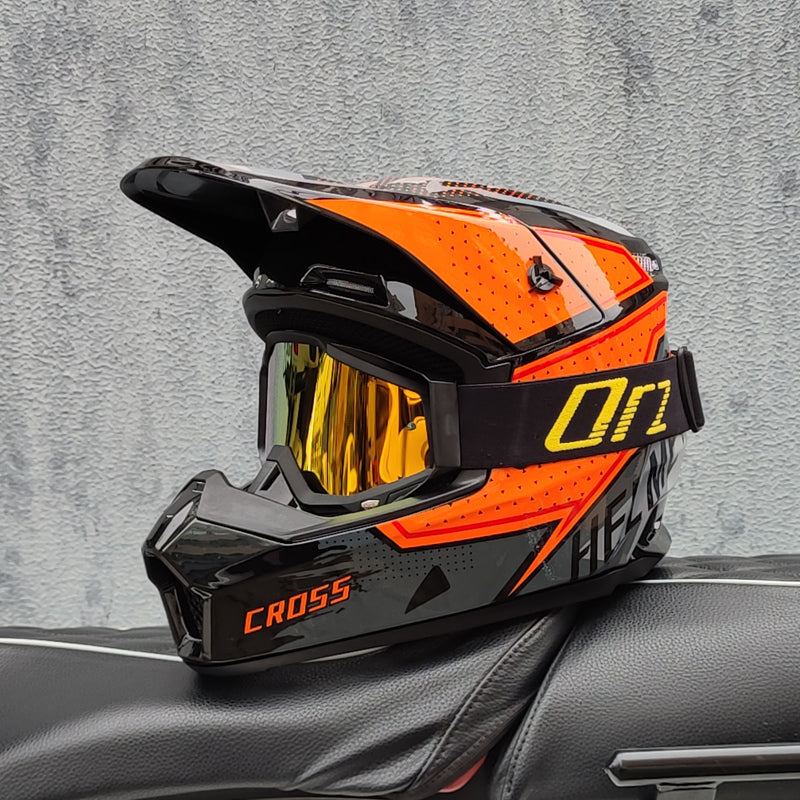
Understanding motorcycle helmet safety standards at a glance See it in action
What Are Motorcycle Helmet Safety Standards?
Motorcycle helmet safety standards are formal testing systems that define how well a helmet protects riders in crashes. These standards fall into two categories:
- Regulatory standards: Required by law (e.g., DOT in the U.S.)
- Voluntary standards: Optional but often stricter (e.g., Snell)
They ensure helmets meet minimum safety thresholds for impact protection, retention strength, and structural integrity. Some standards focus on legal compliance, while others emphasize performance under extreme conditions.
How Motorcycle Helmet Testing Works (Behind the Certification)
Motorcycle helmet testing standards rely on controlled lab simulations designed to replicate real crash scenarios. Each test targets a specific type of injury risk.
Impact Absorption Testing
Helmets are dropped onto hard surfaces at defined speeds. Sensors measure how much force reaches the head. Lower force means better brain protection.
Penetration Resistance Testing
A sharp object is dropped onto the shell to ensure it cannot pierce through and injure the rider.
Retention System (Strap) Testing
The chin strap is force-tested to confirm it won’t stretch or break during impact, ensuring the helmet stays in place.
Field of Vision and Coverage Tests
Standards verify that helmets provide adequate peripheral vision while covering critical areas of the head.
Rotational Impact and Oblique Testing (New Standards)
Modern standards like ECE 22.06 introduce rotational impact testing, which measures how well a helmet reduces twisting forces linked to brain injuries.
Major Motorcycle Helmet Standards Explained (DOT vs ECE 22.06 vs Snell vs SHARP)
DOT Helmet Safety Standards (United States)
DOT certification is legally required in the U.S. It covers impact absorption, penetration resistance, and strap strength. Manufacturers self-certify, but random testing is conducted.
ECE 22.06 (Latest European Standard)
ECE 22.06 is one of the most advanced global standards. It includes stricter impact tests, multiple angles, and rotational force evaluation, making it highly relevant for real-world crashes.
Snell Certification (High-Impact Performance)
Snell is a voluntary certification focused on high-speed and racing conditions. It requires helmets to withstand higher impact forces.
SHARP Rating System (Real-World Star Ratings)
SHARP does not certify helmets but assigns a 1–5 star rating based on crash simulations, helping consumers compare real-world performance.
Which Helmet Safety Standard Is Safest?
There is no single “safest” standard—each has strengths depending on riding conditions:
- ECE 22.06: Best balance of real-world impact and rotational protection
- Snell: Strongest for high-speed, high-impact scenarios
- DOT: Reliable baseline for legal road use
The key is matching the certification to your riding style rather than assuming one standard is universally superior.
Comparison Table of Motorcycle Helmet Certification Standards
| Standard | Region | Testing Type | Best Use Case |
|---|---|---|---|
| DOT | USA | Self-certified + random testing | Legal compliance |
| ECE 22.06 | Global | Third-party lab testing | All-around safety |
| Snell | Global | Independent high-impact testing | Racing / high speed |
| SHARP | UK | Rating system | Consumer comparison |
How to Check Helmet Safety Certification (Step-by-Step Guide)
- Locate certification labels: DOT, ECE, or Snell markings
- Check interior tags: Manufacturer details and compliance info
- Inspect build quality: Poor finishing may indicate counterfeit
- Verify online: Cross-check certification databases
- Avoid fake stickers: Labels should be permanent and embedded
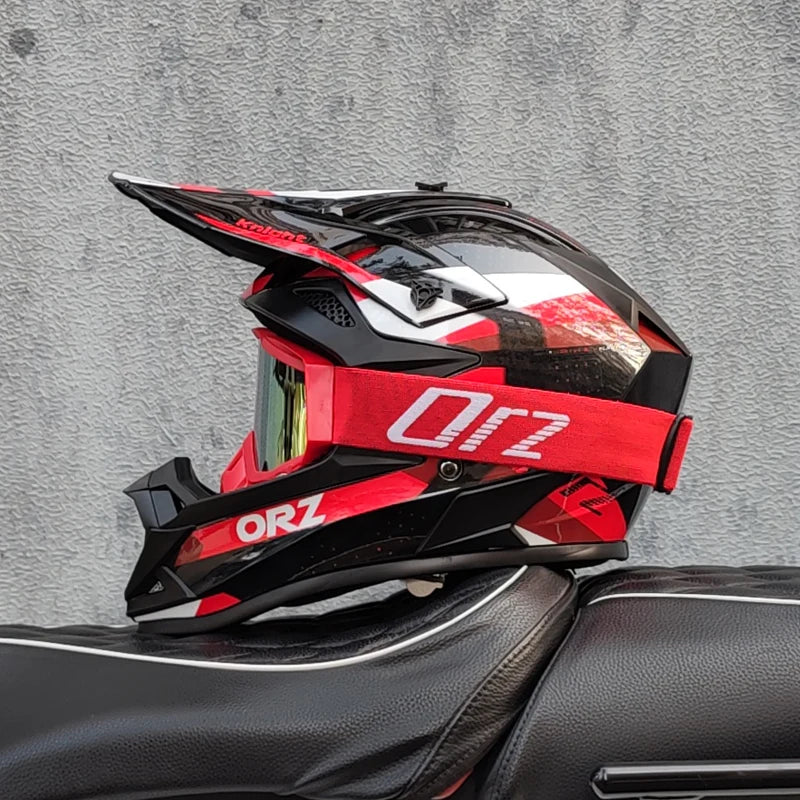
DOT helmet safety standards in real testing scenarios See it in action
How Helmet Safety Standards Translate to Real-World Protection
Lab tests simulate crashes, but real-world conditions vary. Understanding how standards apply in practice is critical:
- Linear impacts: Straight hits measured in drop tests
- Rotational forces: Twisting motion linked to brain injuries
- Urban riding: Lower speeds, higher frequency accidents
- Highway riding: Higher speed, higher impact forces
Certifications ensure minimum safety, but factors like helmet fit, design, and condition also affect protection.
Common Motorcycle Helmet Certification Mistakes Riders Make
- Relying only on DOT without verification
- Confusing ratings (SHARP) with certifications
- Buying counterfeit helmets with fake labels
- Prioritizing comfort over certified protection
- Using old or damaged helmets
Choosing the Right Helmet Standard for Your Riding Style
- Commuting: DOT or ECE-certified helmets
- Touring: ECE for global compatibility
- High-speed riding: Snell certification
- Safety-focused: ECE + high SHARP rating
Helmet type also matters. Full-face helmets provide the highest level of protection compared to open-face designs.
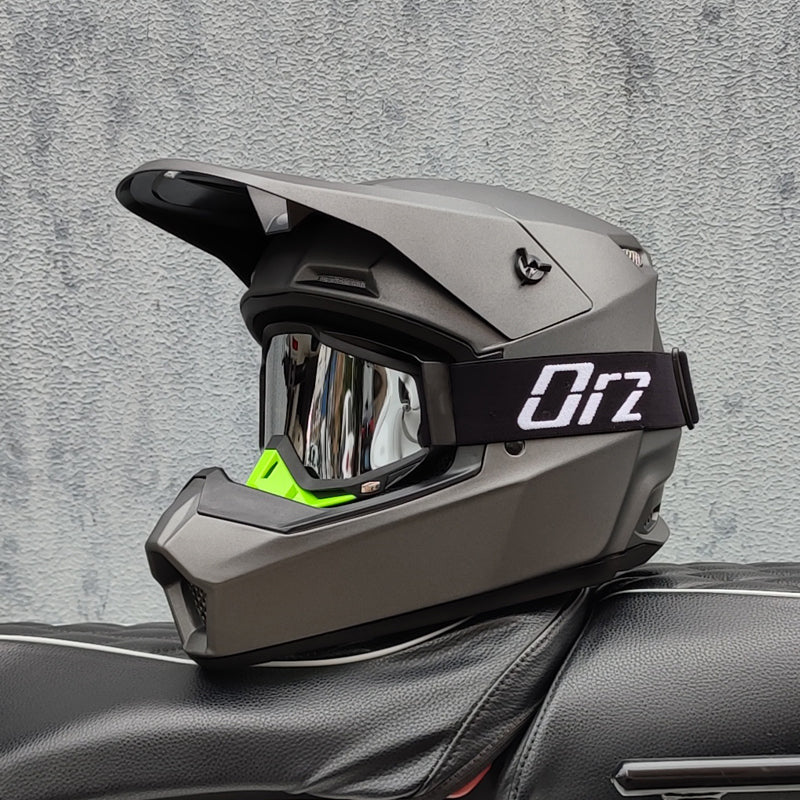
Choosing a helmet that meets motorcycle helmet safety certification See it in action
Frequently Asked Questions About Helmet Safety Certification
How do I know if my helmet meets motorcycle helmet standards?
Check for official certification labels such as DOT, ECE, or Snell. Ensure they are permanent and match manufacturer details.
Are DOT helmet safety standards enough?
DOT provides a solid baseline, but many riders prefer ECE or Snell for more rigorous testing and added protection.
What is the safest motorcycle helmet certification?
No single standard is universally safest. ECE offers balanced testing, Snell focuses on high-impact resistance, and SHARP provides performance ratings.
When should I replace a certified helmet?
Replace your helmet every five years or immediately after a crash, even if no visible damage is present.
What does ECE 22.06 improve over 22.05?
ECE 22.06 introduces more impact points, rotational testing, and stricter pass criteria, making it more reflective of real-world crash scenarios.
Related Guide: Motorcycle Safety Gear: How to Choose Protection That Works