What do motorcycle helmet test results actually tell you?
Motorcycle helmet test results show how well a helmet performs during controlled safety evaluations, including impact absorption, penetration resistance, retention strength, and other protective measurements. A motorcycle helmet test can confirm whether a helmet meets a required safety standard, but passing a test does not automatically mean every helmet offers the same level of real-world protection. Certification marks such as DOT, ECE 22.06, Snell, SHARP, and FIM provide important safety context, helping riders compare protection based on evidence rather than appearance or marketing claims.
Motorcycle Helmet Test Results: How to Read, Compare, and Trust Safety Ratings
Motorcycle helmet safety test results can help riders understand what happens when a helmet is exposed to crash forces. However, numbers, certification labels, and rating systems can be difficult to interpret without knowing what they measure. This guide explains how motorcycle helmet test results work, how different standards compare, and how to choose a helmet using real safety information instead of brand promises.
⏱ 8 min read
Are you trusting your helmet—or truly understanding the protection behind it?
Explore our Full Face Motorcycle Helmet and understand the features built for everyday road protection.
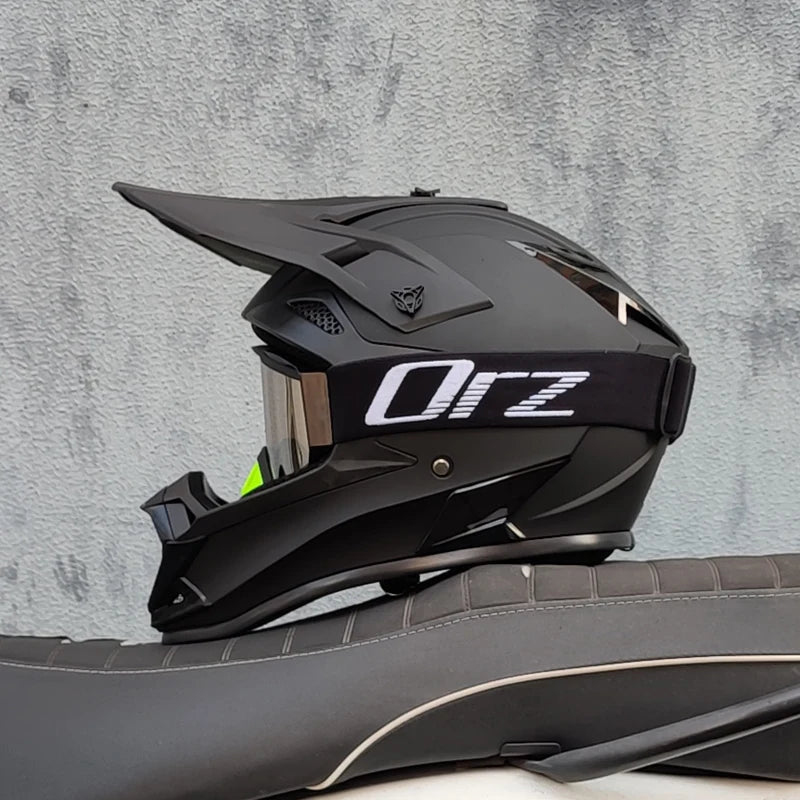
Impact resistant helmet tested for real-world rider protection
Why Understanding Motorcycle Helmet Test Results Matters
Motorcycle helmet safety depends on more than appearance, price, or brand reputation. A motorcycle helmet safety test provides measurable evidence about how a helmet responds to crash forces and whether it meets established requirements.
Understanding test results helps riders avoid common mistakes such as:
- Choosing style over verified protection
- Assuming expensive helmets always perform better
- Ignoring certification differences between regions
- Buying helmets with unclear testing information
A helmet that reduces the amount of energy transferred to the head can help lower the risk of severe injury during a crash. Test data does not predict every accident, but it provides objective information for making safer choices.
How Motorcycle Helmet Testing Works (Laboratory vs Real-World Crashes)
Motorcycle helmet testing takes place in controlled environments where engineers measure specific safety factors. Real crashes are unpredictable, so understanding the difference between laboratory results and road conditions is essential.
Laboratory impact tests vs real crash conditions
During a motorcycle helmet test, helmets are mounted on instrumented headforms and exposed to controlled impacts. Sensors measure the forces transferred through the helmet during impact.
Real crashes may involve additional variables, including:
- Multiple impacts
- Sliding across pavement
- Angled collisions
- Different impact speeds and surfaces
Certification testing vs independent testing
Certification testing determines whether helmets meet minimum requirements established by safety organizations. Independent programs may go further by comparing multiple helmets under standardized conditions and publishing performance ratings.
Limitations of laboratory testing
No laboratory test can perfectly recreate every motorcycle crash. Testing standards focus on measurable safety factors, but rider behavior, helmet fit, maintenance, and crash circumstances also influence protection.
How a Motorcycle Helmet Safety Test Works Step by Step
A motorcycle helmet safety test evaluates several protective features to determine whether a helmet can reduce injury risk.
Impact absorption testing
The helmet is tested against controlled impact surfaces while sensors measure transmitted forces. Lower acceleration values generally indicate that the helmet absorbs more energy before it reaches the head.
Penetration resistance
Penetration testing evaluates whether the helmet shell can resist sharp objects or external forces that could damage the protective structure.
Retention system strength
The chin strap and retention system are tested to ensure the helmet remains securely attached during sudden movement or impact.
Field of vision testing
Helmet designs must provide sufficient visibility so riders can maintain awareness of surrounding traffic and hazards.
Rotational impact assessment where applicable
Some modern testing programs evaluate rotational forces, which occur when the helmet experiences angled impacts. These measurements provide additional insight into how helmets manage complex crash movements.
See detailed specifications inside our Full Face Motorcycle Helmet.
Motorcycle Helmet Testing Standards Explained
Different motorcycle helmet testing standards use different testing methods, requirements, and rating systems. Understanding these differences helps riders compare helmets more accurately.
DOT (FMVSS 218)
The DOT helmet test is the mandatory safety standard for motorcycle helmets sold in the United States. It evaluates impact management, penetration resistance, and retention system strength. Manufacturers certify compliance, with government testing and enforcement programs used to monitor compliance.
ECE 22.06
ECE 22.06 is an international motorcycle helmet standard that includes updated testing methods, additional impact locations, and improved evaluation of rotational forces compared with older requirements.
Snell
Snell certification uses independent laboratory testing with demanding impact requirements. It is often associated with riders seeking additional protection for high-performance or competition environments.
SHARP
SHARP provides consumer-friendly helmet ratings using a star system based on independent impact testing. Higher star ratings indicate stronger overall performance within the tested category.
FIM racing standard
The FIM helmet standard is designed specifically for professional motorcycle racing environments. It focuses on high-speed impacts and advanced protection requirements.
How Published Motorcycle Helmet Test Results Are Measured
Published motorcycle helmet test results use several measurements to describe how a helmet performs under controlled conditions.
Impact energy
Impact energy refers to the force involved when a helmet strikes a surface. Effective helmets are designed to absorb and distribute this energy rather than allowing it to transfer directly to the head.
Peak acceleration (g-force)
Peak acceleration measures how quickly the headform experiences movement during impact. Lower peak g-force values generally indicate better energy management.
Rotational acceleration
Rotational acceleration measures twisting forces that can occur during angled impacts. Some newer standards include rotational evaluation to provide more complete safety analysis.
Pass/fail thresholds
Certification standards establish maximum acceptable limits for specific measurements. A passing helmet meets the required threshold, while higher-performing helmets may demonstrate better results in independent comparisons.
How to Tell If a Helmet Is DOT Approved (And Authentic)
Knowing how to tell if a helmet is DOT approved helps riders avoid counterfeit products that display false safety markings.
Check certification labels
A genuine DOT-certified helmet should have a permanent certification label with required manufacturer information.
Verify manufacturer information
Check that the helmet includes production details, model information, and a recognizable manufacturer. Missing documentation can be a warning sign.
Spot counterfeit markings
- Avoid helmets with fake-looking DOT stickers
- Be cautious of unusually low prices
- Look for poor construction quality
- Purchase from reliable sellers whenever possible
How to Read and Compare Motorcycle Helmet Test Results
Reading motorcycle helmets test data becomes easier when you focus on what each measurement represents instead of comparing numbers without context.
Understanding published reports
Look for details about impact testing, certification standards, rating systems, and whether results come from certification testing or independent evaluation.
Comparing different testing organizations
Different organizations may use different equipment, impact speeds, and scoring systems. A helmet can receive different ratings because each program evaluates protection differently.
Why ratings may differ
A difference in ratings does not always mean one organization is incorrect. It often reflects different testing priorities, thresholds, and measurement methods.
Helmet Safety Ratings Comparison Table
| Standard | Region | Testing Type | Rating Output | Best Use Case |
|---|---|---|---|---|
| DOT (FMVSS 218) | USA | Certification testing with compliance monitoring | Pass/fail | Legal road compliance |
| ECE 22.06 | Europe and international markets | Third-party approval testing | Pass/fail | Modern all-around protection |
| Snell | Global | Independent laboratory testing | Certification | High-impact riding needs |
| SHARP | UK | Independent comparison testing | 1–5 star rating | Consumer helmet comparisons |
| FIM | Global racing | Advanced racing evaluation | Certification | Professional competition |
How to Choose a Motorcycle Helmet Using Test Results
The safest helmet choice combines strong testing performance with proper fit and suitable use. Motorcycle helmet test results should guide your decision, but they should not replace practical considerations.
Balance certifications and fit
A highly rated helmet that fits incorrectly may not provide its intended protection. A secure, comfortable fit is essential for safety.
Prioritize intended riding
Consider your riding style, speed, environment, and frequency of use. Touring riders, commuters, and racers may prioritize different helmet features.
Understand testing limitations
Use certification and independent ratings as evidence, while also considering ventilation, visibility, comfort, and maintenance.
- Choose recognized safety certifications
- Review independent ratings when available
- Avoid relying only on brand reputation
- Select the correct helmet size and shape
Explore our Full Face Motorcycle Helmet for a design focused on coverage, comfort, and everyday riding confidence.
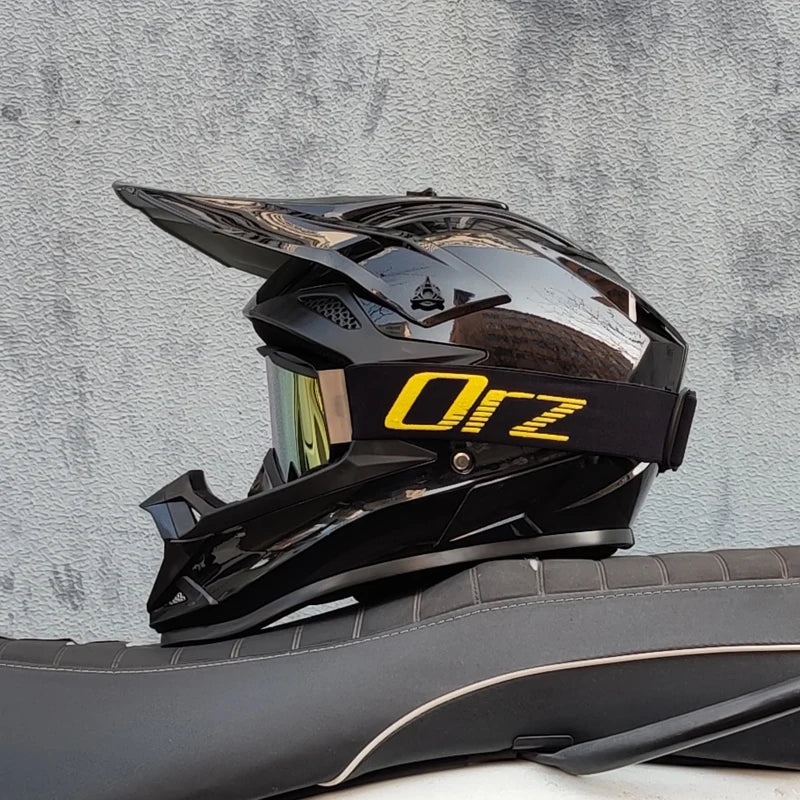
Motorcycle helmet protection evaluated through safety testing
Frequently Asked Questions
What do motorcycle helmet test results actually measure?
Motorcycle helmet test results measure factors such as impact absorption, penetration resistance, retention strength, and other safety performance indicators.
How is independent helmet testing different from certification testing?
Certification testing checks whether a helmet meets required safety standards, while independent testing often compares multiple helmets using additional evaluation methods.
Is a DOT-approved helmet always the safest choice?
No. DOT approval confirms compliance with a required standard, but other certifications and independent ratings may provide additional safety information.
What does SHARP's star rating mean?
SHARP uses a 1–5 star system to show relative impact performance based on independent testing. More stars indicate stronger overall performance in SHARP evaluations.
What is ECE 22.06 and why is it important?
ECE 22.06 is a modern motorcycle helmet standard that includes updated testing procedures and broader impact evaluation requirements.
Can a helmet pass one standard but fail another?
Yes. Different organizations use different test methods, thresholds, and evaluation criteria, so results may vary between standards.
Should I replace my helmet after a minor crash?
Yes. Even if damage is not visible, internal protective materials may be compromised after an impact.
How long do motorcycle helmets remain safe?
Helmet lifespan depends on materials, use, storage conditions, and manufacturer recommendations. Regular inspection helps identify when replacement is needed.
Can helmets be re-tested?
Helmets can be tested again through certification or independent programs, but riders should follow manufacturer guidance rather than attempting to reuse damaged helmets.
Related Guide: Motorcycle Safety Gear: How to Choose Protection That Works