

Does muscle activation technique cost really deliver better results?
Muscle activation technique cost can seem expensive initially, but the value depends on your goals, treatment needs, and how many sessions you require. Professional Muscle Activation Technique (MAT) focuses on identifying and correcting muscular imbalances through individualized assessment, while at-home EMS devices provide convenient muscle stimulation for fitness and supplemental core training. Understanding the differences helps you decide which option offers the best return on your investment.
Muscle Activation Technique Cost: Is It Worth the Price?
Muscle activation technique cost is often one of the first questions people ask before booking a session. Initial evaluations generally cost more than follow-up visits because they include detailed movement assessments and muscle testing. If you're comparing MAT with home fitness solutions, it's also worth understanding how EMS abdominal toning devices differ from professional treatment so you can choose the option that best matches your goals and budget.
⏱ 5 min read
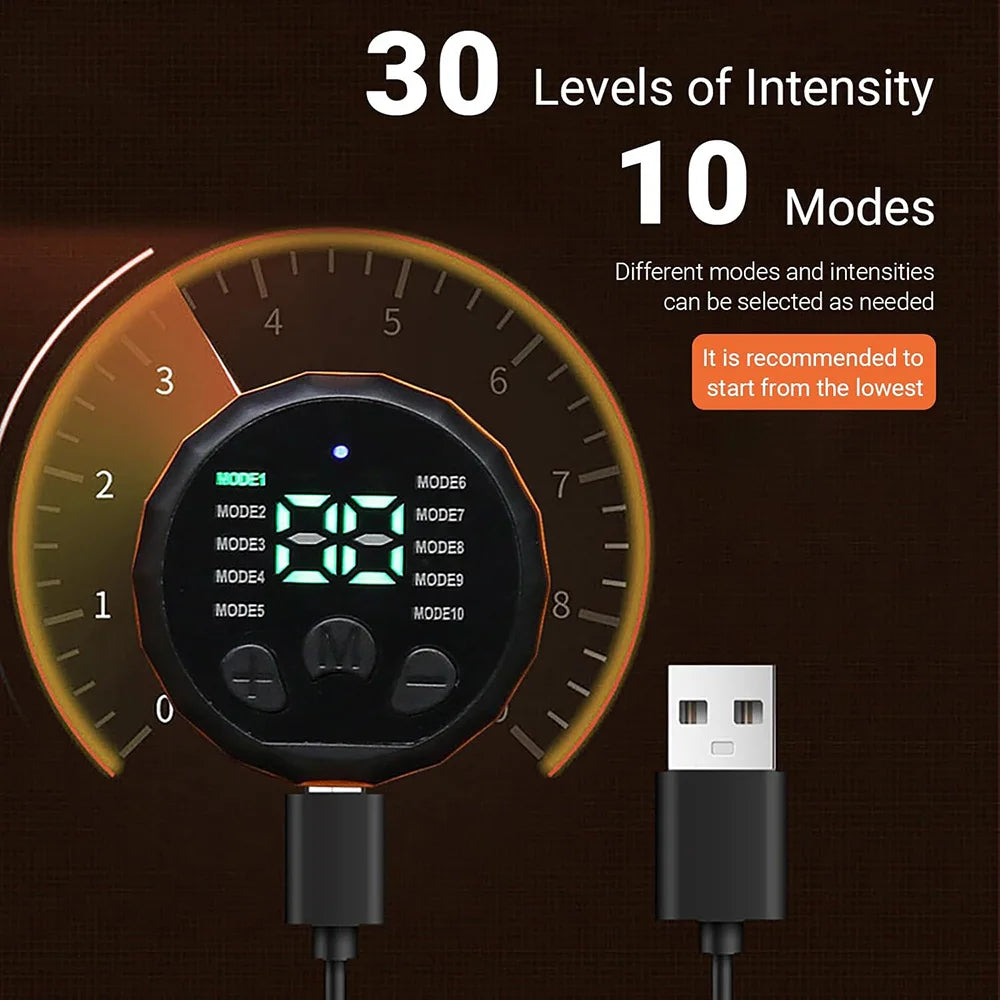
Muscle activation technique cost explained with real EMS use cases. See it in action.
How Much Does Muscle Activation Technique Cost?
The average muscle activation technique cost typically ranges from $150–$300 for an initial evaluation and $75–$175 for follow-up sessions . Prices vary depending on practitioner certification, clinic location, treatment complexity, and appointment length.
Many providers also offer discounted treatment packages for ongoing care, reducing the average cost per session.
- Initial assessment: $150–$300
- Follow-up treatment: $75–$175
- Package of 5–10 sessions: Often saves 10–20%
- Elite sports specialists: May charge $250–$400+ per visit
If you're wondering how much muscle activation technique costs in your area, requesting quotes from certified practitioners is usually the most reliable way to estimate your total investment.
What Factors Affect Muscle Activation Technique Price?
Not every clinic charges the same amount. Several variables influence muscle activation therapy cost.
Practitioner Certification
Providers with advanced MAT certifications and extensive clinical experience generally charge more because of their specialized expertise.
Geographic Location
Clinics in major metropolitan areas typically have higher operating expenses than practices in smaller communities.
Session Length
Longer appointments—particularly comprehensive first visits—cost more than standard follow-up sessions.
Injury or Movement Complexity
Individuals recovering from chronic injuries or complicated movement dysfunctions often require more extensive evaluation and treatment than those seeking performance optimization.
What Does Muscle Activation Technique Cost Include?
A higher muscle activation technique cost often reflects a detailed evaluation rather than simply additional treatment time.
- Comprehensive movement assessment
- Muscle strength testing
- Joint range-of-motion evaluation
- Targeted muscle activation techniques
- Progress tracking
- Personalized home exercise recommendations
Initial appointments are generally more expensive because they include a complete assessment before corrective activation begins.
For individuals looking for a lower-cost home training option, an EMS abdominal toning belt offers one-time ownership instead of recurring appointment fees.
How Many Muscle Activation Technique Sessions Do Most People Need?
Total treatment cost depends on your goals, symptoms, and response to therapy.
- Minor movement issues: 2–4 sessions
- Sports performance improvement: 4–8 sessions
- Persistent pain or dysfunction: 6–12+ sessions
- Maintenance visits: Every 4–8 weeks when appropriate
Your practitioner should regularly reassess progress instead of recommending indefinite treatment without measurable improvements.
Does Muscle Activation Technique Cost Really Deliver Better Results?
Whether Muscle Activation Technique is worth the investment depends on your objectives. Many people pursue MAT to improve movement quality, address muscle inhibition, or complement rehabilitation rather than replace conventional medical care.
MAT may provide greater value for:
- Athletes seeking improved movement efficiency
- Individuals with recurring muscular imbalances
- People who have plateaued with traditional exercise programs
- Clients wanting individualized neuromuscular assessment
If your goal is general fitness alone, structured resistance training, physical therapy, or other lower-cost exercise programs may provide comparable long-term benefits.
Is Muscle Activation Technique Covered by Insurance, HSA, or FSA?
Insurance coverage varies because many MAT practitioners operate as private-pay providers.
- Traditional health insurance frequently does not directly reimburse MAT.
- Some clinics can provide superbills for possible out-of-network reimbursement.
- HSA or FSA eligibility depends on your individual plan and medical necessity requirements.
- Always confirm coverage with your insurance provider before scheduling treatment.
Muscle Activation Technique vs Physical Therapy, Chiropractic Care, Massage Therapy, and Personal Training
| Service | Typical Cost | Primary Focus |
|---|---|---|
| Muscle Activation Technique | $75–$300 per visit | Neuromuscular assessment and activation |
| Physical Therapy | Often insurance-assisted with copays | Rehabilitation and functional recovery |
| Chiropractic Care | $50–$200 per session | Joint mobility and spinal care |
| Massage Therapy | $70–$180 per session | Soft tissue treatment and relaxation |
| Personal Training | $50–$150 per hour | Exercise programming and fitness coaching |
Rather than replacing these services, MAT is frequently used alongside them to improve muscle function and movement quality.
How EMS Devices Compare to Traditional Core Workouts
Although Muscle Activation Technique and EMS devices both involve muscle activation, they serve different purposes.
- MAT is a hands-on treatment performed by trained practitioners.
- EMS abdominal belts use electrical stimulation to create muscle contractions at home.
- EMS devices generally require a lower upfront investment than multiple MAT sessions.
- Neither option replaces progressive strength training for overall fitness.
For people exploring alternatives to traditional core workouts, EMS can provide supplemental muscle stimulation while fitting into busy schedules.
How This EMS Technology Accelerates Core Toning Results
EMS muscle stimulation may improve muscle activation during low-intensity exercise and can support rehabilitation when used appropriately. The best results generally occur when EMS is combined with regular strength training, balanced nutrition, and consistent physical activity rather than being used alone.
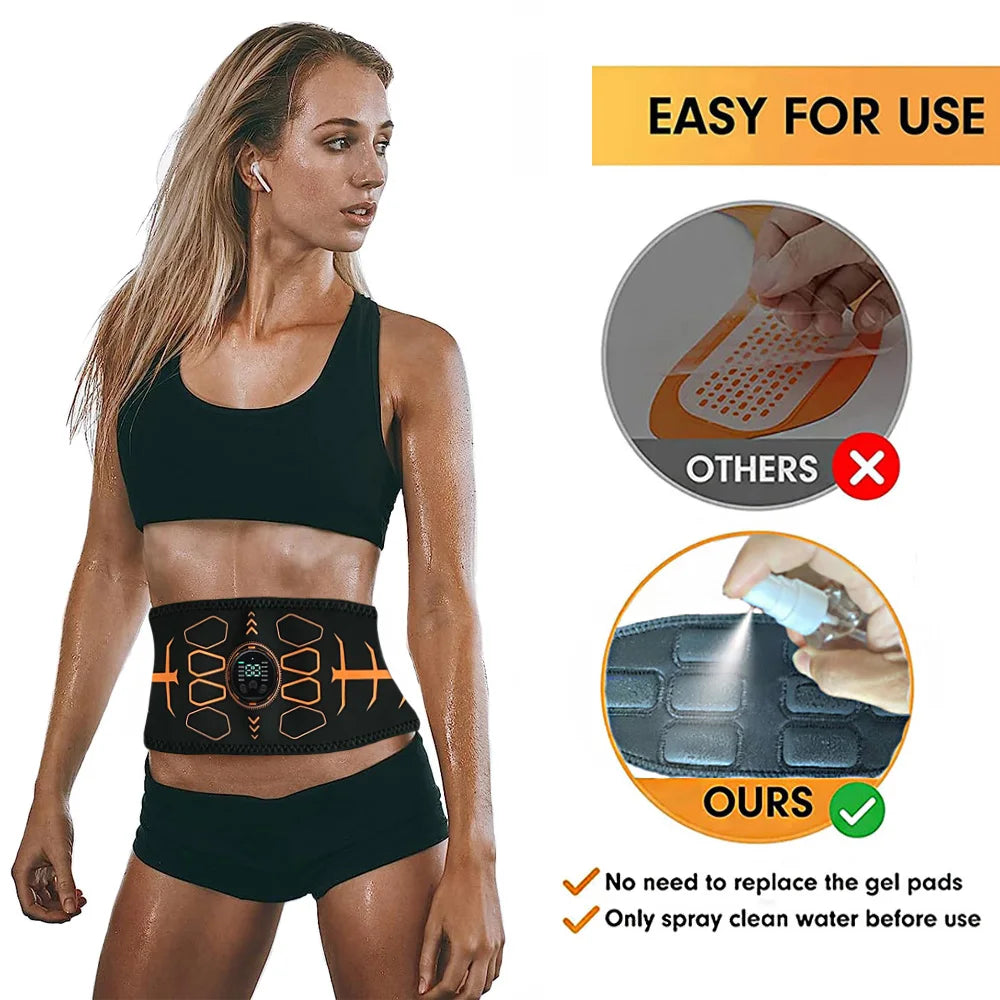
How effective are EMS ab toning devices alongside regular exercise? See it in action.
Real Results: What Users Actually Experience
Muscle activation technique reviews commonly report improvements in movement awareness, flexibility, coordination, and muscle engagement after several sessions. Results vary based on the individual's condition, treatment consistency, and overall exercise habits.
Likewise, EMS abdominal toning devices tend to deliver the best outcomes when used consistently alongside an active lifestyle instead of replacing exercise altogether.
How to Use EMS for Maximum Core Activation at Home
- Wrap the belt securely around your abdominal muscles.
- Select an intensity level that feels strong but comfortable.
- Begin with 15–20 minute sessions.
- Increase intensity gradually as your muscles adapt.
- Combine EMS sessions with hydration and regular exercise for optimal results.
Consistency is more important than intensity. Regular use over several weeks generally produces better results than occasional high-intensity sessions.
Pros and Cons Breakdown for Smarter Decisions
| Pros ✅ | Cons ❌ |
|---|---|
| Highly individualized assessment | Higher upfront investment |
| May improve movement efficiency | Insurance coverage may be limited |
| Useful alongside rehabilitation | Multiple sessions may be required |
| Can identify muscular imbalances | Availability depends on certified practitioners |
Why This EMS Belt Stands Out as a Smart Investment
Compared with repeated professional treatment sessions, an EMS abdominal belt represents a one-time purchase that can provide ongoing home muscle stimulation. For individuals looking to supplement workouts and improve consistency, it offers an affordable entry point. However, it should not be viewed as a substitute for professional assessment when dealing with pain, injuries, or complex movement dysfunction.

EMS abdominal belt compared with traditional workout routines. See it in action.
FAQs
How much does muscle activation technique cost?
Most initial appointments range from $150–$300, while follow-up sessions commonly cost $75–$175 depending on the provider, location, and appointment length.
Why does muscle activation therapy cost vary between clinics?
Pricing differs based on practitioner certification, geographic location, session duration, and the complexity of the assessment or treatment.
Is muscle activation technique worth it?
It may be worthwhile for individuals seeking personalized assessment of muscle function, especially when conventional exercise or rehabilitation has not fully resolved movement limitations.
Does insurance cover Muscle Activation Technique?
Coverage varies. Many providers operate on a private-pay basis, although some clinics provide documentation that may support out-of-network reimbursement.
How many sessions will I probably need?
Many people begin with 2–6 sessions, while more complex movement issues may require additional visits based on ongoing reassessment.
What is the average EMS abdominal belt cost?
Consumer EMS abdominal belts generally cost significantly less than multiple professional MAT sessions because they are designed for long-term home use.
Are EMS ab toning devices effective?
They can supplement exercise by producing muscle contractions, but the best results occur when they are combined with strength training, healthy nutrition, and consistent physical activity.
Can EMS replace traditional exercise?
No. EMS is best viewed as a complementary training tool rather than a replacement for resistance exercise and cardiovascular fitness.
Pillar Article: Muscle Activation Technique Reviews: Real Results Breakdown
Other Related Articles:
Explore More:













