

Does Muscle Activation Technique Work? Evidence-Based Answer
Many muscle activation technique reviews report improvements in movement quality, muscle engagement, flexibility, and pain reduction after several sessions. However, current scientific evidence remains limited, with most support coming from practitioner experience, case reports, and patient testimonials rather than large randomized clinical trials.
What Current Research Shows
Existing research suggests improving neuromuscular activation may help restore muscle function in individuals experiencing inhibition after injury or prolonged inactivity. While the principles behind muscle activation are consistent with rehabilitation science, specific studies evaluating Muscle Activation Techniques (MAT) remain relatively scarce.
What MAT Can and Cannot Do
- May improve muscle recruitment and stability
- May reduce compensatory movement patterns
- Can complement rehabilitation and strength training
- Should not be viewed as a replacement for medical treatment when structural injuries are present
Muscle Activation Technique Reviews: Real Results Breakdown
muscle activation technique reviews reveal what actually works, breaking down real gains, comfort, and consistency users experience. From ems abdominal trainer reviews real user results to easy muscle activation techniques at home, you’ll discover practical ways to see progress fast. Curious how to improve core strength without gym routines or expensive memberships? This guide uncovers evidence, real-world insights, and realistic expectations.
⏱ 5 min read
Struggling to see real results despite putting in effort? Many people feel stuck between time-consuming workouts and products that promise too much—but deliver too little. So what actually works?
Which method truly builds core strength without wasting your time?
Discover smarter ways to activate your muscles and unlock faster results
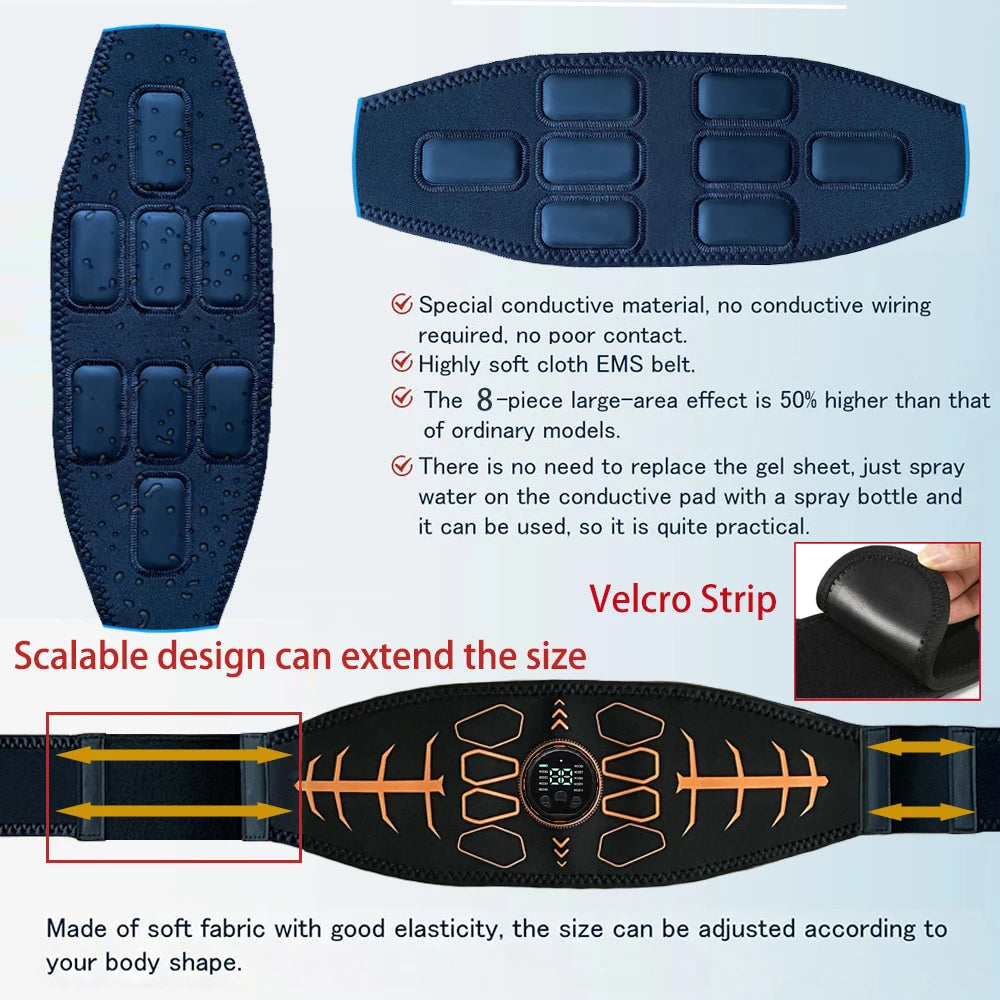
muscle activation technique reviews highlight real transformations See it in action
What Is Muscle Activation Therapy and How Does It Work?
Muscle Activation Therapy focuses on identifying muscles that are not contracting efficiently and restoring proper neuromuscular function through targeted assessments and manual techniques. Rather than treating pain directly, practitioners aim to improve muscle communication and joint stability.
How a MAT Assessment Works
A session typically begins with posture analysis, range-of-motion testing, and muscle-specific evaluations to identify areas of weakness or inhibition.
How Treatment Sessions Are Performed
Practitioners apply precise manual pressure while guiding specific muscle contractions. Treatment is individualized based on movement limitations identified during assessment.
Who Developed Muscle Activation Techniques
MAT was developed by Greg Roskopf and has gained popularity among sports performance specialists and rehabilitation professionals.
Muscle Activation Technique Reviews: What Real Patients and Practitioners Say
Across practitioner websites, independent reviews, and patient experiences, recurring themes emerge regarding the strengths and limitations of MAT.
Positive Experiences
- Improved movement quality
- Reduced muscle tightness
- Better athletic performance
- Enhanced joint stability
Common Complaints
- Multiple sessions may be required
- Treatment can be expensive
- Results vary depending on diagnosis
- Limited insurance coverage
What Practitioners Report
Many clinicians use MAT alongside corrective exercise, strength training, and rehabilitation programs rather than as a standalone solution.
Scientific Evidence Behind Muscle Activation Therapy Review
Available Clinical Research
Research on neuromuscular activation supports improving muscle recruitment in rehabilitation settings, but direct high-quality studies evaluating proprietary MAT protocols remain limited.
Evidence Limitations
- Few randomized controlled trials
- Small participant numbers
- Limited long-term follow-up
Expert Consensus
Many rehabilitation professionals consider MAT a complementary approach that may benefit selected patients when integrated into broader exercise-based care.
Who Benefits Most from Muscle Activation Therapy?
- Athletes: optimize movement efficiency and reduce compensations.
- Office workers: improve posture-related muscle imbalances.
- Older adults: support mobility and stability when combined with exercise.
- Individuals recovering from inactivity: restore muscle recruitment before strength training.
What Happens During a Muscle Activation Therapy Session?
Initial Evaluation
The first appointment usually lasts 60–90 minutes and includes movement screening and muscle testing.
Muscle Testing
Specific muscles are evaluated to determine whether they activate effectively through their full range of motion.
Follow-Up Visits
Subsequent appointments focus on reassessment and targeted treatment based on previous findings.
Expected Timeline
Some individuals notice improvements immediately, while others require multiple sessions depending on their condition and goals.
How Much Does Muscle Activation Therapy Cost?
Pricing varies by location and practitioner experience.
- Initial assessment: approximately $100–$250
- Follow-up sessions: approximately $75–$200
- Package pricing may reduce per-session cost.
Insurance Coverage
Coverage depends on provider credentials and insurance policy. Many sessions are paid out of pocket.
Is It Worth the Cost?
Value depends on individual goals, symptom complexity, and response to treatment.
Muscle Activation Therapy vs Physical Therapy, Chiropractic Care, Massage, and Active Release Techniques
- Physical Therapy: broader rehabilitation focused on restoring function after injury.
- Chiropractic Care: emphasizes spinal and joint manipulation.
- Massage Therapy: primarily targets soft tissue relaxation.
- Active Release Techniques: addresses scar tissue and movement restrictions.
- MAT: focuses on restoring muscle activation and neuromuscular control.
How EMS Devices Compare With Traditional Muscle Activation Techniques
Although both approaches involve muscle activation, they serve different purposes.
- MAT relies on practitioner assessment and manual correction.
- EMS uses electrical stimulation to produce muscle contractions.
- Many rehabilitation professionals combine both methods with exercise programs.
| Feature | EMS Ab Trainer | Traditional Workout |
|---|---|---|
| Time Required | 15–20 minutes | 45–60 minutes |
| Muscle Activation Depth | High (direct stimulation) | Moderate |
| Convenience | Use anywhere | Requires space/equipment |
| Consistency | Easier to maintain | Often inconsistent |
Easy Muscle Activation Techniques at Home
Muscle Activation Exercises
- Glute bridges
- Bird dogs
- Dead bugs
- Mini-band walks
How to Activate Muscles Correctly
Focus on controlled movement, proper breathing, and quality contractions rather than heavy resistance.
Improve Core Strength Without Gym
Bodyweight exercises combined with consistent practice can improve stability and muscle coordination at home.
Learn step-by-step how to activate your core muscles effectively at home
EMS Abdominal Trainer Reviews: Real User Results
EMS abdominal trainer reviews generally report improvements in muscle awareness and abdominal engagement when devices are used consistently alongside exercise and nutrition.
Typical Results After 2–8 Weeks
- Improved muscle engagement
- Better posture awareness
- Visible definition when combined with fat loss
Common Mistakes
- Expecting fat loss without lifestyle changes
- Using intensity levels that are too low
- Inconsistent training schedules
Realistic Expectations
EMS supports muscle stimulation but should complement—not replace—exercise and progressive strength training.

ems abdominal trainer reviews real user results show consistent gains See it in action
Pros and Cons of Muscle Activation Techniques
- Pros: individualized treatment, improved movement quality, complements rehabilitation, non-invasive.
- Cons: limited high-quality research, multiple sessions may be needed, variable practitioner experience, out-of-pocket costs.
Risks, Safety, and Who Should Avoid MAT
Potential Side Effects
Most people experience minimal side effects, though temporary soreness may occur after treatment.
Contraindications
Individuals with acute injuries, unexplained pain, or serious neurological conditions should consult a qualified healthcare professional before beginning MAT.
Finding a Qualified Practitioner
Look for practitioners with recognized MAT training, relevant clinical experience, and transparent treatment plans.
Final Verdict: Is Muscle Activation Therapy Worth It?
Based on available muscle activation technique reviews, MAT may be worthwhile for individuals seeking improved movement quality, muscle function, or performance—particularly when guided by a qualified practitioner. While patient experiences are often positive, current scientific evidence is still developing. The strongest outcomes are typically reported when MAT is combined with progressive exercise, rehabilitation, and healthy lifestyle habits rather than used as a standalone solution.
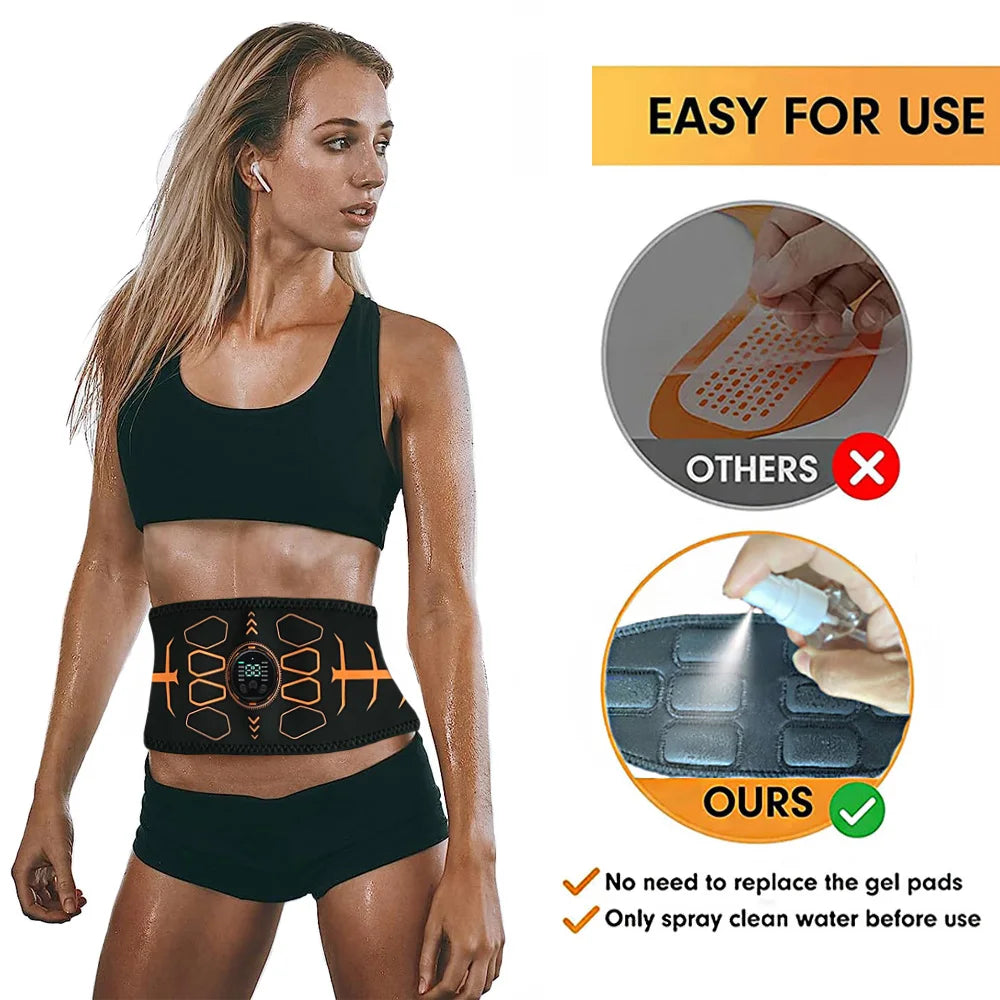
how to improve core strength without gym made simple See it in action
Get yours now — limited stock!
Frequently Asked Questions
Do muscle activation techniques really build muscle?
They can improve muscle activation and strength when used consistently, especially alongside exercise.
How long does it take to see results?
Most users notice changes within 3–6 weeks depending on frequency and intensity.
Can I use EMS devices daily?
Yes, daily use is common, typically for 15–20 minutes per session.
Is MAT supported by scientific research?
Research supports neuromuscular activation principles, but high-quality studies on MAT specifically remain limited.
Is MAT better than physical therapy?
No single approach is universally better. MAT focuses on activation, while physical therapy covers broader rehabilitation.
How often should you receive MAT?
Frequency varies, though many begin with weekly sessions before transitioning to maintenance care.
Related Articles:
- Muscle Activation Technique Cost: Is It Worth the Price?
- Abdominal Training Belt Review: Does It Really Work Fast?
Pillar Articles:













