

Does leg recovery technology really work for muscle fatigue?
Yes. Modern leg recovery technology can help reduce muscle fatigue in legs by supporting healthy circulation, encouraging lymphatic fluid movement, and promoting faster recovery after exercise or prolonged standing. Air compression systems apply controlled, sequential pressure that may ease muscle fatigue in calves, reduce feelings of heaviness, and help many people recover more comfortably when used alongside proper hydration, nutrition, and rest.
Muscle Fatigue in Legs: Causes, Symptoms, and What Actually Helps
⏱ 7 min read
What Is Muscle Fatigue in Legs?
Muscle fatigue in legs is a temporary decline in your muscles' ability to generate force or sustain activity. It often develops after exercise, prolonged standing, walking, or repetitive movement and is commonly felt in the calves, thighs, or lower legs. Most cases improve with adequate recovery, although persistent or unexplained fatigue may warrant medical evaluation.
What Muscle Fatigue Feels Like
People describe muscle fatigue in legs differently depending on the underlying cause and activity level. Common sensations include:
- A heavy or weighed-down feeling in the legs
- Reduced endurance during walking, running, or climbing stairs
- Muscle fatigue in calves after standing or exercising
- Tightness or stiffness that improves with movement or rest
- A burning sensation during strenuous activity
- Slower recovery between workouts or physically demanding days
Muscle Fatigue vs Muscle Pain vs Weakness
- Muscle fatigue: A temporary reduction in performance and endurance caused by physical exertion or insufficient recovery.
- Muscle pain: Soreness, tenderness, or discomfort that often develops after exercise, such as delayed onset muscle soreness (DOMS).
- Muscle weakness: A true loss of strength that may occur even without recent activity and can indicate a neurological or medical condition.
Understanding these differences helps determine whether simple recovery strategies are appropriate or whether medical advice should be considered.
What Happens Inside Your Muscles (Simple Physiology)
Your muscles rely on adenosine triphosphate (ATP) as their primary energy source. During activity, oxygen and nutrients are delivered through the bloodstream to continuously replenish ATP so muscle fibers can contract efficiently.
As exercise intensity or duration increases, ATP demand can temporarily exceed supply. At the same time, metabolic byproducts accumulate, nerve signals become slightly less efficient, and muscle fibers lose some of their ability to contract with the same force. The result is the familiar feeling of muscle fatigue in legs, reduced endurance, and slower movement.
Once activity stops, circulation helps deliver fresh oxygen and nutrients while removing metabolic waste. Proper hydration, nutrition, sleep, and recovery techniques all support this natural repair process.
Common Symptoms of Leg Muscle Fatigue
Symptoms vary depending on the cause, activity level, and overall health, but most people notice one or more of the following:
- Heavy or tired feeling in the legs
- Reduced endurance during activity
- Muscle tightness or stiffness
- Burning sensation in the calves or thighs
- Slower recovery after exercise
Mild vs Extreme Muscle Fatigue in Legs
Mild muscle fatigue is expected after challenging exercise, long work shifts, or extended periods of standing and typically improves within hours or a few days. Extreme muscle fatigue in legs may involve persistent weakness, difficulty walking, noticeably reduced performance, or recovery that takes much longer than expected.
When Symptoms May Signal a Medical Issue
If muscle fatigue develops without significant physical activity, lasts for an extended period, or occurs alongside swelling, numbness, severe pain, skin color changes, or increasing weakness, it may reflect circulation problems, nerve disorders, medication effects, or another underlying medical condition that should be evaluated by a healthcare professional.
Muscle fatigue in legs doesn't only affect athletes. It can gradually develop after long workdays, extended travel, aging-related circulation changes, repetitive movements, or hours of standing. While rest remains essential, recovery technology can provide additional support by improving comfort, promoting circulation, and helping people manage stubborn muscle fatigue in calves and heavy, tired legs more efficiently.
Explore smarter recovery solutions designed for real relief.
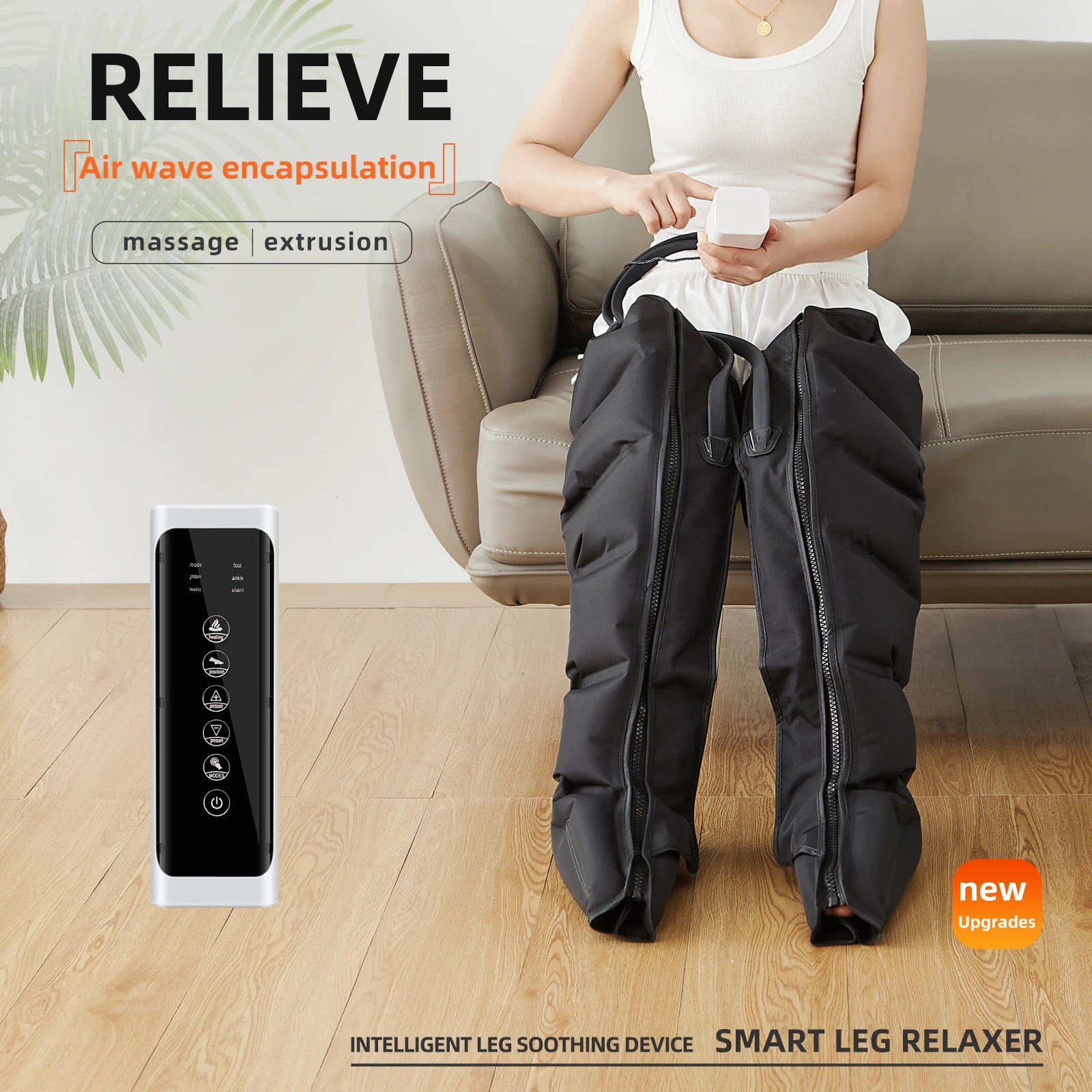
Relieve muscle fatigue in legs at home — See it in action
What Causes Muscle Fatigue in Legs?
Leg muscle fatigue causes range from temporary physical stress to circulation, neurological, or medical conditions. Identifying the underlying cause is important because effective treatment depends on whether the fatigue results from normal exertion or an ongoing health issue.
Exercise and Overuse
One of the most common causes of muscle fatigue in legs is demanding physical activity. During prolonged exercise, muscles consume ATP rapidly and gradually lose their ability to maintain the same level of force.
- High-intensity workouts or endurance training
- Overtraining without adequate recovery days
- Long periods of standing, walking, or climbing stairs
- Sudden increases in training volume or intensity
In healthy individuals, this type of fatigue usually improves with rest, hydration, and appropriate recovery.
Dehydration and Electrolyte Imbalance
Even mild dehydration can reduce exercise performance and contribute to muscle fatigue in calves and thighs. Sweating also depletes electrolytes such as sodium, potassium, and magnesium, which help muscles and nerves function normally.
- Insufficient fluid intake
- Heavy sweating during exercise
- Electrolyte depletion after prolonged activity
- Poor nutrition during recovery
Poor Circulation
Your muscles depend on healthy blood flow to receive oxygen and nutrients while removing metabolic waste. When circulation is reduced, muscles may tire more quickly and recover more slowly.
- Poor blood circulation
- Chronic venous insufficiency
- Remaining in one position for extended periods
- Age-related vascular changes
Some people also choose leg circulation improvement devices as part of their recovery routine to complement movement, stretching, and other healthy habits.
Nerve Disorders
Conditions affecting the nerves can interfere with communication between the brain and muscles, leading to fatigue, weakness, numbness, or altered sensation.
- Peripheral neuropathy
- Lumbar nerve compression
- Sciatic nerve irritation
- Other neurological disorders
When fatigue occurs alongside persistent numbness, tingling, or progressive weakness, medical evaluation is recommended.
Medication Side Effects
Some prescription medications may contribute to muscle fatigue or muscle aches as a side effect. Examples include certain cholesterol-lowering drugs, blood pressure medications, and other treatments that affect muscle or nerve function. Never stop taking prescribed medication without consulting your healthcare provider.
Chronic Medical Conditions
Several health conditions can contribute to ongoing or recurrent leg muscle fatigue by reducing oxygen delivery, affecting circulation, or altering muscle function.
- Anemia
- Peripheral artery disease
- Diabetes-related nerve damage
- Chronic fatigue-related disorders
- Thyroid disorders
How to Relieve Muscle Fatigue in Legs (Proven Methods)
Immediate Relief Techniques
Simple recovery strategies can often reduce discomfort and restore normal muscle function after physical activity.
- Elevate your legs to encourage healthy circulation.
- Drink water and replace lost electrolytes after prolonged exercise.
- Perform gentle calf, hamstring, and quadriceps stretches.
- Use heat for muscle tightness or contrast therapy if appropriate.
Recovery Methods After Exercise
Supporting recovery after exercise helps reduce soreness and prepares muscles for future activity.
- Active recovery such as light walking or cycling
- Foam rolling or manual massage
- Compression therapy to support circulation and recovery
- Adequate protein intake and quality sleep
Long-Term Prevention Strategies
Reducing recurring muscle fatigue involves building healthy recovery habits over time.
- Increase training intensity gradually to avoid overuse.
- Maintain balanced nutrition and consistent hydration.
- Include regular mobility, flexibility, and strength exercises.
- Use leg circulation improvement devices when appropriate as part of a comprehensive recovery plan.
Technology That Helps Tired Legs Recover Faster
Advances in leg recovery technology provide additional options for reducing post-exercise discomfort and supporting healthy circulation. While no device replaces proper training, sleep, hydration, or nutrition, certain recovery tools may complement these fundamentals.
Manual Recovery Methods
Traditional recovery techniques remain effective for many people but often require more time, effort, or assistance.
- Stretching improves flexibility and range of motion.
- Foam rolling may temporarily reduce muscle tightness.
- Massage guns provide targeted treatment for specific muscle groups.
- Sports massage can help relieve localized muscle tension.
Because these approaches depend on user technique and consistency, results can vary from person to person.
Compression-Based Recovery Technology
Compression-based recovery devices use sequential air pressure to gently compress different areas of the legs. This rhythmic compression supports venous return, encourages fluid movement, and may reduce feelings of heaviness following prolonged standing, travel, or strenuous exercise.
Compared with manual recovery methods, this type of leg recovery technology offers hands-free, repeatable treatment sessions with consistent pressure throughout the recovery period.
Who May Benefit Most
Compression recovery systems may be helpful for:
- Athletes recovering after training or competition
- People who stand or walk for extended work shifts
- Frequent travelers experiencing tired, heavy legs
- Active older adults seeking additional recovery support
Although many users report reduced muscle fatigue in calves and improved comfort, recovery devices should be viewed as supportive tools rather than treatments for underlying medical conditions.
Discover recovery tools trusted by athletes and professionals.
Why Compression Massage Boots Work Better
Compression massage boots are designed to support recovery by applying controlled, sequential air pressure to different sections of the legs. This intermittent compression encourages healthy blood flow, assists venous return, and may help reduce the sensation of heavy, tired legs after exercise or prolonged standing. While they are not a treatment for underlying medical conditions, they can be a valuable addition to a comprehensive recovery routine.
- Supports healthy circulation and oxygen delivery to working muscles
- May reduce temporary swelling and feelings of heaviness
- Helps relieve muscle fatigue in calves, thighs, and lower legs
- Can improve comfort following strenuous workouts or long workdays
- Provides consistent, hands-free recovery sessions at home
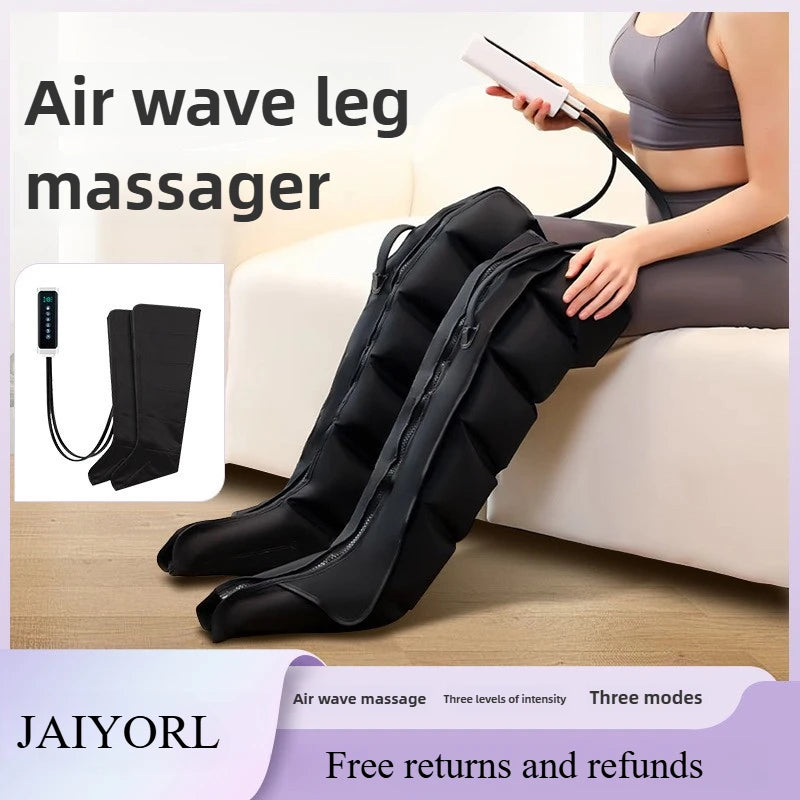
Compression massage boots improving circulation — See it in action
Air Compression Leg Massager: How It Works
An air compression leg massager uses inflatable chambers that fill and release in a programmed sequence. This pattern mimics the natural muscle pump that occurs during walking, helping move blood and fluid upward through the legs instead of allowing it to pool in the lower extremities.
Unlike manual massage, the pressure remains consistent throughout each session, making it easier to repeat the same recovery routine after training, travel, or physically demanding work.
- Sequential compression from the feet toward the thighs
- Adjustable pressure levels for individual comfort
- Full-leg coverage instead of isolated muscle treatment
- Quiet operation suitable for home or office use
- Portable design for convenient daily recovery
Air Compression Leg Massager provides an easy way to incorporate guided compression therapy into a regular recovery routine without scheduling professional massage appointments.
Compression Massage Boots Benefits
Research on intermittent pneumatic compression suggests it may support post-exercise recovery by improving circulation and reducing temporary muscle soreness. Individual results vary depending on training intensity, overall health, and recovery habits.
- Supports healthy blood circulation throughout the legs
- May reduce post-workout muscle soreness and stiffness
- Helps relieve feelings of heavy or tired legs
- May assist with temporary fluid accumulation after prolonged standing
- Offers convenient, repeatable recovery sessions without manual effort
Current Evidence and Limitations
Current research indicates that pneumatic compression devices can help improve perceived recovery and reduce muscle soreness after exercise for many users. However, they should be viewed as supportive recovery tools rather than replacements for proper sleep, hydration, nutrition, progressive training, and medical care when needed.
People with severe peripheral artery disease, active deep vein thrombosis, certain skin infections, or other conditions affecting circulation should consult a healthcare professional before using compression therapy.
How to Use Compression Massage Boots Effectively
Using compression massage boots consistently is generally more beneficial than occasional long sessions. Following the manufacturer's instructions helps maximize comfort and supports safe recovery.
Session Length
- Wear the boots on clean, dry legs.
- Begin with a low to moderate pressure setting if you are a new user.
- Use the device for approximately 20–30 minutes per session unless otherwise recommended by the manufacturer.
- Apply compression after workouts, long work shifts, extended travel, or other activities that leave your legs feeling fatigued.
- Stay hydrated before and after each recovery session.
Safety Tips
- Stop the session if you experience significant pain, numbness, or unusual discomfort.
- Avoid placing the boots over open wounds or infected skin.
- Do not exceed recommended pressure settings or session durations.
- Consult a healthcare provider before use if you have significant circulatory disease, uncontrolled heart failure, or another serious medical condition.
Recovery Technology Comparison
| Recovery Method | Ease of Use | Circulation Support | Primary Benefit |
|---|---|---|---|
| Stretching | Moderate | Low | Improves flexibility and mobility |
| Foam Rolling | Moderate | Low to Medium | Reduces muscle tightness |
| Massage Gun | Moderate | Medium | Targeted relief for specific muscles |
| Compression Massage Boots | Easy | High | Hands-free full-leg recovery and circulation support |
When to See a Doctor for Leg Fatigue
Most cases of muscle fatigue in legs improve with rest, hydration, and appropriate recovery. However, persistent or unexplained symptoms should not be ignored, especially when they interfere with daily activities or occur without recent physical exertion.
Emergency Symptoms
Seek immediate medical attention if leg fatigue is accompanied by any of the following:
- Sudden, severe weakness affecting one or both legs
- Severe swelling, warmth, redness, or significant discoloration
- Chest pain or shortness of breath occurring with leg swelling
- Loss of sensation or inability to move the leg normally
- Sudden inability to walk following injury or without an obvious cause
These symptoms may indicate conditions that require urgent medical assessment.
Non-Emergency Medical Evaluation
Schedule an appointment with a healthcare professional if you experience:
- Extreme muscle fatigue in legs that persists for several days despite adequate recovery
- Fatigue that develops without exercise or prolonged standing
- Recurring muscle fatigue that limits normal activities
- Persistent numbness, tingling, or burning sensations
- Progressive weakness or worsening exercise tolerance
- Symptoms associated with chronic medical conditions such as diabetes or peripheral artery disease
Your healthcare provider may evaluate circulation, nerve function, medications, nutrition, or other underlying causes to determine the most appropriate treatment plan.
Frequently Asked Questions
What is the main cause of muscle fatigue in legs?
The most common causes include strenuous exercise, overuse, dehydration, poor circulation, inadequate recovery, and prolonged standing or walking. Less commonly, muscle fatigue may result from neurological disorders, medication side effects, or chronic medical conditions.
How do you relieve muscle fatigue in legs quickly?
Rest, hydration, gentle stretching, light movement, and elevating the legs often provide relief. After exercise, compression therapy, foam rolling, and adequate nutrition may also support recovery.
Is muscle fatigue in calves normal after exercise?
Yes. Muscle fatigue in calves commonly develops after running, hiking, strength training, or extended periods of standing. It usually improves within one to three days with appropriate recovery.
Do compression massage boots really help?
Compression massage boots may improve circulation, reduce feelings of heaviness, and support post-exercise recovery for many users. They work best as part of a complete recovery plan that includes proper sleep, hydration, nutrition, and progressive training.
When should I worry about leg fatigue?
Seek medical advice if muscle fatigue is severe, persistent, develops without physical activity, or occurs together with swelling, numbness, discoloration, or progressive weakness.
Can dehydration cause muscle fatigue in legs?
Yes. Dehydration reduces blood volume and can impair oxygen delivery to working muscles. Combined with electrolyte loss, it may contribute to fatigue, cramping, and slower recovery.
Can poor circulation make your legs feel tired?
Yes. Reduced circulation may decrease oxygen delivery and slow the removal of metabolic waste, causing heavy, tired, or fatigued legs, particularly after standing or walking for long periods.
How long should muscle fatigue last after exercise?
For most healthy individuals, muscle fatigue improves within several hours to a few days depending on workout intensity. If symptoms continue beyond several days or progressively worsen, consult a healthcare professional.
Get yours now — limited stock!
Related Guide: Compression Therapy for Legs Explained Benefits and Results













