

Does muscle stiffness relief really work at home?
Yes, muscle stiffness relief at home can be effective when you use evidence-based methods such as gentle movement, heat therapy, stretching, and targeted relaxation techniques. These approaches help improve mobility, encourage circulation, and reduce the feeling of tight muscles caused by everyday activities.
Home care is usually suitable for mild stiffness related to prolonged sitting, exercise, stress, or temporary muscle fatigue. The most effective routines focus on consistency rather than intensity, using short sessions that help muscles relax without creating additional strain.
Quick Relief: What to Do When Muscles Feel Tight Right Now
If your muscles feel stiff right now, you do not need an extensive workout or complicated recovery plan. A few targeted steps can help reduce tension, restore comfortable movement, and teach you how to relieve muscle stiffness safely at home.
5-Minute Reset Routine
- Roll your shoulders slowly forward and backward for 60 seconds to encourage movement.
- Stretch the tight area gently for 20–30 seconds without forcing your range of motion.
- Apply light pressure using your hands or a massage tool to relax areas of tension.
- Practice slow breathing to help reduce stress-related muscle contraction.
- Stand and walk for 1–2 minutes to increase circulation after sitting or inactivity.
Gentle Pressure vs. Aggressive Stretching
When learning how to loosen stiff muscles, avoid the temptation to force deep stretches. Aggressive stretching can increase discomfort when tissues are already tense. Gentle pressure, controlled movements, and gradual stretching allow muscles to relax while reducing the risk of added irritation.
Decision Tree: Heat, Movement, or Rest?
- Choose heat when muscles feel tight, tense, or stiff from sitting, stress, or everyday fatigue. Warmth can help muscles feel more relaxed before movement.
- Choose gentle movement when stiffness comes from staying in one position too long. Walking, mobility exercises, and light stretching can help restore normal movement.
- Choose rest and evaluation when stiffness follows an injury, appears with significant swelling, or causes severe pain or major movement limitations.
⏱ 6 min read
Muscle Stiffness Relief at Home: Simple, Science-Backed Techniques That Work
Do your shoulders feel locked up after hours at your desk? Muscle stiffness relief does not require complicated routines or professional treatments for many everyday causes. With smart, evidence-based techniques you can use at home, it is possible to reduce muscle tightness, relieve fatigue in shoulders and arms, and restore comfortable movement through consistent daily habits.
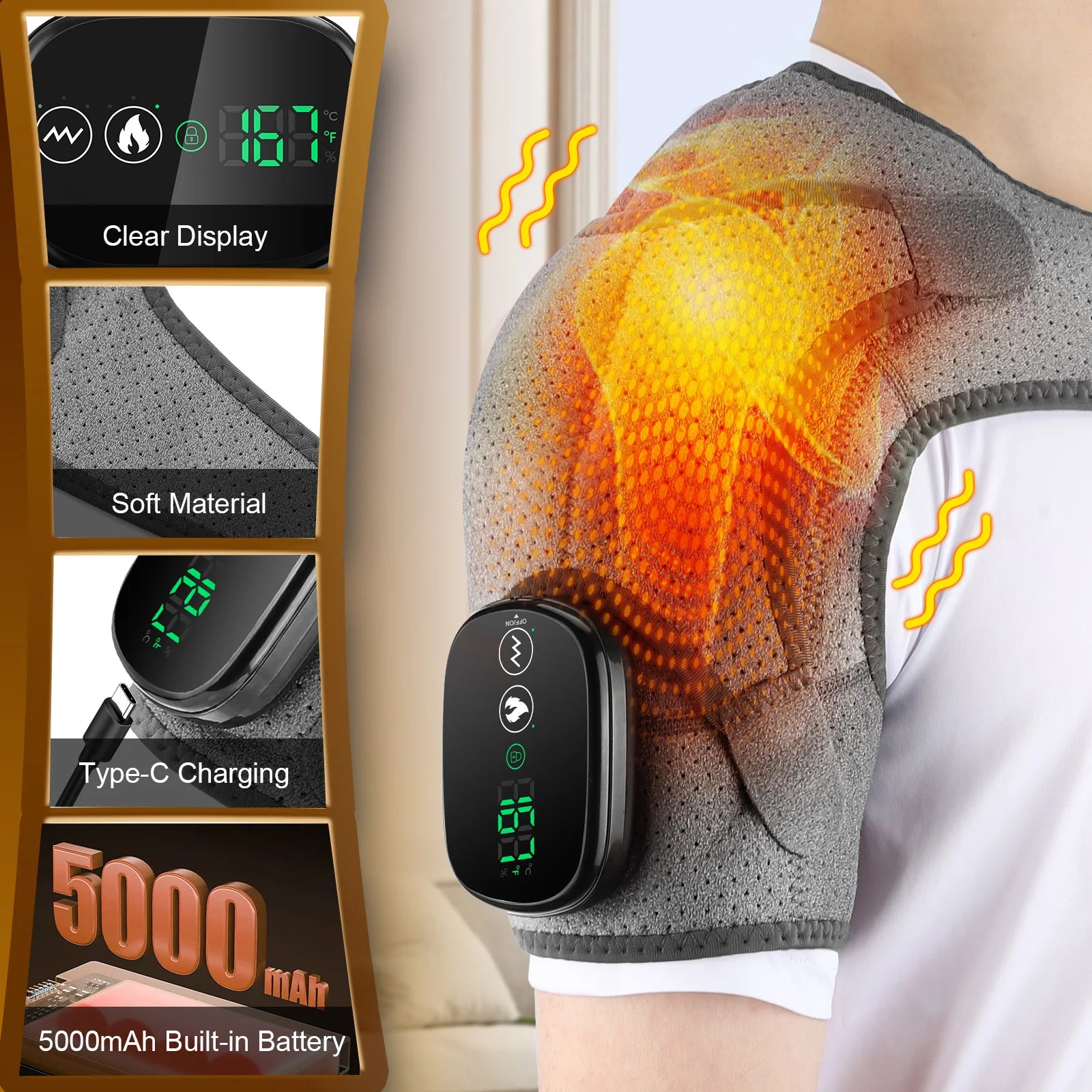
Muscle stiffness relief starts with simple daily habits See it in action
Why Muscles Become Stiff (And What Your Body Is Telling You)
Muscle stiffness is often your body’s signal that an area needs more movement, recovery, or relaxation. It commonly develops when muscles stay inactive for too long, experience repeated stress, or become overloaded during physical activity. Understanding the cause helps you choose the right relief method instead of relying on trial and error.
Inactivity and Poor Posture (Desk Work)
Long periods of sitting reduce movement and may limit normal circulation around working muscles. Staying in the same position can keep certain muscles shortened and contribute to muscle tightness from desk work, especially around the shoulders, neck, and upper back.
People who spend many hours at a computer often notice stiffness because the muscles supporting posture remain active for extended periods without enough recovery or movement breaks.
Overuse and Exercise-Related Tightness
Exercise-related stiffness often occurs after muscles experience a new or intense workload. Temporary changes inside muscle tissue during recovery can create soreness, tightness, and reduced flexibility.
This type of stiffness is common after unfamiliar workouts, increased training volume, or activities that repeatedly use the same muscle groups. Gentle movement, hydration, and gradual recovery support normal mobility.
Stress, Fatigue, and Circulation Issues
Stress and fatigue can contribute to ongoing muscle tension by causing muscles to remain partially contracted. This is especially noticeable as fatigue in shoulders and arms after long workdays or periods of mental stress.
Limited movement, poor sleep, dehydration, and low electrolyte intake may also make muscles feel tighter and slower to recover. Identifying these contributing factors can make muscle stiffness relief more effective over time.
Fast Muscle Stiffness Relief Techniques You Can Start Today
Muscle stiffness relief works best when you combine gentle movement, controlled pressure, and the right recovery method for the cause of tension. These techniques help relax tight muscles, improve circulation, and restore comfortable movement without forcing the body beyond its current limits.
- Apply localized warmth to stiff areas for 10–15 minutes when muscles feel tense from sitting, stress, or everyday fatigue.
- Use slow circular pressure with your hands or a massage tool to target areas that feel tight or restricted.
- Move through comfortable ranges with gentle mobility exercises instead of aggressive stretching that may increase discomfort.
- Breathe slowly and deeply to help reduce stress-related muscle tension and encourage relaxation.
For many people, these simple steps are enough to reduce the feeling of stiffness within minutes. The key is using steady, controlled movements rather than trying to force muscles to loosen quickly.
Step-by-Step Daily Routine for Muscle Stiffness Relief at Home
Consistency matters more than intensity when trying to reduce muscle tightness. A short daily routine that includes mobility, movement breaks, and recovery practices can help maintain flexibility and prevent stiffness from building up.
Morning Mobility Routine (5–10 Minutes)
Muscles often feel stiff after sleep because the body has been inactive for several hours. A gentle morning routine prepares your joints and muscles for daily activity.
- Perform slow neck tilts and comfortable rotations
- Complete arm circles and shoulder rolls
- Add light full-body stretching without forcing range of motion
- Take a short walk or move around to increase circulation
This routine helps loosen stiff muscles after waking and creates a foundation for better movement throughout the day.
Midday Desk Reset for Shoulders and Arms
Long periods of sitting can contribute to muscle tightness from desk work. Regular movement breaks help prevent muscles from staying in shortened positions for too long.
- Stand up every 30–60 minutes
- Stretch the chest, shoulders, and upper back
- Roll your shoulders and gently move your arms
- Shake out your hands and arms to reduce tension
This reset is especially useful for people who experience tight shoulders from sitting at a desk and want to reduce fatigue in shoulders and arms before it accumulates.
Evening Recovery Routine (Heat + Relaxation)
Evening recovery gives muscles time to relax after daily activity. Combining warmth with gentle movement can support comfort and reduce next-day stiffness.
- Apply heat to tight areas for 10–15 minutes
- Use gentle massage or controlled pressure on tense muscles
- Finish with slow stretching and relaxed breathing
A consistent evening routine can help your muscles recover and maintain better mobility over time.
How to Relieve Tight Shoulders From Sitting at a Desk
Shoulder stiffness relief is especially important for people who spend hours working at computers. Poor desk ergonomics, limited movement, and prolonged muscle activation can create tension around the neck, shoulders, and upper back.
Posture Fixes That Work Immediately
Small changes to your workspace can reduce unnecessary strain and support healthier shoulder positioning.
- Keep your screen close to eye level to avoid leaning forward
- Relax your shoulders instead of holding them raised or tense
- Sit with your back supported and feet comfortably positioned
- Keep your keyboard and mouse close enough to avoid reaching
Targeted Shoulder Relief Exercises
Simple mobility exercises can help restore movement after long periods of sitting. Perform each exercise slowly and stop if you experience pain.
- Shoulder blade squeezes: Pull your shoulder blades gently together for 10–15 repetitions
- Cross-body arm stretches: Stretch the back of the shoulder with controlled movement
- Wall chest stretches: Open the chest area to counter forward desk posture
Reducing Fatigue in Shoulders and Arms
Reducing fatigue in shoulders and arms requires more than correcting posture once. Frequent breaks, light movement, and an ergonomic setup help prevent tension from accumulating throughout the workday.
Building short mobility breaks into your schedule is one of the simplest ways to support shoulder stiffness relief and maintain comfortable movement while working.
Natural Muscle Relaxation Techniques That Actually Work
Natural muscle relaxation techniques can help reduce muscle tightness by supporting circulation, lowering stress-related tension, and improving recovery habits. The most effective approaches combine physical methods with lifestyle factors that help muscles return to a more relaxed state.
Breathing and Stress Reduction
Stress can cause muscles to remain tense for extended periods, especially around the shoulders, neck, and upper back. Slow breathing exercises can help signal the body to relax and may reduce stress-related muscle tension.
- Take slow breaths with longer exhales to encourage relaxation
- Pair breathing exercises with gentle stretching or mobility movements
- Use short relaxation breaks during stressful workdays
Adding breathing techniques to your daily routine can support other methods that reduce muscle tightness and improve overall comfort.
Self-Massage Techniques
Self-massage is one of the simplest home methods for targeting areas that feel tense or restricted. Applying controlled pressure with your hands, a foam roller, or a massage tool can help relax tight areas and improve the feeling of mobility.
- Use slow, gentle pressure instead of aggressive rubbing
- Focus on areas that feel tense without creating pain
- Combine massage with light movement for better results
Self-massage works best as part of a consistent recovery routine rather than a one-time solution for recurring stiffness.
Hydration and Electrolytes
Proper hydration supports normal muscle function and recovery. When the body does not receive enough fluids, muscles may feel more fatigued and uncomfortable, especially after exercise or long periods of activity.
- Drink enough water throughout the day
- Replace fluids after sweating heavily
- Maintain a balanced diet that supports muscle health
Hydration alone may not eliminate stiffness, but it supports other habits that help reduce muscle tightness.
Sleep and Recovery
Quality sleep is an important part of muscle recovery. During rest, the body has time to repair and adapt after daily movement, exercise, and physical stress.
- Maintain a consistent sleep schedule
- Create a relaxing evening routine
- Allow adequate recovery time after intense activity
Combining sufficient sleep with movement, stretching, and relaxation techniques creates a stronger foundation for long-term muscle comfort.
How Heat and Massage Speed Up Recovery
Heat and massage are commonly used home remedies for muscle stiffness because they can improve comfort, encourage relaxation, and support circulation around tense areas.
When to Use Heat vs. Massage
Heat is generally helpful when muscles feel tight, stiff, or tense from inactivity, stress, or daily strain. Warmth can make movement feel easier and prepare muscles for gentle stretching.
Massage is useful when you notice localized tension or areas that feel particularly tight. Controlled pressure can help relax those areas while supporting a more comfortable range of motion.
Why Consistency Matters More Than Intensity
Short, regular recovery sessions are often more practical and sustainable than occasional intense treatments. Spending five to ten minutes each day on mobility, warmth, or gentle massage can help maintain comfort and reduce recurring stiffness.
Body Care and Health Devices can support home recovery routines by providing consistent warmth and controlled pressure when included as part of a balanced approach.
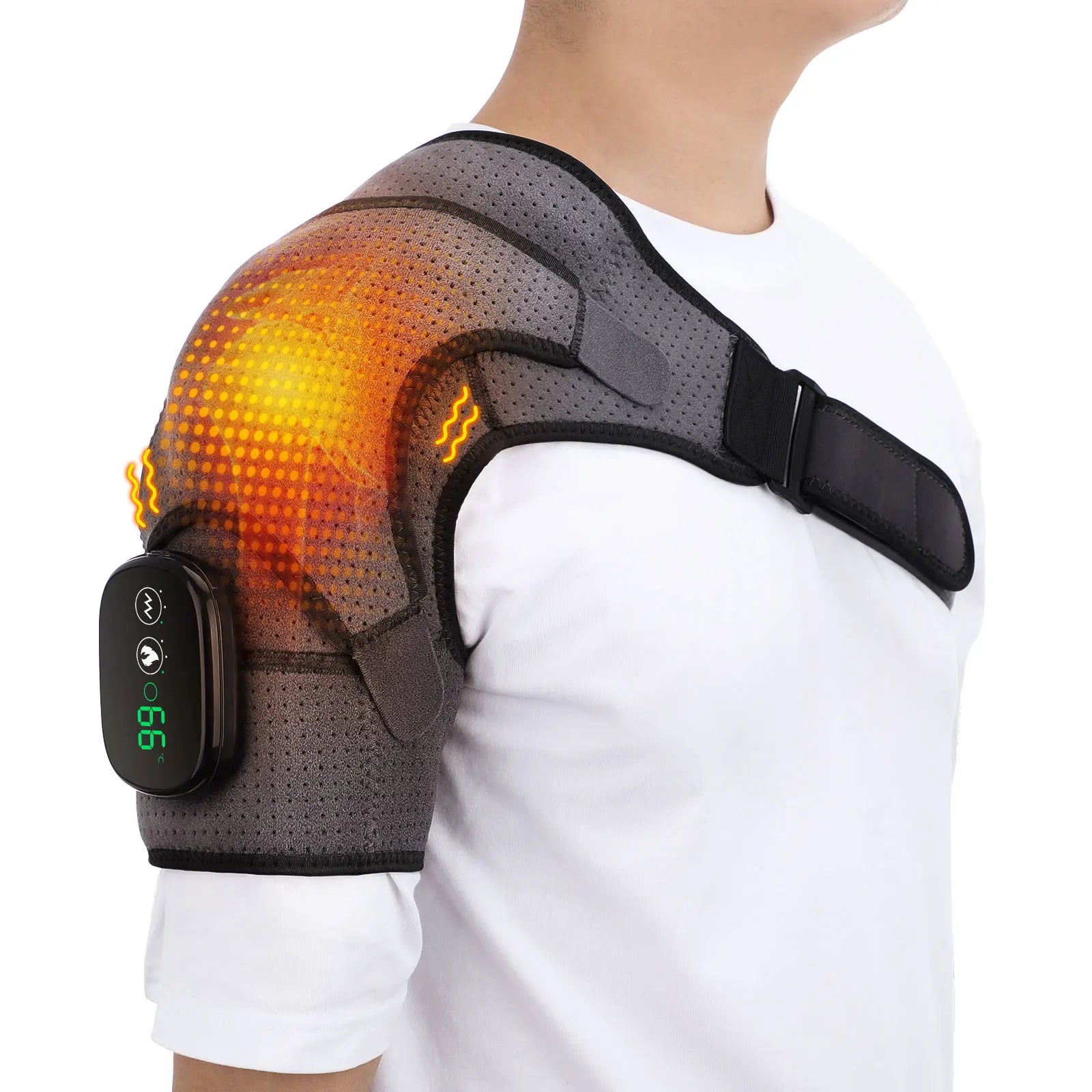
Reduce muscle tightness and shoulder fatigue See it in action
What Works Best Based on Your Type of Stiffness
Different causes of muscle stiffness require different recovery strategies. Choosing the right approach based on the source of tension can improve results and help you build a more effective routine.
Desk-Related Muscle Tightness
Muscle tightness from desk work is often linked to prolonged sitting, reduced movement, and posture habits. Focus on frequent movement breaks, ergonomic adjustments, and shoulder mobility exercises.
For shoulder stiffness relief during workdays, prioritize:
- Regular posture checks
- Short walking or stretching breaks
- Gentle shoulder and upper-back mobility exercises
Post-Workout Stiffness
Exercise-related stiffness usually benefits from active recovery rather than complete inactivity. Light movement, hydration, and gentle stretching can support recovery while maintaining mobility.
Helpful approaches include:
- Easy walking or low-intensity movement
- Gentle stretching after activity
- Adequate hydration and rest
Chronic or Recurring Stiffness
Recurring stiffness often requires a broader approach that addresses daily habits, stress, movement patterns, and recovery quality. A consistent routine is usually more effective than occasional relief methods.
Focus on:
- Daily mobility practice
- Stress management techniques
- Improved sleep and recovery habits
| Type of Stiffness | Best Home Technique | Relief Speed |
|---|---|---|
| Desk-related shoulder tension | Movement breaks + heat + gentle massage | Fast (10–15 min) |
| Post-workout soreness | Light movement + hydration + stretching | Moderate |
| Stress-related tightness | Breathing exercises + relaxation techniques | Fast |
Daily Habits That Prevent Muscle Stiffness Long-Term
Preventing muscle stiffness is often easier than treating it after it builds up. Small daily habits that support circulation, mobility, and recovery can help reduce muscle tightness and improve overall comfort.
- Take movement breaks every 30–60 minutes: Short walks, shoulder rolls, and gentle mobility exercises prevent muscles from staying in one position for too long.
- Maintain regular exercise: Strength training, stretching, and low-impact activities help keep muscles flexible and improve movement quality over time.
- Stay hydrated: Adequate fluid intake supports normal muscle function and may reduce stiffness linked to dehydration.
- Practice natural muscle relaxation techniques: Breathing exercises, gentle stretching, and relaxation routines can help lower stress-related muscle tension.
- Prioritize quality sleep: Rest allows the body to recover from daily activity and supports healthy muscle repair.
Consistency matters more than doing intense routines occasionally. Building these habits into your schedule can help reduce muscle tightness and prevent stiffness from becoming a recurring issue.
When to Seek Medical Attention
Most mild muscle stiffness improves with home care, gentle movement, and recovery techniques. However, persistent or unusual symptoms may require evaluation from a healthcare professional.
- Muscle stiffness that continues for several weeks without improvement
- Severe stiffness accompanied by swelling, redness, or significant discomfort
- Loss of mobility or range of motion that does not improve with gentle movement
- Stiffness that appears after an injury or accident
- Sudden or severe symptoms that affect normal daily activities
If muscle stiffness does not improve with home methods or is accompanied by concerning symptoms, seek professional medical advice to identify the underlying cause and determine the appropriate treatment approach.
Frequently Asked Questions
How often should I do muscle stiffness relief at home?
For most people, short daily routines of 5–15 minutes are more effective than occasional longer sessions. Consistent movement, gentle stretching, and relaxation techniques help maintain mobility, support circulation, and reduce muscle tightness before it builds up.
Can heat alone reduce muscle tightness?
Heat can help relax stiff muscles by increasing circulation and improving tissue flexibility. However, combining heat with gentle movement or massage is usually more effective for muscle stiffness relief at home because it helps release tension while restoring comfortable range of motion.
Is desk-related shoulder stiffness preventable?
Yes. Sitting for long periods can contribute to muscle tightness from desk work, but ergonomic adjustments and regular movement breaks can make a significant difference. Keep your screen positioned comfortably, avoid holding your shoulders tense, and include simple shoulder mobility exercises throughout the day.
Should I stretch a stiff muscle every day?
Gentle daily stretching can help improve flexibility and reduce stiffness, especially when combined with movement and proper recovery. Avoid forcing painful stretches, as aggressive stretching may increase discomfort. Focus on slow, controlled movements within a comfortable range.
Can dehydration make muscles feel stiff?
Yes. Dehydration may contribute to muscle discomfort and reduced performance because muscles rely on adequate fluids and electrolytes to function properly. Drinking enough water and maintaining balanced nutrition can support recovery and help reduce muscle tightness.
How long should muscle stiffness last?
The duration depends on the cause. Mild stiffness from inactivity or desk work may improve within minutes to a few days with movement and home remedies for muscle stiffness. Exercise-related stiffness often improves as muscles recover. If stiffness persists, worsens, or affects normal movement, professional evaluation may be needed.
Related Guide: Techniques to Relax: Step-by-Step Shoulder Relief Guide
Conclusion: Build a Simple Home Routine That Works
Muscle stiffness relief at home does not require complicated equipment or time-consuming routines. The most effective approach combines quick relief methods, daily mobility habits, and consistent recovery practices that fit into your lifestyle.
Start with small changes such as regular movement breaks, gentle stretching, proper hydration, and relaxation techniques. Over time, these habits can help reduce muscle tightness, support long-term mobility, and make everyday activities feel more comfortable.













