

Does Muscle Stimulation Therapy at Home Really Work?
Yes—muscle stimulation therapy at home can be an effective addition to a recovery or rehabilitation routine when it is used correctly and paired with regular movement or exercise. An electrical muscle stimulation device delivers controlled electrical impulses through adhesive electrode pads, causing muscles to contract in a way that mimics natural signals from the nervous system. Depending on the device and treatment mode, it may also help reduce discomfort, improve circulation, and support muscle activation.
What Clinical Evidence Says
Research suggests that EMS (Electrical Muscle Stimulation) can help maintain muscle activity, support rehabilitation after periods of reduced mobility, and improve muscle recruitment during recovery programs. While results vary based on the individual and the condition being treated, consistent use alongside an appropriate exercise or rehabilitation plan often provides better outcomes than passive recovery alone.
Pain Relief vs. Muscle Strengthening
Different forms of electrical stimulation are designed for different goals. EMS primarily focuses on stimulating muscles to encourage contraction, improve recovery, and assist with strength maintenance. TENS (Transcutaneous Electrical Nerve Stimulation), by contrast, targets sensory nerves to help reduce the perception of pain. Many modern home devices combine both technologies, allowing users to switch between recovery and pain-management programs as needed.
Who Benefits Most
Muscle stimulation therapy at home is commonly used by athletes, active adults, office workers experiencing muscle stiffness, and individuals following physical therapy recommendations. While it is not a replacement for professional medical care or exercise, a quality electrical muscle stimulation device can complement a comprehensive recovery plan by helping reduce post-workout soreness, supporting muscle engagement, and improving comfort between training sessions.
Best Muscle Stimulation Device for Home Use (2026 Buyer's Guide)
⏱ 7 min read
Home muscle stimulation has evolved from a clinic-based treatment into a practical recovery tool for everyday users. Whether your goal is easing sore muscles, supporting rehabilitation, improving workout recovery, or managing occasional discomfort, choosing the best muscle stimulation device for home use starts with understanding how these devices work and which features matter most. This guide compares EMS and TENS technologies, explains key buying considerations, and helps you identify the right solution for your recovery goals.
What Is Muscle Stimulation Therapy at Home?
Muscle stimulation therapy at home uses an electrical muscle stimulation device to send gentle electrical impulses through electrode pads placed on the skin. These impulses stimulate motor nerves, causing muscles to contract and relax in a controlled pattern. Depending on the selected program, an EMS machine for home use may support muscle recovery, improve circulation, encourage muscle activation, and complement rehabilitation prescribed by a healthcare professional.
How EMS Works
EMS technology activates muscles by delivering low-frequency electrical pulses that imitate signals normally sent by the brain. As muscles contract repeatedly, blood flow increases to the targeted area, which may help reduce stiffness and improve post-exercise recovery. Adjustable intensity levels allow beginners and experienced users to customize treatments based on comfort and therapeutic goals.
How NMES Differs
Neuromuscular Electrical Stimulation (NMES) is a specialized form of EMS commonly used in rehabilitation settings. While standard EMS is often used for fitness recovery and muscle conditioning, NMES places greater emphasis on restoring muscle function after injury, surgery, or prolonged inactivity. Many modern physical therapy machines for home use include NMES-style programs designed for guided rehabilitation.
Common Treatment Goals
Home muscle stimulation devices are used for a variety of recovery objectives, including:
- Reducing post-workout muscle soreness
- Supporting muscle activation during rehabilitation
- Improving circulation to targeted muscle groups
- Maintaining muscle engagement during reduced activity
- Complementing home physical therapy programs
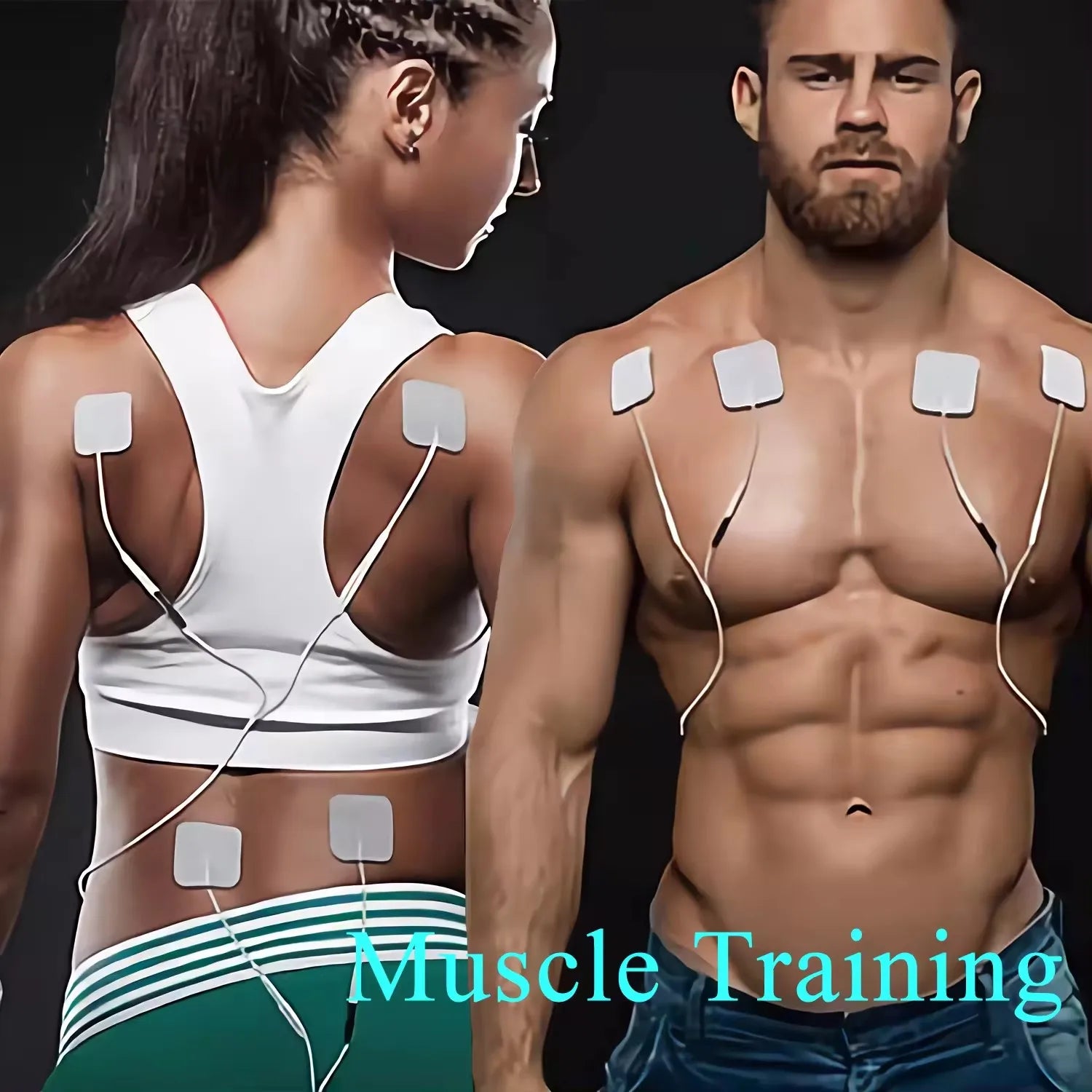
Muscle stimulation therapy at home device overview — understand how electrical muscle stimulation supports recovery and rehabilitation. See it in action.
TENS vs EMS: What’s the Difference and Which Do You Need?
Many shoppers comparing the best muscle stimulation device for home use are unsure whether they need EMS, TENS, or a combination unit. Although both technologies deliver electrical impulses through electrode pads, they target different tissues and produce different therapeutic effects.
EMS (Electrical Muscle Stimulation)
- Stimulates muscles to produce controlled contractions.
- Supports muscle recovery, conditioning, rehabilitation, and circulation.
- Often preferred by athletes, fitness enthusiasts, and people recovering from inactivity or injury.
TENS (Transcutaneous Electrical Nerve Stimulation)
- Targets sensory nerves rather than muscles.
- Helps reduce the perception of pain by modifying pain signals.
- Commonly used for back pain, joint discomfort, neck tension, and other chronic pain conditions.
Which One Should You Choose?
If your primary goal is improving muscle recovery, maintaining strength, or supporting rehabilitation, an EMS machine for home use is generally the better option. If pain relief is your main concern, a TENS device may be more appropriate. For users who want the flexibility to address both muscle recovery and pain management, a dual EMS/TENS device provides the broadest range of treatment options.
Why Home Devices Are Replacing Clinic Visits
Advances in technology have made muscle stimulation therapy at home more accessible than ever. While professional rehabilitation remains important for many medical conditions, a quality physical therapy machine for home use allows users to maintain consistent recovery sessions between clinic appointments or after completing a supervised treatment program.
- Perform recovery sessions without scheduling appointments or traveling.
- Reduce long-term treatment costs compared with frequent in-clinic sessions.
- Adjust session timing and intensity to fit your daily routine and comfort level.
- Support ongoing muscle maintenance, rehabilitation, and post-workout recovery from home.
Home devices are best viewed as a complement to professional care rather than a complete replacement, particularly for new injuries, persistent pain, or complex rehabilitation needs.
For users building a complete recovery routine, collections like Body Care and Health Devices can complement muscle therapy tools.
How We Tested and Ranked These Devices
To identify the best muscle stimulation device for home use, we evaluated each option using practical performance criteria that reflect everyday use instead of relying solely on marketing claims or specification sheets. Our assessment focused on recovery effectiveness, comfort, usability, and overall value for different types of users.
Testing Criteria
- Intensity Levels: Wide adjustment range suitable for beginners through experienced users.
- Modes & Programs: Variety of EMS and TENS programs for muscle recovery, rehabilitation, and pain management.
- Ease of Use: Straightforward controls, intuitive menus, and simple setup.
- Comfort: Electrode adhesion, stimulation quality, and overall treatment comfort.
- Battery Life: Reliable performance across multiple sessions before recharging.
- Build Quality: Durable construction and dependable long-term operation.
Scoring Methodology
Each device was considered across multiple categories, including recovery performance, treatment versatility, portability, ease of maintenance, and value for money. Rather than favoring the highest-priced model, rankings emphasize products that deliver dependable results for their intended users.
Hands-On Evaluation
Our comparison also considers practical ownership factors such as portability, electrode compatibility, charging convenience, display readability, and everyday usability. Devices that balance performance, comfort, and consistent user experience receive higher overall ratings than those offering features with limited real-world benefit.
Side-by-Side Comparison: Best EMS Machines for Home Use
The table below highlights the key differences buyers should compare before choosing an EMS machine for home use. Beyond stimulation strength, factors such as treatment programs, portability, electrode compatibility, and long-term usability can significantly affect the overall experience.
Comparison Table
| Device | Best For | Modes | Portability | Electrode Compatibility | Smart Features | Price Range |
|---|---|---|---|---|---|---|
| Device A | Athletic recovery | EMS | Moderate | Standard replacement pads | Optional app support | Premium |
| Device B | Pain relief & recovery | EMS + TENS | High | Universal snap connectors | None | Mid-range |
| Device C | Budget-conscious users | EMS | High | Standard pads | None | Budget |
| Device D | Travel and daily portability | EMS | Excellent | Compact replacement pads | USB rechargeable | Mid-range |
| Device E | Advanced recovery | EMS + TENS | Moderate | Multiple pad sizes | App-enabled programs | Premium |
When comparing an electrical muscle stimulation device, consider more than the number of treatment modes. Battery life, electrode replacement availability, ease of operation, portability, and software support may have a greater impact on long-term satisfaction than additional preset programs alone.
Best Muscle Stimulation Devices for Home Use (Ranked List)
1. Best Overall EMS Device
An all-around performer that balances adjustable intensity, multiple treatment programs, comfortable stimulation, and intuitive controls. This category is ideal for users who want a single device for workout recovery, muscle conditioning, and routine home therapy.
- Best for: Most users seeking versatility
- Pros: Balanced performance, broad intensity range, user-friendly interface
- Considerations: Premium models typically cost more than entry-level units
2. Best for Muscle Recovery (Athletes)
A high-performance EMS machine for home use designed to promote post-exercise recovery through powerful muscle contractions and multiple recovery-focused programs. These devices are well suited to athletes, strength trainers, and active individuals.
- Best for: Post-workout recovery and muscle conditioning
- Pros: Strong output, customizable programs, supports demanding training schedules
- Considerations: Higher intensity may require gradual adjustment for beginners
3. Best for Pain Relief
Combination EMS and TENS units offer flexibility by supporting muscle activation while also providing nerve stimulation intended to help manage temporary or chronic discomfort.
- Best for: Users who want both recovery and pain-management capabilities
- Pros: Dual treatment modes, versatile applications, multiple preset programs
- Considerations: Learning separate EMS and TENS modes may take time
4. Best for Physical Therapy
These models prioritize precise intensity adjustments and consistent muscle activation, making them suitable for home rehabilitation when recommended by a healthcare professional.
- Best for: Rehabilitation and guided recovery programs
- Pros: Fine intensity control, dependable treatment sessions, easy electrode placement
- Considerations: Should complement—not replace—professional medical advice
5. Best Budget
Affordable electrical muscle stimulation devices provide the essential recovery features most casual users need without unnecessary extras. They are an excellent entry point for those trying EMS for the first time.
- Best for: Beginners and occasional users
- Pros: Cost-effective, simple controls, compact design
- Considerations: Fewer preset programs and advanced customization options
6. Best Portable
Compact and lightweight units are easy to carry in a gym bag or suitcase, making it convenient to continue recovery sessions while traveling or commuting.
- Best for: Frequent travelers and busy professionals
- Pros: Rechargeable, lightweight, travel-friendly
- Considerations: Smaller controls or displays on ultra-compact models
7. Best Smart/App-Connected
Some premium EMS devices include companion apps that allow users to customize programs, monitor treatment history, and receive guided session recommendations.
- Best for: Users who prefer connected health features
- Pros: Program customization, treatment tracking, convenient updates
- Considerations: Smart features vary by manufacturer
8. Best Dual TENS + EMS
Dual-function devices combine muscle stimulation and nerve stimulation in one unit, offering excellent versatility for households with multiple users or changing recovery needs.
- Best for: Users seeking maximum flexibility
- Pros: Supports recovery and pain management in a single device
- Considerations: Additional treatment modes may increase setup complexity
You can explore the electric muscle stimulator to see how a top-rated device fits into everyday recovery.

Using a home physical therapy device for daily recovery—muscle stimulation can help support comfort and muscle activation when used correctly. See it in action.
Real-World Use Cases: Which Device Is Right for You?
For Muscle Recovery After Workouts
If your primary goal is reducing post-exercise soreness and maintaining training consistency, choose an EMS device with multiple recovery programs, adjustable intensity levels, and high-quality electrode pads. Consistent use after strenuous exercise may help support circulation and muscle recovery.
For Chronic Pain Relief
Users managing recurring discomfort often benefit from a combination TENS and EMS device. TENS modes focus on pain management, while EMS programs can help maintain muscle activity during recovery.
For Injury Rehab and Physical Therapy
A physical therapy machine for home use with precise intensity controls and gradual progression settings is generally the best option for rehabilitation. Follow guidance from a healthcare professional whenever recovering from surgery or significant injury.
For Daily Relaxation and Circulation
Lower-intensity programs work well for reducing everyday muscle tightness after prolonged sitting, standing, or repetitive activity. Portable devices make it easier to incorporate short recovery sessions into a regular wellness routine.
Muscle Stimulator Benefits (Backed by Real Usage)
- Supports recovery by encouraging muscle contractions after physical activity.
- May improve local circulation during treatment sessions.
- Helps activate muscles that have become less active because of inactivity or rehabilitation.
- Can reduce feelings of muscle stiffness and everyday tension.
- Provides a convenient recovery option that fits easily into home routines.
The greatest muscle stimulator benefits typically come from consistent use, proper electrode placement, and selecting treatment programs that match your recovery goals. While results vary among individuals, regular sessions combined with exercise or rehabilitation often provide the most noticeable improvements over time.
How to Use a Muscle Stimulator at Home (Step-by-Step)
Learning how to use a muscle stimulator at home correctly helps maximize results while reducing the risk of skin irritation or unnecessary muscle fatigue. Always consult the device manual before your first session and choose a program that matches your recovery or rehabilitation goals.
- Clean and thoroughly dry the treatment area to help electrode pads adhere properly.
- Position the electrodes over the target muscle group according to the manufacturer's placement guide.
- Select the appropriate treatment mode, such as EMS for muscle activation or TENS for pain management if your device includes both functions.
- Begin at the lowest comfortable intensity and gradually increase until you feel a strong but comfortable muscle contraction.
- Keep each treatment session between 15 and 30 minutes per muscle group unless otherwise directed by your healthcare provider or device instructions.
- Allow the treated muscles time to recover before repeating high-intensity sessions, and use the device consistently for the best long-term results.
Electrode Placement
Correct electrode placement has a significant impact on treatment effectiveness. Pads should be positioned over the muscle being targeted rather than directly on joints or bony areas. Avoid placing electrodes over the front of the neck, across the chest, on the head, or on damaged or irritated skin.
Session Duration
Most users benefit from one or two sessions per day depending on the treatment goal and intensity level. Beginners should start with shorter, lower-intensity sessions and gradually increase as they become familiar with how the muscles respond.
Cleaning and Maintenance
Proper maintenance helps extend the life of both the EMS machine for home use and its accessories.
- Replace the protective film on electrode pads after each use.
- Store the device and accessories in a clean, dry location.
- Keep electrode pads free of dirt, lotions, and excessive moisture.
- Replace worn or poorly adhesive pads to maintain consistent stimulation.
- Recharge the battery regularly according to the manufacturer's recommendations.
Common mistakes include placing electrodes incorrectly, selecting an intensity that is too high too quickly, or continuing treatment after the pads lose proper adhesion. Following the manufacturer's instructions helps ensure safe and consistent performance.
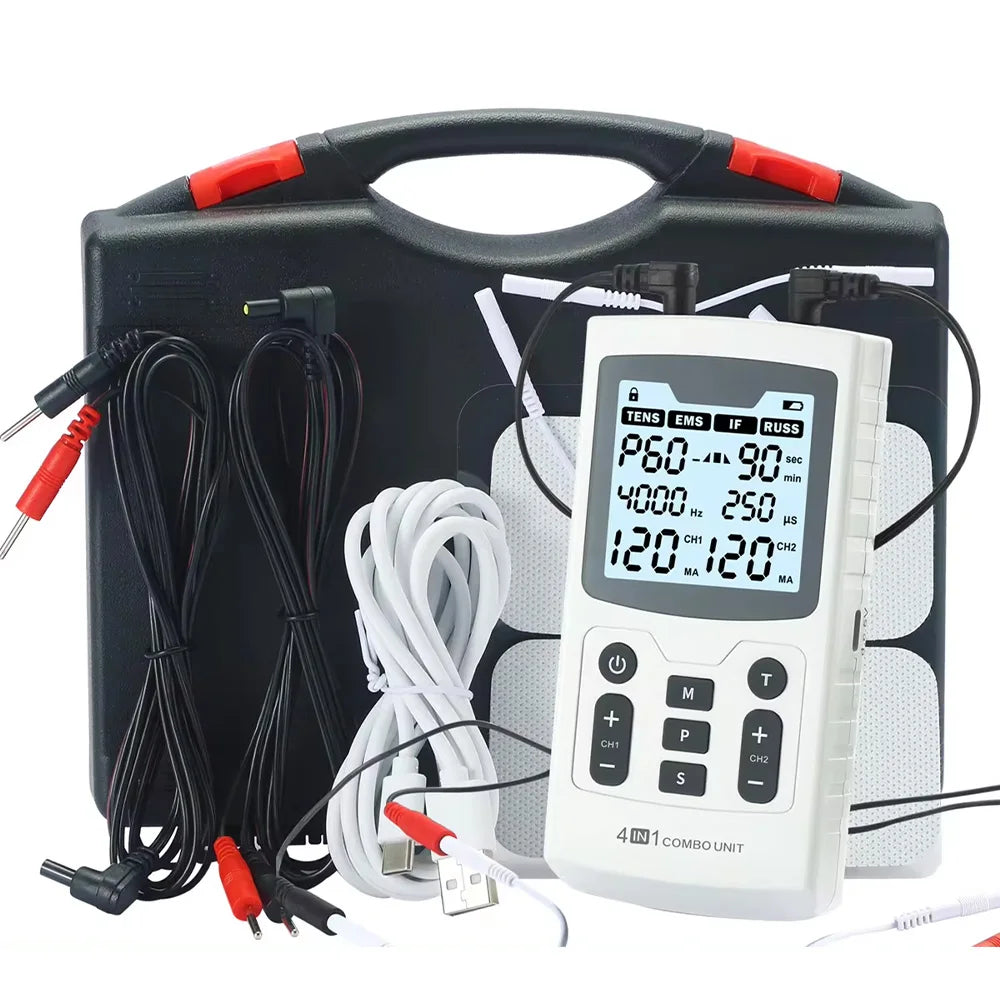
Consistent muscle stimulation therapy at home can support recovery and muscle comfort when used according to the manufacturer's instructions. See it in action.
Is EMS Safe for Daily Use?
For most healthy adults, EMS is safe for daily use when used as directed and at appropriate intensity levels. The frequency of treatment depends on the muscle group being targeted, the recovery goal, and the recommendations provided with the device.
Recommended Frequency
Light recovery programs may be used more frequently than high-intensity muscle conditioning sessions. If muscles remain noticeably sore after treatment, allow additional recovery time before stimulating the same area again.
Potential Side Effects
Most side effects are mild and temporary. Some users may experience:
- Minor skin redness beneath the electrode pads.
- Temporary muscle fatigue after higher-intensity sessions.
- Mild tingling during or immediately after treatment.
If discomfort persists, reduce the intensity, shorten the session, or discontinue use until symptoms resolve.
When to Stop
Stop using the device and seek medical advice if you experience persistent pain, significant skin irritation, dizziness, unusual muscle spasms, or any unexpected reaction during treatment. Never use EMS over areas with suspected fractures, severe injuries, or infections without professional guidance.
Who Should NOT Use EMS Devices?
Although an electrical muscle stimulation device is safe for many people, certain medical conditions require additional precautions or make EMS unsuitable altogether.
Medical Contraindications
- Individuals with pacemakers, implantable cardioverter defibrillators (ICDs), or other implanted electrical medical devices.
- People with certain heart rhythm disorders unless specifically cleared by their physician.
- Individuals with active skin infections, open wounds, or severe skin irritation at the treatment site.
- People with uncontrolled epilepsy or other neurological conditions if advised against electrical stimulation by their healthcare provider.
Pregnancy and Implants
Pregnant individuals should only use EMS if specifically approved by their healthcare provider. Electrical stimulation should also be avoided directly over implanted metal hardware unless a clinician confirms it is appropriate for the specific treatment area and device.
When to Consult a Clinician
Consult a healthcare professional before using EMS if you are recovering from surgery, have reduced sensation, have a chronic medical condition affecting circulation or nerve function, or are uncertain whether electrical stimulation is appropriate for your situation. Professional guidance helps ensure that treatment supports your recovery safely and effectively.
Quick FAQ
Is muscle stimulation therapy at home safe for daily use?
For most healthy adults, muscle stimulation therapy at home is safe when used according to the manufacturer's instructions. Choose an appropriate intensity level, follow recommended session durations, and allow muscles adequate recovery after higher-intensity treatments.
How long before results are noticeable?
Some users experience temporary relief from muscle tightness after their first few sessions, while improvements in recovery, muscle activation, or rehabilitation typically require several weeks of consistent use. Individual results depend on treatment goals, frequency of use, and overall activity level.
Can EMS replace professional therapy?
No. EMS is best used as a complement to professional rehabilitation or exercise rather than a replacement. If you have a serious injury, persistent pain, or are recovering from surgery, follow the guidance of your healthcare provider.
What is the best EMS device for muscle recovery?
The best muscle stimulation device for home use depends on your needs. Athletes often benefit from high-output EMS devices with multiple recovery programs, while casual users may prefer a simple, portable unit. Combination EMS/TENS devices offer additional versatility for users who also want pain-management features.
Are EMS machines worth it for home use?
For many people, yes. A quality EMS machine for home use can support recovery, improve muscle activation, reduce feelings of stiffness, and provide a convenient complement to exercise or rehabilitation when used consistently.
Can EMS build muscle without exercise?
EMS stimulates muscle contractions and may help maintain muscle activation, particularly during rehabilitation or periods of reduced activity. However, it should not be considered a substitute for resistance training when the goal is maximizing muscle growth or strength.
How often should electrode pads be replaced?
Replacement frequency depends on usage, skin preparation, and pad quality. Replace electrode pads once they lose adhesion, provide uneven stimulation, or show visible wear. Proper storage helps extend their lifespan.
Are FDA-cleared EMS devices better?
FDA-cleared devices have been reviewed for specific intended uses and safety requirements. Clearance can provide additional confidence, but buyers should also compare treatment modes, intensity range, build quality, ease of use, and overall suitability for their recovery goals.
Can I use EMS and TENS on the same device?
Yes. Many modern units combine EMS and TENS functions, allowing users to switch between muscle stimulation for recovery and nerve stimulation for pain management using the same device.
What intensity level should beginners start with?
Always begin at the lowest comfortable intensity. Increase the stimulation gradually until you feel a strong but comfortable muscle contraction without pain. Higher settings do not necessarily produce better results.
Can I use an EMS device after surgery?
Only if your surgeon or healthcare provider recommends it. The timing and placement of electrical stimulation after surgery depend on your procedure, healing progress, and rehabilitation plan.
Do EMS devices require an app?
No. Most EMS devices operate independently. Some premium models include smartphone apps that provide treatment tracking, guided programs, and customized settings, but these features are optional rather than essential.
How long does an EMS machine typically last?
A well-maintained EMS device can provide reliable performance for many years. Regular cleaning, proper storage, timely electrode pad replacement, and following charging recommendations all help extend its service life.
Related Guide: Best Electric Muscle Stimulator Device Compared for Home Use
Final Verdict: Which Muscle Stimulation Device Should You Choose?
The best muscle stimulation device for home use ultimately depends on how you plan to use it. Matching the device's capabilities to your primary recovery goal will help you get the greatest long-term value.
- Choose an EMS device if your focus is muscle recovery, conditioning, athletic performance, or rehabilitation.
- Choose a TENS device if your primary objective is temporary pain relief and improved day-to-day comfort.
- Choose a dual EMS/TENS device if you want one unit capable of supporting both recovery and pain management.
- Choose a portable model if you travel frequently or want convenient treatment sessions throughout the day.
- Prioritize adjustable intensity, comfortable electrodes, reliable battery life, and durable construction over unnecessary features.
Whether you're recovering after workouts, supporting a rehabilitation program, or simply looking to relieve everyday muscle tension, selecting the right device and using it consistently will help you get the most from muscle stimulation therapy at home.













