

Does a Neck Gaiter Keep You Warm in Winter?
A thermal neck gaiter keeps you warm by trapping a layer of body heat around the neck while reducing the amount of cold air that reaches your skin. A fleece-lined neck gaiter also helps block wind, making it much more effective than a thin fabric tube designed only for sun protection or dust.
However, warmth depends on the material and the weather. Lightweight polyester gaiters are ideal for cool conditions and high-output activities, while a fleece-lined thermal neck gaiter provides noticeably better insulation during winter commuting, hiking, cycling, and outdoor work. If your entire face and head remain exposed in freezing temperatures, even the warmest neck gaiter has limitations compared with a full balaclava.
⏱ 8 min read
Neck Gaiter vs Balaclava: Which Is Warmer and More Versatile for Winter
Choosing between a neck gaiter and a balaclava comes down to two questions: How cold is it? and What are you doing outdoors? While both help reduce heat loss and protect against biting wind, they differ in coverage, breathability, and comfort. This guide compares their warmth, versatility, and ideal use cases so you can choose the right winter face covering with confidence.
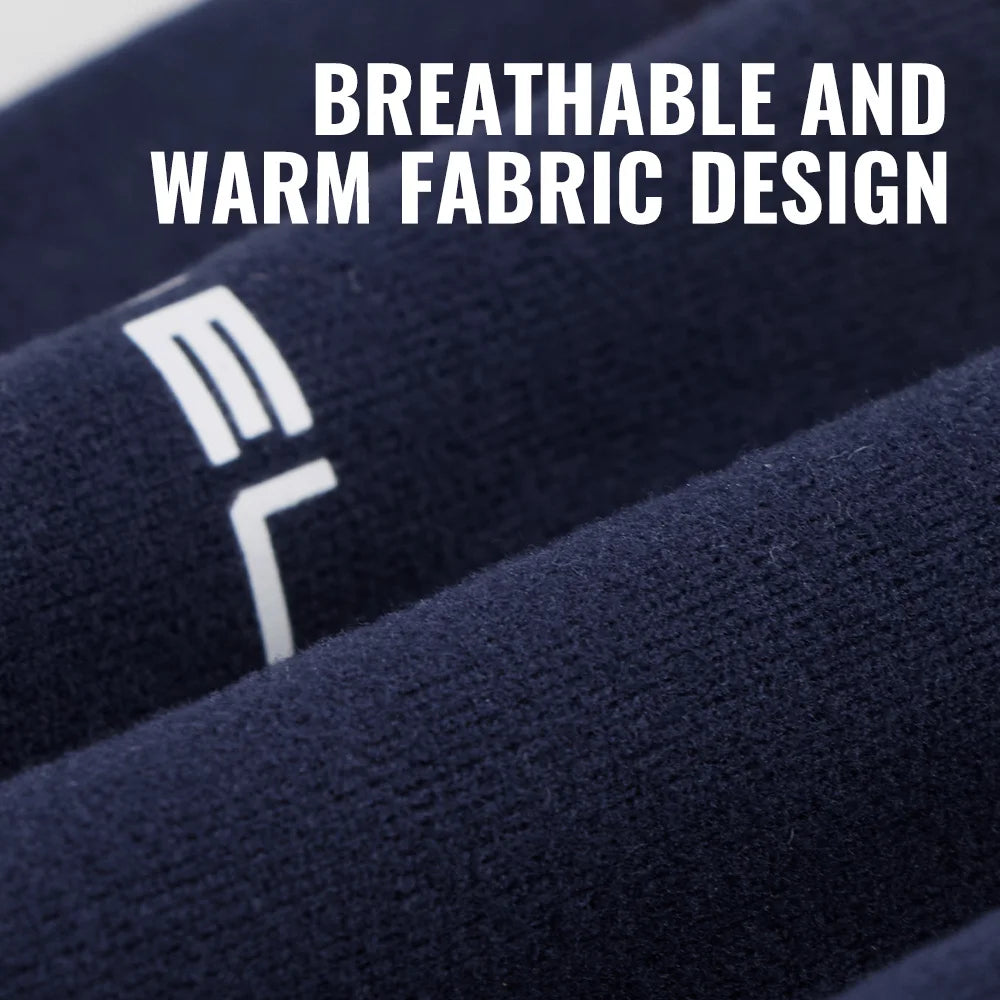
Soft protection that blocks wind without bulk — see how this neck gaiter fleece performs
Neck Gaiter vs Balaclava: Quick Comparison
| Feature | Neck Gaiter | Balaclava |
|---|---|---|
| Warmth | Excellent for mild to cold winter weather | Best for freezing and sub-zero conditions |
| Coverage | Neck plus optional mouth and nose | Head, neck, ears, and most or all of the face |
| Wind Protection | Very good with fleece or wind-resistant fabrics | Excellent due to greater skin coverage |
| Breathability | Higher during active movement | Lower unless made with ventilation panels |
| Helmet Compatibility | Excellent | Good with thin, low-profile models |
| Best For | Commuting, hiking, cycling, daily winter wear | Skiing, snowboarding, mountaineering, extreme cold |
When comparing a balaclava vs neck gaiter , neither is universally better. A neck gaiter offers greater flexibility and comfort for most winter days, while a balaclava provides superior protection when temperatures, wind chill, or exposure become more severe.
Why Your Neck and Face Lose Heat in Cold Weather
Your neck and lower face contain exposed skin and blood vessels that release heat quickly when cold air or wind reaches them. Even a small opening between your jacket collar and chin can allow cold air inside, making you feel chilled much faster.
Wind chill increases heat loss because moving air continually removes the thin layer of warm air surrounding your skin. Moisture from breathing or perspiration can also reduce insulation if fabrics fail to wick it away efficiently. That's why the best face covering for winter combines warmth with breathability instead of simply adding thickness.
Choosing the right coverage depends on conditions. A thermal neck gaiter protects the neck and lower face effectively in most winter weather, while a balaclava is the better option when preventing windburn and protecting exposed cheeks, ears, and scalp becomes a priority.
Neck Gaiter vs Balaclava: Key Differences in Design and Coverage
Full Face Coverage vs Neck and Partial Face Coverage
A balaclava covers the head, ears, neck, and most of the face, leaving only the eyes—or sometimes the eyes and nose—visible. A neck gaiter focuses on protecting the neck and can be pulled over the mouth and nose when needed, giving you greater flexibility throughout the day.
Material and Insulation Differences
Both products come in a variety of materials. Fleece offers excellent insulation and softness. Merino wool naturally regulates temperature and resists odor. Polyester dries quickly and works well during active sports, while wind-resistant laminated fabrics provide additional protection during strong gusts and winter riding.
Fit, Comfort, and Layering Compatibility
A neck gaiter fits comfortably beneath jackets, helmets, hats, and goggles with minimal bulk. Balaclavas create more complete protection but can feel warmer and slightly tighter around the head. Thin performance balaclavas are usually the preferred choice when worn under ski helmets or motorcycle helmets.
When a Balaclava Provides Better Cold Protection
If you're asking which is warmer: a neck gaiter or a balaclava? the answer is usually the balaclava. Because it covers the head, ears, cheeks, neck, and often the chin, it leaves far less skin exposed to cold air. This makes it the better option for prolonged exposure to freezing temperatures, mountain environments, skiing, and strong wind.
When a Neck Gaiter Is Warm Enough
A fleece neck gaiter is warm enough for most winter commutes, outdoor work, hiking, walking, cycling, and everyday activities. It provides excellent insulation around one of the body's biggest heat-loss areas while remaining breathable and easy to adjust as temperatures change.
Comfort and Breathability: Which Is Better for Long Wear?
Comfort depends largely on activity level. Neck gaiters allow warm air and moisture to escape more easily, helping reduce overheating during hiking, cycling, or walking. They can also be lowered quickly when conditions improve.
Balaclavas retain more heat because they cover more skin. This makes them excellent for stationary outdoor work or very cold environments, although some people may find them too warm during strenuous exercise unless ventilation panels or moisture-wicking fabrics are included.
- Neck gaiter: Lightweight, breathable, highly adjustable, and comfortable for all-day wear.
- Balaclava: Maximum warmth and coverage with slightly reduced airflow.
Best Choice by Activity: Skiing, Cycling, Hiking, and Daily Wear
Skiing and Snowboarding
A balaclava generally performs better because it protects the face, ears, and neck against high-speed wind, snow, and freezing temperatures. A neck gaiter remains suitable for recreational skiing in milder conditions.
Motorcycling and Cycling
Neck gaiters fit comfortably beneath helmets and allow easier temperature regulation during long rides. Thin balaclavas are also popular but should fit closely to avoid pressure points.
Winter Running and Hiking
Breathable thermal neck gaiters are usually the better choice because they balance insulation with airflow, reducing moisture buildup during physical activity.
Commuting and Everyday Cold Weather
For walking the dog, commuting, outdoor errands, or working outside, a fleece neck gaiter offers an excellent balance of warmth, convenience, and versatility. You can quickly pull it over the face during gusty weather and lower it indoors without removing your hat or jacket.
Neck Gaiter vs Ski Mask and Other Winter Face Coverings
| Feature | Neck Gaiter Fleece | Traditional Scarf | Thin Fabric Mask | Balaclava |
|---|---|---|---|---|
| Wind Protection | Excellent | Moderate | Low | Excellent |
| Head Coverage | No | No | No | Yes |
| Stays Secure | Yes | No | Partial | Yes |
| Comfort During Long Wear | High | Medium | Low | Medium |
| Best Use | Everyday winter wear | Casual warmth | Light protection | Extreme cold weather |
Many people use the terms ski mask and balaclava interchangeably. While modern ski masks are often balaclavas, some are designed specifically for snow sports with ventilation panels or compatibility with goggles and helmets.
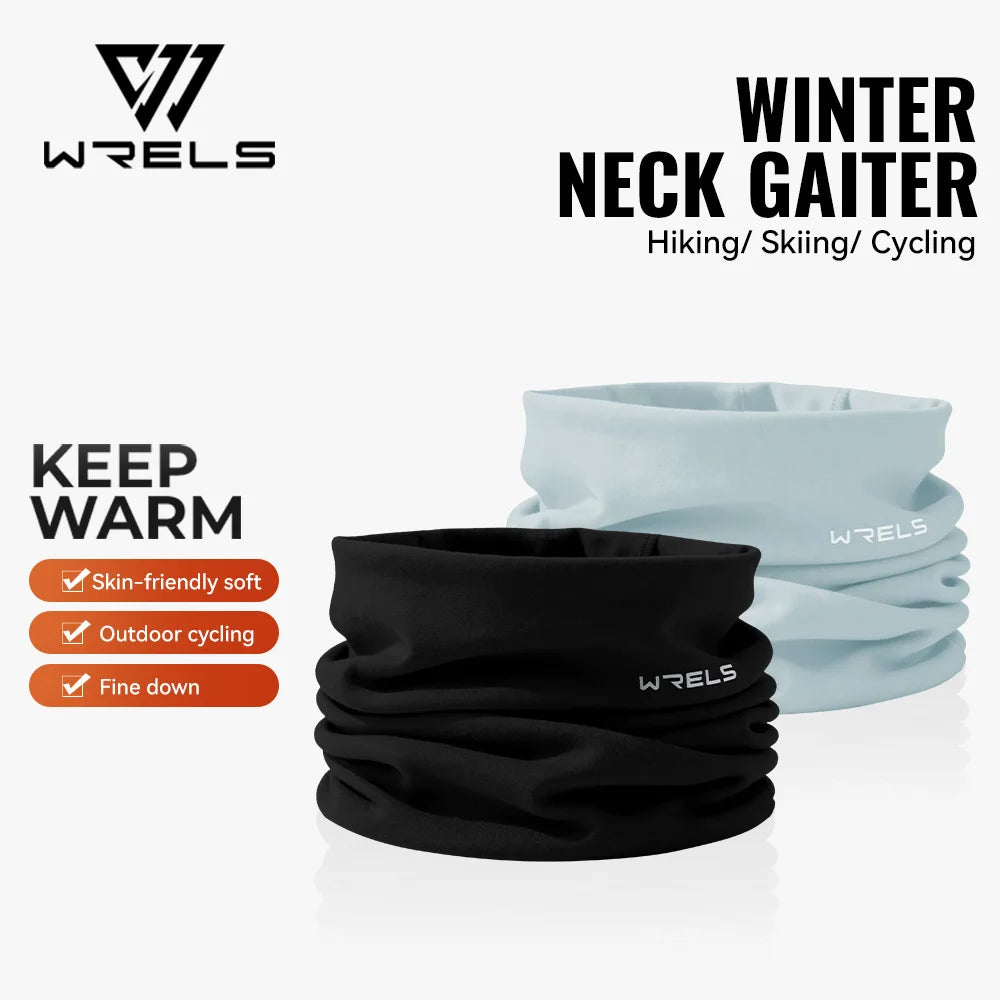
Designed for daily wear, outdoor routines, and cold commutes
How to Wear a Neck Gaiter or Balaclava Effectively
Layering With Jackets and Winter Gear
- Pull the gaiter or balaclava into position before zipping your jacket.
- Seal the gap between the collar and your chin to reduce cold drafts.
- Adjust coverage depending on wind and activity level.
- Avoid bunching fabric around the neck to maintain comfort.
Wearing Under Helmets and Goggles
Choose thin, stretchable fabrics when wearing either option under helmets. Position goggles over the top edge of the face covering to minimize exposed skin and reduce cold air entering around the cheeks and nose.
Care, Materials, and Long-Term Value
Following the care instructions helps thermal fabrics maintain their insulation and stretch. Most fleece and synthetic gaiters can be machine washed on a gentle cycle and air dried or tumble dried on low heat.
Merino wool naturally resists odors but requires gentler washing. Synthetic polyester dries faster and withstands repeated use well, while quality fleece maintains softness and warmth through many winter seasons when properly cared for.
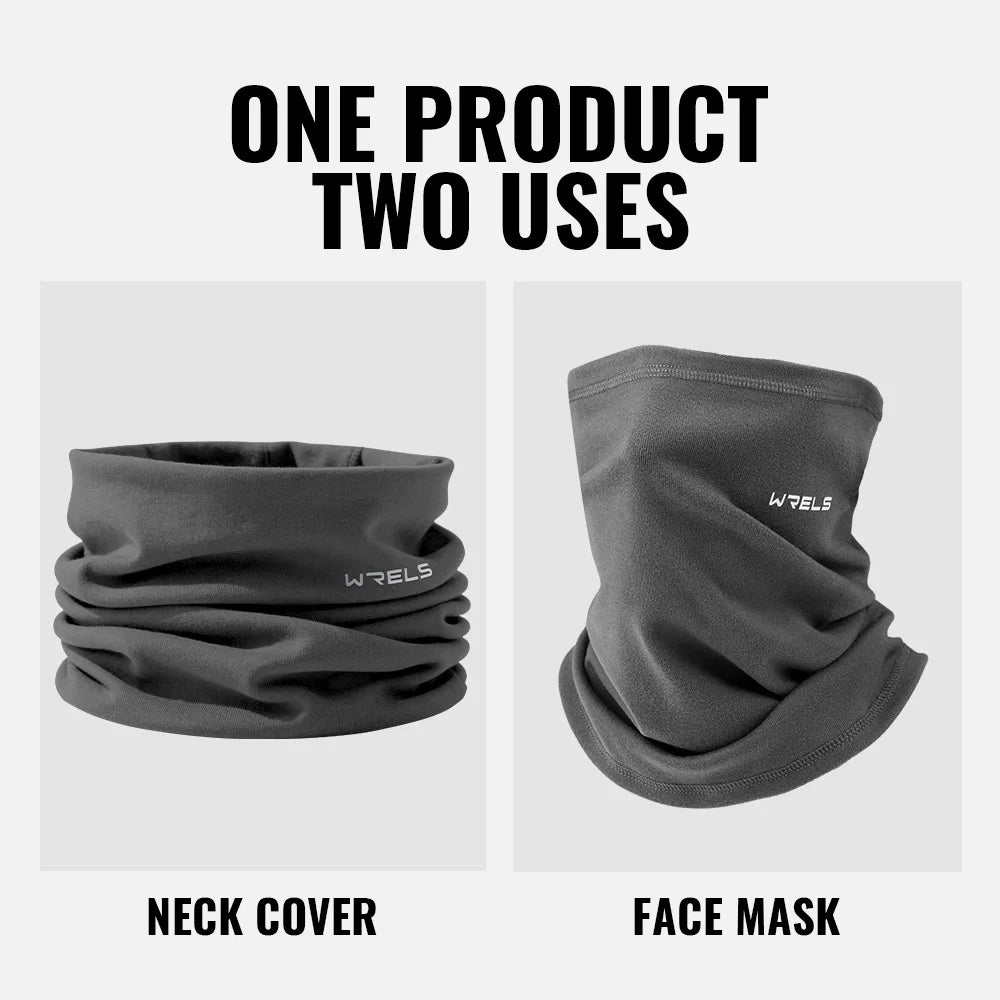
A winter essential that keeps performing — feel the difference
Quick Verdict: Which Should You Choose?
Choose a Balaclava If...
- You regularly face freezing temperatures or strong wind.
- You need full head and face coverage.
- You ski, snowboard, or spend long periods outdoors.
Choose a Neck Gaiter If...
- You want comfortable everyday winter protection.
- You need easy layering under jackets or helmets.
- You prefer adjustable coverage and better breathability during active movement.
For most people, a quality fleece neck gaiter offers the best combination of warmth, versatility, and comfort. If you frequently encounter extreme winter conditions, adding a balaclava to your cold-weather gear provides extra protection when full-face insulation is necessary.
Frequently Asked Questions
Which is warmer: a neck gaiter or a balaclava?
A balaclava is generally warmer because it covers the head, ears, neck, and much of the face, leaving less skin exposed to cold air and wind.
Does a neck gaiter keep your face warm in winter?
Yes. A thermal neck gaiter can be pulled over your mouth and nose to reduce wind exposure. While it keeps the lower face warm, it does not protect the forehead or ears like a balaclava.
Is a balaclava better for extreme cold weather?
Yes. A balaclava provides more complete insulation and is usually the better choice for sub-zero temperatures, skiing, mountaineering, and prolonged exposure to harsh wind.
Can you wear a neck gaiter under a helmet?
Yes. Most neck gaiters fit comfortably beneath bicycle, motorcycle, and ski helmets because they add very little bulk around the neck.
What is the difference between a neck warmer and a neck gaiter?
A neck warmer is a broad term for any garment designed to insulate the neck. A neck gaiter is a tube-shaped neck warmer that can also be pulled over the mouth and nose for additional wind protection.
Related Guide: Best Fleece Neck Gaiter Winter: Top Picks Compared













