Do Cervical Traction Devices Really Work?
Yes—cervical traction devices can work for the right type of neck pain. They gently stretch the cervical spine to reduce pressure on spinal discs and nerve roots, improve mobility, and relieve muscle tension. Research suggests cervical traction is most beneficial for some people with cervical radiculopathy, posture-related neck pain, and mechanical neck pain when combined with exercise or physical therapy. While it is not a cure for every neck condition, cervical traction at home may provide longer-lasting relief than massage alone because it targets spinal compression rather than only relaxing tight muscles.
What the Clinical Evidence Says
Clinical studies indicate that cervical traction may help reduce pain and improve function in carefully selected patients, particularly those experiencing nerve-related symptoms. Results are generally strongest when traction is used alongside rehabilitation exercises instead of as a standalone treatment. Benefits often develop gradually over days or weeks rather than after a single session.
Who Is Most Likely to Benefit
- People with posture-related neck discomfort
- Individuals experiencing cervical radiculopathy or pinched nerves
- Those with recurring mechanical neck pain and stiffness
- Desk workers who develop compression from prolonged sitting
What Cervical Traction Cannot Do
Cervical traction cannot reverse arthritis, permanently repair damaged discs, or replace medical treatment for serious spinal disorders. It is designed to reduce pressure, improve movement, and ease symptoms—not permanently correct every underlying condition. If neck pain follows trauma, is accompanied by weakness or numbness that worsens, or is associated with fever or loss of coordination, seek medical evaluation before attempting home traction.
Cervical Traction Device vs Massager: Which Works Better for Neck Pain?
Neck pain often develops gradually from long hours at a desk, poor posture, repetitive movement, or accumulated stress. If you're deciding between a cervical traction device and a neck massager, the biggest difference isn't how relaxing each feels—it is whether the device is designed to reduce spinal compression or simply ease muscle tightness. Understanding how each option works makes it easier to choose the right tool for your symptoms.
⏱ 6 min read
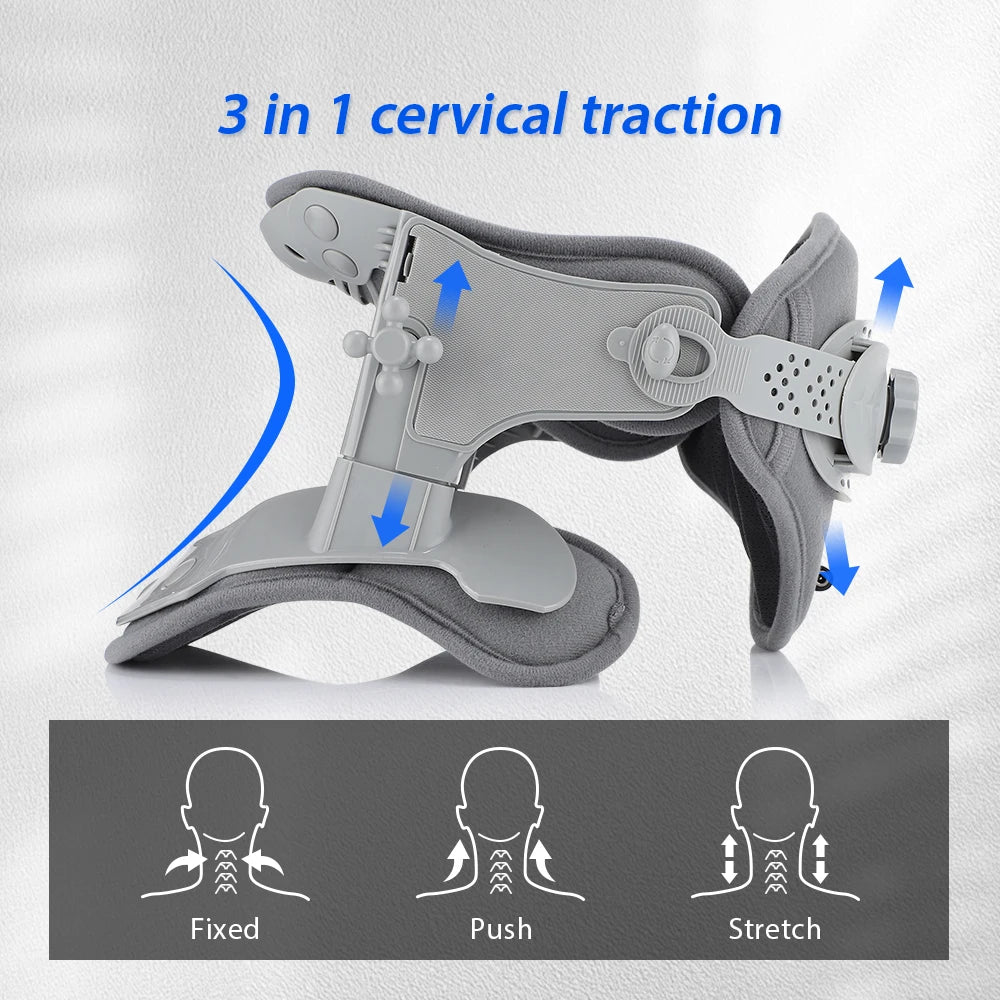
Cervical traction devices for home use support alignment and pressure relief — See it in action
Quick Comparison: Cervical Traction Device vs Neck Massager
Key Differences at a Glance
- Cervical traction device: Gently separates the cervical vertebrae to reduce pressure on spinal discs and nerve roots while supporting better alignment.
- Neck massager: Uses kneading, vibration, percussion, or heat to relax tight muscles and temporarily improve circulation.
- Primary purpose: Traction addresses spinal compression; massage targets muscle tension and stress.
- Best use cases: Traction is often preferred for persistent, posture-related pain or nerve irritation, while massagers are ideal for occasional stiffness and muscular soreness.
- Relief profile: Massage usually feels effective within minutes, whereas cervical traction often provides more gradual but potentially longer-lasting symptom improvement.
Traction vs Massage for Different Types of Neck Pain
Choosing between a cervical traction device vs massager depends largely on what is causing your discomfort. If pain comes from tight muscles after work, travel, or exercise, a neck massager may be all you need for quick relief. If symptoms are associated with prolonged poor posture, nerve irritation, or spinal compression, traction may provide greater long-term benefit because it aims to reduce mechanical stress on the cervical spine rather than simply relaxing surrounding muscles.
How Each Device Works (Mechanism Explained)
How Cervical Traction Decompresses the Spine
A cervical traction device gently stretches the neck to create a small amount of space between the vertebrae. This temporary decompression can reduce pressure on spinal discs, facet joints, and nearby nerve roots while allowing tight muscles to relax. The goal is to improve mobility, decrease nerve irritation, and support recovery in people with mechanical neck pain or certain forms of cervical radiculopathy.
Because traction targets the underlying mechanics of the cervical spine instead of only masking symptoms, many users notice better mobility and longer-lasting comfort with consistent, appropriately guided use.
How Neck Massagers Stimulate Muscles and Blood Flow
Neck massagers work by applying vibration, kneading rollers, percussion, or heat to soft tissues surrounding the neck and shoulders. These actions help relax overworked muscles, improve local circulation, and temporarily reduce the sensation of stiffness and tension.
While massage can be highly effective for stress-related muscle tightness, it does not decompress the cervical spine or correct structural compression. For people whose pain originates primarily from muscles, however, it remains an excellent option for fast, convenient symptom relief.
Best Devices for Improving Neck Mobility (Category Breakdown)
The best neck mobility devices work in different ways depending on the source of stiffness, tension, or reduced movement. Some focus on relaxing tight muscles, while others support posture correction or gentle cervical decompression. Choosing the right category depends on whether your main goal is muscle relaxation, improved flexibility, better alignment, or mobility support.
- Cervical traction devices – Designed for gentle neck stretching, decompression support, and improving movement in people with stiffness or restricted mobility.
- Heat therapy wraps – Help relax tense muscles, increase comfort, and prepare the neck area for stretching or mobility exercises.
- Massage and vibration tools – Target muscle tightness, trigger points, and neck and shoulder tension caused by daily activities.
- Posture correction devices – Support healthier alignment habits and help reduce strain associated with forward head posture.
Cervical Traction Devices for Deep Neck Decompression
Who they are best for
Cervical traction devices are best suited for individuals experiencing ongoing neck stiffness, reduced range of motion, or discomfort related to posture habits. They are commonly used by people who spend extended periods sitting at a desk, driving, or looking downward at screens.
Unlike surface-level massage tools that mainly target muscles, traction devices focus on gentle stretching of cervical structures. This makes them a potential option for people looking for deeper mobility support rather than temporary relaxation alone.
Pros and limitations
One advantage of cervical traction is that it targets the mechanical factors behind restricted movement by creating a controlled stretching effect. When used correctly, it may help reduce feelings of tightness and support more comfortable neck movement.
However, traction devices require proper positioning, gradual adjustment, and consistent use. They may not be suitable for everyone, especially individuals with recent injuries, certain spinal conditions, or unexplained neck symptoms without professional guidance.
Neck mobility improves through traction by gently stretching cervical structures, reducing pressure sensations, and encouraging better movement patterns over time. This approach focuses on supporting mobility and function rather than only masking discomfort.
Gentle cervical decompression for improved mobility
Heat-Based Neck Devices for Muscle Relaxation
When heat works best
Heat-based neck devices are most effective for muscle-related stiffness, stress-related tightness, and discomfort caused by prolonged sitting. Warmth helps relax tense tissues, improves circulation, and can make stretching or mobility exercises feel more comfortable.
For people who experience neck and shoulder tension after work, exercise, or poor sleeping positions, heated wraps and heated neck massagers can provide convenient at-home support.
Limitations for mobility improvement
While heat therapy can improve comfort and reduce muscle tightness, it does not directly correct posture habits, joint restrictions, or underlying movement problems. It works best as part of a broader routine that includes mobility exercises and ergonomic improvements.
Massage and Vibration Devices for Neck and Shoulder Tension
Trigger point relief
Massage and vibration devices are designed to target areas of muscular tightness, including common tension points around the neck, shoulders, and upper back. By applying kneading, pressure, or vibration, these tools may help relax overworked muscles, improve comfort, and support easier movement after periods of stress or inactivity.
For people experiencing neck muscle tension caused by desk work, exercise, or repetitive postures, a neck and shoulder tension relief device can provide convenient at-home support. However, these tools mainly affect soft tissue and may not address underlying posture issues or joint-related mobility restrictions.
Best use cases
Massage and vibration devices are most effective for temporary stiffness, muscle fatigue, and everyday tension rather than chronic mobility limitations or structural concerns. They are often useful after long workdays, before stretching routines, or as part of a regular relaxation routine.
Users looking for deeper mobility improvements may benefit from combining massage therapy with posture correction exercises, strengthening movements, or other neck mobility devices designed for specific needs.
Posture Correctors and Mobility Trainers
How posture affects neck mobility
Poor posture can gradually change how the neck and upper back muscles work during daily activities. Forward head posture, rounded shoulders, and prolonged screen use may increase muscular compensation, creating stiffness and reducing comfortable cervical movement.
Posture correction devices help increase awareness of alignment habits and encourage users to maintain healthier positioning. While they do not replace exercise or ergonomic improvements, they can support long-term strategies for reducing repeated strain.
Best scenarios for use
Posture correctors are most effective for desk workers, students, and individuals developing early signs of forward head posture. They may be especially helpful when combined with workplace adjustments, regular movement breaks, and exercises that strengthen supporting muscles.
For people seeking long-term mobility improvement, posture trainers work best as part of a complete approach rather than as a standalone solution.
Comparison: Which Device Works Best for Your Condition?
| Condition | Best Device Type | Effectiveness |
|---|---|---|
| Short-term stiffness | Heat or massage devices | Fast comfort and muscle relaxation |
| Chronic muscle tension | Massage + traction combination | Moderate to high support when used consistently |
| Posture-related issues | Posture correctors and mobility trainers | Better long-term alignment awareness |
| Restricted neck movement | Cervical traction devices | Supports mobility through controlled stretching |
Best Devices by Use Case
Best for stiffness
For everyday neck stiffness caused by long sitting, stress, or muscle fatigue, massage and vibration tools are often the most practical options. They can help relax tight muscles, improve comfort, and support short-term mobility after periods of reduced movement.
Heat-based neck devices can also be useful when stiffness is related to muscle tightness, especially before stretching or mobility exercises.
Best for posture correction
Posture trainers are most effective for people whose neck discomfort is linked to forward head posture, prolonged computer use, or poor daily alignment habits. These devices help increase awareness of positioning and encourage healthier movement patterns over time.
For better long-term results, posture correction tools should be combined with ergonomic adjustments and exercises that strengthen the muscles supporting the neck and upper back.
Best for rehabilitation support
Cervical traction devices may be suitable for individuals seeking controlled decompression and mobility support. By providing gentle stretching, they can help users address stiffness and restricted movement when used correctly.
People recovering from injuries or managing specific medical conditions should seek professional guidance before beginning traction-based routines.
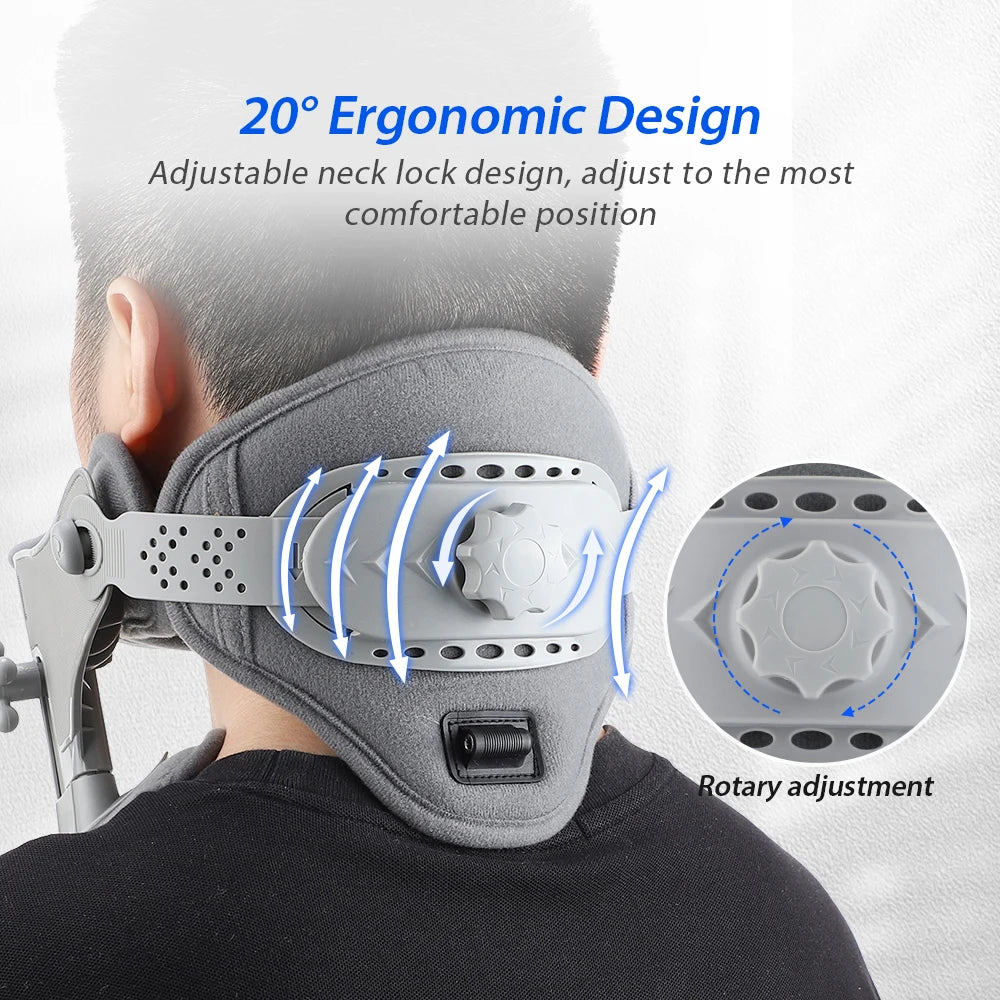
At-home neck mobility support
How to Use Neck Mobility Devices Safely
Recommended session length
- Use the device on a stable surface while maintaining a relaxed position.
- Begin with shorter sessions of around 5–10 minutes to understand how your body responds.
- Follow the manufacturer's instructions for intensity, positioning, and frequency.
- Maintain steady breathing and avoid sudden movements during use.
Who should avoid certain devices
Individuals with recent neck injuries, severe symptoms, diagnosed spinal conditions, or unexplained discomfort should consult a healthcare professional before using traction, electrical stimulation, or intensive massage devices.
When to stop and seek medical care
Stop using a neck mobility device if symptoms worsen, discomfort becomes unusual, or you experience signs that require medical evaluation. A device should support comfort and mobility, not replace professional care when serious concerns are present.
Complementary Neck Mobility Exercises
Chin tucks and cervical retraction
Chin tucks help strengthen the deep neck flexor muscles that support cervical alignment. This exercise encourages a more neutral head position and may reduce strain caused by forward head posture during daily activities.
When combined with neck mobility devices, chin tucks can support better movement patterns by addressing both muscle tension and posture habits.
Upper trapezius stretch
The upper trapezius muscles often become tight from stress, desk work, and prolonged shoulder elevation. Gentle stretching can help reduce tension around the neck and shoulders while improving side-to-side mobility.
Perform stretches slowly and avoid forcing movement beyond a comfortable range.
Thoracic mobility drills
Limited upper back mobility can increase the workload placed on the neck. Thoracic mobility exercises improve movement through the upper spine, helping reduce compensatory strain on cervical muscles.
Range-of-motion exercises
Controlled neck rotations, side bends, and gentle movement exercises can help maintain flexibility and improve comfort during everyday activities. These movements work best when performed consistently and within a pain-free range.
Frequently Asked Questions
Do neck pain relief devices really work?
Neck pain relief devices can help reduce discomfort caused by muscle tension, stiffness, and posture-related strain. Results vary depending on the cause of neck pain, and devices are usually most effective when combined with mobility exercises and healthy posture habits.
Do neck massagers work for neck pain?
Neck massagers may help relieve muscle tightness and temporary soreness by relaxing tense areas around the neck and shoulders. They are generally more effective for muscle-related discomfort than problems involving joint restrictions or nerve-related symptoms.
What device helps neck stiffness the fastest?
Heat therapy and massage devices often provide the fastest comfort for muscle-related stiffness because they focus on relaxation and circulation. For mobility restrictions, cervical traction may provide more targeted support when used correctly.
What is the best neck massager for stiffness?
The best neck massager for stiffness depends on your needs. Models with adjustable intensity, comfortable positioning, and optional heat features may be useful for people dealing with daily muscle tension.
Which device is best for muscle tension?
Massage devices and heated neck massagers are commonly preferred for muscle tension because they target tight soft tissues and support relaxation. Choosing a device with adjustable settings can help match the intensity to your comfort level.
Can neck massagers relieve nerve pain?
Neck massagers may improve comfort but are not designed to treat all causes of nerve-related pain. If symptoms involve persistent discomfort, weakness, or unusual sensations, professional evaluation is recommended.
Is heat or TENS better for neck pain?
Heat therapy is often preferred for muscle tightness and stiffness, while TENS devices are commonly used for pain management support. The better option depends on whether your main concern is muscle tension, discomfort, or another underlying issue.
Can I use a neck massager every day?
Many people can use a neck massager daily when following the device instructions and using comfortable intensity settings. Short, consistent sessions are generally more practical than occasional long sessions.
Are cervical traction devices safe to use at home?
Cervical traction devices can be used at home when instructions are followed carefully. People with existing medical conditions, recent injuries, or concerns about cervical health should consult a healthcare professional before use.
When should I see a healthcare professional for neck pain?
Seek professional advice if neck discomfort is severe, persistent, worsening, or accompanied by symptoms that affect normal function. A healthcare professional can help identify the cause and recommend appropriate treatment options.
For holistic self-care inspiration, explore curated wellness solutions within the Beauty & Self-Care Blog collection.
Related Guide: Neck Brace for Daily Use Review Is It Worth It