

Hand Rehabilitation Device: Best Options, Benefits & How They Work
A hand rehabilitation device helps restore finger movement, grip strength, coordination, and functional independence after stroke, nerve injury, surgery, arthritis, or other neurological conditions. Whether you need a robotic hand rehabilitation glove for assisted movement or simple hand therapy equipment for strengthening exercises, choosing the right solution can make home rehabilitation more effective and consistent.
In this guide, you'll compare the best hand rehabilitation devices in 2026, learn how each technology works, understand which conditions benefit most from different therapy systems, and discover how to select a device that matches your stage of recovery.
Best Hand Rehabilitation Devices in 2026 (Compared by Recovery Needs)
Quick Comparison Table
| Device Type | Best For | Therapy Style | Main Advantages | Limitations |
|---|---|---|---|---|
| Robotic hand rehabilitation glove | Stroke recovery and severe hand weakness | Passive & active-assisted | High repetition, adjustable assistance, supports neuroplasticity | Higher cost than manual tools |
| Pneumatic compression device | Limited finger movement and circulation support | Passive | Gentle assisted motion with minimal effort | Less effective for strength training |
| Hand exercise tools (therapy balls, grip trainers) | Mild weakness and maintenance exercises | Active | Affordable, portable, easy to use | Requires voluntary movement |
| Electrical stimulation (EMS) devices | Muscle activation during early rehabilitation | Neuromuscular stimulation | Helps reduce muscle atrophy and improve activation | Usually combined with exercise rather than used alone |
Best Robotic Hand Rehabilitation Glove
A robotic hand rehabilitation glove is often the preferred hand rehab device for individuals recovering from stroke or neurological injury. Using motorized or pneumatic assistance, it repeatedly guides the fingers through natural opening and closing movements, helping stimulate neuroplasticity while reducing fatigue during long therapy sessions.
Best Hand Rehab Machine for Stroke Patients
People with moderate to severe weakness generally benefit from a stroke hand therapy device that provides assisted finger extension and flexion. These systems allow patients to complete hundreds of controlled repetitions that would otherwise be difficult to perform independently, making them valuable additions to occupational or physical therapy programs.
Best Hand Therapy Equipment for Arthritis
For arthritis, joint stiffness, or age-related mobility loss, lightweight occupational therapy hand devices—including therapy putty, resistance bands, and soft grip trainers—help improve flexibility, dexterity, and everyday hand function while placing minimal stress on painful joints.
Best Budget Hand Rehabilitation Device
Manual hand therapy tools remain excellent choices for individuals with mild weakness or those maintaining progress after formal rehabilitation. Although they require active participation, they offer an affordable way to improve grip strength, coordination, and endurance through regular practice.
Who Should Buy Which Device?
- Severe weakness or paralysis: Robotic hand rehabilitation glove.
- Early neurological recovery: Pneumatic or robotic assisted therapy systems.
- Mild weakness or arthritis: Manual hand therapy tools.
- Muscle re-education: Electrical stimulation combined with guided exercises.
Do Hand Rehabilitation Devices Really Work?
Yes. Clinical rehabilitation research consistently shows that structured, repetitive practice is one of the most important drivers of hand recovery after neurological injury. A hand rehabilitation device increases the number of quality repetitions patients can perform while encouraging proper movement patterns.
What Clinical Research Shows
Robotic assistance, passive motion systems, and therapist-guided exercise programs have demonstrated improvements in hand mobility, grip strength, dexterity, and functional use when incorporated into comprehensive rehabilitation plans. The greatest benefits are typically seen when devices supplement—not replace—professional therapy.
What Results to Expect
Recovery varies depending on the underlying condition, severity of impairment, consistency of training, and overall health. Many users first notice smoother finger movement and reduced stiffness before improvements in strength and fine motor control become apparent.
Factors That Influence Recovery
- How soon rehabilitation begins after injury
- Daily therapy consistency
- Intensity and quality of repetitions
- Combination with occupational or physical therapy
- Individual neurological recovery potential
How Hand Rehabilitation Devices Work
Modern hand rehabilitation systems use different technologies to restore movement, improve coordination, and gradually rebuild functional hand use. Each approach serves a different stage of recovery, and many rehabilitation programs combine several methods for the best results.
Robotic Assistance
Robotic hand rehabilitation gloves use compact motors or pneumatic mechanisms to guide each finger through controlled movement patterns. The device assists opening and closing motions while encouraging the brain to rebuild communication with weakened muscles through repetitive practice. Many systems also allow therapists or users to adjust assistance levels as recovery progresses.
Pneumatic Therapy
Pneumatic therapy devices use carefully regulated air pressure to move the fingers through comfortable ranges of motion. Because the movement is smooth and gentle, these systems are particularly useful for individuals who cannot yet move their fingers independently or who require passive stretching to reduce stiffness.
Electrical Stimulation
Electrical stimulation (EMS) devices deliver low-level electrical impulses that activate weakened muscles. When combined with active exercises, EMS may help improve muscle recruitment, reduce disuse atrophy, and reinforce correct movement patterns during early rehabilitation.
Sensor-Based Feedback Systems
Some advanced neurological hand rehabilitation devices include sensors that monitor finger movement, range of motion, training time, or exercise performance. This real-time feedback helps users track progress, adjust therapy intensity, and maintain motivation throughout long-term rehabilitation.
Neurological Hand Rehabilitation Device Benefits
Recovering hand function after stroke, nerve injury, or age-related weakness often requires thousands of purposeful repetitions. A neurological hand rehabilitation device helps deliver structured, consistent therapy that supports improved finger mobility, stronger grip, better coordination, and greater independence during everyday activities.
⏱ 7 min read
Struggling to button a shirt, hold a cup, write, or use your phone? The right hand rehabilitation system can make home therapy more accessible while complementing professional rehabilitation programs.
Discover how smarter hand therapy devices support recovery at home.
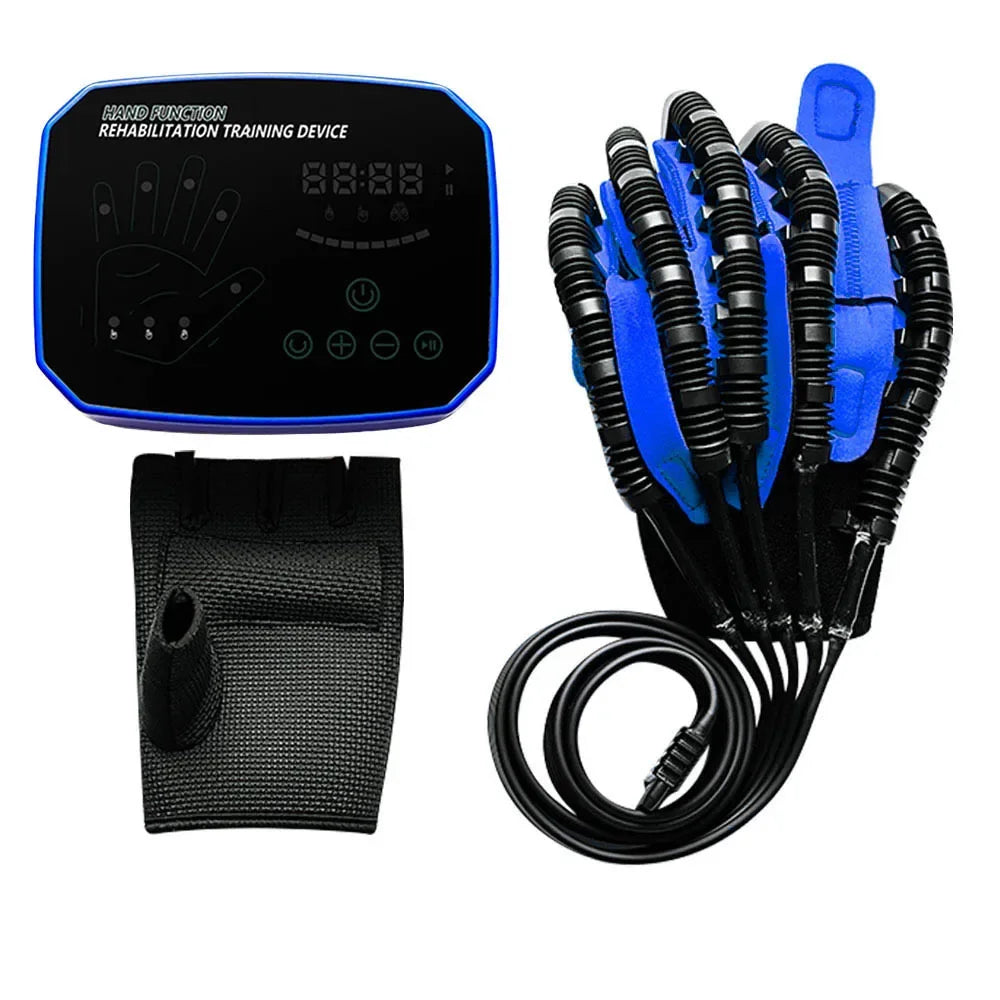
Advanced neurological hand rehabilitation device designed to support home physiotherapy and repetitive hand therapy exercises.
Benefits of Robotic Hand Therapy
The benefits of robotic hand therapy extend beyond simple exercise assistance. By delivering consistent, repeatable movement with adjustable levels of support, a robotic hand rehabilitation glove helps users perform far more quality repetitions than manual exercises alone. This makes it a valuable tool for home rehabilitation when used alongside occupational or physical therapy.
Improve Range of Motion
Regular assisted finger extension and flexion help reduce joint stiffness while maintaining mobility in the hand and wrist. Improved range of motion makes everyday activities such as dressing, writing, or preparing meals easier as recovery progresses.
Increase Grip Strength
As muscle control improves, many rehabilitation programs gradually introduce active gripping exercises. Progressive training strengthens the muscles responsible for holding objects, carrying groceries, opening containers, and performing other daily tasks that require coordinated hand function.
Support Neuroplasticity After Stroke
One of the greatest benefits of robotic hand therapy is its ability to encourage neuroplasticity—the brain's capacity to reorganize neural pathways after injury. High-repetition practice reinforces communication between the brain and hand muscles, helping improve voluntary movement over time.
Reduce Home Therapy Fatigue
Individuals recovering from stroke or nerve injury often tire quickly during rehabilitation. Assisted movement reduces physical strain while maintaining consistent exercise quality, allowing longer therapy sessions without excessive fatigue.
Track Progress Over Time
Many modern rehabilitation systems provide adjustable therapy levels or built-in activity tracking, making it easier to monitor improvements in mobility, endurance, and hand function. Measuring progress also helps users stay motivated throughout long-term rehabilitation.
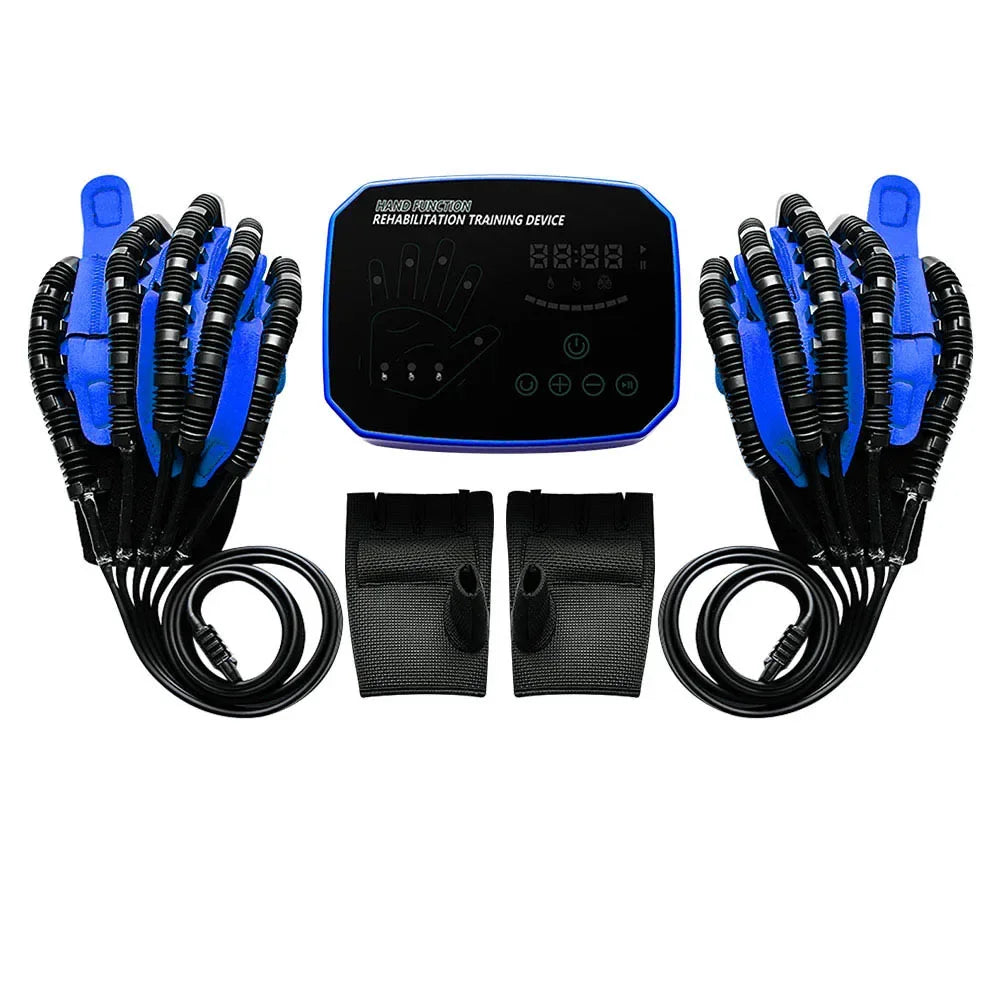
Robotic hand rehabilitation gloves provide guided, repetitive movement to support functional recovery at home.
Hand Rehabilitation Device vs Traditional Therapy
Home rehabilitation devices and traditional therapy serve different but complementary roles. While therapists provide individualized assessment, treatment planning, and hands-on guidance, a hand rehabilitation device enables patients to continue structured practice between appointments.
Home Therapy vs Clinic
| Feature | Hand Rehabilitation Device | Traditional Therapy |
|---|---|---|
| Exercise frequency | Daily home sessions | Scheduled appointments |
| Guided repetitions | High-volume, consistent practice | Limited by appointment duration |
| Professional assessment | Not included | Comprehensive evaluation and treatment adjustments |
| Convenience | Available anytime at home | Requires travel and appointments |
When to Combine Both
The strongest rehabilitation programs combine home exercise with professional care. Occupational or physical therapists can evaluate progress, adjust exercise intensity, and address movement quality, while home devices increase the total amount of therapeutic practice performed each week.
Cost and Convenience
Although advanced rehabilitation equipment represents an upfront investment, it may reduce long-term rehabilitation costs by supporting consistent home exercise between clinic visits. For many individuals recovering over several months, the convenience of daily access becomes one of the device's greatest advantages.
Which Hand Conditions Benefit Most From Hand Therapy Tools?
Stroke Recovery
A hand rehab machine for stroke patients is designed to support repetitive movement training during neurological rehabilitation. Robotic gloves and assisted hand rehabilitation devices help improve finger mobility, coordination, and functional hand use while complementing occupational and physical therapy.
Arthritis
Individuals with arthritis often benefit from gentle hand therapy tools that improve joint flexibility, reduce stiffness, and maintain grip strength. Low-impact exercises performed consistently may help preserve daily function without placing excessive stress on painful joints.
Nerve Injury
People recovering from peripheral nerve injuries may use nerve injury hand therapy devices to encourage controlled movement as muscle function gradually returns. Rehabilitation programs should always follow guidance from a healthcare professional to match the stage of nerve recovery.
Tendon Repair & Post-Surgical Recovery
Following tendon repair or hand surgery, carefully supervised rehabilitation helps restore range of motion while protecting healing tissues. Passive or assisted devices may be recommended during early recovery before progressing to active strengthening exercises.
Carpal Tunnel & Hand Weakness
For individuals experiencing reduced grip strength or hand weakness, therapeutic exercise devices may improve endurance and dexterity when incorporated into a structured rehabilitation plan. However, underlying conditions such as carpal tunnel syndrome should first be evaluated by a healthcare provider to determine appropriate treatment.
Explore options in Body Care and Health Devices for long-term rehabilitation support.
How to Choose the Right Hand Rehab Device
The best hand rehabilitation device depends on your diagnosis, stage of recovery, therapy goals, and level of hand function. Rather than selecting the most advanced device available, focus on choosing equipment that matches your current rehabilitation needs and can progress with your recovery.
Recovery Stage
Early-stage rehabilitation often requires passive or assisted movement for individuals with limited voluntary control. As strength and coordination improve, active resistance tools and grip trainers become increasingly beneficial for rebuilding functional hand use.
- Passive devices: Move the fingers for you and are ideal for severe weakness, paralysis, or early neurological recovery.
- Active devices: Require the user to perform the movement independently, making them better suited for strengthening and coordination training.
- Hybrid systems: Offer adjustable assistance that can gradually decrease as hand function improves.
Comfort & Adjustability
Choose hand rehabilitation equipment with adjustable finger positioning, comfortable straps, and multiple assistance levels. Proper fit improves exercise quality and encourages consistent daily use.
Safety Features
Look for devices that include controlled movement speeds, emergency stop functions, ergonomic support, and adjustable intensity settings. These features help reduce unnecessary strain while supporting safe home rehabilitation.
Insurance & Prescription Considerations
Some advanced rehabilitation systems may require evaluation by a therapist or physician before purchase, particularly if insurance reimbursement is available. Coverage varies by provider, diagnosis, and region, so verify eligibility before investing in higher-end equipment.
How to Use a Hand Rehabilitation Device Safely at Home
Getting Started
- Begin with short sessions of 10 to 15 minutes.
- Ensure the hand is comfortably positioned before starting therapy.
- Select the lowest effective assistance level when using powered devices.
Daily Therapy Schedule
Consistency is more important than long individual sessions. Most rehabilitation programs recommend daily practice with gradual increases in duration and intensity as comfort and function improve.
Common Mistakes
- Using excessive resistance too early.
- Ignoring pain or swelling during exercise.
- Skipping therapy sessions for extended periods.
- Progressing intensity without professional guidance.
Cleaning & Maintenance
Clean contact surfaces according to the manufacturer's instructions, inspect straps and moving parts regularly, and store the device in a clean, dry location. Proper maintenance helps ensure reliable performance throughout long-term rehabilitation.
You can explore the full product details here: /products/rehabilitation-robot-glove-hand-recovery
Safety, Risks and Contraindications
Most hand rehabilitation devices are safe for home use when they are used according to the manufacturer's instructions and as part of an appropriate rehabilitation program. Adjustable assistance levels, controlled movement patterns, and ergonomic designs help reduce unnecessary strain while encouraging consistent therapy.
Who Should Consult a Therapist First
Seek guidance from a physician, occupational therapist, or physical therapist before starting a new hand rehabilitation program if you:
- Recently had hand, wrist, or tendon surgery.
- Experienced a recent stroke or significant neurological injury.
- Have severe joint instability, fractures, or uncontrolled pain.
- Have significant swelling or reduced sensation in the affected hand.
When to Stop Using a Device
Discontinue therapy and contact your healthcare provider if you experience sharp pain, increasing swelling, numbness, skin irritation, unusual muscle spasms, or a noticeable loss of function during or after exercise.
Signs of Overtraining
Mild muscle fatigue after rehabilitation exercises is normal, but persistent soreness, worsening stiffness, prolonged fatigue, or declining hand performance may indicate that your training intensity should be reduced. Gradual progression typically produces better long-term results than aggressive exercise sessions.
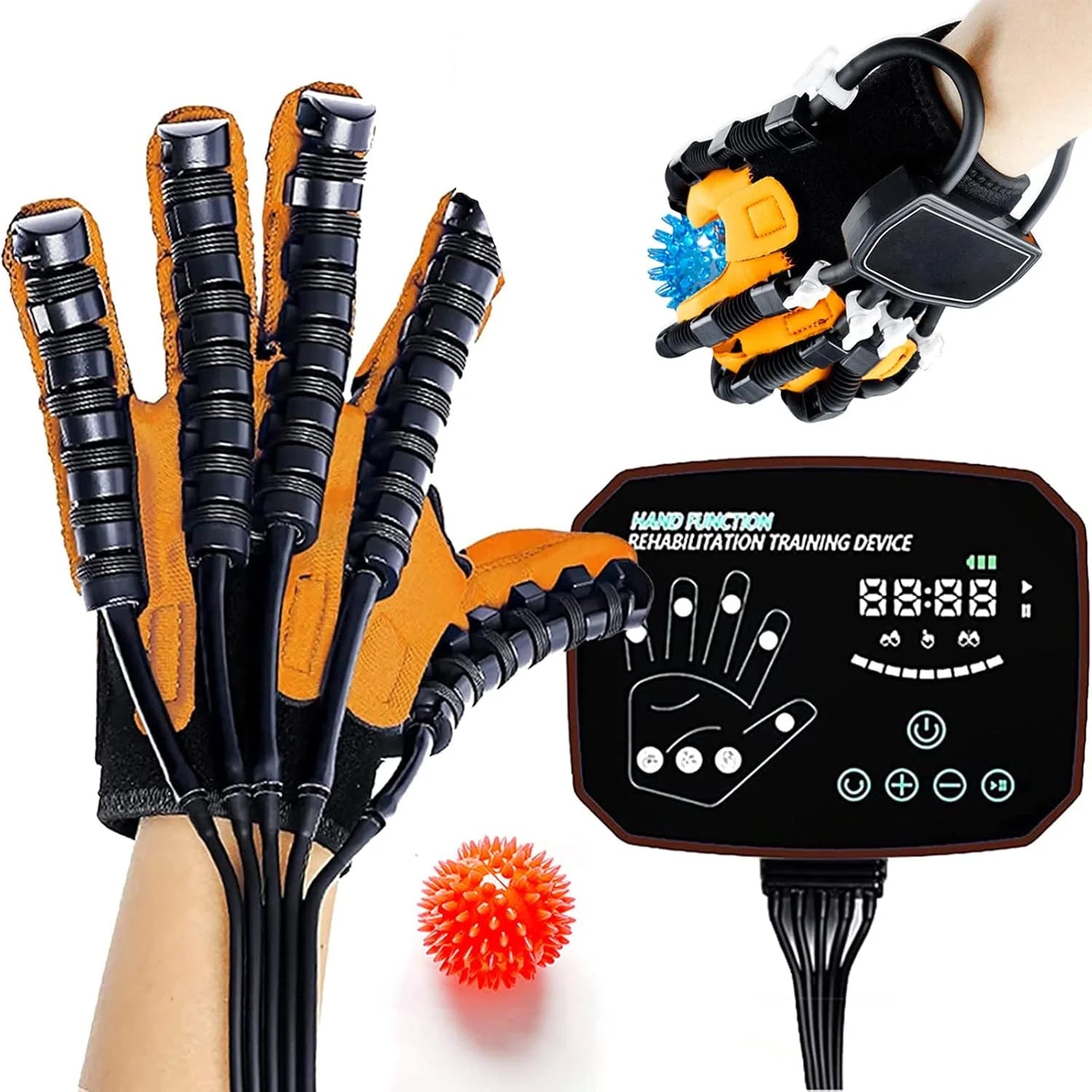
Robotic stroke rehabilitation gloves support repetitive hand exercises while promoting safe home recovery.
Frequently Asked Questions
What is the best hand rehabilitation device for stroke recovery?
For moderate to severe hand weakness after stroke, a robotic hand rehabilitation glove is often the most effective option because it delivers assisted, repetitive movement that supports neuroplasticity. The ideal device depends on your recovery stage and your therapist's recommendations.
How do robotic hand rehabilitation gloves work?
These devices use motors or pneumatic assistance to guide the fingers through controlled opening and closing movements. Repetitive practice helps retrain movement patterns while improving flexibility, coordination, and functional hand use.
Can hand rehabilitation devices help nerve injuries?
Yes. They can support recovery from certain nerve injuries by promoting safe, repetitive movement and reducing stiffness. They should be used as part of a rehabilitation program developed by a qualified healthcare professional.
Which hand conditions benefit most from hand therapy tools?
Common conditions include stroke, peripheral nerve injuries, arthritis, tendon repairs, post-surgical rehabilitation, and generalized hand weakness. The most appropriate device depends on the specific diagnosis and level of impairment.
How long does it take to see results?
Some people notice improved flexibility or smoother movement within several weeks of consistent practice. Meaningful improvements in strength, coordination, and everyday function often require several months of regular rehabilitation.
Can robotic gloves replace occupational therapy?
No. Robotic rehabilitation devices are designed to complement—not replace—occupational or physical therapy. Combining supervised rehabilitation with regular home exercise typically provides the best long-term outcomes.
Can I use a hand rehab device after surgery?
Yes, but only after receiving clearance from your surgeon or therapist. Beginning rehabilitation too early or using excessive force may interfere with proper healing.
Do I need a prescription?
Many home rehabilitation products can be purchased without a prescription, although some advanced rehabilitation systems or insurance reimbursement programs may require evaluation by a healthcare provider.
How often should I use a hand rehabilitation device?
Daily practice is commonly recommended, with session length and intensity adjusted according to your condition and rehabilitation plan. Consistency generally has a greater impact on recovery than occasional longer sessions.
Are hand rehabilitation devices covered by insurance?
Insurance coverage varies depending on your country, healthcare provider, diagnosis, and the type of rehabilitation equipment prescribed. Contact your insurance company or rehabilitation clinic to determine eligibility.
What's the difference between active and passive hand therapy devices?
Active devices require you to generate the movement yourself and are best for strengthening exercises. Passive devices move the fingers with mechanical assistance, making them suitable for individuals with limited voluntary movement or early-stage neurological recovery.
Related Guide: Rehabilitation Robot Glove Device Features Explained













