

Does a night bunion corrector brace really work?
A night bunion corrector brace can help relieve pain, reduce stiffness, and gently improve toe alignment over time—but it does not permanently fix a bunion. When worn consistently, it supports better positioning of the big toe and helps many users wake up with less discomfort.
Night Bunion Corrector Brace Review: Do They Actually Work Overnight?
⏱ 5 min read · Waking up with throbbing bunion pain can ruin your morning before it even starts. If pads, spacers, or daytime supports haven’t helped, a night brace for bunions may seem like the next step. But do bunion correctors work overnight—and which ones are actually worth using? This expert guide breaks down the evidence, comfort, and real-world performance.
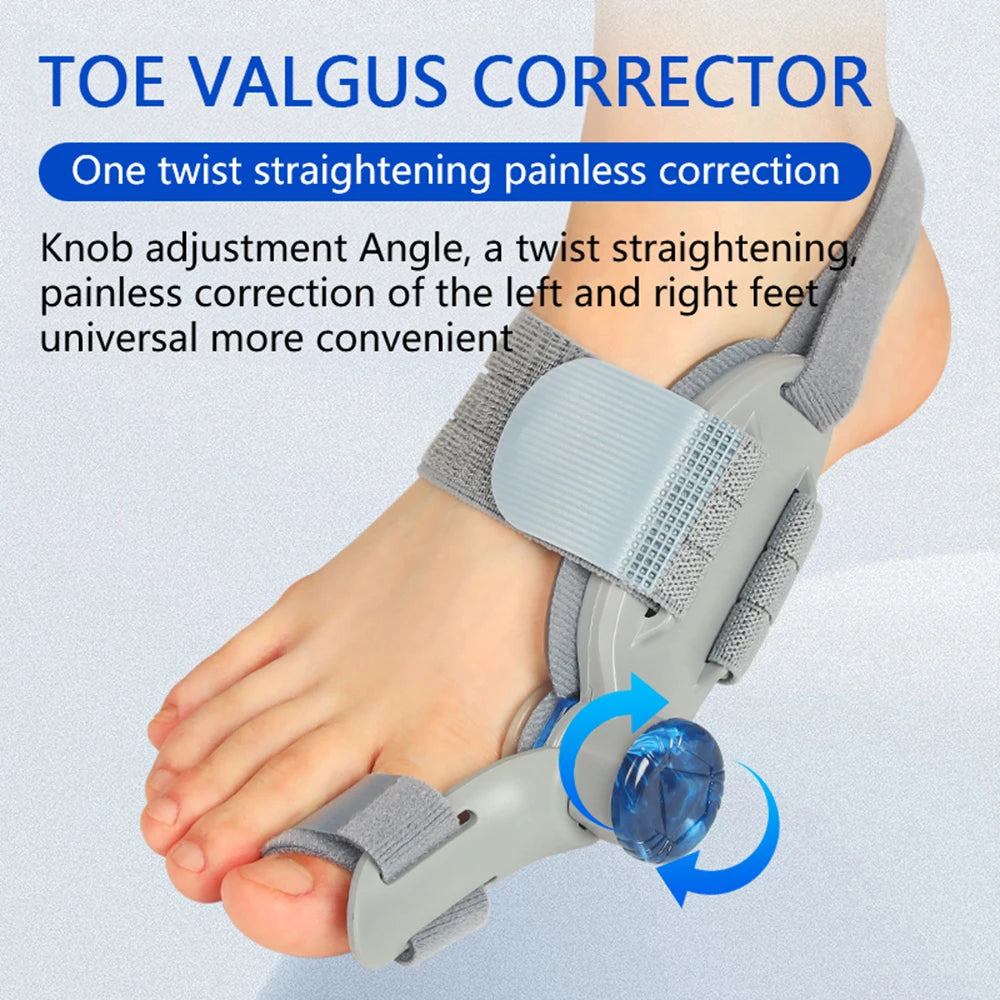
Night bunion corrector brace designed for overnight alignment
Quick Comparison Table: Best Night Braces for Bunions (2026)
| Product | Best For | Type | Comfort | Adjustability | Verdict |
|---|---|---|---|---|---|
| KentDO Night Bunion Corrector | All-around use | Semi-rigid splint | ⭐⭐⭐⭐ | High | Best overall balance |
| Adjustable Rigid Splint | Severe bunions | Hard splint | ⭐⭐⭐ | Very high | Strong correction support |
| Gel Toe Spacer Sleeve | Beginners | Soft sleeve | ⭐⭐⭐⭐⭐ | Low | Maximum comfort |
Do Night Braces for Bunions Really Work?
What clinical evidence says
Most studies show that a night bunion corrector brace helps reduce pain and improve joint mobility, but it does not reverse bone deformity. It works by repositioning soft tissue rather than reshaping bone.
Who benefits most
- Mild to moderate bunions (early-stage hallux valgus)
- People with morning stiffness or joint pain
- Users committed to consistent nightly wear
Realistic overnight expectations
Do bunion correctors work overnight? No. You won’t see structural change after one night—but you may feel reduced tension or soreness. Results build gradually over weeks.
How a Hallux Valgus Night Splint Works
How the brace aligns the toe
A hallux valgus night splint applies gentle, sustained pressure to guide the big toe into a straighter position. This reduces joint stress and redistributes pressure.
Pain relief vs structural correction
Night braces improve alignment temporarily and relieve discomfort—but they cannot permanently correct the underlying bone angle.
Why bunions progress
Bunions worsen due to genetics, footwear, and joint mechanics. A night brace slows progression but should be combined with proper shoes and foot care.
Hands-On Testing: Sleeping Comfort and Fit
Comfort through the night
First-night discomfort is common. Most users adapt within 3–5 nights, especially with adjustable designs.
Ease of adjustment
Braces with flexible straps allow gradual correction, making them more wearable overnight.
Common sleep issues
- Rigid splints may feel bulky for side sleepers
- Loose straps reduce effectiveness
- Overtightening causes discomfort
Key insight: the best night bunion corrector brace is the one you can wear consistently without disrupting sleep.
Types of Night Braces for Bunions
Soft sleeves vs rigid splints
Soft sleeves prioritize comfort and mild separation, while rigid splints deliver stronger alignment support.
Mild vs moderate vs severe bunions
- Mild: soft spacer or sleeve
- Moderate: semi-rigid adjustable brace
- Severe: structured splint (professional advice recommended)
Sizing and materials
Breathable fabrics and adjustable straps improve comfort and reduce skin irritation during overnight use.
Best Night Braces for Bunions Reviewed
Best Overall: KentDO Night Bunion Corrector
This semi-rigid design balances comfort and correction, making it ideal for consistent nightly use.
Available here: KentDO Bunion Corrector
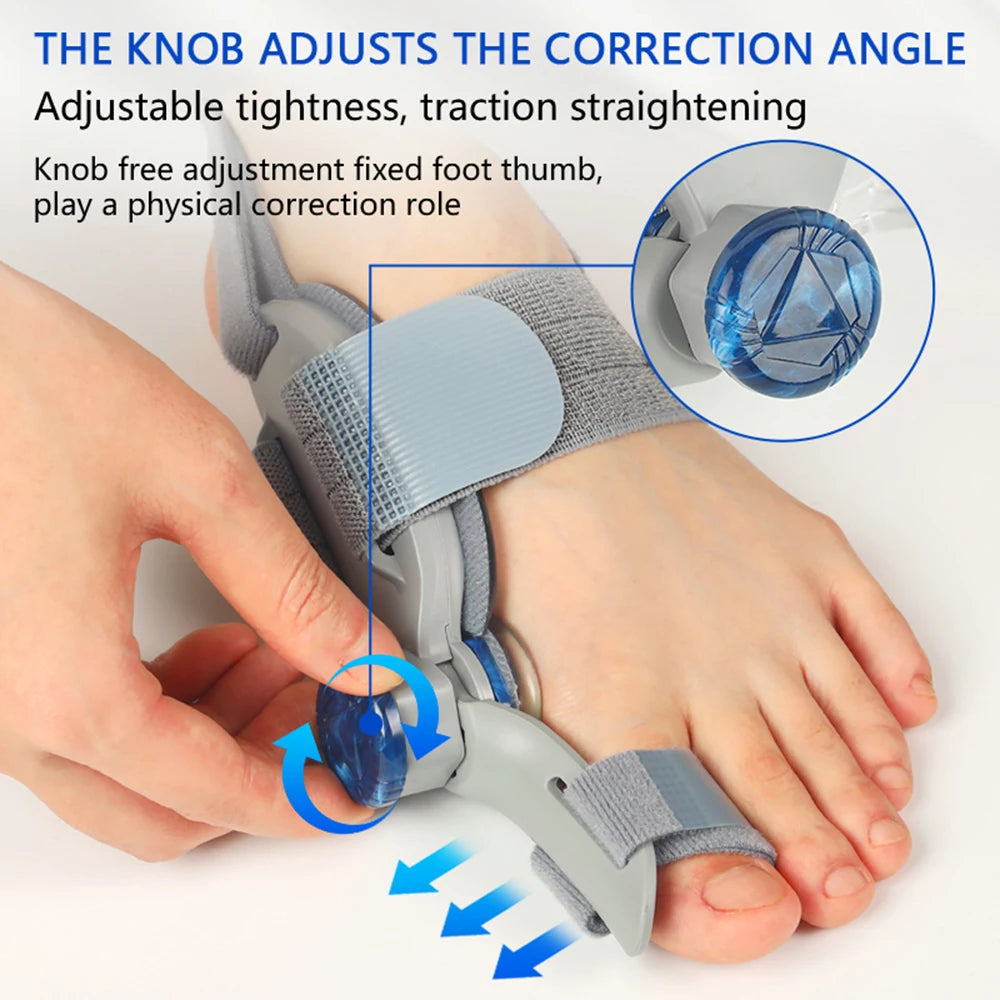
- Comfortable for overnight wear
- Adjustable alignment control
- Best for mild to moderate bunions
Best for Severe Bunions: Adjustable Rigid Splint
- Strong correction force
- Less sleep-friendly
- Short-term use recommended
Best Comfort Option: Gel Toe Spacer Sleeve
- Extremely comfortable
- Easy for beginners
- Minimal correction
Best Value
Adjustable mid-range braces offer a balance between price, comfort, and correction for most users.
Expected Results: Before and After Using a Night Bunion Brace
Timeline
- Week 1–2: reduced pain and stiffness
- Week 3–6: improved flexibility
- 2+ months: subtle visual alignment changes
Pain relief
Most users report noticeable comfort improvement before any visible correction.
When results plateau
Severe bunions may stop improving with braces alone and require medical evaluation.
How to Use a Night Bunion Corrector Brace Correctly
Proper fitting
- Align the big toe naturally
- Secure straps gently
Wear schedule
- Start with 1–2 hours
- Increase to overnight use gradually
Cleaning and maintenance
Clean regularly and keep materials dry to prevent irritation.
Safety, Side Effects, and Who Should Avoid Night Splints
Common side effects
- Mild discomfort
- Skin irritation
Contraindications
- Open wounds or inflamed skin
- Severe deformities without guidance
When to stop using
Stop use if you feel numbness, sharp pain, or worsening symptoms.
Night Brace vs Toe Spacer vs Surgery vs Day Brace
| Option | Best For | Effectiveness | Comfort |
|---|---|---|---|
| Night Brace | Sleep-time correction | Moderate | Medium |
| Toe Spacer | Daytime comfort | Low | High |
| Day Brace | Walking support | Moderate | Medium |
| Surgery | Severe cases | High | Low (recovery) |
How to Choose the Best Night Brace for Bunions
Severity
Match brace strength to your bunion stage.
Adjustability
Look for straps that allow gradual correction.
Sleeping position
Side sleepers should avoid bulky rigid splints.
Budget
Mid-range adjustable braces offer the best value.
When to See a Podiatrist
- Persistent or worsening pain
- Severe deformity
- Limited mobility
- No improvement after months of use
Frequently Asked Questions
Can you wear a bunion corrector at night every night?
Yes, nightly use is safe when properly fitted.
Do bunion correctors work overnight?
No, results require consistent use over weeks.
Can a night splint fix bunions without surgery?
No, it cannot reverse bone structure but helps manage symptoms.
Are bunion splints safe to wear at night?
Yes, if not overtightened and used correctly.
How long does it take to see results?
Most users notice improvements within 2–4 weeks.
What are the most common side effects?
Mild discomfort and skin irritation if improperly fitted.
Who should not use a night splint?
Those with severe bunions or foot injuries should consult a professional.
Should I choose a soft brace or rigid splint?
Soft for comfort, rigid for stronger correction—choose based on severity.
Related Guide: Non surgical bunion correction comparison for real relief













