Do Non Electric Heaters Really Work Without Power?
Yes, a heater without electricity can provide reliable warmth when the power grid is unavailable. The best non electric heaters use alternative heat sources such as propane, kerosene, wood, or alcohol fuel to generate heat without requiring an outlet, making them practical for winter power outages, camping trips, cabins, and emergency preparedness.
A no electricity heater does work, but performance depends on the fuel type, room size, ventilation, and intended use. Portable propane heaters are often preferred for short-term emergency heating, kerosene models are valued for longer runtime, and wood-burning stoves remain one of the strongest options for permanent off-grid heating.
- Short-term power outages: Portable propane or catalytic heaters provide convenient emergency warmth
- Camping and outdoor use: Compact propane or alcohol heaters offer portability
- Off-grid homes: Wood stoves and multi-fuel heating systems provide long-term independence
Best Non Electric Heaters for Areas Without Power Access (Emergency & Off-Grid Guide)
When electricity fails during cold weather, having a reliable non electric emergency heater can help maintain comfort and safety. Whether preparing for a winter blackout, building an emergency kit, or creating an off-grid heating setup, choosing the right heat source depends on your space, fuel availability, and heating needs.
⏱ 7 min read
Discover the most reliable non electric emergency heater options below
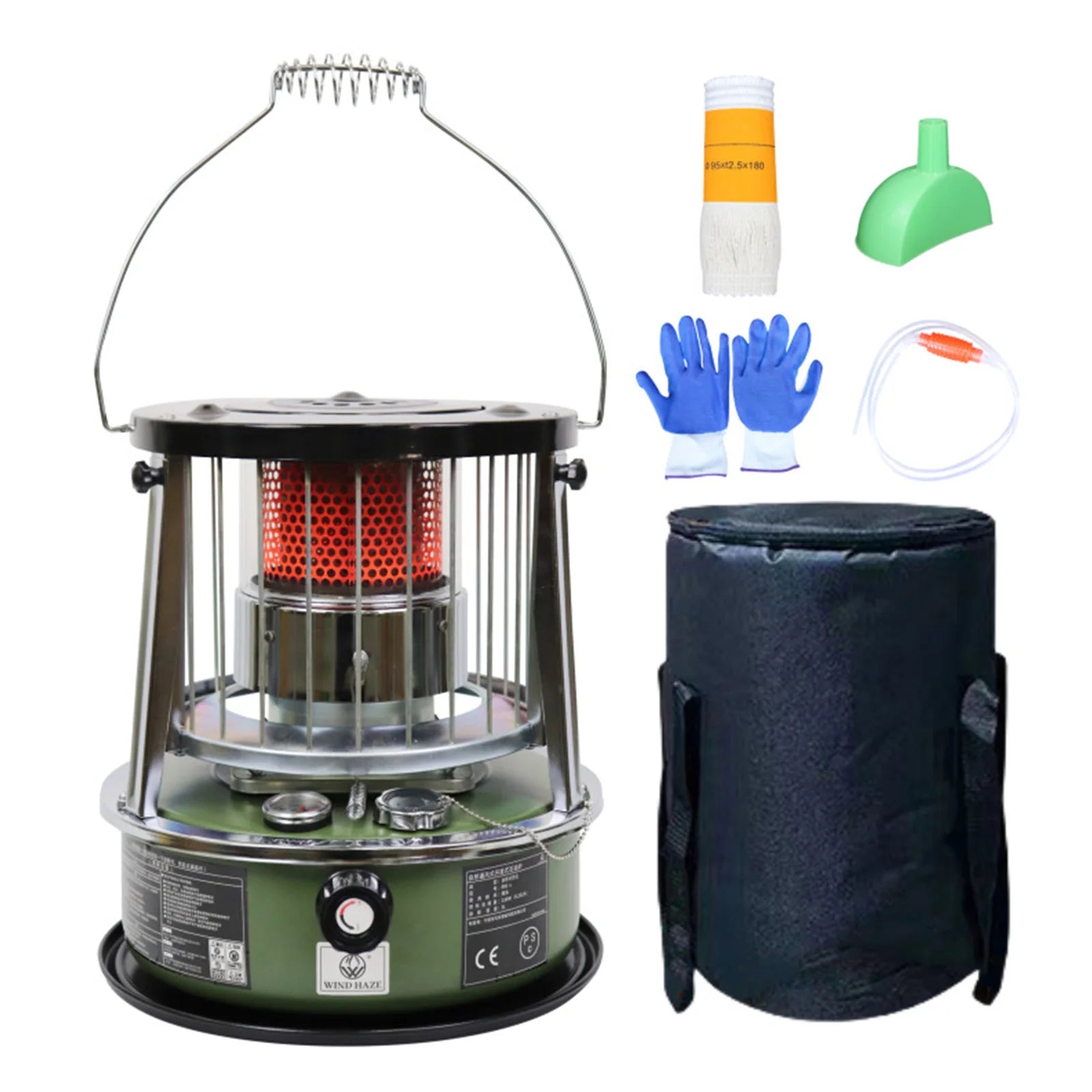
Non electric emergency heater options for camping and outages See it in action
Why Non Electric Emergency Heaters Matter When Power Fails
A traditional electric heater becomes unusable during a blackout, but a non electric heat source can continue working independently from the electrical grid. This makes fuel-powered heating options valuable for emergency preparedness, remote locations, and situations where maintaining warmth is a priority.
For households preparing for winter storms or extended outages, the right emergency heater without power can provide dependable room heating, reduce reliance on electricity, and create a more comfortable environment until normal power is restored.
How to Choose the Best Non Electric Heater for Your Situation
Indoor vs Outdoor Use
Choosing between indoor and outdoor heating is one of the most important safety decisions. Not every portable heater non electric model is designed for enclosed spaces. Indoor-rated propane catalytic heaters and approved kerosene heaters may be suitable when used exactly according to manufacturer instructions, while outdoor camping heaters should not automatically be used inside homes, tents, or vehicles.
Fuel Type Comparison
- Propane: A popular choice for emergency heating because it is portable, widely available, and available in models designed for indoor use with safety features.
- Kerosene: Provides strong heat output and extended runtime, making it useful during longer power outages when proper ventilation and fuel storage are available.
- Wood: A powerful non electric heat source for cabins and off-grid homes where permanent installation and fuel storage are practical.
- Alcohol/Chemical: Lightweight and easy to transport, but better suited for small spaces, camping, and short-duration emergency needs.
Safety & Ventilation Requirements
Any non electric heating option that burns fuel requires careful operation. Look for safety features such as automatic shut-off systems, oxygen depletion sensors, stable construction, and clear indoor-use ratings. Proper airflow and carbon monoxide protection are essential whenever combustion-based heaters are operated.
Runtime & Heat Output
Heat output is commonly measured in BTUs, which indicates how much heat a heater can produce over time. Small portable heaters may provide approximately 3,000–10,000 BTUs, while larger kerosene heaters and wood stoves can deliver significantly higher output for larger spaces.
For emergency situations, runtime is just as important as heat output. A heater that provides steady warmth for several hours may be more useful than a higher-powered model that requires frequent refueling.
Types of Non Electric Heaters Compared
Catalytic & Radiant Propane Heaters
Catalytic and radiant propane heaters are among the most popular non electric heating options for emergency situations because they combine portability, fast heat production, and fuel availability. Many models are designed for indoor emergency use with features such as oxygen depletion sensors and automatic shut-off protection.
A propane non electric heater works by converting propane fuel into radiant heat that warms people and nearby objects rather than relying on electricity. This makes it an effective choice for short-term power outages, garages, workshops, and emergency preparedness kits.
- Advantages: Fast startup, portable design, convenient fuel storage, and strong heat for small spaces
- Limitations: Requires propane supply and proper ventilation during use
- Best application: Emergency heating, cabins, small rooms, and temporary power outages
Kerosene Heaters
Kerosene heaters are a reliable non electric heat source when longer runtime and higher heat output are priorities. They are commonly used during extended outages because a full fuel tank can provide steady warmth for many hours without access to electricity.
Compared with smaller portable heaters, kerosene models are better suited for larger areas. However, they require careful fuel handling, proper ventilation, and safe indoor operation according to manufacturer guidelines.
- Advantages: Long burn time, high heat output, and dependable performance during prolonged outages
- Limitations: Requires fuel storage, ventilation, and regular maintenance
- Best application: Backup home heating, workshops, and extended emergency situations
Wood & Biomass Stoves
Wood and biomass stoves are among the most powerful non electric heat sources for off-grid living. Unlike portable fuel heaters, these systems can provide whole-room or whole-home heating when properly installed and maintained.
For cabins, rural homes, and long-term off-grid setups, wood stoves offer independence from electricity and commercial fuel availability. Their main limitation is that they require installation space, a chimney or venting system, and a reliable supply of dry fuel.
- Advantages: High heat output, renewable fuel options, and excellent long-term reliability
- Limitations: Fixed installation, regular cleaning, and fuel preparation requirements
- Best application: Off-grid homes, cabins, and permanent emergency heating systems
Alcohol, Chemical & Candle Heat Sources
Alcohol heaters, chemical warmers, and candle-based emergency heat sources are compact alternatives when portability matters more than heating power. These options are lightweight and easy to store, making them useful additions to camping equipment and emergency kits.
However, their limited heat output means they are not practical replacements for full-size heaters. They work best as supplemental warming solutions rather than primary heating systems.
- Advantages: Lightweight, inexpensive, and easy to transport
- Limitations: Low heat production and short operating times
- Best application: Camping, survival kits, and personal warming needs
Passive Heat Products
Passive heating products provide warmth without combustion, fuel, or electricity. While they do not heat an entire room like a traditional non electric heater, they can help maintain body warmth when using a heater is impractical.
Examples include thermal blankets, insulated sleeping bags, hot water bottles, and reusable hand warmers. These solutions are especially useful for emergency preparedness because they require little storage space and no fuel supply.
Compare fuel types, heat output, and safety features before choosing your backup heating solution.
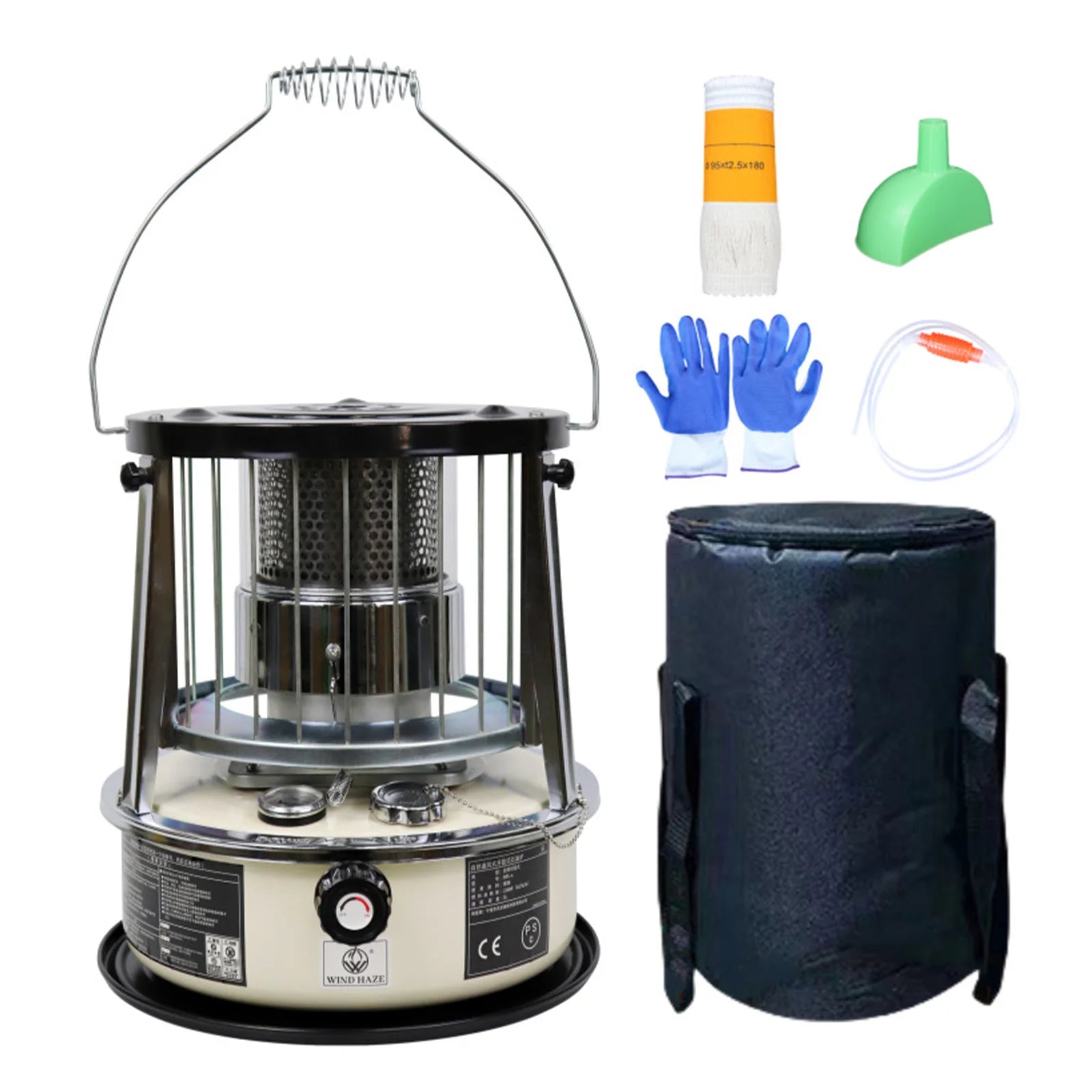
Comparing non electric heater options for camping and home backup See it in action
Portable Non Electric Heater Comparison Table
Feature Comparison
| Heater Type | Fuel Source | Heat Output | Runtime | Indoor Safety | Best Use |
|---|---|---|---|---|---|
| Propane Heater | Propane | Medium to high | Medium | Indoor-rated models available with safety features | Emergency heating and short-term outages |
| Kerosene Heater | Kerosene | High | Long | Requires ventilation and careful operation | Extended power outages |
| Wood Stove | Wood or biomass | Very high | Long with fuel supply | Requires proper installation | Off-grid homes and cabins |
| Alcohol Heater | Alcohol fuel | Low | Short | Primarily outdoor use | Camping and emergency kits |
Top Recommendation
For most emergency situations, a portable propane heater provides the best balance of convenience, portability, and heat performance. It is easy to store, simple to operate, and available in models designed specifically for emergency heating.
For longer outages where extended runtime is the priority, the portable kerosene heater stove is a strong option because it provides consistent heat output and dependable performance when electricity is unavailable.
Choose a reliable non electric heating solution for outages, camping, or off-grid living.
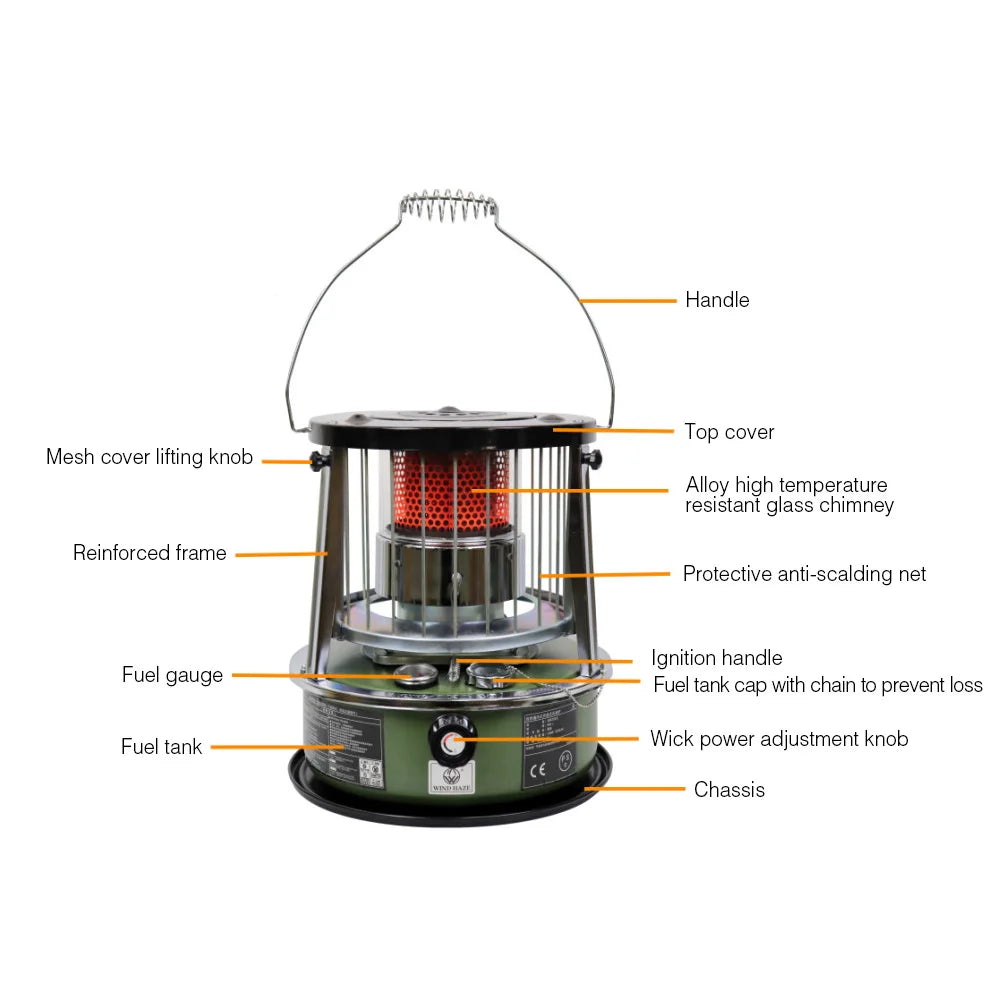
Backup heating for power outages and off grid living See it in action
Safety Tips for Using a Heater Without Electricity
Indoor Ventilation
Using safe indoor heaters non electric requires careful attention to airflow and installation requirements. Any fuel-burning heater can affect indoor air quality, so always operate models according to manufacturer instructions and maintain adequate ventilation when required.
- Use only heaters specifically approved for indoor use
- Keep doors, windows, or ventilation openings available when recommended
- Place heaters on stable, heat-resistant surfaces away from enclosed spaces
- Never use outdoor-only heaters inside homes, tents, vehicles, or sleeping areas
Carbon Monoxide Protection
Fuel-powered heaters can produce carbon monoxide (CO), an odorless gas that can become dangerous in poorly ventilated areas. The safest indoor heater non electric options include built-in safety systems, but additional protection is still important.
- Install a battery-powered carbon monoxide detector near heating areas
- Check detector batteries regularly, especially before winter emergencies
- Stop using a heater immediately if you notice unusual smells, poor ventilation, or symptoms such as dizziness or headaches
Fuel Storage
Proper fuel storage helps prevent accidents and keeps your emergency heating system ready when power fails. Whether storing propane, kerosene, or other fuels, follow approved storage practices.
- Store fuel in approved containers designed for that specific fuel type
- Keep fuel away from heat sources, flames, and living spaces
- Label stored fuel clearly and check supplies before winter storms
- Allow heaters to cool completely before refueling
Fire Prevention
Even the safest indoor non electric heater should be treated as a heat-producing appliance. Simple precautions can significantly reduce fire risks during emergency operation.
- Keep curtains, furniture, bedding, paper, and other flammable materials away from the heater
- Maintain a clear safety zone around the heating unit
- Never leave an operating heater unattended
- Inspect heaters regularly for damage, leaks, or worn components
Frequently Asked Questions
Can a non electric heater heat a whole house?
Most portable heaters are designed to warm a single room or limited area rather than an entire home. Whole-house heating typically requires a properly installed wood stove, larger heating system, or multiple heating units placed throughout the space.
Is a non electric heater safe indoors?
A heater without electricity can be safe indoors only when it is specifically designed and rated for indoor use. The safest indoor non electric heater options include safety features such as automatic shut-off systems and oxygen monitoring. Always follow ventilation requirements and manufacturer instructions.
Which heater lasts longest during power outages?
Kerosene heaters and wood stoves generally provide some of the longest operating times because they can deliver sustained heat with larger fuel supplies. Kerosene models are especially useful during extended outages, while wood stoves are better suited for long-term off-grid heating.
What is the safest emergency heater without power?
For many households, an indoor-rated propane heater with built-in safety features offers the best combination of portability, convenience, and emergency readiness. The safest choice depends on the room size, ventilation setup, and how the heater will be used.
What is the best non electric heater for camping?
The best non electric heater for camping should be lightweight, easy to transport, and appropriate for outdoor conditions. Compact propane and alcohol heaters are popular choices because they are portable and simple to store with other camping equipment.
What is the best portable non electric heater for indoor use?
An indoor-rated catalytic or radiant propane heater is often the most practical portable option because it provides reliable heat without requiring electricity. Always confirm indoor-use approval before operation.
Can you safely use a propane heater indoors?
Yes, some propane heaters are designed for indoor emergency use when operated correctly. Choose models with safety features, maintain proper ventilation, and use carbon monoxide protection for additional safety.
Which non electric heater provides the longest runtime?
Kerosene heaters and wood-burning stoves typically provide longer runtime than smaller portable heaters. The best option depends on whether you prioritize portability, fuel availability, or continuous heating capacity.
What is the safest heater to use during a power outage?
The safest heater during a power outage is one that matches your environment and includes appropriate safety protections. Indoor-rated propane heaters are commonly selected for short-term emergencies, while professionally installed wood stoves are better for permanent off-grid heating.
Are catalytic heaters better than kerosene heaters?
Catalytic heaters are often preferred for portability and efficient indoor emergency use, while kerosene heaters typically provide stronger heat output and longer runtime. The better option depends on your heating needs, available fuel, and operating environment.
What non electric heater works best for camping?
Compact propane heaters are usually the most convenient option for camping because they balance portability, fuel availability, and ease of use. Alcohol heaters can also work well for lightweight emergency kits where minimal heat is needed.
Related Guide: Portable Kerosene Heaters Compared for Safe Indoor Use
Final Verdict: Which Non Electric Heater Is Right for You?
The best portable non electric heater depends on your specific situation. For most emergency power outages, an indoor-rated propane heater offers the strongest balance of portability, convenience, and reliable heat. For extended outages, a kerosene heater provides longer runtime, while wood stoves remain the most dependable solution for off-grid homes and cabins.
Choosing the right non electric heating option comes down to matching the heater with your environment: emergency preparedness, camping, vehicle use, or long-term off-grid living. By selecting the appropriate fuel source, heat output, and safety features, you can stay prepared even when electricity is unavailable.