Do Non Electric Heaters Really Work Without Power?
Yes, the best non electric heaters for areas without power access can provide reliable, consistent heat using fuel sources like propane, kerosene, wood, or alcohol. Unlike electric systems, these heaters operate independently of the grid, making them ideal for power outages, off-grid homes, and camping.
The most effective option depends on your situation. Propane heaters are typically the safest indoor emergency solution, kerosene heaters offer longer runtime for extended outages, and wood stoves provide sustainable heating for off-grid living.
- Short-term outages: Portable propane or catalytic heaters
- Camping: Compact alcohol or propane heaters
- Off-grid homes: Wood or multi-fuel stoves
Best Non Electric Heaters for Areas Without Power Access (Emergency & Off-Grid Guide)
A non electric emergency heater can be the difference between feeling helpless in the cold and staying calm, warm, and safe. Whether you’re facing an unexpected blackout or planning time off grid, choosing the right heater matters more than most people realize.
⏱ 7 min read
👉 Discover the most reliable non electric emergency heater options below
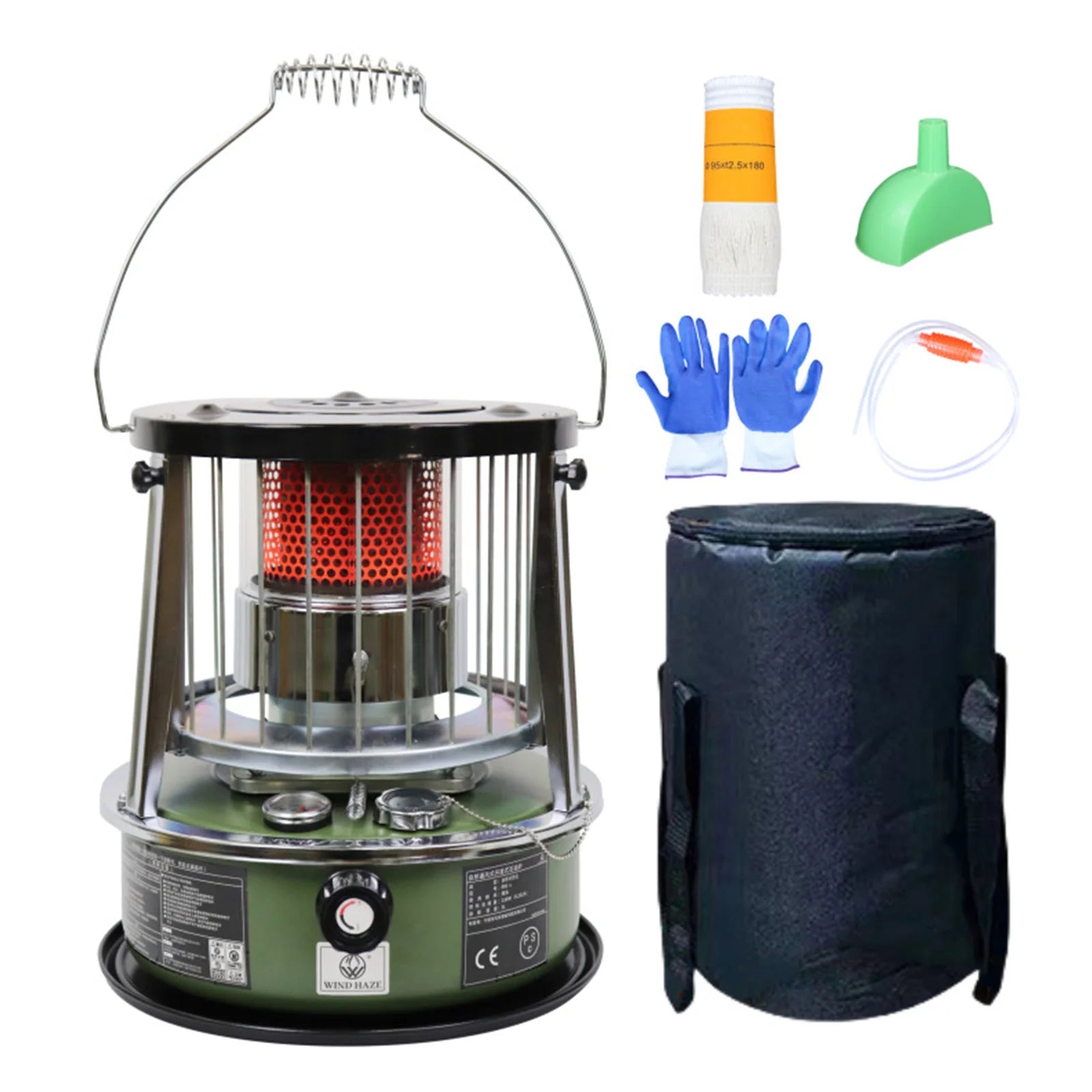
Non electric emergency heater options for camping and outages 💡 See it in action
Why Non Electric Emergency Heaters Matter When Power Fails
Cold doesn’t wait for convenience. During outages, standard heaters become useless, leaving families scrambling. A non electric emergency heater restores a sense of control—no cords, no outlets, just dependable warmth when it counts most.
For preparedness-focused households, these heaters aren’t luxuries. They’re essential tools that reduce stress, protect vulnerable family members, and help maintain normal routines during winter disruptions.
How to Choose the Best Non Electric Heater for Your Situation
Indoor vs Outdoor Use
Not all non electric heaters are safe for indoor use. Indoor-safe models include catalytic propane heaters and certain kerosene heaters with proper ventilation. Outdoor-only heaters, often used for camping, may produce unsafe emissions indoors.
Fuel Type Comparison
- Propane: Clean-burning, widely available, ideal for indoor emergency heating
- Kerosene: High heat output and long runtime, but requires ventilation
- Wood: Sustainable and powerful, best for fixed off-grid setups
- Alcohol/Chemical: Lightweight and portable, but limited heat output
Safety & Ventilation Requirements
Any heater without electricity must be used with proper airflow. Look for features like automatic shut-off, oxygen depletion sensors, and stable bases to reduce risks during indoor use.
Runtime & Heat Output
Heat output is measured in BTUs. Small portable heaters may produce 3,000–10,000 BTUs, while kerosene and wood stoves can exceed 20,000 BTUs. Longer runtime models are essential for overnight heating during power outages.
Types of Non Electric Heaters Compared
Propane Heaters (Best for Indoor Emergency Use)
Propane heaters are among the best non electric heaters for indoor safety when designed with built-in protections. They are easy to use, portable, and provide instant heat, making them a top choice for emergency heater without power scenarios.
Kerosene Heaters (Long Runtime & High Output)
Kerosene heaters deliver strong, consistent heat for extended periods. They are ideal for backup heating for power outages but require careful ventilation and proper fuel storage.
Wood & Biomass Stoves (Off-Grid Sustainability)
Wood stoves are the most sustainable off grid heater option. They provide powerful heating for entire spaces and work well for long-term independence from electricity.
Alcohol & Chemical Heaters (Compact Backup)
These heaters are best suited for camping or short-term emergency use. While portable and lightweight, they produce less heat and are not ideal for heating large areas.
👉 Learn how different heaters match camping, outages, or off-grid living
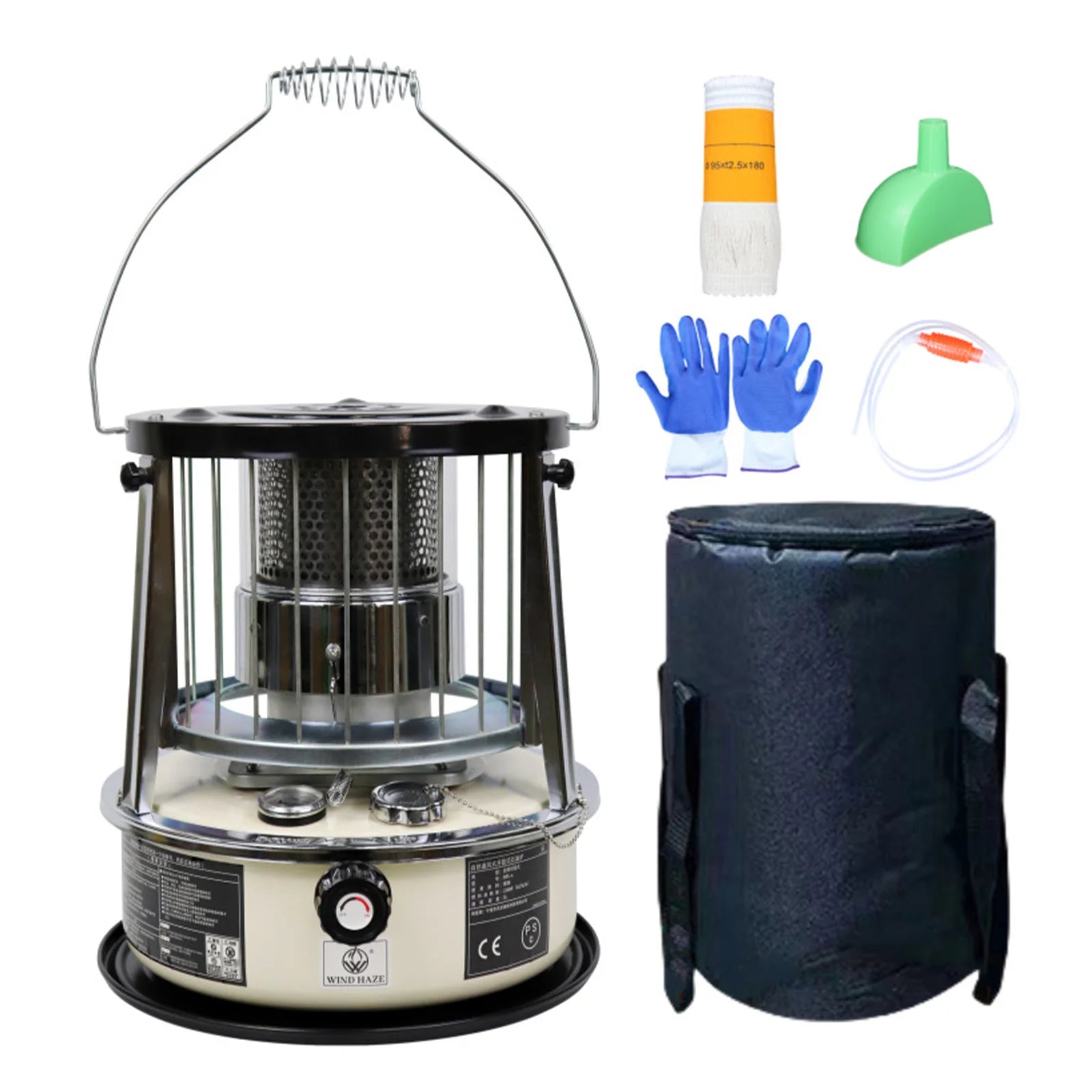
Comparing non electric heater for camping vs home backup 💡 See it in action
Best Non Electric Heaters by Use Case
Best for Home Backup Heating
For indoor emergency use, propane heaters with safety shutoff features are the most practical choice. They balance safety, portability, and ease of use during sudden outages.
Best for Camping & Portable Use
A portable non electric heater designed for camping should be compact, lightweight, and fuel-efficient. Small propane or alcohol heaters are ideal for tents and outdoor shelters.
For outdoor essentials that complement your setup, explore the Lifestyle collection.
Best for Off-Grid Living
Wood stoves and multi-fuel systems are the best long-term solution for off-grid homes. They provide consistent heat without reliance on external fuel supply chains.
Best Emergency Heater Without Power (Quick Pick)
If you need a fast recommendation, a portable propane heater offers the best balance of safety, heat output, and convenience for most emergency situations.
Non Electric Heater Comparison
Quick Comparison Table
- Propane Heater: Indoor-safe options, medium runtime, high convenience
- Kerosene Heater: High heat output, long runtime, needs ventilation
- Wood Stove: Very high output, sustainable, fixed installation
- Alcohol Heater: Portable, low output, best for short-term use
Featured Option Worth Considering
The portable kerosene heater stove consistently earns praise for steady heat, long burn time, and reliability during outages.
👉 Get yours now — limited stock!
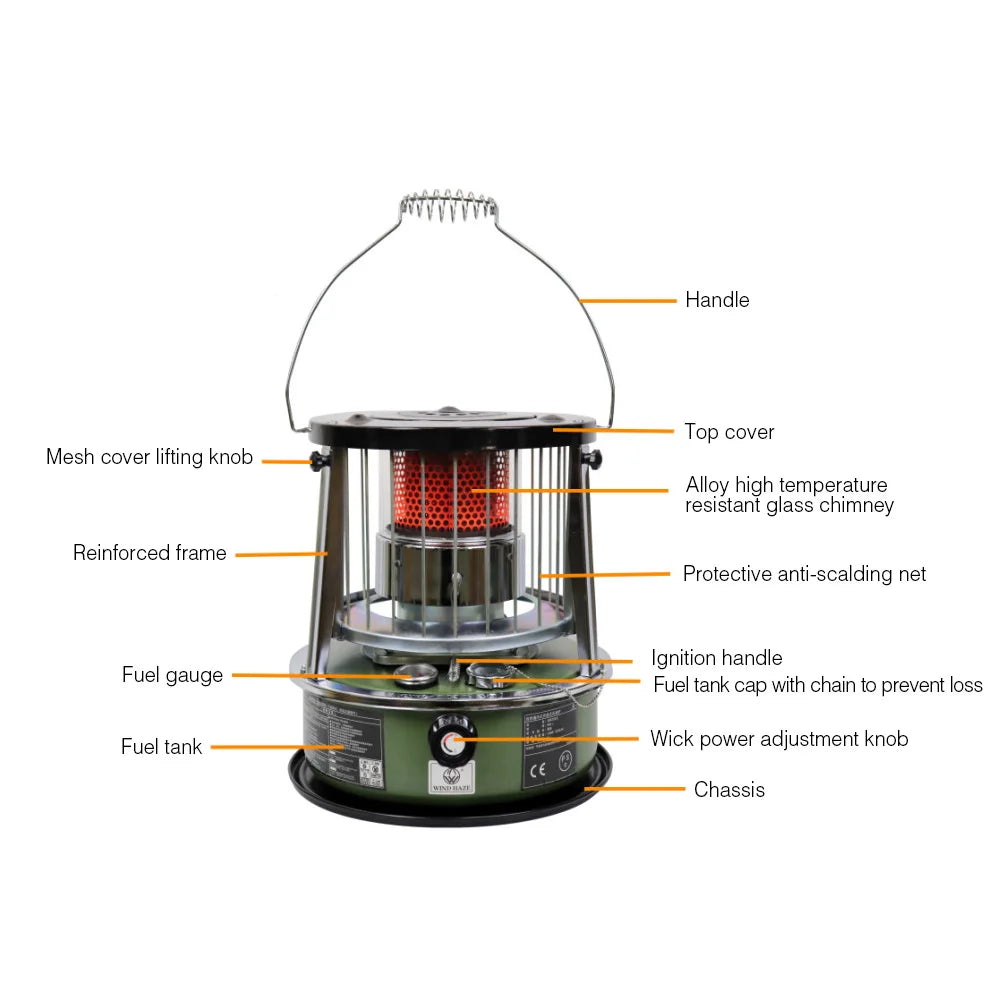
Backup heating for power outages and off grid living 💡 See it in action
Safety Tips for Using a Heater Without Electricity
Indoor Safety Rules
- Only use heaters rated for indoor use
- Keep flammable materials at least 3 feet away
- Never leave heaters unattended while operating
Carbon Monoxide & Ventilation
Fuel-based heaters can produce carbon monoxide. Always ensure proper ventilation and use a carbon monoxide detector when operating indoors.
Storage & Fuel Handling
- Store fuel in approved containers
- Keep fuel away from living areas
- Refuel only when the heater is completely cool
Frequently Asked Questions
Can a non electric heater heat a whole house?
Most portable heaters are designed for single-room use. Whole-house heating typically requires a wood stove or multiple heating units.
Is a non electric heater safe indoors?
Only heaters specifically rated for indoor use should be used inside. Always follow ventilation and safety guidelines.
Which heater lasts longest during power outages?
Kerosene heaters and wood stoves offer the longest runtime, making them ideal for extended outages.
What is the safest emergency heater without power?
Indoor-safe propane heaters with built-in safety features are generally the safest option.
What is the best non electric heater for camping?
Compact propane or alcohol heaters are best for camping due to their portability and ease of use.
Related Guide: Portable Kerosene Heaters Compared for Safe Indoor Use
Final Verdict: Which Non Electric Heater Is Right for You?
The best non electric heater depends on how and where you plan to use it. For most people, a portable propane heater offers the best balance of safety, convenience, and performance. For long-term off-grid living, a wood stove is the most reliable solution, while kerosene heaters excel during extended power outages.
By choosing the right type based on your needs—whether emergency preparedness, camping, or off-grid independence—you can ensure reliable heat even when electricity is unavailable.