

Best Non Electric Foot Massagers (2026): Expert Reviews & Buying Guide
A non electric foot massager is a simple way to relieve everyday foot tension without batteries, charging, or complicated settings. Unlike electric devices, manual foot massagers give you direct control over pressure, speed, and massage intensity, making them a practical choice for home foot care, travel, and daily relaxation.
This 2026 guide compares the best non electric foot massagers based on comfort, pressure control, portability, durability, and value. Whether you need gentle relaxation, arch support, plantar fascia massage, or a convenient foot care routine at home, the right manual option can help you create a consistent recovery habit.
⏱ 8 min read
Foot fatigue, stiffness, and soreness are common after long hours standing, sitting, exercising, or wearing unsupportive footwear. A foot massager without electricity offers a convenient solution for people who want targeted pressure without noise, cords, or ongoing maintenance.
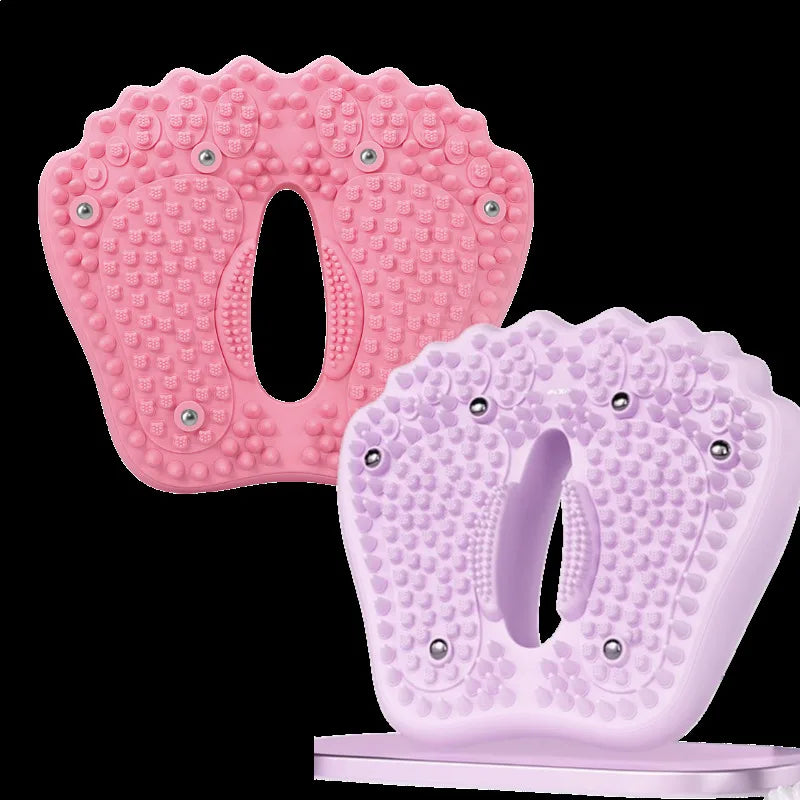
Non electric foot massager for foot massage for home — See it in action
Quick Comparison Table: Best Non Electric Foot Massagers
| Product | Type | Best For | Key Features | Value |
|---|---|---|---|---|
| KentDO Inflatable Foot Massage Pad | Inflatable Pad | Daily comfort and sensitive feet | Adjustable cushioning, lightweight design, gentle pressure | Best Overall |
| Wooden Foot Roller | Roller Massager | Arch tension and plantar fascia massage | Deep pressure, durable construction, compact size | Best for Deep Massage |
| Foot Reflexology Manual Tool | Reflexology Tool | Targeted pressure point massage | Precision stimulation and traditional reflexology approach | Best Targeted Option |
| Massage Ball or Acupressure Tool | Ball/Pressure Tool | Travel and quick sessions | Portable, simple, easy to store | Best Budget Pick |
Does a Non Electric Foot Massager Really Work?
A non electric foot massager can be effective for improving comfort, reducing muscle tension, and supporting relaxation when used correctly. Because these devices rely on manual movement and body weight, users can adjust pressure based on their own comfort level.
How Manual Foot Massagers Work
Manual foot massagers work by applying controlled pressure to areas of the feet such as the arches, heels, and soles. Rolling movements can help loosen tight muscles, while pressure-point tools provide focused stimulation.
The main advantage of a manual foot massager is control. Users can slow down, increase pressure, or stop immediately depending on how their feet respond.
Scientific Evidence for Foot Massage Benefits
Research on foot massage suggests that massage techniques may support relaxation, temporary pain reduction, improved perceived circulation, and reduced muscle stiffness. While a manual foot massager is not a medical treatment, it can complement stretching, mobility exercises, and other foot care habits.
Who Benefits Most
A non electric foot massager may be especially useful for:
- People who stand or walk for long periods
- Office workers experiencing foot stiffness after sitting
- Athletes needing post-workout recovery support
- Anyone who prefers quiet, low-maintenance wellness tools
- Users who want a simple foot massage routine at home
Benefits of Using a Non Electric Foot Massager Daily
Daily Foot Massage Benefits
Consistent use of a non electric foot massager can support daily comfort by:
- Reducing foot fatigue after activity
- Relaxing tight muscles and connective tissues
- Supporting flexibility and mobility
- Encouraging a regular self-care routine
Pain Relief and Recovery
Manual foot massage can help relieve temporary discomfort caused by muscle tension, long periods of standing, or exercise-related soreness. Rollers and targeted massage tools are often preferred for users who want deeper pressure around the arches and heels.
For persistent foot pain, users should combine massage with proper footwear, stretching, and professional guidance when needed.
Circulation and Relaxation
Gentle foot massage may promote relaxation and support healthy blood flow by encouraging movement and reducing stiffness. Many people use a manual foot massager in the evening as part of a calming bedtime routine.
Manual vs Electric: Which Is Better?
| Feature | Manual Foot Massager | Electric Foot Massager |
|---|---|---|
| Control | Full control over pressure and movement | Preset settings and automatic programs |
| Portability | Lightweight and travel-friendly | Usually larger and requires power |
| Maintenance | Simple cleaning and storage | May require charging or electrical maintenance |
| Best For | Personalized massage and everyday use | Hands-free massage sessions |
Types of Non Electric Foot Massagers
Manual Foot Roller Massager
A manual foot roller massager uses rolling cylinders or textured surfaces to apply pressure across the sole. It is popular for arch tension, heel discomfort, and quick recovery sessions.
Best for: Users who want deeper massage and easy pressure adjustment.
Wooden Foot Massager
A wooden foot massager is valued for durability and strong pressure application. Wooden rollers are often simple, long-lasting, and effective for users who prefer a traditional massage experience.
Pros:
Durable, affordable, portable.
Cons:
May feel too firm for sensitive feet.
Foot Reflexology Massager Manual
A foot reflexology massager manual targets specific areas of the sole using pressure points. These tools are designed for users interested in reflexology-inspired routines.
Best for: People who prefer precise stimulation instead of broad rolling massage.
Massage Balls and Acupressure Mats
Massage balls and acupressure mats provide compact solutions for targeted pressure. They are easy to store and useful for travel or short daily sessions.
Best Non Electric Foot Massagers Reviewed
Best Overall: KentDO Inflatable Foot Massage Pad
The KentDO Inflatable Foot Massage Pad is designed for users who want gentle, adjustable comfort without electrical components. The inflatable design allows users to customize cushioning and pressure, making it suitable for everyday relaxation.
- Customizable pressure through inflation
- Lightweight and travel-friendly
- Comfortable option for sensitive feet
- Easy addition to a daily feet care routine
Explore more wellness tools in the Body Care and Health Devices collection for complementary options.
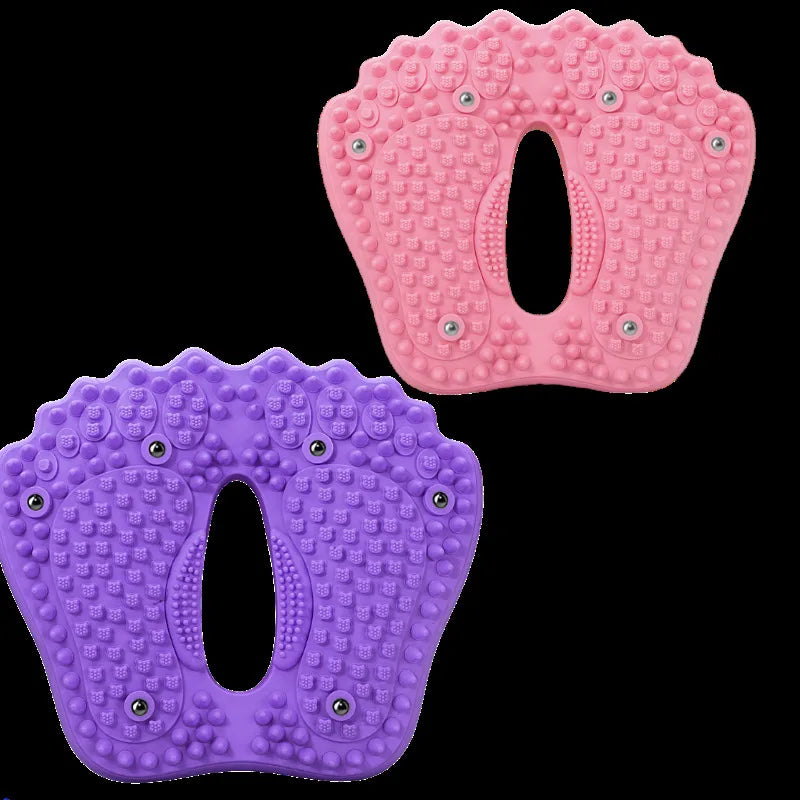
Adjustable non electric foot massager supporting daily feet care routine — See it in action
Best Wooden Foot Massager
A wooden foot massager is ideal for users who prefer a traditional design with firm pressure. The durable material makes it a reliable choice for repeated use, especially for arch and sole massage.
- Long-lasting construction
- No batteries or charging required
- Strong pressure for muscle tension
Best Manual Foot Roller Massager
A manual foot roller massager offers smooth rolling action that targets larger areas of the foot. It works well for people who need quick relief after walking, standing, or exercise.
Best Foot Reflexology Massager Manual
This type of tool is designed for users who enjoy pressure-point massage and reflexology techniques. It provides focused stimulation but may require more practice to use comfortably.
Best Budget Pick
Simple massage balls and compact manual tools are affordable options for beginners who want to try foot massage without investing in larger devices.
Best for Plantar Fasciitis
For plantar fascia tension, many users prefer a combination of gentle rolling, stretching, and supportive footwear. A manual roller can help massage the arch area, but pressure should always remain comfortable.
How to Choose the Best Non Electric Foot Massager
By Foot Condition
Choose based on your main goal:
- Relaxation: Inflatable pads or gentle massage tools
- Arch tension: Rollers with deeper pressure
- Targeted massage: Reflexology tools
- Sensitive feet: Softer adjustable designs
By Material
Wood, plastic, foam, and inflatable materials each provide different experiences. Wooden models are typically more durable, while inflatable options often provide softer cushioning.
By Portability
If you travel frequently, choose lightweight manual foot massagers that fit easily into storage bags or luggage.
By Durability
Look for strong materials, simple designs, and easy maintenance. A well-made manual foot massager can last for years without replacement parts.
Which Manual Foot Massager Is Right for You?
For Office Workers
A compact roller or massage ball is convenient for relieving stiffness after long periods sitting at a desk.
For Athletes
A deeper roller-style massager can support post-exercise recovery by targeting tired muscles in the feet.
For Seniors
Gentler options with adjustable pressure, such as inflatable pads, may provide more comfortable daily use.
For Plantar Fasciitis
A manual roller may help massage the arch area, but it should be used carefully alongside stretching and other recommended care methods.
How to Use a Non Electric Foot Massager for Maximum Effect
Step-by-Step Guide
- Sit comfortably and place your foot on the massager.
- Begin with light pressure to understand sensitivity.
- Slowly move across the arch, heel, and sole.
- Adjust pressure based on comfort.
- Finish with gentle stretching if desired.
Recommended Session Length
Most users can start with 5–10 minutes per session and gradually increase toward 15–20 minutes depending on comfort.
Common Mistakes to Avoid
- Applying excessive pressure too quickly
- Using a tool on painful areas without adjustment
- Ignoring proper cleaning and storage
- Expecting massage alone to fix ongoing foot problems
Care, Cleaning and Maintenance
Proper care helps extend the life of a manual foot massager.
- Wipe surfaces regularly to remove sweat and dust
- Allow inflatable materials to dry completely before storage
- Keep wooden foot massagers away from excessive moisture
- Store in a dry location
- Replace damaged components when necessary
Pros and Cons at a Glance
- Pros: Energy-free, quiet, portable, durable, affordable, and customizable pressure.
- Cons: Requires manual effort, may need practice for reflexology tools, and does not provide automatic massage programs.
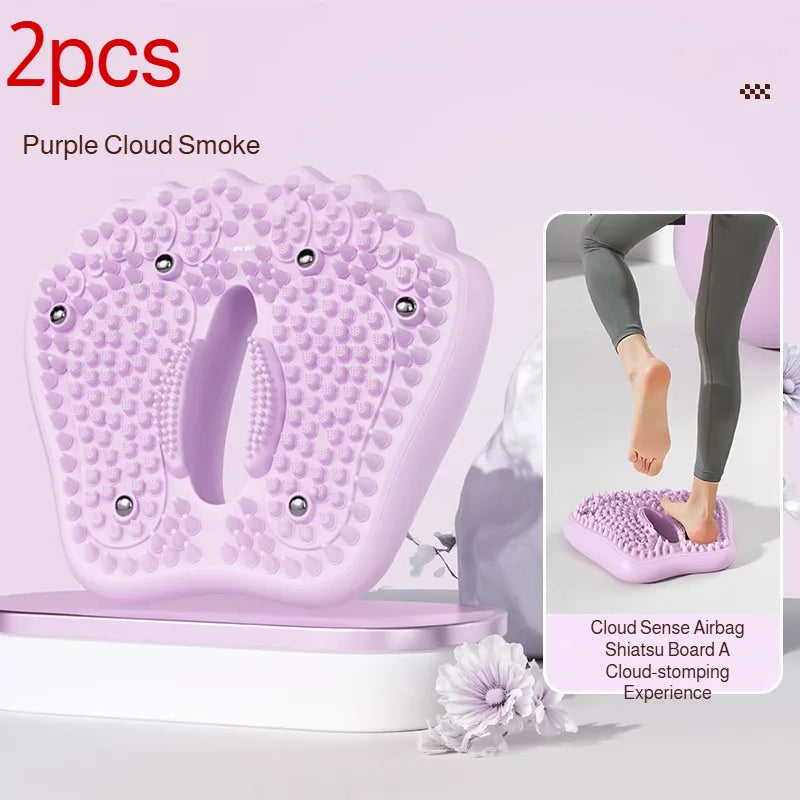
Non electric foot massager for acupressure mat on feet benefits — See it in action
Frequently Asked Questions
How often should I use a non electric foot massager?
Most people can use a non electric foot massager daily or several times per week. Short, consistent sessions are often easier to maintain than occasional long sessions.
Is manual foot massager effective?
Yes, a manual foot massager can be effective for improving comfort, reducing temporary muscle tension, and supporting relaxation. Results depend on the device type, technique, and individual needs.
Can a manual foot massager help plantar fasciitis?
A manual foot massager may help relieve arch tension and support comfort when combined with stretching and proper foot care. Avoid aggressive pressure and seek professional advice for persistent pain.
What is the best non electric foot massager?
The best option depends on your goals. Inflatable pads are often better for gentle comfort, while wooden rollers are preferred for deeper pressure and targeted massage.
How do I clean a wooden foot massager?
Clean a wooden foot massager with a lightly damp cloth and dry it thoroughly. Avoid soaking the wood because excess moisture can damage the material.
Are manual foot massagers safe for seniors?
Many seniors can safely use manual foot massagers when choosing comfortable pressure levels and avoiding excessive force. Softer options may be preferable for sensitive feet.
Related Guide: Foot Massage Mat Comparison Guide for Home Relief













