

Noninvasive Body Contouring: Which Technology Is Best for You?
Noninvasive body contouring can sound like one category, but the technologies are designed for very different goals. Some focus on localized fat reduction, some on skin tightening or cellulite appearance, and others on muscle stimulation. The right choice depends less on the word “contouring” and more on what you actually want to change.
The FDA describes noninvasive body contouring as procedures performed on the skin surface without incisions that may change body circumference, reduce small areas of fat, improve muscle tone and firmness, or improve the appearance of cellulite. These treatments are not interchangeable with weight-loss procedures. :contentReference[oaicite:0]{index=0}
Noninvasive Body Contouring at a Glance
What Is Noninvasive Body Contouring?
Noninvasive body contouring uses external energy or mechanical methods to alter the appearance or shape of a targeted body area without surgery. Depending on the technology, the objective may be localized fat reduction, circumference reduction, cellulite improvement, skin tightening, or muscle stimulation.
That distinction matters when you are dealing with stubborn body fat areas, loose-looking contours, or muscles that remain difficult to tone despite exercise. A fat-focused treatment is not automatically the best choice for someone whose primary concern is weak muscle definition.
For broader body-care equipment and wellness devices, you can also explore body care and health devices while keeping the specific technology and intended use in mind.
Which Technology Is Best for Which Goal?
- Localized fat reduction: cryolipolysis, selected heat-based technologies, focused ultrasound, and certain light-based systems may be used depending on the specific authorized device and indication.
- Skin tightening: radiofrequency and selected heat-based technologies may be appropriate for improving the appearance of lax skin.
- Cellulite appearance: certain heat, mechanical, and combination technologies target the structures contributing to cellulite.
- Muscle stimulation and definition: electromagnetic muscle stimulation is designed around stimulating skeletal muscle rather than simply treating a superficial fat bulge.
- Weight loss: noninvasive cosmetic contouring should not be treated as a substitute for evidence-based weight-management care.
Quick Comparison Matrix
Decision matrix:
- Cryolipolysis → primarily localized fat → cooling-based → results develop over time → usually little traditional downtime, but temporary tenderness, swelling, bruising, or numbness may occur.
- Radiofrequency → skin tightening, circumference, cellulite, and selected fat-related indications → controlled heating → often a series of treatments → temporary redness, discomfort, or swelling may occur depending on the device.
- Focused ultrasound → selected tissue-heating or fat-disruption applications → focused acoustic energy → timing and recovery vary by device.
- Laser/light-based contouring → selected fat or circumference indications → light energy → device-specific treatment schedules.
- Electromagnetic muscle stimulation → muscle tone, strengthening, and selected body-contouring applications → electromagnetic stimulation → commonly performed as a treatment series → muscle soreness or discomfort may occur.
- Cellulite-focused technologies → cellulite appearance → may use heat, mechanical action, light, or combinations → usually require modality-specific protocols.
The FDA separates these technologies by their mechanisms and regulatory classifications, including cryolipolysis, radiofrequency, ultrasound, light-based energy, low-level light, magnetic-field muscle stimulation, and mechanical cellulite technologies. :contentReference[oaicite:1]{index=1}
How Noninvasive Body Contouring Technologies Work
Cryolipolysis
Cryolipolysis, commonly called fat freezing, uses controlled cooling to target pinchable fat in a selected treatment area. The applicator draws tissue into the treatment area and cools it for a specified period. The objective is localized reduction of visible fat rather than overall weight loss. :contentReference[oaicite:2]{index=2}
This makes cryolipolysis more relevant when the primary complaint is a localized fat bulge than when the main problem is lack of muscle definition.
Radiofrequency
Radiofrequency uses electrical energy to generate controlled heat. Depending on the device and its authorization, heating can affect tissue beneath the skin, contribute to a tighter appearance, or temporarily improve the appearance of cellulite and circumference. Some RF systems use needles, while others deliver energy externally. :contentReference[oaicite:3]{index=3}
RF therefore occupies a different position from muscle-focused electromagnetic stimulation: the therapeutic target and mechanism are not automatically the same simply because both involve electromagnetic energy.
Focused Ultrasound
Focused ultrasound uses concentrated acoustic energy to create controlled effects in targeted tissue. In body contouring, specific authorized devices may use ultrasound for tissue heating or disruption. It should not be confused with diagnostic ultrasound, which is primarily an imaging technology. :contentReference[oaicite:4]{index=4}
Laser Body Contouring
Selected laser and light-based devices can be authorized for aesthetic body-contouring applications. The wavelength, applicator, energy delivery, treatment site, and intended indication matter. Consequently, saying that a device is a “laser body sculpting machine” does not by itself establish what it can legally or clinically be used for.
High-Intensity Focused Electromagnetic Technology
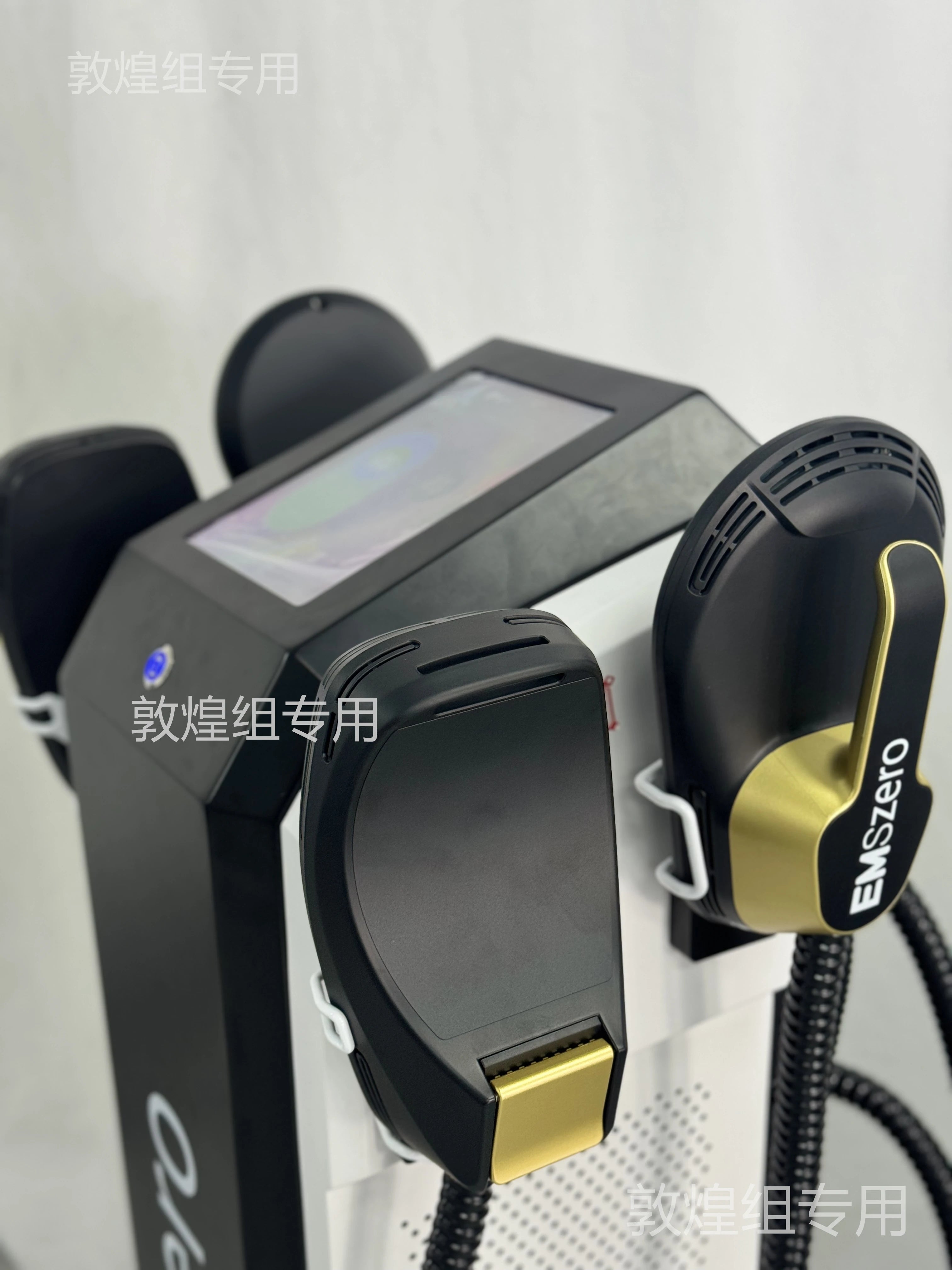
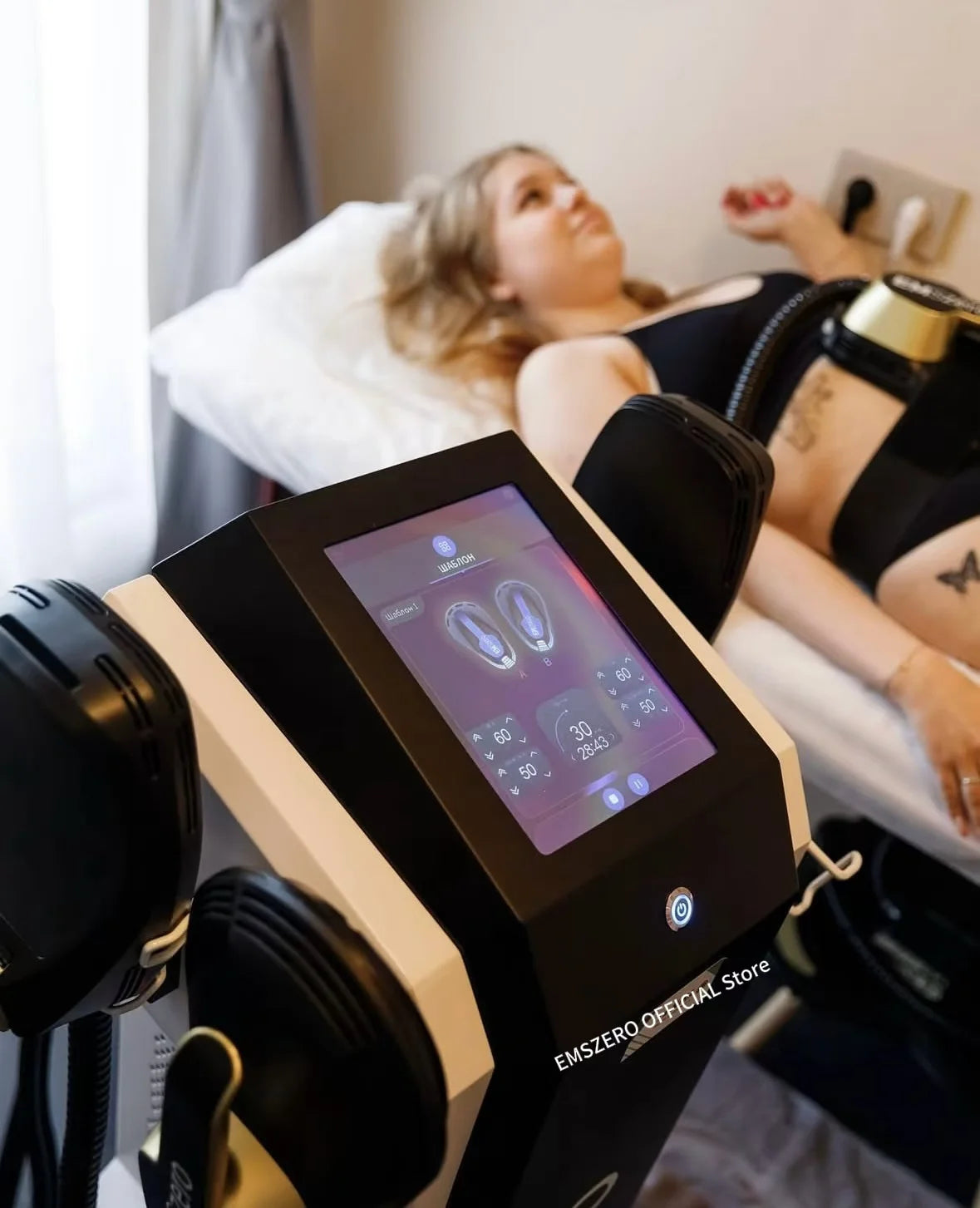
High-intensity electromagnetic technologies are different because their central target is skeletal muscle stimulation. The electromagnetic field induces strong muscle contractions, making this category more relevant to people seeking muscle toning, strengthening, or improved definition rather than simply trying to remove a fat bulge.
Clinical literature supports the potential for electromagnetic muscle stimulation to affect muscle thickness and body-contouring measurements, but the strength of evidence varies. A 2022 critical review found evidence suggesting abdominal contouring benefits while emphasizing that larger controlled studies are needed, particularly for areas such as the buttocks, thighs, arms, and calves. :contentReference[oaicite:5]{index=5}
A separate systematic review found that commonly studied HIFEM protocols often involved four treatments over roughly two to four weeks, while also noting methodological limitations and the need for stronger evidence. :contentReference[oaicite:6]{index=6}
Cellulite-Focused Technologies
Cellulite is not simply excess fat. Its appearance is influenced by connective-tissue structures, fat distribution, skin characteristics, and other anatomical factors. That is why a treatment that reduces a fat bulge may not produce the same visual change as a technology specifically intended to improve cellulite appearance.
Noninvasive Body Contouring Technologies Compared
Cryolipolysis vs. Radiofrequency
Choose between these technologies based on the tissue concern rather than the technology name. Cryolipolysis is primarily associated with localized fat reduction, whereas RF can be used for heat-based contouring, skin-tightening effects, cellulite appearance, and certain circumference indications depending on the device.
RF may therefore be more attractive when firmness is part of the goal, while cryolipolysis may make more sense when the dominant concern is a localized, pinchable fat bulge.
Radiofrequency vs. Focused Ultrasound
Both can use thermal effects, but they deliver energy differently. RF produces heating through radiofrequency energy, while focused ultrasound delivers concentrated acoustic energy. Treatment feel, tissue depth, treatment duration, indications, and recovery can vary substantially between individual devices.
Fat-Reduction Technologies vs. Electromagnetic Muscle Stimulation
This is one of the most important distinctions for shoppers. If your concern is “I have a stubborn area of fat,” a fat-focused technology may be the more logical category. If your concern is “I exercise but still lack abdominal or other muscle definition,” electromagnetic muscle stimulation may be more directly aligned with the goal.
Research should still be interpreted cautiously. One systematic review of electromagnetic body-contouring studies reported small average changes in fat and muscle measurements and highlighted publication bias and conflicts of interest as important limitations. :contentReference[oaicite:7]{index=7}
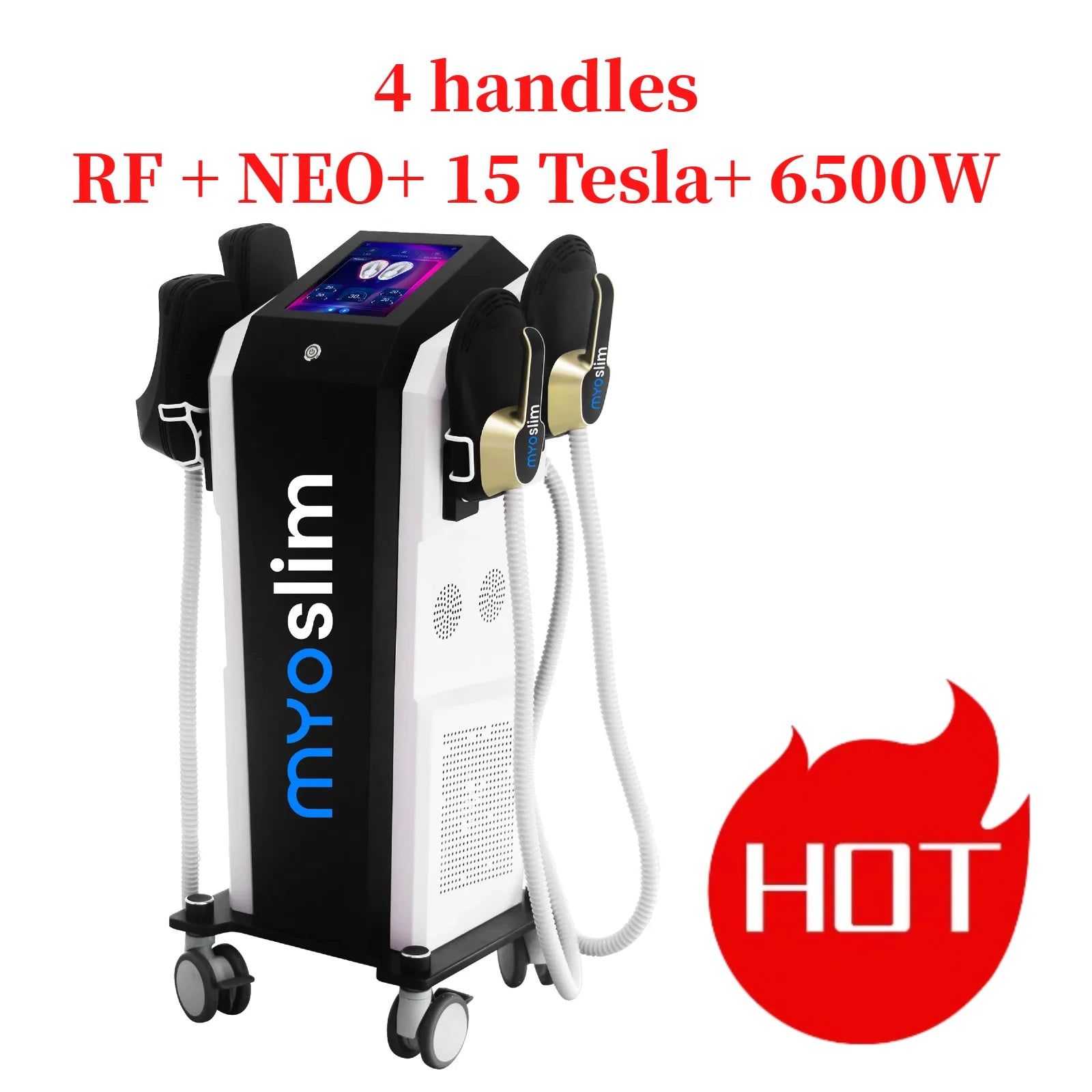
For users specifically interested in muscle-focused body sculpting, an EMS Body Slimming Machine for muscle toning and body sculpting is designed around electromagnetic muscle stimulation and provides adjustable operation, four handles, and targeted positioning for the abdomen, arms, legs, and glutes.
Which Technology Is Best for Your Goal?
- Want to reduce a localized fat bulge? Investigate fat-focused technologies and verify the exact device indication.
- Want a firmer-looking skin surface? Compare authorized RF or other heat-based options designed for skin-tightening effects.
- Want to address cellulite appearance? Look specifically for evidence and indications addressing cellulite rather than assuming fat reduction will solve it.
- Want stronger-looking or more defined muscles? Consider electromagnetic muscle stimulation as a distinct technology category.
- Want significant weight loss? Look beyond cosmetic body contouring. FDA-regulated weight-loss and weight-management devices have different indications and regulatory considerations. :contentReference[oaicite:8]{index=8}
If your broader routine also includes facial or cosmetic technology, the skin and beauty care devices collection can be explored separately from body-contouring equipment.
What Results Can You Realistically Expect?
When Do Results Usually Appear?
There is no universal body-contouring timeline. Some effects may appear gradually as tissue responds after treatment, while others may initially reflect temporary swelling or other short-term changes. Final assessment therefore depends on the technology, treatment protocol, treatment area, and follow-up period.
For electromagnetic muscle stimulation, published studies have commonly assessed outcomes weeks to months after a treatment series rather than assuming that an immediate post-treatment appearance represents the final result. :contentReference[oaicite:9]{index=9}
How Many Treatments Are Typically Needed?
Do not choose a device based solely on claims such as “one treatment” or “rapid results.” Treatment schedules are device-specific. Published electromagnetic body-contouring research has frequently evaluated a series of treatments, while other technologies may require different schedules. :contentReference[oaicite:10]{index=10}
How Long Do Results Last?
Durability depends on what the treatment changes. Localized changes in treated tissue are different from changes in overall body weight, muscle conditioning, or lifestyle. Maintenance may also be recommended depending on the technology and individual response.
Why Results Vary Between People
Results can differ because of baseline anatomy, tissue composition, treatment area, device parameters, applicator positioning, treatment protocol, operator technique, and individual biological response. A photograph or testimonial from one person should therefore not be treated as a guaranteed outcome for another.
Safety, Side Effects, and Candidate Screening
Are Noninvasive Body Contouring Treatments Safe?
Noninvasive does not mean risk-free. The FDA notes that body-contouring technologies can have different risks depending on the technology and device, and that results may be temporary or may not match the desired outcome. :contentReference[oaicite:11]{index=11}
Safety depends on using an appropriately authorized device for its intended purpose, following the manufacturer's instructions, screening the user appropriately, and using qualified professional judgment where required.
Common Side Effects by Technology
- Cryolipolysis: temporary redness, swelling, bruising, tenderness, or numbness can occur.
- Radiofrequency: temporary pain, discomfort, redness, or swelling may occur; device-specific risks must be reviewed carefully.
- Focused ultrasound: discomfort and tissue reactions can vary according to energy delivery and device.
- Electromagnetic muscle stimulation: intense contractions may feel unusual or uncomfortable, and temporary muscle soreness may occur.
- Other modalities: risks depend on the specific energy source, applicator, treatment depth, and authorized indication.
For example, the FDA specifically warns against certain RF applications in people with active implanted devices or metal under the skin in the treatment area, illustrating why contraindications cannot be generalized across every contouring technology. :contentReference[oaicite:12]{index=12}
Who May Be a Good Candidate?
Noninvasive contouring is generally more relevant to people seeking a localized cosmetic change rather than major weight reduction. A good candidate still needs to be evaluated according to the specific device, treatment area, medical history, and desired outcome.
When Treatment May Not Be Appropriate
Do not assume that a home-use or professional-looking device is appropriate for everyone. Pregnancy, implanted electronic devices, metal implants, certain medical conditions, medications, skin conditions, and other factors can affect eligibility depending on the technology.
Before using an electromagnetic, RF, ultrasound, or other energy-based system, review the manufacturer's contraindications and intended-use information. When there is uncertainty, a qualified healthcare professional should assess whether the treatment is appropriate.
FDA Clearance, Evidence, and Marketing Claims: What to Check
What Does FDA Clearance Actually Tell You?
“FDA cleared” should never be interpreted as a blanket endorsement of every claim made about a product. The FDA explains that its medical-device databases provide information about the device's marketing authorization, including its authorized indication and the supporting submission. :contentReference[oaicite:13]{index=13}
For a serious comparison, verify the exact manufacturer, model, intended use, treatment site, and authorization rather than relying on a generic phrase such as “FDA approved technology.”
How to Evaluate Clinical Evidence
Look for device-specific clinical research, appropriate study design, meaningful outcome measurements, adequate follow-up, and transparent reporting of limitations. A peer-reviewed study about one HIFEM device does not automatically prove that every electromagnetic muscle stimulator has identical performance.
This distinction is particularly important because systematic reviews of electromagnetic contouring have identified limitations including small studies, publication bias, and inconsistent evidence quality. :contentReference[oaicite:14]{index=14}
Why Device-Level Details Matter
Two products can both advertise electromagnetic muscle stimulation while differing in applicators, energy delivery, operating parameters, treatment protocols, intended users, and regulatory status. Technology category alone is not enough to establish equivalence.
Cost, Treatment Time, and Recovery Compared
What Determines the Cost?
Professional treatment costs can depend on the technology, provider, location, treatment area, number of sessions, and whether maintenance treatments are recommended. For equipment buyers, the economics are different: purchase price, warranty, operating requirements, training, service, and expected utilization can matter more than a per-session comparison.
Treatment Time and Downtime
Appointment length and recovery vary by modality and device. Some noninvasive treatments are designed around minimal disruption to daily activities, but “no downtime” should not be interpreted as “no side effects.” Temporary soreness, redness, swelling, tenderness, or discomfort may still occur.
Calculate the Total Treatment Cost
Compare the complete pathway rather than one advertised session. Ask how many treatments are expected, whether maintenance is recommended, what consumables or accessories are required, and whether the quoted price includes follow-up.
How to Choose the Right Noninvasive Body Contouring Technology
Step 1: Define the Result You Want
Start with the outcome. Do you want less localized fat, a tighter-looking surface, improved cellulite appearance, or stronger-looking muscles? This single question can eliminate technologies that are poorly matched to your goal.
Step 2: Identify the Treatment Area and Tissue Concern
Abdomen, flanks, thighs, arms, calves, and glutes can have different anatomical and treatment considerations. Likewise, “belly fat” and “weak abdominal definition” are not necessarily the same problem.
Step 3: Verify the Exact Device and Its Indication
Before buying or booking a treatment, identify the exact device model and manufacturer. Check its intended use, treatment areas, contraindications, warranty, operating requirements, and regulatory information where applicable.
For buyers specifically comparing equipment for targeted muscle stimulation, the EMS body sculpting machine uses electromagnetic muscle stimulation, offers a 15.6-inch display, four handles, adjustable 5–100 Hz frequency, and air cooling according to its listed specifications.
Step 4: Compare Evidence, Safety, Sessions, and Total Cost
- What exact outcome is supported by evidence?
- Is the evidence specific to the device or only the broader technology?
- What treatment schedule is expected?
- What temporary effects or contraindications should be considered?
- What is the complete cost over the expected treatment course?
- Does the device's intended use match your treatment goal?
Step 5: Get a Qualified Assessment
When medical history, implanted devices, pregnancy, medication use, or uncertain symptoms are involved, device selection should not be based solely on an online product description. A qualified professional can help determine whether a particular technology is appropriate.
For complementary body-focused equipment, you can browse the Body & Face Blog for additional body-care and device education.
Pros and Cons of Electromagnetic Muscle Stimulation
Pros
- Targets skeletal muscle rather than relying exclusively on fat-focused mechanisms.
- Can be relevant to users seeking improved muscle tone and definition.
- Noninvasive treatment approach without surgical incisions.
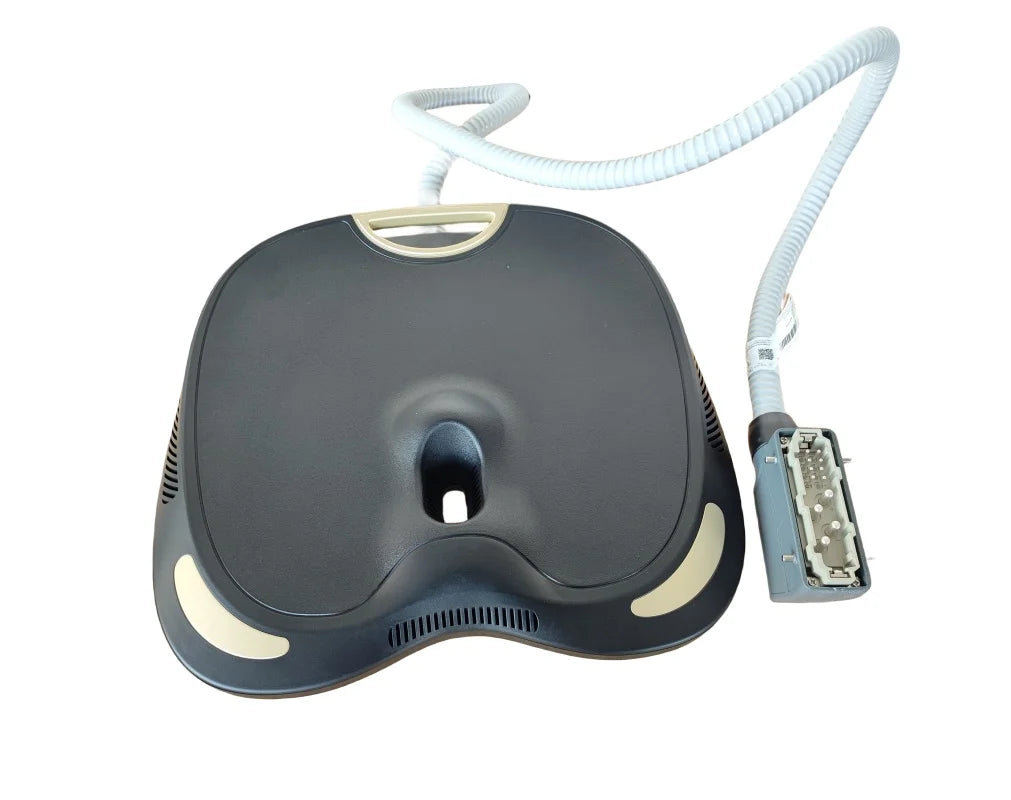
- Multiple applicators can support treatment of different body areas, depending on device design.
- Research has reported measurable changes in muscle thickness and selected contour measurements, although evidence quality varies. :contentReference[oaicite:15]{index=15}
Cons
- It should not be presented as a substitute for weight-loss treatment.
- Results vary by device, protocol, treatment area, and individual response.
- Evidence quality is not uniform across all electromagnetic devices.
- Some published research has important methodological and publication-bias limitations. :contentReference[oaicite:16]{index=16}
- Strong muscle contractions may cause temporary soreness or discomfort.
Noninvasive Body Contouring vs. Weight Loss
Why Body Contouring Is Not a Weight-Loss Treatment
Body contouring is primarily about changing the appearance or shape of a targeted area. Weight loss is a broader physiological change involving overall body mass. The FDA separately regulates devices with weight-loss or weight-management indications and issued updated guidance for devices associated with weight loss in March 2026. :contentReference[oaicite:17]{index=17}
That distinction is especially important for anyone searching for an “EMS body slimming machine.” The word “slimming” can describe a cosmetic positioning concept, but it should not be interpreted as proof that a device produces meaningful overall weight loss.
Who May Benefit Most From Contouring?
Someone who is already focused on healthy lifestyle habits but wants to address a specific cosmetic concern may be evaluating body contouring differently from someone seeking substantial weight reduction. The technology should be selected according to the actual tissue concern, not simply the desire to look slimmer.
The Bottom Line: Choose the Technology That Matches the Goal
There is no universally best noninvasive body contouring technology. Cryolipolysis, radiofrequency, focused ultrasound, light-based systems, cellulite-focused treatments, and electromagnetic muscle stimulation address different targets and operate through different mechanisms.
If your primary concern is a localized fat bulge, investigate technologies specifically indicated for fat reduction. If loose-looking skin is the issue, investigate appropriate skin-tightening technologies. If cellulite is the concern, look for cellulite-specific evidence. And if the goal is stronger-looking muscle definition, electromagnetic muscle stimulation deserves consideration as its own category rather than being treated as another generic fat-reduction method.
For users exploring a muscle-focused home or professional body-sculpting setup, the EMS Body Slimming Machine for Muscle Toning & Body Sculpting offers electromagnetic muscle stimulation, four handles, adjustable operating frequency, and air cooling. Its specifications should still be evaluated against your intended use, safety requirements, and the evidence available for the specific device.
The best purchasing decision is ultimately a goal-first decision: identify the tissue you want to address, verify the exact technology and device indication, assess evidence and safety, understand the treatment schedule, and compare the total cost. That approach is more reliable than choosing a machine based solely on “slimming,” “sculpting,” or high-power marketing language.
Pillar Article: Abdominal Muscle Stimulation: How Devices Work and What to Know













