Are outdoor portable heaters safe?
Outdoor portable heaters are safe when used with proper ventilation, correct placement, and the right heater type for your environment . Propane and gas heaters require strict airflow and fuel safety, while electric models are safer in covered areas with power access. Heaters become dangerous when used in enclosed spaces, placed too close to flammable materials, or operated without supervision. Follow the safety checklist below to reduce risks and stay warm safely.
⏱ 7 min read
Outdoor Portable Heaters: How to Choose and Use Them Safely
Cold nights shouldn’t end great outdoor adventures. Whether you’re winter camping, tailgating, or relaxing outdoors, outdoor portable heaters provide reliable warmth—when used correctly. This guide shows you exactly how to choose, set up, and operate heaters safely in real-world conditions.
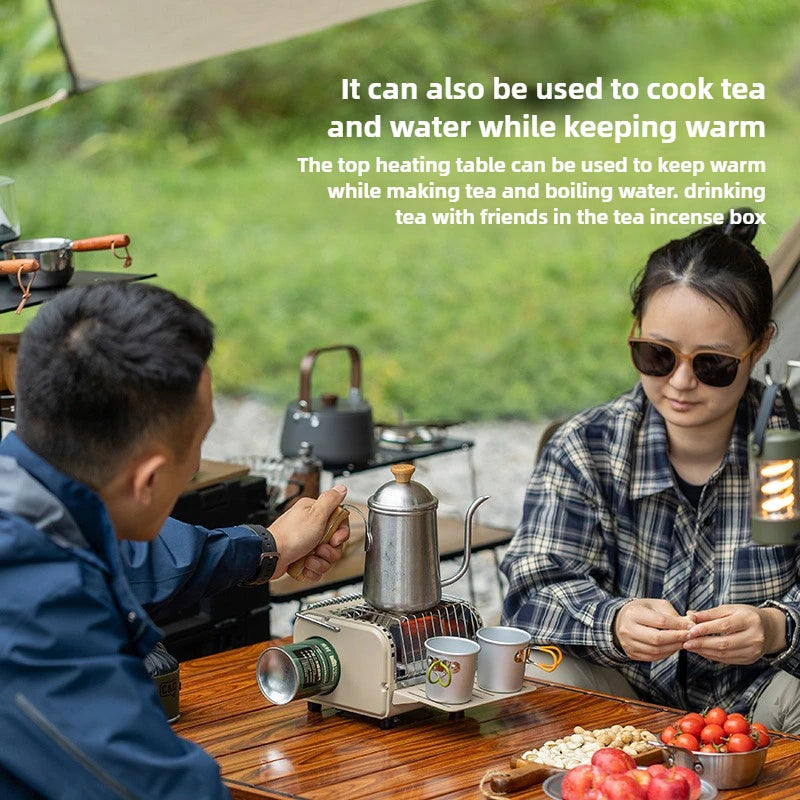
Portable camping heaters delivering instant warmth for cold weather camping — See it in action
How to Choose a Safe Outdoor Heater
Propane vs Electric vs Gas Safety Differences
- Propane heaters: High heat output and portability, but require ventilation and leak checks.
- Electric heaters: No combustion risk, ideal for covered patios, but need dry conditions and power.
- Natural gas heaters: Stable and long-term use, but must be professionally installed.
Safety Features to Look For
- Tip-over shutoff switch
- Flame failure protection
- Overheat protection
- Stable anti-slip base
- UL / CSA certification
Best Heater Types by Environment
- Camping: Portable propane heaters designed for outdoor airflow
- Patios: Electric or propane models with stable bases
- Covered areas: Electric heaters are safest
Weather and Environment Considerations
- Avoid lightweight heaters in strong wind
- Use wind guards when necessary
- Never use non-rated heaters inside tents
A reliable portable camping gas heater balances heat output, safety features, and portability for outdoor use.
Step-by-Step Guide: How to Use Outdoor Heaters Safely
Choosing a Safe Location and Surface
- Flat, stable ground only
- Minimum 3 ft from walls or ceilings
- At least 2 ft from furniture or gear
Safe Fuel Connection and Leak Checks
- Use soap solution to detect leaks
- Check hoses and valves before use
- Never connect damaged tanks
Startup, Monitoring, and Shutdown
- Follow manufacturer ignition steps
- Monitor continuously during use
- Turn off fuel supply before storage
Safe Distance and Clearance Rules
- Maintain safe spacing at all times
- Keep flammable items away
- Never operate under low clearance roofs
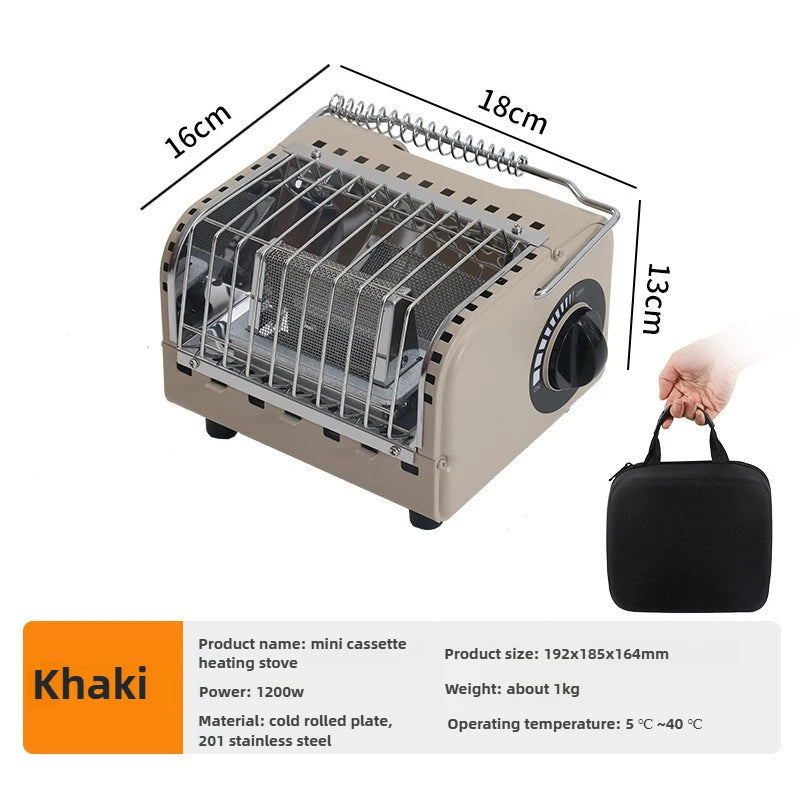
Portable heater placement keeps warmth steady and safe — See it in action
Outdoor Heater Safety Checklist (Quick Reference)
- Before use: Check fuel connections, inspect heater, confirm stable surface
- During use: Maintain clearance, monitor flame, keep children away
- After use: Turn off fuel, allow cooling, store safely
Outdoor Heater Placement and Clearance Rules
Minimum Distance from Flammable Materials
- 3 ft from walls and ceilings
- 2 ft from furniture or gear
Safe Placement on Different Surfaces
- Use non-flammable surfaces like concrete or packed dirt
- Avoid placing on rugs or wooden decks without heat shields
Wind and Stability Considerations
- Use heavier models in windy conditions
- Anchor or shield heaters when needed
Tent and Enclosed Space Warnings
- Only use heaters rated for enclosed or tent use
- Ensure continuous airflow
Carbon Monoxide and Ventilation Safety
Why CO Buildup Happens Outdoors
Carbon monoxide forms when fuel burns without enough oxygen, especially in enclosed or low-airflow areas.
Ventilation Requirements
- Always allow cross ventilation
- Never use propane heaters in sealed spaces
Warning Signs of CO Exposure
- Headache or dizziness
- Nausea
- Confusion
Safe Alternatives for Enclosed Spaces
- Electric heaters
- Battery-powered warming gear
Propane vs Electric vs Gas Heater Safety
Key Risks
- Propane: Leak and fire risk
- Electric: Shock and water exposure risk
- Gas: Line leaks and installation issues
Best Use Cases
- Camping: propane
- Covered patios: electric
- Permanent setups: natural gas
Failure Scenarios and Prevention
- Tip-over → use safety shutoff models
- Fuel leaks → inspect connections
- Overheating → maintain airflow
Fuel Handling and Propane Tank Safety
Safe Transport and Storage
- Store tanks upright outdoors
- Keep away from heat sources
Leak Detection and Prevention
- Use soap solution for testing
- Never ignore gas smell
Refilling and Replacement Tips
- Use certified refill stations
- Replace damaged tanks immediately
Cold Weather Performance
- Keep tanks warm but not heated
- Prevent freezing valves
Storage and Maintenance Guidelines
Routine Inspection Checklist
- Check hoses, valves, and burners
- Inspect electrical cords
Cleaning Burners and Vents
- Remove debris buildup
- Keep airflow clear
Off-Season Storage Tips
- Store in dry, ventilated areas
- Disconnect all fuel sources
When to Replace Parts
- Cracked hoses
- Faulty ignition systems
Child, Pet, and Crowd Safety
Safe Zones and Barriers
- Create a 3 ft safety perimeter
- Use physical barriers if needed
Burn Prevention Tips
- Avoid touching heater surfaces
- Use protective covers
Supervision Best Practices
- Never leave heaters unattended
- Monitor in crowded areas
Common Outdoor Heater Safety Mistakes (And How to Avoid Them)
- Using heaters in enclosed spaces → always ensure ventilation
- Ignoring clearance distances → measure before setup
- Operating in strong winds → avoid or stabilize
- Skipping leak checks → inspect every use
- Leaving heaters unattended → always monitor
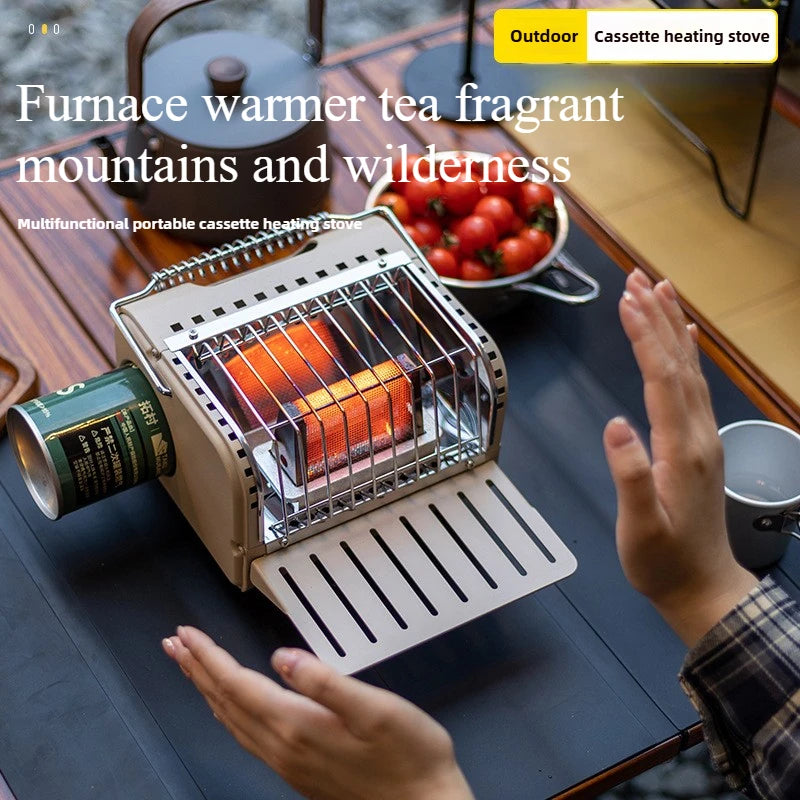
Cold weather camping made comfortable with portable heaters — See it in action
Outdoor Heater Safety FAQ
Can I use a portable heater inside my tent?
Only if the heater is specifically rated for enclosed or tent use and proper ventilation is maintained.
What is the safest outdoor heater type?
Electric heaters are generally safest, followed by propane models with built-in safety features.
How far should a heater be from objects?
At least 3 ft from walls and 2 ft from furniture or flammable materials.
Can outdoor heaters cause carbon monoxide poisoning?
Yes, especially in enclosed or poorly ventilated areas. Always ensure airflow.
Are outdoor heaters safe in windy conditions?
Only if properly stabilized. Avoid using heaters in strong gusts.
How do I check for propane leaks?
Apply a soap-and-water solution to connections—bubbles indicate a leak.
Related Guide: Camping Portable Heater Setup: Stay Warm Safely Step by Step