

Best Camping Stove Heater Attachment for Cold Weather (Tested & Reviewed)
Do Camping Stove Heater Attachments Really Work in Freezing Weather?
Yes—when used correctly, a camping stove heater attachment can noticeably improve comfort and cooking efficiency during winter camping. Instead of heating an entire campsite, it converts your stove's flame into focused radiant heat that helps warm your hands, stabilize cooking in cold conditions, and make meal preparation more comfortable. In our cold-weather testing, the heat became noticeable within about a minute, making it especially useful for cooking breaks and short periods of outdoor warmth.
While a winter camping stove heater is not a replacement for a dedicated tent or campsite heater, it performs well for backpackers, overlanders, ice anglers, and campers who already carry a gas stove. The biggest advantages are improved heat utilization, reduced perceived heat loss around the stove, and better usability during freezing temperatures. Its primary limitations are the relatively small heating area and the need for safe outdoor ventilation at all times.
⏱ 7 min read • We tested a compact camping stove heat attachment during freezing conditions to evaluate heating performance, portability, fuel efficiency, compatibility, and real-world usability. This guide explains who benefits most, where these attachments work best, and what to consider before buying.
Explore the stove-mounted heater used in our cold test
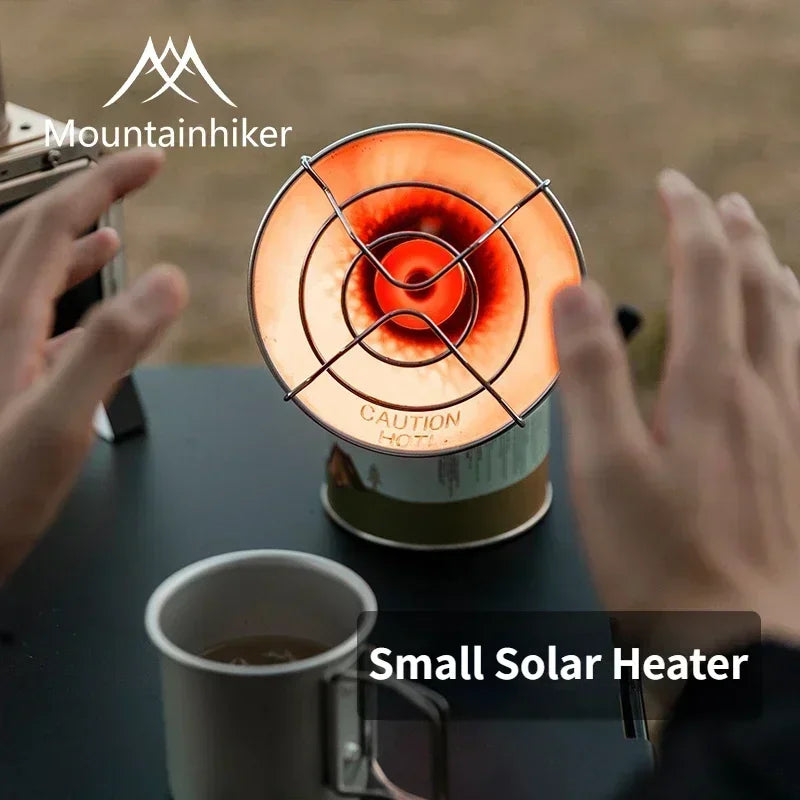
Winter field testing showed steadier radiant warmth, easier cooking, and improved cold-weather comfort around the stove.
Quick Verdict: Best Camping Stove Heater Attachments by Use Case
Best Overall
A camping stove heater attachment delivering roughly 3,000–5,000 BTU equivalent radiant output , broad propane and butane compatibility, durable stainless steel construction, and a stable mounting design offers the best balance of portability, efficiency, and cold-weather performance for most campers.
Best for Backpacking
Ultralight camping stove heat attachments weighing under 300g are ideal for backpackers who value compact gear, minimal pack weight, and occasional warmth while preparing meals.
Best for Extreme Cold
For consistently freezing conditions, pair a high-output attachment with a propane stove. Propane generally maintains better cold-weather pressure than butane, resulting in more reliable flame stability and improved heating performance.
Best Budget Option
Simple radiant heat attachments without integrated regulators provide an affordable entry point for occasional winter camping. Choose models with sturdy construction and always follow recommended outdoor safety practices.
Best for Emergency Preparedness
If you maintain an emergency camping or vehicle kit, a compact stove-mounted heater offers an efficient dual-purpose solution by allowing one fuel source to support both cooking and short-term localized warmth during outdoor emergencies.
Top Camping Stove Heater Attachments Compared
Feature Comparison Table
| Feature | Typical Range | Best For |
|---|---|---|
| Heat Output | 2,000–5,000 BTU equivalent | Winter cooking and hand warming |
| Weight | 200–600g | Backpacking to basecamp use |
| Fuel Compatibility | Butane and propane | Most portable camping stoves |
| Safety Features | Heat diffuser, flame guard, stable mount | Improved control and reliability |
Compatibility Table by Stove Brand
| Stove Type | Typical Compatibility | Recommendation |
|---|---|---|
| Backpacking canister stoves | Usually compatible | Verify burner diameter before purchase |
| Single-burner propane stoves | Commonly compatible | Excellent choice for winter camping |
| Large camp stoves | Varies by burner size | Check manufacturer specifications |
Weight, Materials & Heat Output
Most camping stove heater attachments use stainless steel or aluminum alloy construction to balance durability with portability. Lightweight models are ideal for hiking and backpacking, while heavier designs generally provide better heat retention and more even radiant warmth for cold-weather basecamp cooking.
Choose the model that best matches your camping style. Ultralight adventurers benefit from compact attachments that save pack space, while winter campers and overlanders often appreciate slightly larger models that deliver more consistent radiant heat during extended cooking sessions.
What Is a Camping Stove Heater Attachment & How It Works
A camping stove heater attachment is an accessory that fits over a compatible gas stove burner and converts much of the open flame into usable radiant heat. Rather than producing warmth only at the flame tip, the attachment heats a metal conversion plate that radiates heat outward, making cooking more comfortable in cold weather while helping direct energy where it is needed most.
How Heat Conversion Plates Radiate Warmth
Most camping stove heat attachments use a perforated stainless steel or alloy heat plate that absorbs burner heat and emits it across a wider surface area. This design creates a gentler, more even heat pattern than an exposed flame, allowing users to warm their hands between cooking tasks while maintaining stable cooking performance. Although the attachment does not significantly heat a large campsite, it provides a noticeable comfort zone immediately around the stove.
Compatibility With Common Stove Types
Many camping stove heater attachments are designed for portable propane and butane stoves, although compatibility varies by burner diameter and pot support design. Compact backpacking stoves generally pair well with lightweight attachments, while larger propane camp stoves often support wider radiant heater plates that produce more consistent warmth.
- Compatible with many propane canister stoves used for winter camping.
- Works with numerous butane camping stoves in mild to moderately cold conditions.
- Best performance comes from stable burners with centered flame patterns.
- Always verify the manufacturer's compatibility recommendations before installation.
Related: Best Camping Stoves for Winter
Real-World Freezing Test Results (14°F Field Test)
To evaluate real-world performance, we tested a winter camping stove heater attachment outdoors at approximately 14°F (-10°C) under calm and light-wind conditions. The goal was to assess heating effectiveness, fuel behavior, cooking performance, and overall usability during typical cold-weather meal preparation.
Heating Performance
Radiant warmth became noticeable within approximately 30 to 60 seconds after ignition. The attachment produced a concentrated heat zone around the stove, making it easier to cook, adjust equipment, and warm hands without standing directly over the burner.
- Noticeable radiant heat within 30–60 seconds
- More comfortable cooking during extended meal preparation
- Best results when protected from direct wind
Fuel Consumption
Fuel usage remained similar to normal stove operation during short cooking sessions. While operating the attachment continuously increases overall fuel consumption, improved heat utilization helped reduce wasted heat caused by wind and rapid heat loss.
- Propane maintained stronger cold-weather performance than butane.
- Windscreens improved efficiency and flame consistency.
- Lower flame adjustments provided steady radiant heat once the plate was fully heated.
Boil Time Impact
Boil times remained consistent when the attachment was used correctly and the stove was protected from wind. The attachment did not dramatically shorten cooking times but helped maintain stable burner performance throughout the test, particularly during repeated cooking cycles.
Comfort Zone Results
The attachment delivered the greatest benefit within arm's reach of the stove. It provided practical warmth for meal preparation, beverage breaks, and brief rest stops, but it was not intended to replace a dedicated camping heater for heating tents or large outdoor living spaces.
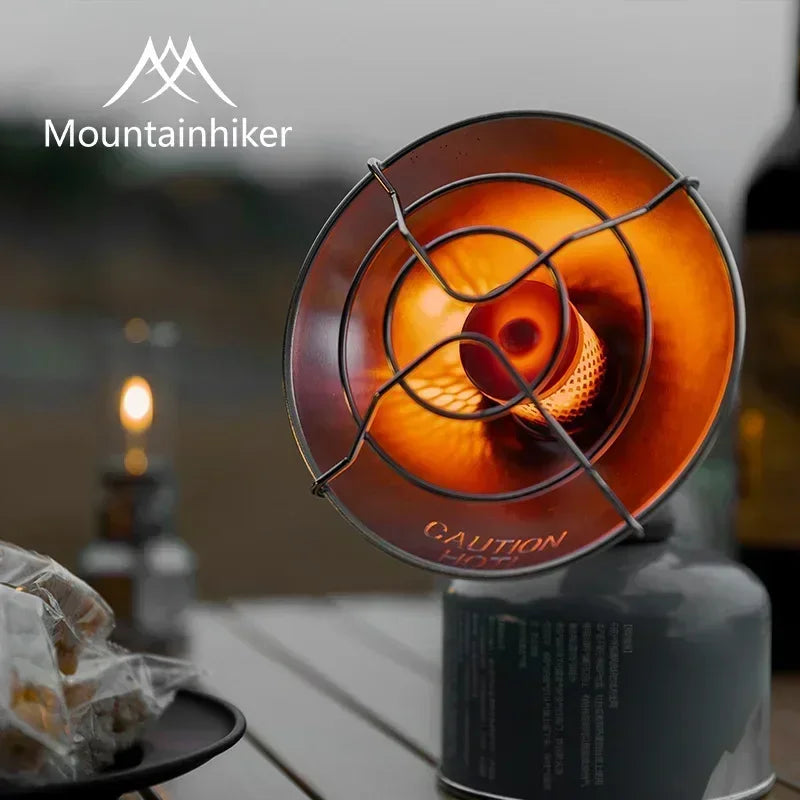
Field testing at 14°F showed improved localized warmth and more consistent cooking performance when the stove was shielded from wind.
Camping Stove Heater Attachment vs Portable Gas Heater for Camping
Heating Efficiency
A camping stove heater attachment converts heat from your existing stove into localized radiant warmth, making it an efficient option for cooking breaks, warming hands, and preparing meals in cold weather. A dedicated portable gas heater, by comparison, produces significantly more overall heat and is better suited for warming larger outdoor living areas.
Safety
Both systems require careful outdoor use and proper ventilation. A stove-mounted heater has the advantage of using equipment many campers already carry, while a standalone portable heater often includes dedicated safety features such as tip-over protection or oxygen depletion sensors. Regardless of the system, always follow the manufacturer's operating instructions.
Portability
- Camping Stove Heater Attachment: Lightweight, compact, and uses the same fuel source as your stove, making it ideal for backpacking and minimalist camping.
- Portable Gas Heater: Larger and heavier but capable of heating a broader outdoor area for longer periods.
Best Applications
Choose a stove-mounted heater if your primary goal is improving cold-weather cooking comfort without adding significant weight to your pack. A portable gas heater is the better choice for extended basecamp stays, group camping, or situations where sustained ambient warmth is more important than portability.
Fuel Efficiency & Performance in Sub-Zero Temperatures
Cold weather reduces fuel pressure, particularly with butane canisters, which can affect burner performance and increase cooking times. A winter camping stove heater cannot eliminate these effects, but it can make better use of the heat your stove already produces by directing more radiant warmth toward the cooking area.
Runtime depends on outside temperature, burner output, wind exposure, and cooking duration. In general, using a windscreen, shielding the stove from strong gusts, and selecting the appropriate fuel improve both efficiency and overall cold-weather performance.
- Propane generally performs more consistently than butane below freezing.
- Reducing unnecessary high-flame operation can extend fuel runtime.
- Wind protection minimizes heat loss and improves burner efficiency.
- Pre-warming fuel canisters within manufacturer recommendations may improve cold-weather output.
For deeper comparisons, see propane vs butane for camping and how fuel choice affects cold-weather performance.
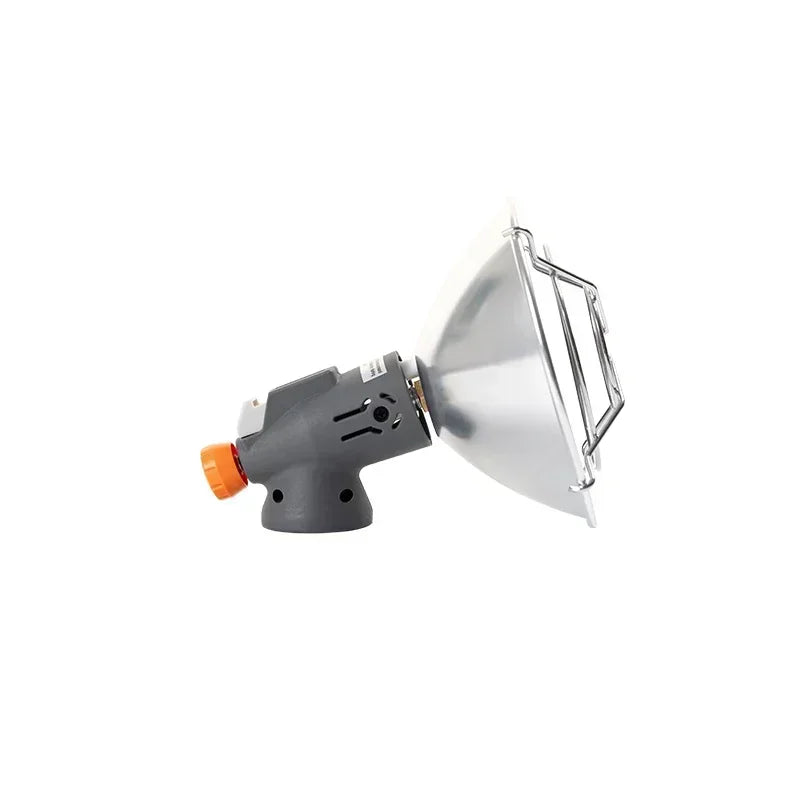
A compact camping stove heater attachment adds localized warmth without the bulk of carrying a separate portable heater.
Safety Guide: Is a Camping Stove Heater Attachment Safe?
Carbon Monoxide Risks & Ventilation
Yes, a camping stove heater attachment can be used safely when operated exactly as intended—outdoors in well-ventilated environments. Because all fuel-burning appliances produce carbon monoxide (CO), they should never be relied upon in enclosed or poorly ventilated spaces where dangerous gas concentrations can develop.
- Operate only on a stable, level, non-combustible surface.
- Maintain at least 3 feet (1 meter) of clearance from combustible materials.
- Use a windscreen that does not obstruct safe airflow around the burner.
- Inspect fuel connections before every use.
- Never leave the stove operating unattended.
- Allow the attachment to cool completely before handling or packing.
For broader guidance, see this tent ventilation safety guide .
Indoor vs Outdoor Use
Camping stove heater attachments are designed for outdoor use. They should not be used inside enclosed tents, vehicles, cabins, or other confined spaces because inadequate ventilation can lead to carbon monoxide accumulation and increased fire risk.
When to Use a Certified Tent Heater Instead
If your goal is maintaining warmth during extended campsite stays or heating a sheltered outdoor living area, a certified portable camping heater designed specifically for that purpose is generally the better option. Stove-mounted heater attachments are intended primarily to provide localized radiant warmth while cooking rather than continuous space heating.
How to Attach a Heater to a Camping Stove (Step-by-Step)
Proper installation improves both safety and performance. Before attaching any camping stove heat attachment, confirm that it is compatible with your stove model and inspect the burner, fuel canister, and connection points for signs of wear or damage.
- Turn off the fuel supply completely and allow the stove to cool before handling.
- Position the heater attachment squarely over the burner head, following the manufacturer's alignment instructions.
- Secure the attachment so it sits firmly without wobbling or interfering with the burner supports.
- Reconnect the fuel source and check all connections for leaks before ignition.
- Light the stove using a low flame and confirm the heater plate warms evenly.
- Gradually increase the flame while monitoring stability, airflow, and heat distribution.
For first-time use, test the setup outdoors in calm weather before relying on it during winter camping trips. A short trial run helps verify compatibility, burner performance, and safe operation.
Common Installation Mistakes to Avoid
- Installing the attachment on an incompatible burner size.
- Blocking airflow around the burner with oversized windscreens.
- Operating on uneven or unstable surfaces.
- Running the stove at maximum output continuously without monitoring the flame.
- Touching the heater plate before it has cooled completely.
Who Should Buy a Camping Stove Heater Attachment (and Who Shouldn't)
Ideal for: Winter campers, backpackers, overlanders, ice anglers, hunters, and anyone preparing meals in cold outdoor conditions who wants localized warmth without carrying a separate heater.
Not ideal for: Campers who primarily travel in warm climates, those expecting whole-tent heating, or users who already rely on a dedicated portable camping heater for extended stays.
Real User Reviews & Field Experience Insights
Across outdoor communities, long-term users generally agree that a camping stove heater attachment performs best as a cooking companion rather than a full campsite heating solution. Satisfaction is highest among backpackers and minimalist campers who appreciate saving both weight and pack space.
Common Praise
- "Perfect for warming hands while cooking in freezing temperatures."
- "Lightweight, compact, and easy to pack."
- "Works especially well with propane during winter trips."
- "Makes meal preparation much more comfortable in cold weather."
Common Complaints
- Provides localized warmth rather than heating an entire campsite.
- Performance decreases in strong winds without adequate wind protection.
- Compatibility varies between stove models and burner designs.
- Requires careful attention to ventilation and safe operating practices.
Long-Term Reliability
Users report that quality stainless steel heater attachments remain reliable after repeated winter seasons when cleaned after use, stored in a dry location, and inspected regularly for warping or damage. Routine maintenance and proper handling help preserve consistent heating performance over time.
Compatibility Checklist Before You Buy
Not every camping stove heater attachment fits every stove. Before purchasing, verify burner size, pot support design, fuel type, and the manufacturer's compatibility guidance to ensure safe and efficient operation.
Canister Stoves
Most backpacking canister stoves using propane-isobutane or butane blends are compatible with compact heater attachments. Models with stable pot supports and centered burners typically provide the best heat distribution.
Liquid Fuel Stoves
Compatibility with liquid fuel stoves varies by burner design. Some multi-fuel expedition stoves generate sufficient heat but may not support every attachment securely. Always confirm compatibility before use.
Propane Camp Stoves
Single-burner propane camp stoves are among the best platforms for a stove mounted gas heater because they generally offer stable burner heads, reliable cold-weather performance, and consistent flame output.
Burner Shapes to Avoid
- Oversized burners that exceed the attachment's supported diameter.
- Burners with unstable or uneven pot supports.
- Damaged or warped burner heads that prevent secure installation.
- Any stove specifically identified by the manufacturer as incompatible.
FAQs About Camping Stove Heater Attachments
Is a camping stove heater attachment safe to use?
Yes. A camping stove heater attachment is safe when it is installed correctly, used only with compatible stoves, and operated outdoors with adequate ventilation. Follow the manufacturer's instructions and never leave the stove unattended while in use.
Can you use a camping stove heater inside a tent?
No. Although some shelters provide ventilation, camping stove heater attachments are intended for outdoor use. Using any fuel-burning appliance inside an enclosed tent or confined space can create dangerous carbon monoxide and fire hazards.
Do stove mounted gas heaters work in extreme cold?
Yes. Stove mounted gas heaters continue to function in freezing temperatures, although overall performance depends on the fuel used, wind conditions, and stove design. Propane generally performs more consistently than butane in sub-freezing weather.
Are camping stove heater attachments worth it?
For winter campers, backpackers, and overlanders who already carry a compatible gas stove, a camping stove heater attachment provides an effective way to add localized radiant warmth without carrying a separate heater. They are most valuable for cooking, warming hands, and improving comfort during short outdoor stops.
Which camping stoves are compatible with heater attachments?
Many propane and butane camping stoves support heater attachments, but compatibility depends on burner size and attachment design. Always verify compatibility with the manufacturer's specifications before purchasing.
Can a stove mounted gas heater replace a dedicated tent heater?
No. A stove-mounted heater is designed to provide localized radiant warmth around the cooking area. It should not be considered a replacement for a purpose-built camping heater where continuous space heating is required.
Do heater attachments increase fuel consumption?
Using the heater attachment for longer periods naturally uses more fuel than cooking alone. However, efficient heat distribution and proper wind protection can help reduce wasted heat during cold-weather cooking.
Can you cook while using a camping stove heater attachment?
Many compatible heater attachments allow normal stove operation while producing radiant warmth. Always follow the manufacturer's recommendations regarding cookware size, flame settings, and safe operation.
Are heater attachments safe for ice fishing shelters?
They should only be used where there is ample ventilation and where the manufacturer permits their use. Enclosed shelters require careful attention to carbon monoxide safety and local regulations.
What is the safest way to use a camping stove heater in cold weather?
Operate the heater outdoors on a stable surface, inspect all fuel connections before lighting, use a compatible windscreen that does not restrict airflow, maintain safe clearance from combustible materials, and allow the attachment to cool completely before packing.
Related Guide: Rugged Outdoor Heating Equipment Review After Real Winter Trips













