Does Overheat Protection in Car Appliances Really Prevent Accidents?
An overheat protection car appliance significantly reduces accident risk—but it does not eliminate it entirely. These devices use built-in safety systems like thermostats, thermal fuses, and automatic shut-off to stop dangerous heat buildup before it leads to fire, wiring damage, or device failure.
In real-world use, this means safer operation during long drives, reduced risk of melting components, and better control over unstable 12V or 24V power systems. However, safety still depends on correct usage, proper ventilation, and choosing high-quality devices. Overheat protection is a critical safeguard—not a replacement for safe habits.
⏱ 7 min read
Overheat Protection Car Appliance: How It Prevents Accidents
Ever worried about plugging a heating device into your car and wondering if it’s truly safe? Hidden heat buildup, unstable power, and rushed routines create real risks. The good news: an overheat protection car appliance is designed to quietly monitor temperature and shut things down before accidents happen—giving you peace of mind on every drive.
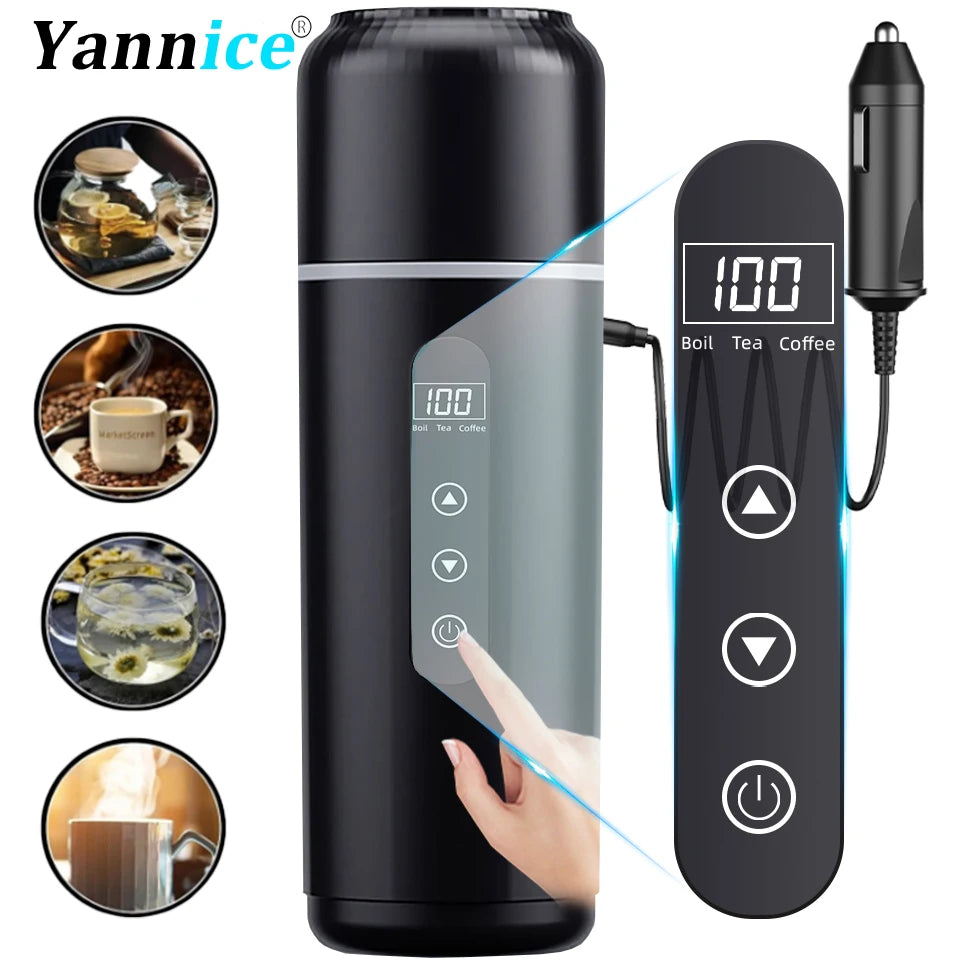
Overheat protection car appliance with electric kettle safety features — See it in action
What Is an Overheat Protection Car Appliance?
An overheat protection car appliance is a 12V or 24V device designed to automatically shut off or regulate heat when internal temperatures exceed safe limits. These appliances include car kettles, portable heaters, and heated lunch boxes commonly used during travel.
Unlike basic devices, models with built-in overheat protection mechanisms actively monitor temperature using sensors and safety components. When heat rises too high due to low water levels, blocked airflow, or extended use, the system cuts power instantly to prevent damage or fire risk.
This appliance auto shut off feature is essential for preventing appliance overheating, especially in confined vehicle environments where heat builds up quickly.
Quick check: Have you ever touched a car charger that felt too hot to unplug comfortably?
How Overheat Protection Works in Car Appliances
Overheat Protection Thermostat
Most devices rely on an overheat protection thermostat that continuously measures internal temperature. When a preset limit is reached, it interrupts the circuit to stop further heating instantly.
Electric Kettle Auto Shut-Off Systems
In car kettles, the electric kettle auto shut off feature activates when water reaches boiling point or when the kettle runs dry. This prevents internal damage and reduces fire risk.
Thermal Fuses and Circuit Cutoffs
Thermal fuses act as a backup layer. If temperatures exceed safe levels beyond normal control, they permanently disconnect power, protecting both the device and your vehicle.
Smart Sensors and Power Regulation
More advanced models include smart sensors that detect voltage fluctuations, airflow issues, and abnormal heating patterns. These systems adjust power output or shut down the device before overheating escalates.
Why Car Appliances Overheat in Real Life
- Extended use during long drives: Continuous operation builds internal heat.
- Poor ventilation: Enclosed cabins trap heat around devices.
- Voltage instability: 12V/24V systems can fluctuate under load.
- Dry operation: Common in kettles when water runs out.
- Low-quality components: Cheap wiring and materials overheat faster.
What Happens Without Overheat Protection?
Fire Hazards
Without an appliance auto shut off feature, excessive heat can melt components and cause smoke or fire.
Battery Drain and Wiring Damage
Overheating devices draw unstable current, damaging vehicle wiring and draining the battery.
Appliance Failure
Heat stress shortens lifespan and leads to sudden breakdowns.
Common Car Appliances That Need Overheat Protection
Car Electric Kettles
High heat and liquid use make kettles one of the most risk-prone devices without boil-dry protection.
Portable Car Heaters
Continuous heat output can quickly overheat small spaces if not properly regulated.
Car Refrigerators and Coolers
Compressors can overheat during long operation cycles, especially in hot climates.
Air Compressors and Inflators
These devices generate heat rapidly during tire inflation and require thermal cutoff protection.
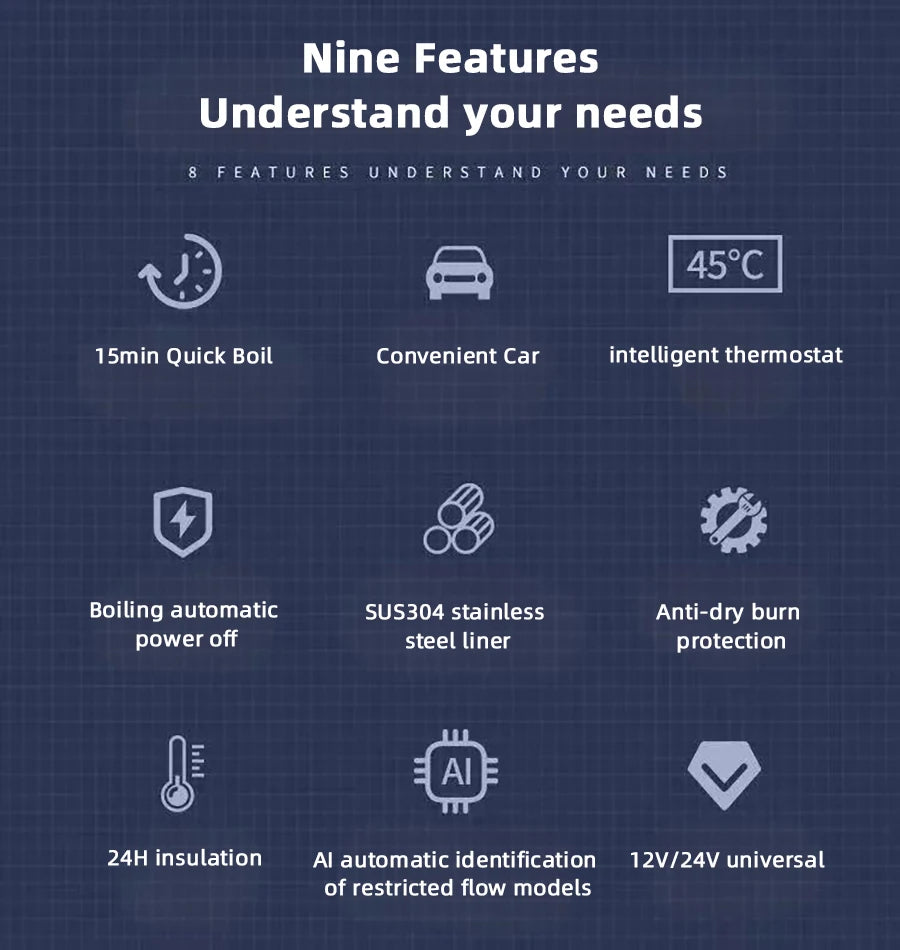
Electric kettle auto shut off in action — safer heating on the road
Electric Kettle Safety Features That Matter Most
| Feature | Why It Matters |
|---|---|
| Electric kettle auto shut off | Prevents boiling dry and overheating |
| Overheat protection thermostat | Continuously monitors temperature |
| Insulated housing | Reduces external heat exposure |
| Stable power regulation | Handles voltage fluctuations safely |
| Dry-boil protection | Stops heating without liquid |
Buying Checklist: Safe Car Appliances With Overheat Protection
Must-Have Safety Features
- ✔ Overheat protection thermostat
- ✔ Automatic shut-off or boil-dry protection
- ✔ Thermal fuse backup system
Compatibility With Vehicle Power
- ✔ Match 12V or 24V system
- ✔ Stable plug connection
Certifications and Build Quality
- ✔ Certified electrical components
- ✔ Heat-resistant materials
Red Flags to Avoid
- ✖ No mention of safety features
- ✖ Extremely low-cost devices
- ✖ Poor user reviews about overheating
How to Use Car Appliances Safely
Safe Usage Habits
- Use devices only as intended
- Avoid continuous operation beyond limits
Placement and Ventilation
- Place on flat, heat-resistant surfaces
- Keep airflow around the device
Monitoring During Operation
- Check for unusual heat or smell
- Let auto shut-off systems function properly
When to Stop Using a Device
- If overheating occurs repeatedly
- If power fluctuations are noticeable
Protected vs Non-Protected Car Appliances
| Aspect | With Overheat Protection | Without Protection |
|---|---|---|
| Fire risk | Low | High |
| User attention | Minimal | Constant monitoring |
| Device lifespan | Longer | Shortened |
| Efficiency | Optimized | Energy waste |
| Cost vs risk | Higher upfront, safer | Lower upfront, higher long-term risk |
Warning Signs Your Car Appliance Is Overheating
- Excessive heat: Device feels too hot to touch
- Burning smell: Indicates internal component stress
- Strange noises: Buzzing or crackling sounds
- Performance drops: Slower heating or inconsistent output
- Power fluctuations: Device turning on/off unexpectedly
What to do immediately: Unplug the device, allow it to cool, and avoid reuse until inspected.
Frequently Asked Questions
Can I leave a car kettle plugged in?
Even with electric kettle auto shut off, unplugging after use is recommended for maximum safety.
Does overheat protection affect performance?
No. It improves efficiency and extends lifespan by maintaining safe operating temperatures.
Are these appliances safe for daily use?
Yes, when used correctly and equipped with proper safety features.
Do all car appliances have overheat protection?
No. Always check specifications before buying.
What voltage should I choose: 12V or 24V?
Use 12V for cars and 24V for trucks. Matching voltage ensures safe operation.
Can overheating damage my car battery?
Yes. Overheating devices can draw excessive current, stressing the battery and wiring.
What safety features should I look for in car appliances?
Look for auto shut-off, thermal fuses, stable power regulation, and certified components.
Related Guide: How Heat Water Car Safely Step by Step
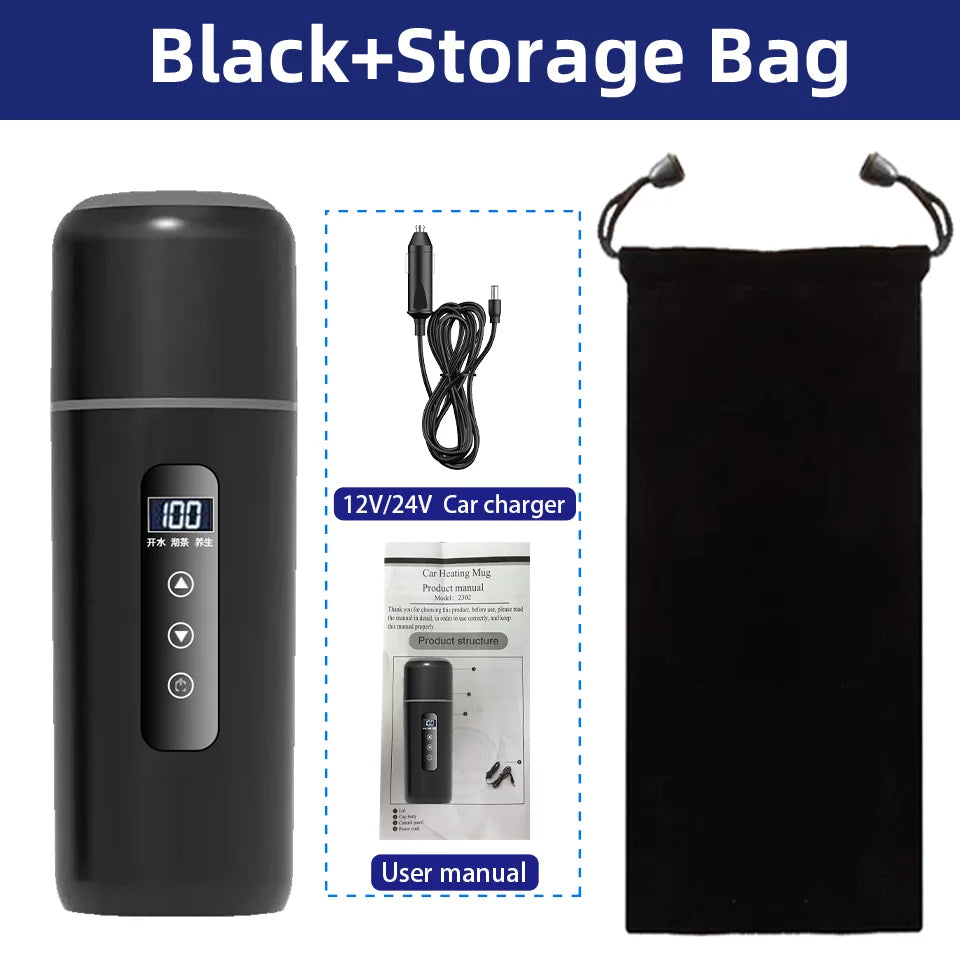
Overheat protection thermostat keeps every drive safer — See it in action