

Does passive movement therapy really work?
Passive movement therapy gently moves joints and muscles without patient effort, helping restore mobility, reduce stiffness, and improve circulation during recovery. By using physical therapy passive range of motion tools like therapy gloves and robotic glove systems, users often regain flexibility faster and experience less discomfort compared to manual stretching alone.
Passive Movement Therapy Device Review (Best Devices for Faster Recovery in 2026)
Passive movement therapy can support recovery for people with limited mobility by moving joints without strain, making it ideal for early rehabilitation and daily support. In this expert review, we explore how passive range of motion devices, smart therapy gloves, and robotic systems help improve mobility, reduce stiffness, and support consistent progress.
⏱ 6 min read
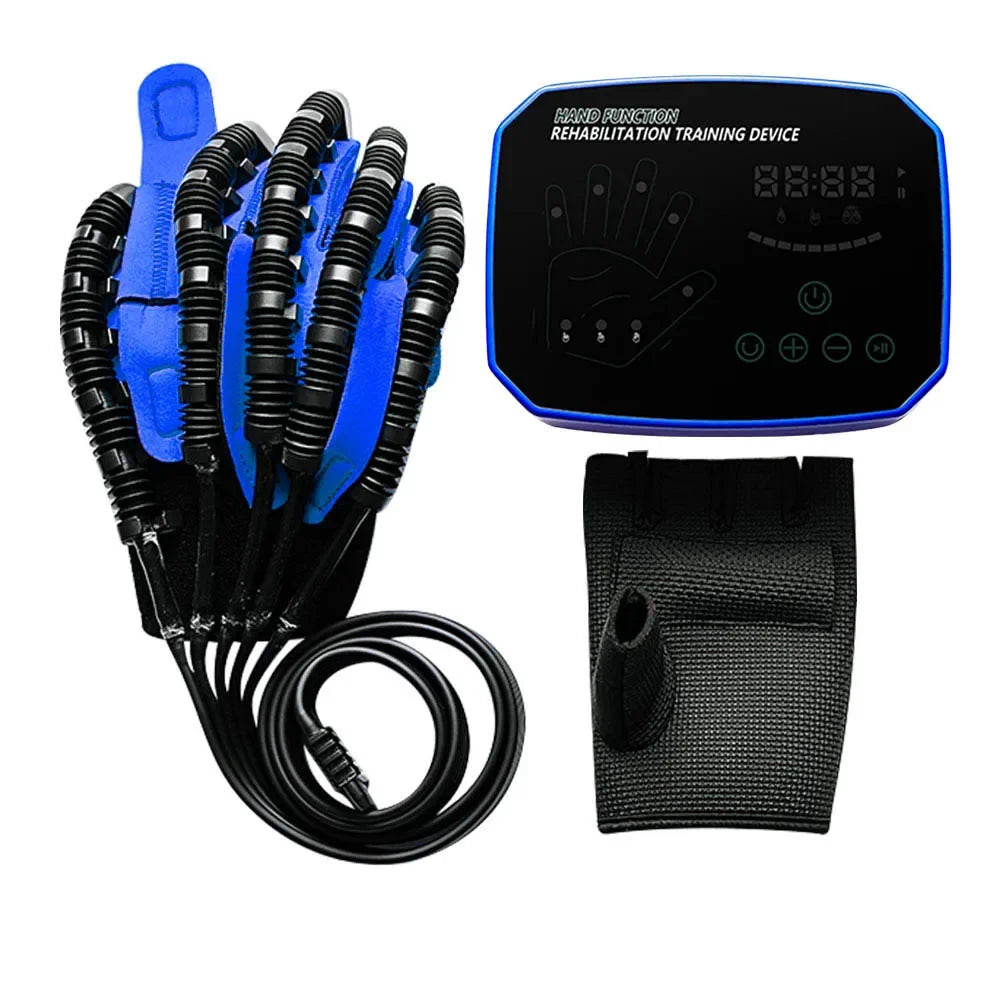
Passive movement therapy in action — gentle motion, structured recovery
Struggling with stiff hands or slow progress after injury or stroke? Consistent passive therapy may help maintain mobility and support recovery.
What Is a Passive Movement Therapy Device?
A passive movement therapy device is a rehabilitation tool that moves joints or limbs without requiring active muscle effort. These devices are widely used in stroke recovery, post-surgical rehab, and neurological conditions where voluntary movement is limited.
How passive movement therapy works
- Motorized systems guide joints through controlled motion ranges
- Repetition stimulates circulation and neural pathways
- Prevents stiffness and joint contracture
- Supports muscle memory during early recovery stages
Passive vs active-assisted vs active therapy
- Passive therapy: Device performs all movement
- Active-assisted: Device supports partial patient effort
- Active therapy: Patient performs movement independently
Understanding these differences helps match the right therapy stage to your recovery progress.
Is Passive Movement Therapy Effective? What the Evidence Says
Clinical benefits
- Maintains joint flexibility during immobilization
- Improves blood circulation and tissue healing
- Supports early neurological rehabilitation
- Reduces risk of long-term stiffness
Limitations and realistic expectations
Passive therapy is most effective when combined with active rehabilitation. It does not build strength alone but prepares the body for active movement. Results depend on consistency, condition severity, and overall therapy plan.
Benefits of Passive Movement Therapy Devices
Improving joint mobility
Devices maintain and gradually increase joint range of motion, especially during early recovery when movement is limited.
Reducing stiffness and maintaining range of motion
Continuous gentle motion prevents joints from becoming rigid or locked, which is common after injury or surgery.
Supporting neurological rehabilitation
Repetitive motion may help retrain brain-to-muscle connections, especially in stroke and nerve-related conditions.
Types of Passive Movement Therapy Devices
Robotic therapy glove
Wearable devices designed to assist finger and hand movement. Ideal for stroke recovery and hand paralysis.
Passive exercise machine for hands
Simple devices that move fingers and hands to maintain flexibility and circulation.
Continuous passive motion (CPM) machine
Used for knees and joints post-surgery to restore movement safely and prevent stiffness.
Pedal and limb rehabilitation devices
Designed for arms and legs to improve circulation and maintain joint mobility in larger limbs.
Best Passive Movement Therapy Devices Compared
Comparison by condition
- Stroke: Robotic therapy gloves
- Post-surgery: CPM machines
- General mobility: Passive exercise machines
Comparison by budget
- Low budget: Basic passive hand devices
- Mid-range: Motorized hand exercisers
- Premium: Robotic therapy gloves
One standout option is the rehabilitation robotic glove, which provides programmable motion and consistent therapy cycles for home use.
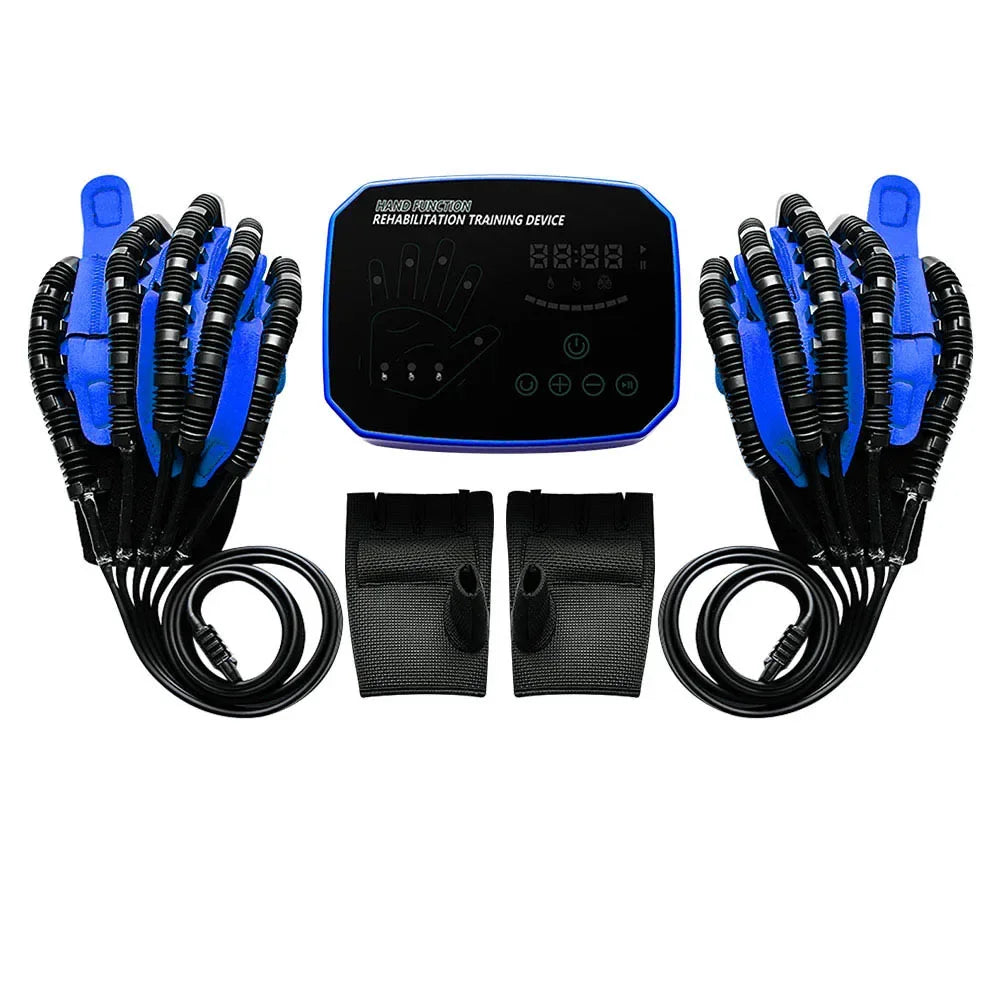
Robotic glove delivering controlled passive movement therapy
Passive Movement Therapy Device Comparison Table
| Device Type | Best For | Key Benefits | Home Use |
|---|---|---|---|
| Robotic Therapy Glove | Stroke, hand paralysis | Precision movement, programmable therapy | Yes |
| CPM Machine | Knee, joint surgery | Restores joint motion | Limited |
| Passive Hand Device | Early rehab | Maintains flexibility | Yes |
| Pedal Device | Leg/arm circulation | Improves blood flow | Yes |
How to Choose the Right Passive Movement Therapy Device
Home vs clinical use
Home devices are compact and user-friendly, while clinical systems offer advanced customization under supervision.
Prescription and insurance considerations
Some devices like CPM machines may require a prescription or may be partially covered depending on your provider.
Key features to compare
- Adjustable range of motion
- Speed and intensity control
- Safety shut-off
- Ease of use
Rent vs buy
- Rent for short-term recovery
- Buy for long-term rehabilitation needs
Who Benefits Most From Passive Movement Therapy?
Stroke recovery
Helps restore hand function and prevent stiffness during early stages.
Parkinson's disease and neurological disorders
Supports consistent movement and reduces rigidity.
Spinal cord injury
Maintains joint health and circulation.
Postoperative rehabilitation
Ensures safe joint movement after surgery.
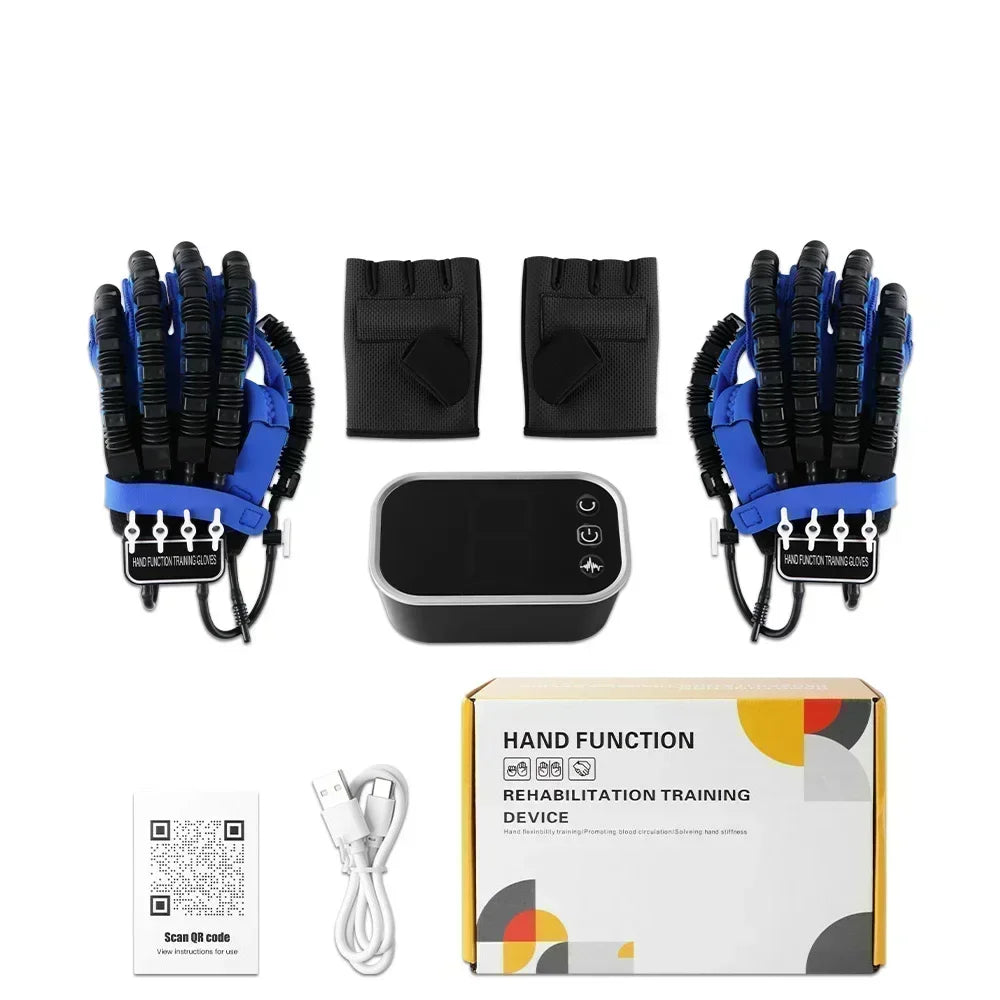
Comfortable therapy gloves supporting daily recovery routines
Safety, Contraindications, and When to Consult a Therapist
Who should avoid passive movement devices
- Severe joint instability
- Acute inflammation or infection
- Unhealed fractures
Safe home use guidelines
- Start with low intensity
- Stop if pain occurs
- Follow medical advice
- Use consistent daily sessions
How to Use and Maintain Passive Movement Therapy Devices
Daily therapy routine
- Wear or position the device correctly
- Select appropriate program
- Use for 15–30 minutes daily
- Gradually increase intensity
Cleaning and maintenance
- Clean surfaces after use
- Charge devices regularly
- Store in a dry, safe place
Common Mistakes to Avoid
- Using high intensity too soon
- Skipping sessions
- Ignoring discomfort
- Replacing professional therapy entirely
Frequently Asked Questions
What is a passive movement therapy device?
A device that moves joints without requiring muscle effort to support recovery and maintain mobility.
How does passive movement therapy work?
It uses controlled motion to improve circulation, prevent stiffness, and stimulate neural pathways.
Is passive movement therapy effective for stroke recovery?
Yes, especially in early stages when active movement is limited.
What is the difference between passive and active therapy?
Passive therapy requires no effort, while active therapy involves voluntary movement.
Who should use a passive range of motion device?
Patients with limited mobility due to injury, surgery, or neurological conditions.
Can I use a passive movement therapy device at home?
Yes, many devices are designed specifically for home use.
Do I need a prescription for a passive therapy device?
Some advanced devices may require one, depending on your region and condition.
How long should I use a passive movement therapy device each day?
Typically 15–60 minutes per session based on medical advice.
Are robotic therapy gloves worth buying?
They offer consistent, programmable therapy and are ideal for long-term hand rehabilitation.
How do I choose the best passive movement therapy device?
Consider your condition, budget, features, and whether you need home or clinical support.
Related Guide: Hand Rehab Equipment Review: Real Results













