

Passive Range of Motion Exercises: Complete Guide for Safe At-Home Rehabilitation
What Are Passive Range of Motion Exercises (PROM)?
Passive range of motion exercises (PROM) are gentle movements applied to a joint by an external force—such as a caregiver, physical therapist, or the opposite limb—without the patient actively contracting the muscles around that joint. These movements help maintain joint flexibility, preserve normal movement patterns, and reduce stiffness when active movement is temporarily limited or not possible.
Passive range of motion exercises are widely used in passive range of motion physical therapy after surgery, during stroke rehabilitation, following injury, or for people with prolonged bed rest or neurological conditions that affect movement.
Passive vs Active Range of Motion: Key Differences
The main difference between passive vs active range of motion is who performs the movement.
- Passive range of motion (PROM): A caregiver, therapist, or external force moves the joint while the muscles remain relaxed.
- Active range of motion (AROM): The individual moves the joint using their own muscle strength.
PROM helps preserve joint mobility when muscles cannot safely generate movement, while active exercises focus on rebuilding strength, coordination, and functional independence.
Passive vs Active-Assisted Range of Motion
Between passive and active movement is active-assisted range of motion (AAROM). During active-assisted exercises, the patient begins moving the joint independently but receives assistance from a therapist, caregiver, exercise strap, or the opposite arm or leg to complete the movement.
Many rehabilitation programs gradually progress from passive to active-assisted and eventually to fully active exercises as healing, muscle control, and strength improve. The exact timing depends on the individual's condition and should follow guidance from their healthcare provider.
When PROM Is Used in Physical Therapy
PROM is commonly recommended during the early stages of rehabilitation when active movement could be painful, unsafe, or impossible. Typical situations include:
- Recovery after orthopedic surgery
- Stroke rehabilitation
- Neurological disorders affecting movement
- Long periods of immobility or bed rest
- Joint injuries requiring temporary protection
Struggling to open jars, button shirts, or fully straighten your fingers? Passive range of motion exercises can gently restore movement, reduce stiffness, and help protect joint health without forcing painful effort. This guide explains how PROM works, who benefits most, and how to perform safe at-home exercises with confidence.
⏱ 8 min read
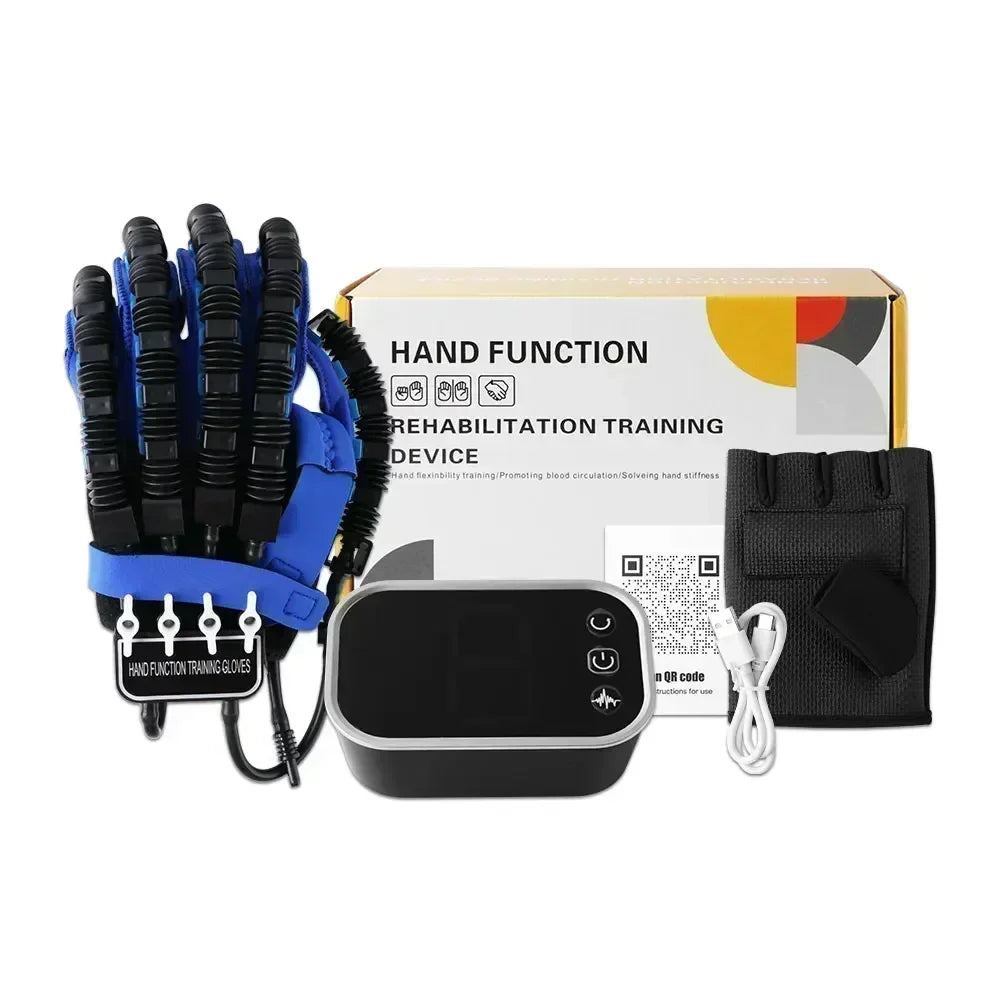
Passive range of motion exercise supported by guided movement • See it in action
Benefits of Passive Range of Motion Exercises for Recovery and Mobility
How PROM Supports Joint Health
The primary goal of passive range of motion exercises is to maintain healthy joint movement when active exercise is temporarily limited. While PROM does not strengthen muscles directly, it helps preserve the mobility needed for later rehabilitation.
- Helps prevent joint stiffness: Regular movement reduces the likelihood of developing tight, restricted joints.
- Maintains muscle and soft tissue length: Gentle stretching helps reduce shortening of muscles and connective tissue.
- Supports healthy circulation: Controlled movement encourages blood flow that nourishes muscles and surrounding tissues.
- Promotes comfortable movement: Consistent, pain-free motion may reduce feelings of stiffness associated with inactivity.
Benefits During Rehabilitation and Recovery
Passive range of motion physical therapy is often part of a larger rehabilitation plan rather than a standalone treatment. It prepares joints for future strengthening while helping caregivers safely maintain mobility during recovery.
- Supports early rehabilitation after surgery or injury
- Helps maintain mobility during prolonged inactivity
- Provides gentle movement for individuals recovering from stroke or neurological conditions
- Creates a smoother transition toward active-assisted and active exercises when appropriate
Realistic expectations are important. PROM preserves mobility and joint health, but rebuilding strength, balance, and daily function usually requires progression to active exercise as recommended by a healthcare professional.
Who Needs Passive Range of Motion Exercises? (Stroke, Elderly, Injury Recovery)
Passive Range of Motion for Stroke Patients
After a stroke, weakness, paralysis, or increased muscle tone can limit voluntary movement. PROM helps maintain joint flexibility, reduce stiffness, and support comfortable positioning while therapists work toward restoring active movement. Caregivers are often taught safe techniques to continue exercises at home between therapy sessions.
Passive Range of Motion for Elderly Individuals
Older adults with limited mobility, arthritis, prolonged bed rest, or chronic illness may benefit from regular PROM. Gentle assisted movement helps maintain flexibility, improve comfort during daily activities, and reduce stiffness associated with inactivity.
Post-Surgery and Injury Rehabilitation
Following orthopedic surgery or certain injuries, PROM may be introduced before active exercise is allowed. Moving the joint within physician-approved limits helps preserve mobility while protecting healing tissues. Always follow post-operative restrictions because some procedures require temporary limits on joint motion.
Professional supervision is especially important after major surgery, fractures, joint replacements, severe neurological injury, or when pain and swelling increase unexpectedly.
Step-by-Step: How to Perform Passive Range of Motion Exercises Safely
Safety Guidelines Before Starting PROM
- Position the person comfortably with the muscles as relaxed as possible.
- Support both above and below the joint during every movement.
- Move slowly through a comfortable range without bouncing.
- Never force a joint beyond its natural limit.
- Stop if sharp pain, significant resistance, or unusual discomfort develops.
- A typical starting routine includes 5-10 slow repetitions for each movement, once or twice daily unless instructed otherwise.
Shoulder and Arm Passive ROM Exercises
- Support the elbow and wrist throughout the movement.
- Slowly raise the arm forward toward shoulder height or as tolerated (shoulder flexion).
- Move the arm gently out to the side (shoulder abduction).
- Bend and straighten the elbow using slow, controlled movements.
- Return the arm to a comfortable resting position after each repetition.
Wrist and Hand Passive ROM Exercises
- Support the forearm while moving the wrist.
- Bend the wrist forward and backward within a comfortable range.
- Rotate the wrist gently from side to side.
- Open the hand and slowly straighten each finger if needed.
- Gently bend and straighten the fingers without forcing tight joints.
Hip and Leg Passive ROM Exercises
- Support the thigh and lower leg during movement.
- Gently lift the leg while keeping the knee comfortable.
- Move the leg slightly outward and back toward the center if permitted.
- Return the leg slowly to its resting position.
Knee and Ankle Passive ROM Exercises
- Bend and straighten the knee using slow, smooth movements.
- Move the ankle upward toward the shin and downward toward the floor.
- Rotate the ankle gently in both directions.
- Repeat each movement slowly while monitoring comfort throughout the exercise.
Passive Range of Motion Examples (Simple Daily Routine Plan)
Sample PROM Routine for Beginners
A consistent routine is often more beneficial than occasional long exercise sessions. Caregivers can organize exercises from the upper body to the lower body to avoid missing major joints.
- Morning: Shoulder flexion, shoulder abduction, elbow bends, wrist movements (5-10 repetitions each)
- Afternoon: Finger opening, finger bending, gentle hand stretches
- Evening: Hip movement, knee bends, ankle flexion, ankle circles
Perform movements slowly, allow time between repetitions, and encourage relaxation throughout the session. If the person begins regaining voluntary movement, ask them to assist with the exercise whenever appropriate and recommended by their therapist.
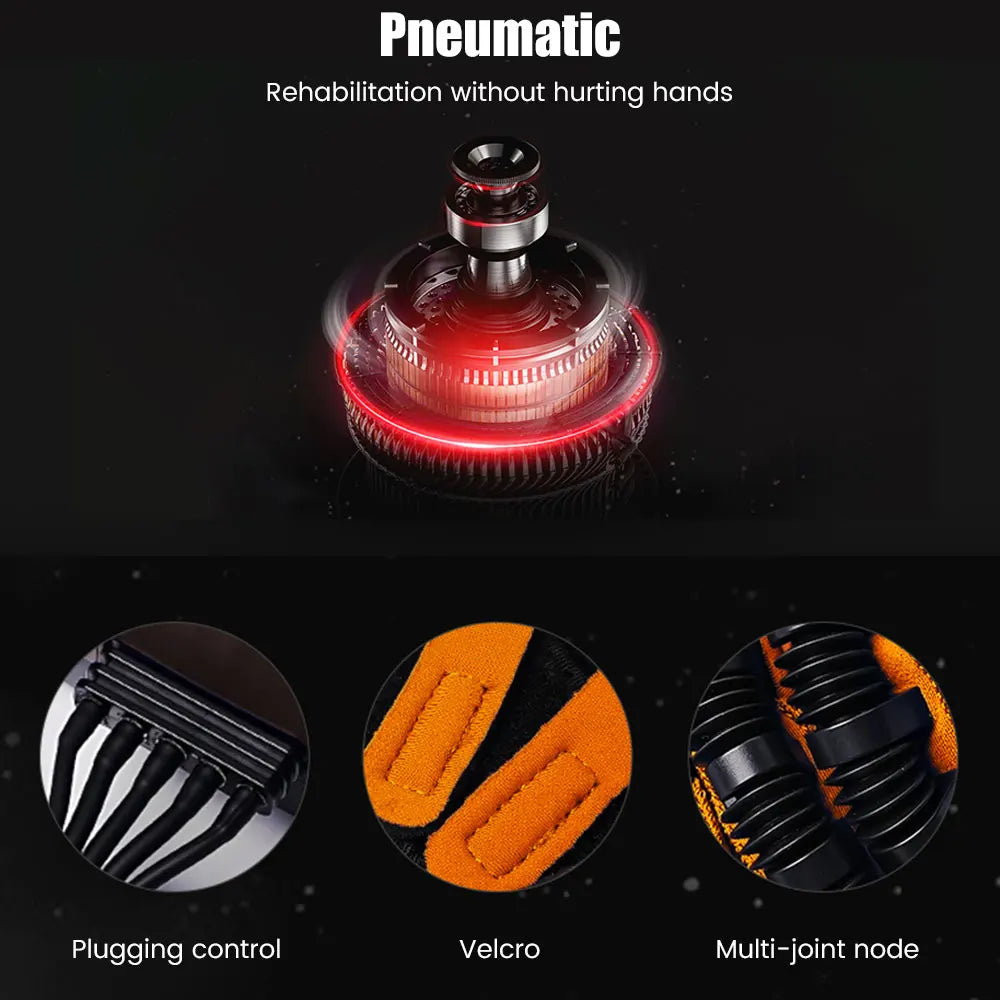
Structured PROM routine improves consistency and mobility • See it in action
Common Mistakes That Slow Down Results
- Moving joints too quickly instead of using slow, controlled motion
- Forcing movement beyond a comfortable range
- Failing to properly support the joint during exercise
- Skipping sessions for extended periods
- Ignoring pain, swelling, or signs of irritation
Gentle, consistent movement is generally more effective than aggressive stretching. Good positioning and careful technique help maximize the benefits of passive range of motion exercises.
Safety Precautions and When to Consult a Physical Therapist
Warning Signs During Passive ROM
Stop exercising and seek medical advice if you notice:
- Sharp or worsening pain during movement
- New swelling, redness, or warmth around a joint
- A sudden loss of movement after injury or surgery
- Numbness, tingling, or significant changes in sensation
- Unusual resistance or joint instability
When Professional Guidance Is Needed
Although many passive range of motion exercises can be performed safely at home, professional evaluation is recommended for people recovering from surgery, stroke, fractures, spinal cord injuries, severe arthritis, or complex neurological conditions.
A physical therapist can demonstrate proper passive range of motion techniques, establish safe movement limits, and determine when progression to active-assisted or active exercises is appropriate based on individual recovery rather than a fixed timeline.
Do You Need Tools for Passive Range of Motion Exercises?
When Hands-On Assistance Is Enough
Most passive range of motion exercises require no special equipment. Proper positioning, careful joint support, and slow controlled movement are usually more important than purchasing rehabilitation devices.
When Therapy Equipment May Help
In some situations, therapists may recommend exercise straps, positioning cushions, splints, or specialized rehabilitation devices to improve comfort or reduce caregiver strain. These tools should complement—not replace—good technique and professional instruction.
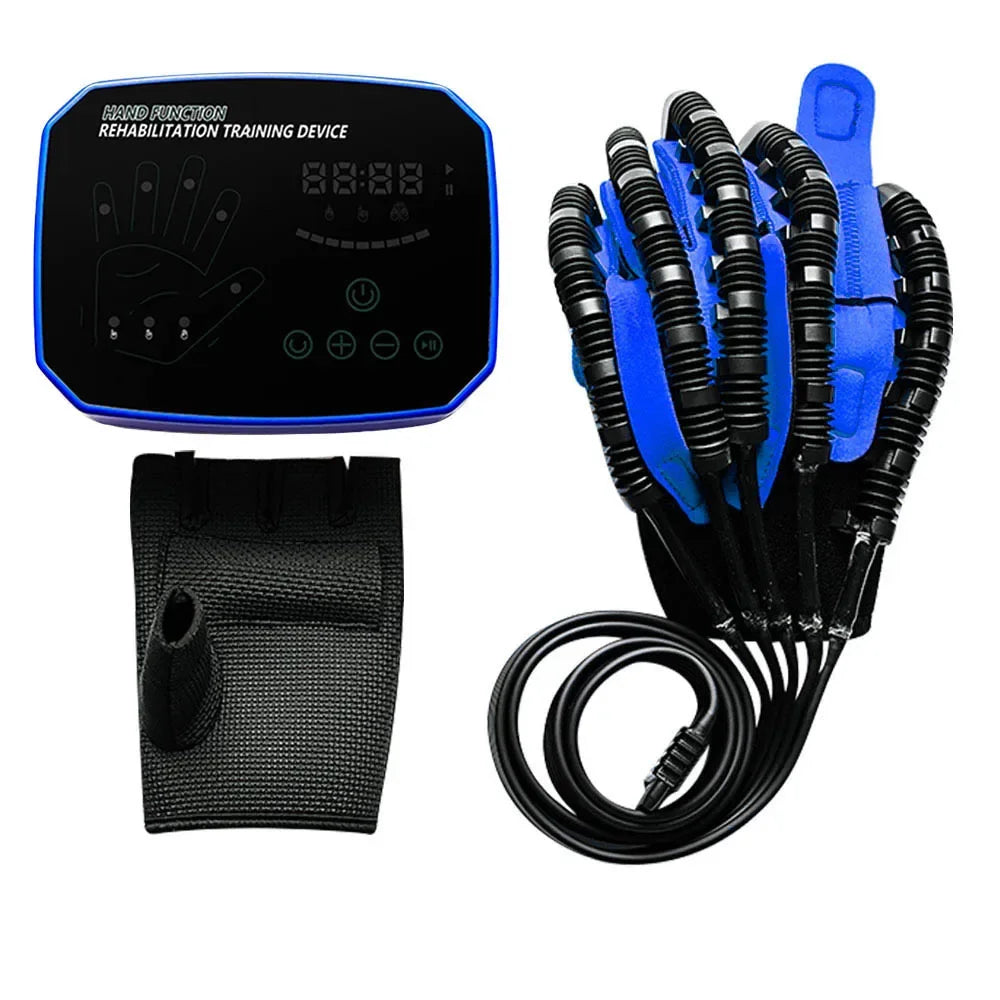
Gentle assisted movement supports safe rehabilitation • See it in action
Mini FAQ About Passive Range of Motion Exercises
How often should passive range of motion exercises be performed?
Many rehabilitation programs recommend one or two sessions each day with approximately 5-10 slow repetitions for each movement. The ideal frequency depends on the individual's diagnosis, healing stage, and guidance from their healthcare provider.
Are passive range of motion exercises safe?
Yes. When performed correctly, PROM is generally safe. Movements should always remain slow, controlled, and within a comfortable range without forcing painful motion.
Can passive exercises improve mobility long term?
PROM helps maintain joint flexibility and prepares the body for future rehabilitation. Long-term improvements in strength and function usually require progression to active-assisted and active exercises when medically appropriate.
What are simple passive range of motion examples?
Examples include shoulder lifts, elbow bends, wrist flexion and extension, finger opening, knee bending, ankle flexion, and ankle circles performed with assistance from a caregiver or therapist.
Related Guide: How to Improve Mobility Safely at Home













