

PC EPS Helmet Construction: Why EPS Foam Helmets Deliver Superior Safety and Lightweight Protection
PC EPS helmet construction has become a cornerstone of modern snow sports safety. By combining a durable polycarbonate shell with a high-performance EPS foam liner, modern in-mold helmets deliver excellent impact management while remaining lightweight and comfortable for extended days on the slopes.
⏱ 7 min read
Explore how smarter construction changes real-world safety on snow.
Did you know? Most ski-related head injuries occur at moderate speeds, where efficient energy absorption—not simply thicker padding—plays the greatest role in reducing the forces transmitted to the head.
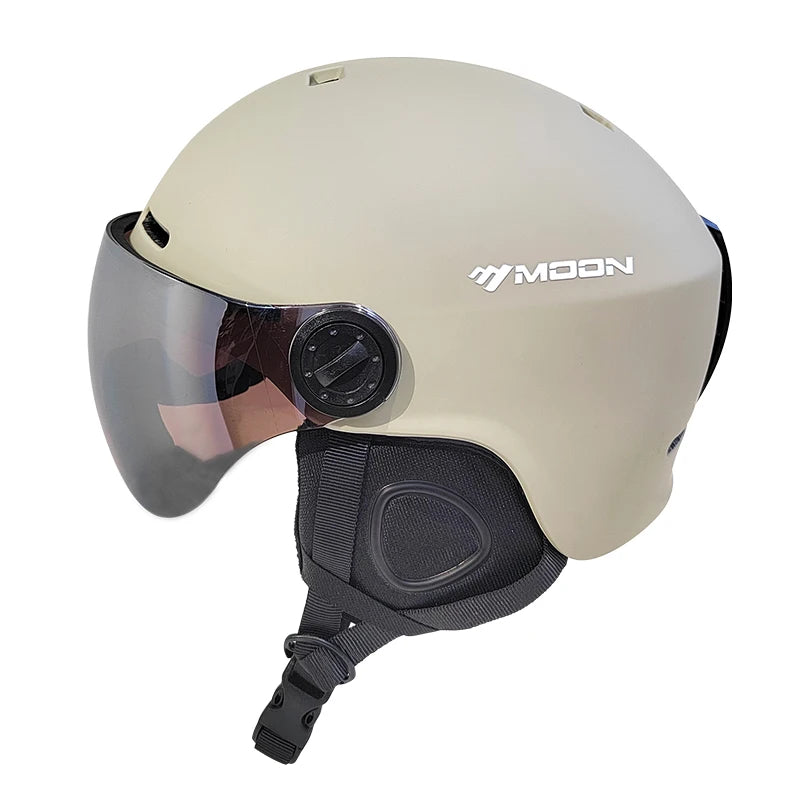
PC EPS helmet construction with integrated shock-absorbing foam — See it in action
What Is PC+EPS In-Mold Helmet Technology?
PC+EPS in-mold helmet technology combines a thin but durable polycarbonate (PC) outer shell with an expanded polystyrene (EPS) impact liner that are permanently fused during manufacturing. This construction creates a lightweight, highly efficient protective system used in many modern ski, snowboard, cycling, and commuting helmets.
What Does PC+EPS Mean?
PC refers to the polycarbonate shell that helps spread impact forces, resists abrasion, and protects the foam from everyday wear. EPS is the crushable foam liner responsible for absorbing crash energy before it reaches the wearer's head.
Helmet EPS Foam Meaning
EPS foam is made from millions of tiny closed-cell beads containing trapped air. During an impact, these cells compress permanently, converting kinetic energy into controlled deformation instead of allowing the force to pass directly to the skull.
Why PC and EPS Are Combined
- The PC shell distributes localized impacts across a wider area.
- The EPS liner manages the majority of impact energy.
- In-mold construction securely bonds both components into one lightweight structure.
- The result is an excellent balance of protection, comfort, ventilation, and weight.
How In-Mold Helmet Construction Works
One reason PC EPS helmet construction has become the industry standard is the efficiency of the manufacturing process itself. Instead of attaching components later with adhesives, in-mold technology permanently joins the shell and liner during production.
Step 1: Forming the Polycarbonate Shell
A thin polycarbonate shell is thermoformed into the helmet's shape. Although lightweight, it helps resist scrapes, minor penetration hazards, and distributes impact loads across the helmet.
Step 2: Fusing the Shell to EPS
EPS beads expand inside a precision mold under heat and pressure. During this process, the shell bonds directly to the foam, creating a unified structure that transfers impact forces efficiently into the energy-absorbing liner.
Step 3: Finishing the Helmet
Manufacturers then install vents, retention systems, adjustment dials, comfort padding, and straps before final safety testing. Compared with older glued-shell designs, this process generally produces lighter helmets with cleaner integration and improved ventilation.
How EPS Helmet Liners Absorb Impact Energy
The EPS helmet liner is engineered to sacrifice itself during an impact. Instead of bouncing back, it permanently crushes to reduce the amount of energy transferred to the head.
Step-by-Step Impact Absorption
- The outer shell contacts the object.
- Impact loads spread across the polycarbonate shell.
- The EPS liner progressively crushes beneath the impact.
- The crushing process absorbs energy while lowering peak forces reaching the skull.
Why EPS Crushes Instead of Bouncing
Unlike resilient foams, EPS is intentionally designed for controlled permanent deformation. That permanent compression helps maximize energy absorption during the impact it is engineered to withstand.
Single-Impact Energy Management
Because EPS does not fully recover after a significant crash, helmets should be replaced following any major impact—even when no obvious cracks are visible. Hidden damage can reduce the liner's ability to protect during future collisions.
PC+EPS Construction vs Other Helmet Technologies
Different helmet designs prioritize different combinations of weight, durability, ventilation, and impact performance.
| Construction | Weight | Impact Protection | Typical Use |
|---|---|---|---|
| PC+EPS In-Mold | Very light | Excellent single-impact protection | Skiing, snowboarding, cycling |
| ABS Hard Shell + EPS | Heavier | Excellent durability | Rental helmets, park riding |
| Glued Shell Designs | Moderate | Varies by manufacturer | Older helmet designs |
| Hybrid EPS Systems | Light | Enhanced ventilation and energy management | Premium performance helmets |
PC+EPS vs ABS Hard Shell
ABS shells are thicker and often withstand everyday abuse better, but they usually add weight. PC+EPS helmets prioritize reduced weight while still meeting rigorous certification requirements.
PC+EPS vs Glued-Shell
Because in-mold construction permanently bonds the shell to the EPS liner, it generally improves structural integration while reducing unnecessary material and overall helmet weight.
EPS vs EPP
- EPS: Optimized for absorbing one significant impact efficiently.
- EPP: More resilient for repeated lower-energy impacts but typically provides different energy-management characteristics.
Dual-Density EPS and Hybrid Designs
Many premium helmets combine multiple EPS densities or integrate technologies such as Koroyd or rotational-impact systems to optimize protection across a wider range of impact speeds while improving airflow.
Benefits and Limitations of PC+EPS In-Mold Helmets
Advantages
- Lightweight helmet construction reduces neck fatigue.
- Excellent ventilation thanks to integrated channel design.
- Highly efficient energy absorption during certified impacts.
- Comfortable for all-day skiing, snowboarding, and cycling.
- Widely available across different budgets.
Potential Drawbacks
- Designed primarily for single major impacts.
- Outer shell may show cosmetic damage sooner than thicker hard-shell designs.
- Aggressive terrain park riders or rental fleets sometimes prefer heavier ABS shells for added durability against repeated everyday abuse.
Where PC+EPS In-Mold Helmets Are Commonly Used
Cycling
Road, gravel, and commuter cyclists value low weight and generous ventilation during long rides.
Ski and Snow Sports
Modern in mold ski helmet designs balance warmth, airflow, and impact protection, making them popular among recreational skiers, snowboarders, and backcountry enthusiasts.
Skateboarding and Commuting
Urban commuters appreciate lightweight construction for daily wear, while users should always select helmets certified specifically for their intended activity.
Helmet Safety Standards and Certifications
Why Certification Matters More Than Construction Alone
Construction technology is only one part of helmet safety. The most important consideration is whether the finished helmet has passed recognized safety standards appropriate for its intended sport.
Common Standards
- CPSC: U.S. bicycle helmet standard.
- EN1077: European ski and snowboard helmet standard.
- EN1078: European cycling and skating helmet standard.
- ASTM: Additional standards used for specific sports and testing protocols.
- CE marking: Indicates compliance with applicable European regulations where required.
Certification evaluates impact absorption, retention systems, strap strength, coverage, and other performance requirements. Even the most advanced helmet construction should always be backed by appropriate certification.
Helmet Lifespan, Crash Replacement, and Care
When to Replace an EPS Helmet
- Immediately after any significant crash.
- If the EPS liner shows cracks or compression.
- If the shell is damaged or separated from the liner.
- Typically after 3–5 years of regular use, or according to manufacturer recommendations.
Storage and Inspection Tips
- Store helmets away from excessive heat and prolonged UV exposure.
- Avoid harsh solvents that may damage shell materials.
- Inspect straps, buckles, adjustment systems, and foam before every season.
- Never attempt to repair a crushed EPS liner.
Who Should Choose a PC+EPS In-Mold Helmet?
Best Use Cases
- Recreational skiers and snowboarders.
- Performance athletes seeking lightweight equipment.
- Cyclists riding long distances.
- Commuters wanting comfortable everyday protection.
When a Hard-Shell Helmet May Be Better
Riders who expect frequent cosmetic impacts, heavy equipment use, or demanding rental environments may prefer thicker ABS hard-shell helmets because of their durability, even though they are generally heavier.
Pairing this construction with modern accessories—often found in the Lifestyle collection—creates a more seamless snow experience.
Check out the ski helmet with goggles designed with advanced construction.
Common Myths About PC+EPS Helmet Technology
Does Lighter Mean Less Safe?
No. Modern lightweight helmets can provide excellent protection when they meet the correct certification standards. Weight alone is not an indicator of safety.
Is Thicker Always Better?
Not necessarily. Helmet performance depends on engineering, materials, liner density, shell integration, and certification—not simply thickness.
Can EPS Recover After a Crash?
No. Once EPS has been significantly compressed, its protective capability is permanently reduced, which is why manufacturers recommend replacing helmets after major impacts.
Frequently Asked Questions
What is PC+EPS in-mold helmet technology?
It is a construction method that permanently fuses a polycarbonate shell with an EPS impact liner, producing a lightweight helmet capable of efficiently managing crash energy.
How does EPS helmet construction work?
The shell distributes impact forces while the EPS liner crushes in a controlled manner to absorb energy before it reaches the head.
Is EPS better than ABS?
EPS and ABS perform different roles. EPS is the impact-absorbing liner, while ABS is an outer shell material. Lightweight PC+EPS helmets emphasize reduced weight, whereas ABS hard-shell helmets prioritize durability.
How long does an EPS helmet last?
Most manufacturers recommend replacement every three to five years under normal use, or immediately after any significant impact.
Can an EPS helmet be reused after a crash?
No. Because EPS permanently compresses during major impacts, a crashed helmet should be replaced even if visible damage appears minimal.
Does a lighter in-mold helmet provide the same protection as a heavier helmet?
Yes, provided both helmets are certified for the same activity. Proper engineering and compliance with recognized safety standards matter more than overall weight.
Key Takeaways
- PC+EPS in-mold helmet technology combines a durable shell with an energy-absorbing EPS liner.
- In-mold construction creates lightweight helmets with excellent structural integration.
- EPS manages impact energy through controlled permanent compression.
- Safety certification is just as important as construction technology.
- Replace any EPS helmet after a significant crash to maintain reliable protection.
Understanding how PC+EPS construction works helps you choose a helmet that balances comfort, weight, ventilation, and certified protection for your preferred sport.
Experience advanced protection with the ski helmet with goggles today.
Related Guide: Shock Absorbing EPS Foam How It Protects Your Head on Impact













