

Poor Circulation in Feet Symptoms: Signs, Causes, and When to Worry
⏱ 7 min read
Cold feet, numbness, tingling, or slow-healing wounds may seem minor at first but can be early signs of poor circulation in feet. Recognizing these symptoms, understanding their causes, and knowing when medical evaluation is needed can help prevent more serious complications.
Understanding foot health and circulation • See it in action
Signs of Poor Circulation in Feet: Symptoms to Watch For
Poor circulation in feet develops when blood flow is reduced, limiting oxygen and nutrients reaching muscles, nerves, and skin. Symptoms often begin gradually, making them easy to overlook until they become more noticeable.
Common poor circulation in feet symptoms include persistent coldness, numbness, tingling, swelling, cramping during activity, skin color changes, and wounds that heal slowly. Identifying these signs early improves the chance of treating the underlying cause before complications develop.
Early Symptoms You Should Not Ignore
- Cold feet even in warm environments
- Tingling or "pins and needles" sensations
- Mild swelling in the feet or ankles
- Leg fatigue or heaviness after walking
- Pale skin or delayed color return after pressure
- Reduced hair growth on the feet or lower legs
These symptoms occur because tissues are receiving less oxygen-rich blood than they need. While they are not always caused by vascular disease, persistent or worsening symptoms deserve medical evaluation.
Advanced or Severe Warning Signs
- Persistent numbness or loss of sensation
- Pain or cramping during walking that improves with rest
- Slow-healing cuts, sores, or ulcers
- Shiny, thin skin with hair loss
- Blue, purple, or black discoloration of the toes
- Pain at rest, especially at night
These bad circulation in feet symptoms may indicate advanced arterial disease or severe impairment of blood flow and should not be ignored.
What Does Poor Circulation in Feet Look Like?
Visual changes can provide important clues. Feet affected by poor blood circulation may appear unusually pale, bluish, or dark red depending on the underlying cause. Skin may become shiny, dry, or thin, toenails may grow more slowly, and small wounds can remain open for weeks.
Although appearance alone cannot confirm a diagnosis, these changes combined with coldness, numbness, or pain increase the likelihood that poor circulation is contributing to the problem.
Cold Feet and Poor Circulation: Are They Always Connected?
Cold feet are one of the most common complaints associated with poor blood circulation in feet, but they are not always caused by reduced blood flow.
When Cold Feet Are Normal
Healthy blood vessels naturally narrow when you're exposed to cold temperatures, helping conserve body heat. Anxiety, a naturally low body fat percentage, or sitting still for long periods may also make your feet temporarily cold.
When Cold Feet Suggest Poor Circulation
Cold feet become more concerning when they are persistent or occur alongside numbness, skin discoloration, leg pain during walking, weak pulses, or slow-healing wounds. In these cases, reduced arterial blood flow or another vascular condition should be considered.
What Causes Poor Circulation in Feet?
Poor blood flow to the feet can develop from problems affecting arteries, veins, nerves, or lifestyle habits. Identifying the underlying cause is essential because treatment varies depending on the condition.
Peripheral Artery Disease (PAD)
Peripheral artery disease is among the leading causes of poor circulation in feet. Fatty plaque narrows arteries, restricting blood flow to the legs and feet. Walking-related calf pain, cold feet, weak pulses, and non-healing wounds are common signs.
Venous Insufficiency
When leg veins cannot efficiently return blood to the heart, blood pools in the lower legs. This condition commonly causes swelling, heaviness, skin discoloration, and aching rather than the classic coldness seen with arterial disease.
Diabetes and Nerve Damage
Diabetes can damage both blood vessels and peripheral nerves. Reduced circulation combined with loss of sensation increases the risk of unnoticed injuries, infections, and foot ulcers.
Sedentary Lifestyle and Obesity
Long periods of sitting, limited physical activity, and excess body weight can reduce circulation efficiency over time. Regular movement helps activate the calf muscles, which act as a natural pump to return blood toward the heart.
Who Is Most at Risk for Poor Circulation?
Anyone can develop circulation problems, but certain health conditions and lifestyle factors significantly increase the risk.
Diabetes
People with diabetes are more likely to develop both vascular disease and nerve damage, making routine foot care especially important.
Smoking damages blood vessels, accelerates plaque formation, and reduces oxygen delivery throughout the body, making it one of the strongest modifiable risk factors.
High Blood Pressure and Cholesterol
Elevated blood pressure and cholesterol contribute to narrowing and stiffening of arteries, increasing the likelihood of poor blood flow to the feet.
Older Age
Circulation problems become more common with age because blood vessels naturally lose flexibility and chronic health conditions become more prevalent.
Poor Circulation vs Other Foot Conditions
Not every painful or numb foot is caused by reduced blood flow. Comparing symptoms can help identify when further evaluation is needed.
Neuropathy
Nerve damage often causes burning pain, tingling, or numbness without significant skin color changes or coldness.
Raynaud's Phenomenon
Raynaud's causes temporary episodes of white or blue toes triggered by cold or stress. Symptoms usually improve after warming the feet.
Foot Injuries and Arthritis
Joint disorders and soft tissue injuries generally produce localized pain that worsens with movement but do not typically cause cold feet, weak pulses, or delayed wound healing.
| Condition | Typical Features |
|---|---|
| Poor circulation | Coldness, weak pulses, slow-healing wounds, skin color changes |
| Neuropathy | Burning, tingling, numbness with relatively normal skin temperature |
| Raynaud's phenomenon | Color changes triggered by cold exposure or stress |
| Arthritis or injury | Localized pain, swelling, stiffness around joints |
How Blood Circulation Works in Your Feet
Healthy arteries deliver oxygen-rich blood from the heart to the feet, while veins return oxygen-poor blood back to the heart. Tiny capillaries exchange oxygen and nutrients with surrounding tissues.
When arteries narrow, veins become inefficient, or circulation is impaired by chronic disease, tissues receive less oxygen. This reduced blood supply contributes to coldness, pain, delayed healing, and changes in skin appearance over time.
How Doctors Diagnose Poor Circulation in Feet
Simple home observations may reveal warning signs, but a medical evaluation is necessary to determine the underlying cause.
Physical Examination
Your healthcare provider will examine skin color, temperature, swelling, pulses, and any ulcers or wounds while reviewing your symptoms and medical history.
Ankle-Brachial Index (ABI)
The ankle-brachial index compares blood pressure measured at the ankle with blood pressure in the arm. It is one of the most common screening tests for peripheral artery disease.
Ultrasound and Imaging
If more information is needed, Doppler ultrasound, CT angiography, or MR angiography may be used to identify narrowed or blocked blood vessels.
At home, you may notice pale skin, compare temperatures between feet, press on toenails to observe capillary refill, or look for swelling. These checks can support awareness but cannot replace professional testing.
When to Seek Immediate Medical Care
Seek prompt medical attention if you experience:
- Sudden severe pain in the foot or leg
- Foot becoming cold, pale, blue, or black
- Rapidly worsening numbness or weakness
- Open wounds that are not healing
- Signs of infection such as redness, swelling, or drainage
These symptoms may indicate severe arterial blockage, limb-threatening ischemia, or another medical emergency requiring urgent treatment.
How to Improve Circulation in Feet
Improving circulation typically involves addressing risk factors while maintaining healthy daily habits. The most effective approach depends on the underlying cause.
Daily Movement and Circulation Exercises
- Walk 20–30 minutes most days of the week
- Perform ankle circles and foot flexion exercises
- Stretch calf muscles regularly
- Avoid sitting for prolonged periods without standing up
Lifestyle Changes That Improve Blood Flow
- Stop smoking
- Maintain a healthy body weight
- Control blood pressure, cholesterol, and blood sugar
- Stay hydrated
- Wear compression socks when recommended by a healthcare provider
- Elevate swollen legs when appropriate
Medical Treatments When Needed
Some people require prescription medications, supervised exercise therapy, minimally invasive vascular procedures, or surgery depending on the severity and cause of their circulation problem.

Simple home methods to support circulation • See it in action
Can Foot Soaks or Heat Improve Circulation?
Warm foot soaks and gentle heat can temporarily increase blood flow by relaxing muscles and widening superficial blood vessels. Many people also experience reduced stiffness and greater comfort after warming their feet.
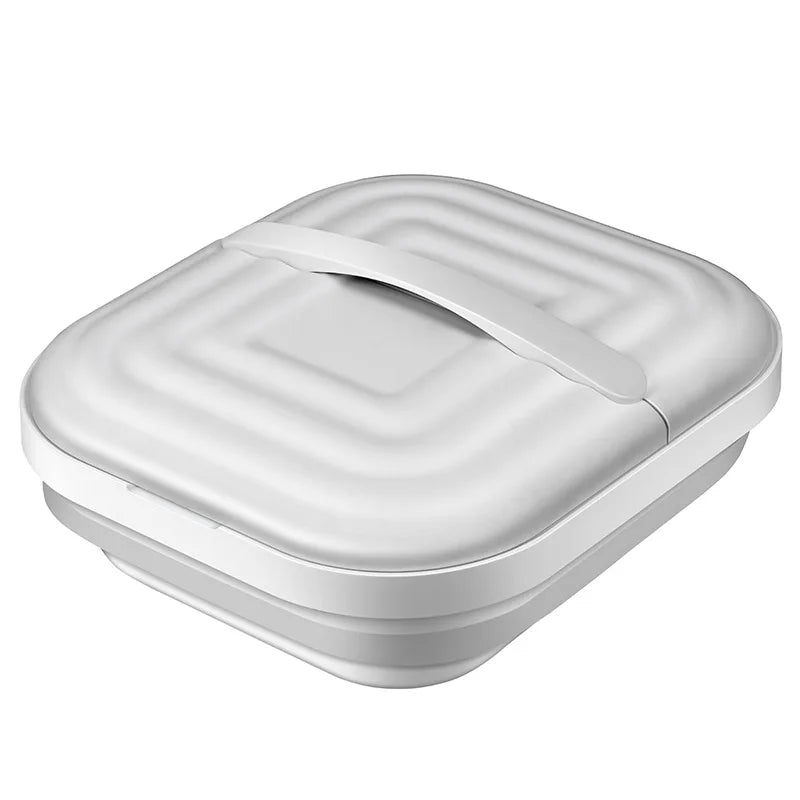
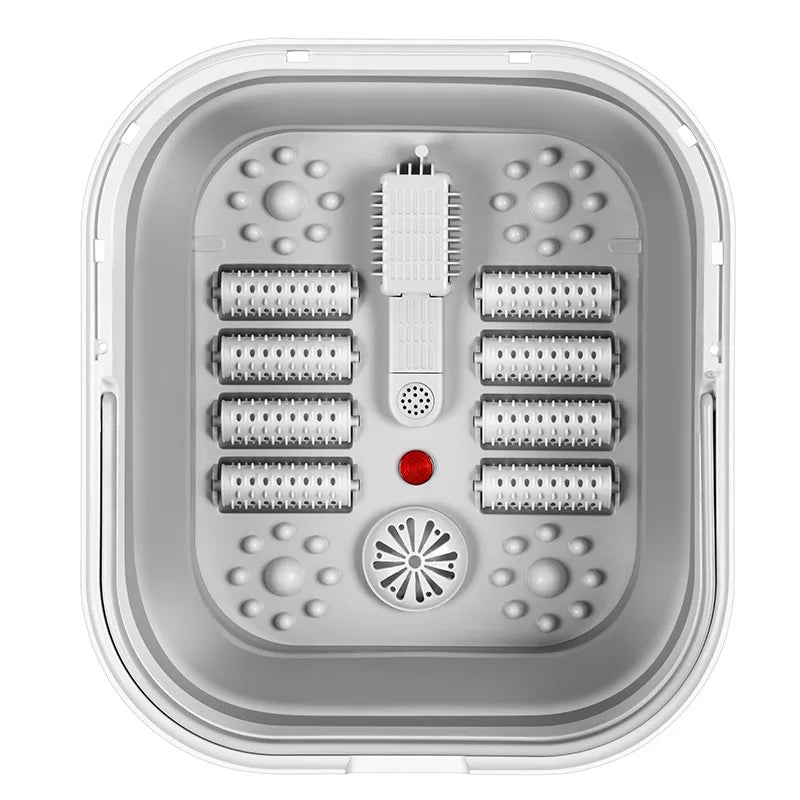
Using a device like the KentDO Heated Foot Bath Massager can provide controlled warmth as part of a relaxation routine, but it should be considered supportive care rather than treatment for peripheral artery disease or other circulation disorders.
People with diabetes, significant numbness, or reduced sensation should use caution with hot water or heating devices to reduce the risk of burns.
Foot care routines that support comfort and circulation • See it in action
Frequently Asked Questions
What are the first signs of poor circulation in feet?
Early symptoms often include cold feet, tingling, numbness, mild swelling, leg fatigue, and slower healing of small cuts.
What does poor circulation in feet look like?
It may appear as pale, bluish, or shiny skin, reduced hair growth, slow-healing wounds, and in severe cases, dark discoloration of the toes.
Are cold feet always caused by poor circulation?
No. Cold weather, stress, low body fat, and Raynaud's phenomenon can also cause cold feet. Persistent symptoms accompanied by pain, numbness, or color changes deserve medical evaluation.
Can poor circulation in feet be reversed?
Many cases improve substantially through lifestyle changes, management of underlying diseases, medications, or vascular procedures when appropriate.
How do doctors test blood flow in the feet?
Doctors commonly perform a physical examination, ankle-brachial index (ABI) testing, Doppler ultrasound, and imaging studies when necessary.
Does walking improve circulation in the feet?
Yes. Regular walking strengthens the calf muscles, supports healthy blood flow, and is often recommended as part of treatment for mild to moderate circulation problems.
Can diabetes cause poor circulation in feet?
Yes. Diabetes damages both blood vessels and nerves, increasing the risk of poor circulation, ulcers, and infections if blood sugar is not well controlled.
When is poor circulation in feet an emergency?
Seek immediate medical care if your foot suddenly becomes cold, blue, black, extremely painful, or develops rapidly worsening numbness or a non-healing infected wound.
Related Guide: Foot Massage Benefits Circulation Explained for Daily Comfort













