

Poor Foot Circulation Symptoms: Causes, Signs, and Who Needs Support
⏱ 6 min read
Poor foot circulation symptoms can begin with subtle changes such as cold toes, tingling, numbness, or discomfort after sitting for long periods. Recognizing these early warning signs can help you take appropriate steps to support healthy blood flow, maintain mobility, and know when medical evaluation may be needed.
Cold toes, tingling, and discomfort after prolonged sitting are among the earliest signs of poor foot circulation.
How Poor Foot Circulation Works
The role of blood flow in foot health
Your feet depend on a steady supply of oxygen-rich blood to nourish muscles, skin, nerves, and other tissues. Healthy circulation also helps remove metabolic waste products while supporting normal healing. When blood flow slows or becomes restricted, tissues may not receive enough oxygen, leading to symptoms such as cold feet, tingling, numbness, or discomfort that gradually becomes more noticeable.
Differences between arterial and nerve-related issues
Not every sensation in the feet is caused by poor circulation. Reduced blood flow typically results from narrowed or blocked arteries, while nerve disorders such as peripheral neuropathy develop when nerves are damaged. Both conditions can produce numbness or tingling, but circulation problems are more commonly associated with cool skin, color changes, reduced pulses, and slower wound healing. Understanding the difference helps determine when lifestyle changes may help and when medical evaluation is appropriate.
Poor Foot Circulation Symptoms
Early symptoms
- Cold feet or toes , even in comfortable indoor temperatures
- Tingling or "pins and needles" that comes and goes
- Mild numbness or reduced sensation in parts of the feet
Moderate symptoms
- Swelling affecting the feet or ankles
- Changes in skin color , including pale, bluish, or reddish tones
- Cramping or aching during walking that improves with rest
Severe symptoms
- Persistent foot pain , including pain while resting
- Slow-healing cuts, blisters, or sores
- Signs of infection or ulcer development , which require prompt medical assessment
Who Is Most at Risk?
People with diabetes or peripheral artery disease (PAD)
People with diabetes or peripheral artery disease (PAD) have a higher risk of foot circulation problems because both conditions can affect healthy blood flow. Diabetes may damage blood vessels and nerves over time, while PAD can narrow arteries that supply oxygen-rich blood to the legs and feet. These changes can contribute to decreased circulation in feet, increasing the chance of numbness, cold sensations, discomfort, and slower healing.
Older adults
Age-related changes in blood vessels can gradually affect circulation throughout the body, including the feet. Older adults may experience reduced elasticity in arteries, slower blood flow, or a greater likelihood of conditions that contribute to feet circulation problems. Regular movement, routine foot checks, and management of underlying health conditions can help support long-term foot health.
Smokers and sedentary individuals
Smoking and prolonged inactivity are common lifestyle factors linked to poor blood circulation in feet. Smoking can affect blood vessels and reduce circulation, while sitting for many hours may limit normal lower-body blood flow. Taking regular movement breaks, walking daily, and avoiding long periods in one position can help support healthier circulation.
People with heart disease or obesity
Cardiovascular conditions and excess body weight can place additional strain on the circulatory system. People with heart disease, high cholesterol, high blood pressure, or obesity may have an increased risk of reduced circulation affecting the lower legs and feet. Managing these risk factors with professional guidance can support overall vascular health.
Common Causes of Poor Circulation in Feet
Peripheral artery disease (PAD)
Peripheral artery disease is one of the most common causes of poor circulation to feet. It occurs when arteries become narrowed, reducing the amount of blood that reaches the lower legs and feet. Common signs may include foot discomfort while walking, cold toes, skin color changes, and wounds that take longer to heal.
Diabetes and cardiovascular disease
Diabetes, heart disease, and related vascular conditions can contribute to poor blood flow in feet. Diabetes may affect both blood vessels and nerves, causing symptoms that overlap with circulation issues. Cardiovascular risk factors such as high blood pressure and cholesterol can also affect how efficiently blood reaches the extremities.
Smoking, obesity, and inactivity
- Long periods of sitting or standing without movement
- Limited physical activity that reduces natural blood flow support
- Smoking, which can negatively affect blood vessel health
- Excess body weight that increases pressure on the circulatory system
- Tight footwear that may restrict comfort and circulation
Blood clots, Raynaud's phenomenon, and medications
Some circulatory problems in feet may be related to blood clots, temporary blood vessel spasms such as Raynaud's phenomenon, or certain medications. Some treatments, including specific blood pressure medicines, chemotherapy agents, and hormonal therapies, may influence circulation or contribute to changes in foot temperature and sensation. Persistent or worsening symptoms should be discussed with a healthcare professional.
How to Improve Foot Circulation
Evidence-based treatments
The best approach for poor circulation in feet depends on the underlying cause. Healthcare professionals may recommend treatments that address specific circulation problems, such as managing blood pressure, cholesterol, diabetes, or other vascular risk factors. In some cases, medications may be prescribed to improve blood flow or reduce the risk of complications related to blocked arteries.
For people with diagnosed circulation disorders, following a personalized treatment plan is important. Self-care strategies can support circulation, but they should complement—not replace—medical care when an underlying condition is present.
Simple daily exercises
Regular movement encourages natural blood flow through the lower legs and feet. Gentle exercises that may support circulation include:
- Toe raises and ankle circles to activate foot and lower-leg muscles
- Foot flexes and calf stretches to encourage movement after sitting or standing for long periods
- Short walks or marching in place to promote lower-body circulation
- Frequent position changes to avoid staying still for extended periods
Consistent, moderate activity is generally more beneficial than occasional intense exercise. People with existing vascular conditions should follow exercise recommendations provided by their healthcare professional.
Lifestyle changes
- Take regular movement breaks during long periods of sitting or standing
- Maintain a balanced diet that supports cardiovascular health
- Stay hydrated to support normal circulation
- Choose comfortable footwear that does not create unnecessary pressure
- Avoid habits that may negatively affect blood vessel health, such as smoking
Medical procedures when needed
When poor blood flow in feet is caused by significant artery narrowing or other vascular conditions, additional medical treatments may be considered. These can include procedures designed to restore blood flow or address blocked vessels. A healthcare provider can determine whether further testing or treatment is appropriate based on symptoms and circulation measurements.
When to seek medical evaluation
Consult a healthcare professional if foot circulation symptoms continue, become worse, or appear alongside warning signs such as persistent pain, major color changes, numbness, or slow-healing wounds. Early evaluation can help identify the cause and reduce the risk of serious complications.

Simple foot circulation exercises and gentle support routines can complement healthy movement habits.
How Targeted Foot Support Helps
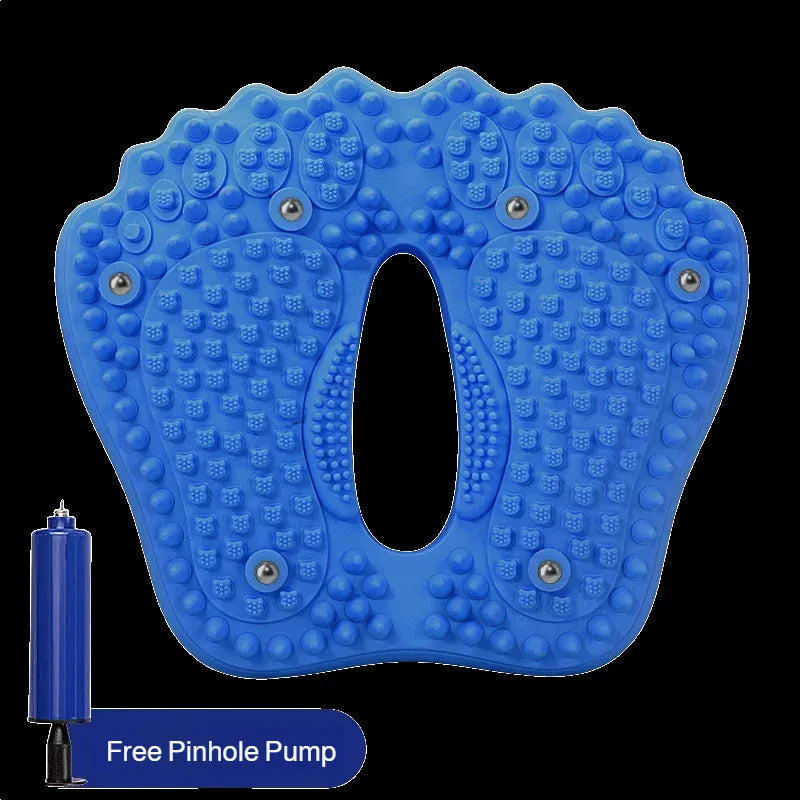
Support tools can be a helpful addition to a healthy foot care routine, especially when discomfort is related to long periods of inactivity, standing, or daily strain. These options may help improve comfort, encourage relaxation, and support circulation habits when combined with regular movement. Products like the KentDO Inflatable Foot Massage Pad are designed to provide gentle foot support after sedentary periods.
Compression and supportive footwear
Some people with foot circulation problems may benefit from supportive footwear or compression options recommended by a healthcare professional. Properly fitted shoes can reduce unnecessary pressure on the feet, while compression products may help certain circulation-related concerns, particularly when swelling is involved.
However, compression is not suitable for everyone with poor circulation feet symptoms. People with conditions affecting arterial blood flow should seek medical guidance before using compression products.
Where support tools fit into treatment
Foot support devices should be viewed as complementary tools rather than replacements for medical care, exercise, or treatment plans. Gentle massage, relaxation routines, and supportive devices may help reduce discomfort and improve daily comfort, but they do not treat underlying conditions such as peripheral artery disease or diabetes-related circulation issues.
- May provide comfort after long periods of sitting or standing
- Can support relaxation as part of an evening wellness routine
- May complement stretching and movement habits
- Can be used as part of a broader foot care approach
Explore more supportive options in the Body Care and Health Devices collection for daily wellness routines.
Related Conditions to Watch For
Peripheral artery disease (PAD)
Peripheral artery disease occurs when arteries supplying blood to the legs and feet become narrowed. This can reduce circulation and contribute to symptoms such as cold feet, numbness, leg discomfort during activity, and wounds that heal slowly. Medical evaluation is important when symptoms suggest reduced arterial blood flow.
Diabetic neuropathy
Diabetic neuropathy develops when prolonged high blood sugar affects nerves throughout the body, including those in the feet. It may cause tingling, burning sensations, numbness, or changes in foot sensitivity. Because nerve-related symptoms can overlap with circulatory problems, proper diagnosis helps determine the right care approach.
Chronic venous insufficiency
Chronic venous insufficiency occurs when veins have difficulty returning blood from the legs back toward the heart. It may contribute to swelling, heaviness, discomfort, skin changes, and other circulatory problems in feet and lower legs. Persistent swelling or skin changes should be discussed with a healthcare provider.
Heart disease and circulation
Heart health and circulation are closely connected. Conditions affecting the cardiovascular system, including high blood pressure, high cholesterol, and heart disease, may increase the risk of circulation problems affecting the feet. Managing overall cardiovascular health can help support healthy blood flow throughout the body.
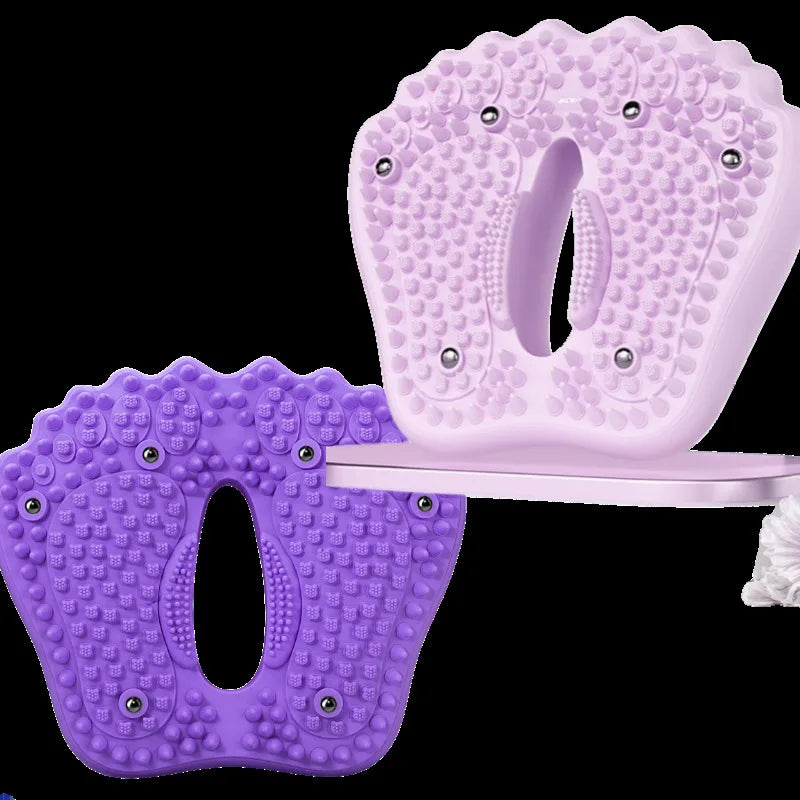
Evening foot care routines can complement healthy movement habits and support daily comfort.
Frequently Asked Questions
What are the first symptoms of poor circulation in feet?
The first signs of poor circulation in feet may include cold toes, tingling, numbness, changes in skin color, or discomfort during activity. Early symptoms can be mild, so paying attention to repeated changes can help identify potential circulation issues sooner.
What causes poor circulation in feet?
Poor circulation in feet can develop from several factors, including peripheral artery disease (PAD), diabetes, cardiovascular conditions, smoking, inactivity, and other blood vessel-related problems. Identifying the underlying cause is important because treatment depends on the specific condition affecting blood flow.
Can poor circulation in feet be reversed?
Improving circulation depends on the cause and overall health situation. Lifestyle changes such as regular movement, healthy eating habits, and managing risk factors may support better circulation. However, some medical conditions require professional treatment to manage symptoms and prevent complications.
How do doctors test circulation in the feet?
Healthcare providers may evaluate circulation through a physical examination, checking pulses, reviewing symptoms, and using tests such as an ankle-brachial index (ABI), Doppler ultrasound, blood tests, or imaging studies. These evaluations help identify whether symptoms are related to blood vessels, nerves, or another condition.
What exercises improve foot circulation?
Gentle exercises that encourage lower-body movement may help support circulation. Common options include ankle circles, toe raises, calf stretches, walking, and regular movement breaks throughout the day. People with diagnosed circulation conditions should follow exercise recommendations from their healthcare provider.
When should I worry about poor circulation in my feet?
Seek medical advice if you experience persistent pain, worsening numbness, significant swelling, skin color changes, slow-healing wounds, or sudden changes in foot temperature or sensation. Early assessment can help identify circulation problems before they become more serious.
Can diabetes cause poor circulation in feet?
Yes, diabetes can contribute to circulation problems in feet by affecting blood vessels and nerves. High blood sugar over time may increase the risk of reduced blood flow, numbness, and slower healing, making regular foot care especially important.
How can I tell the difference between poor circulation and neuropathy?
Poor circulation and neuropathy can share symptoms such as numbness and tingling, but they affect the body differently. Circulation problems are often linked with cold feet, color changes, and healing difficulties, while neuropathy commonly involves altered nerve sensations such as burning, tingling, or reduced feeling. A healthcare professional can help determine the underlying cause.
For more wellness inspiration, explore the Beauty & Self-Care Blog and Body & Face Blog collections.
Related Guide: Aching Feet Remedy for Long Days on Your Feet













