Do Portable Camping Water Heaters Work in Freezing Temperatures?
Yes. A modern portable camping water heater can operate in freezing temperatures when it is designed for cold-weather use and is set up correctly. Propane-powered tankless models generally perform better than butane-powered alternatives because propane continues to vaporize at much lower temperatures. However, every unit has operating limits, and freezing water inside the heater can permanently damage internal components.
Before relying on a portable camping water heater in winter, check:
- The manufacturer's minimum operating temperature.
- Whether the heater includes built-in freeze protection.
- The recommended fuel type for cold-weather operation.
- Draining and storage procedures after each use.
Can a Camping Water Heater Freeze?
Yes. Even if the burner ignites normally, any water left inside the heat exchanger, pump, valves, or hoses can freeze overnight. As water expands into ice, it may crack fittings, split copper tubing, or damage plastic components.
Typical Minimum Operating Temperatures
Many portable propane water heaters continue operating around 23°F (-5°C), although performance varies by manufacturer. Below that point, ignition may become less reliable, water flow can decrease, and freezing risks increase unless extra precautions are taken.
What Happens When Water Freezes Inside the Unit
- Heat exchangers may crack.
- Internal valves can become stuck.
- Water pumps may fail after thawing.
- Hoses and quick-connect fittings can split.
Portable Camping Water Heater: How to Use One in Freezing Temps
⏱ 7 min read
Cold mornings, frozen hoses, and numb fingers make winter camping far more demanding than summer trips. A properly prepared portable camping water heater provides reliable hot water for cooking, washing, and cleaning—even when temperatures stay below freezing. The key is understanding both the heater's capabilities and its cold-weather limitations.
Explore how a portable camping water heater transforms cold-weather trips.
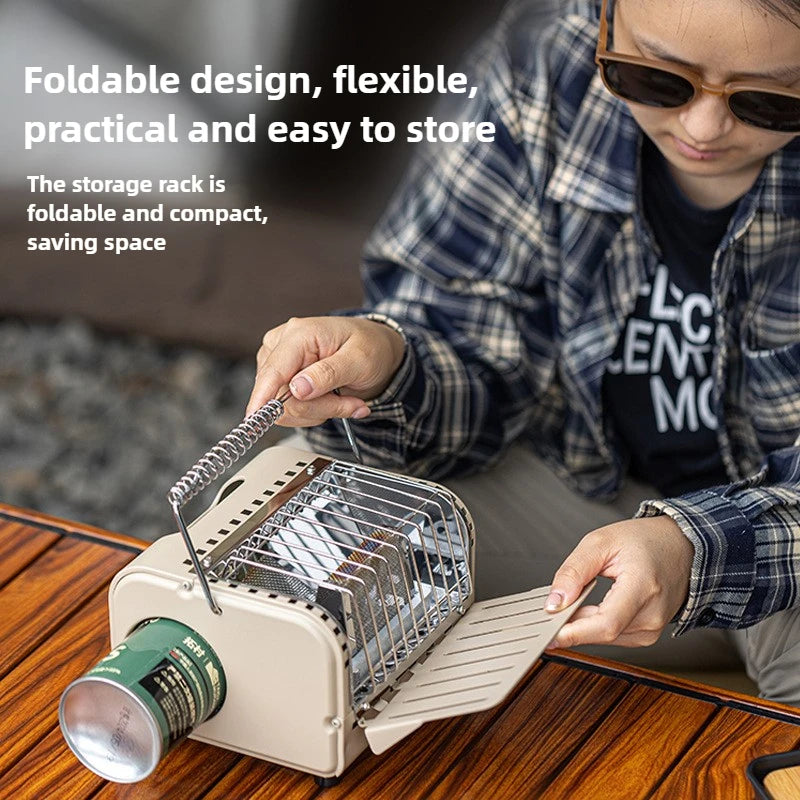
Portable camping water heater setup during camping in freezing weather — See it in action
How Portable Camping Water Heaters Perform in Cold Weather
How Tankless Camping Water Heaters Produce Hot Water
Most portable camping water heaters are tankless systems. Cold water passes through a gas-heated heat exchanger where it is heated almost instantly before reaching the shower head or faucet. This design eliminates the need for a storage tank but also means water should never remain inside the unit once temperatures fall below freezing.
Components Most Vulnerable to Freezing
The parts most likely to suffer freeze damage include:
- Heat exchangers
- Water pumps
- Pressure relief valves
- Quick-connect fittings
- Water hoses
How Cold Weather Affects Water Flow and Ignition
Extreme cold can reduce gas pressure, slow battery performance for electronic ignition, and decrease water flow if hoses begin icing internally. Using insulated hoses, fresh batteries, and propane cylinders stored above freezing helps maintain reliable operation.
Learn how campers pair heaters with a portable camping gas heater for efficiency.
Choosing the Best Camping Water Heater for Cold Weather
Freeze Protection Features
When comparing portable camping water heaters, prioritize models with:
- Automatic low-water protection.
- Drain valves for quick winterization.
- Built-in freeze protection where available.
- Durable brass water fittings instead of thin plastic connectors.
Fuel Type and Cold-Weather Reliability
| Fuel | Cold Weather Performance | Recommended for Winter |
|---|---|---|
| Propane | Excellent | ✔ Best choice |
| Butane | Poor below freezing | ✖ Not recommended |
| Liquid Fuel | Good | Suitable for specialized setups |
Flow Rate and Temperature Rise
Higher flow rates are useful for showers, but extremely cold source water requires greater heating capacity. Instead of focusing only on gallons per minute (GPM), compare the heater's maximum temperature rise, especially for winter camping.
Step-by-Step Guide to Using a Portable Camping Water Heater Below Freezing
Preparing Before Startup
- Store propane cylinders somewhere warmer overnight if possible.
- Inspect hoses for ice or damage.
- Confirm all water lines are fully connected before ignition.
- Use insulated hose sleeves when temperatures remain below freezing.
Operating Safely During Winter Camping
- Choose a propane-powered heater rated for winter use.
- Start water flow before igniting the burner if recommended by the manufacturer.
- Keep the unit protected from direct snowfall while maintaining full ventilation.
- Test water temperature before washing or showering.
Draining the Unit After Every Use
After each session:
- Turn off the gas supply.
- Disconnect incoming water.
- Open drain valves completely.
- Allow all hoses to empty.
- Store the heater somewhere protected from freezing whenever possible.
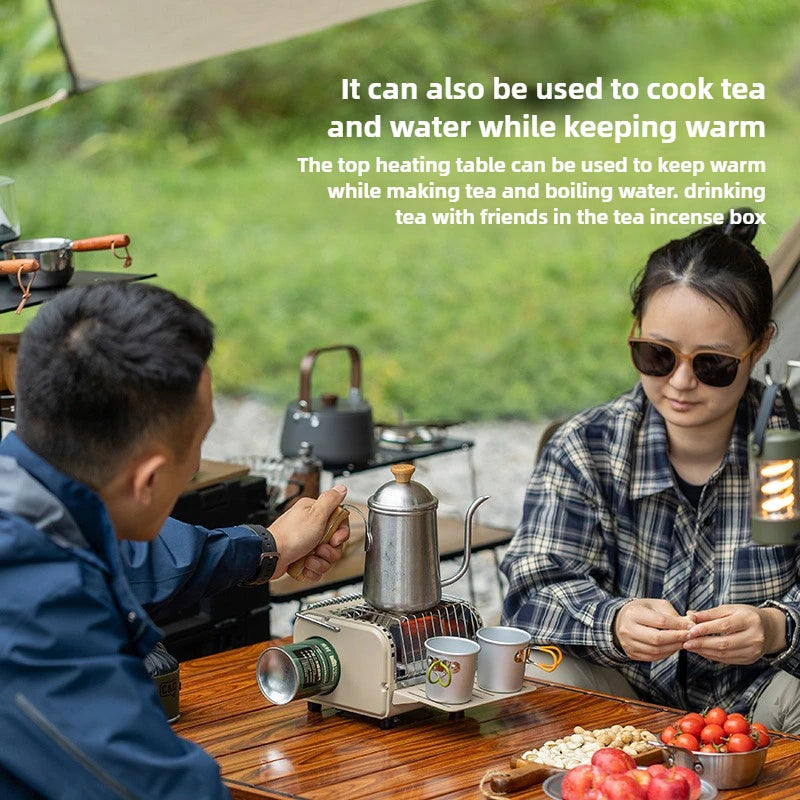
Step-by-step winter setup for a portable camping water heater — See it in action
How to Prevent a Camping Water Heater from Freezing
Drain Water Completely
The simplest way to prevent freeze damage is to remove every drop of water immediately after use. Even a small amount trapped inside the heat exchanger can freeze overnight.
Protect Hoses and Fittings
- Use insulated hose covers.
- Disconnect hoses after each use.
- Inspect O-rings for cracking.
- Replace damaged fittings before winter trips.
Storage Between Trips
Store the heater in a dry location above freezing whenever possible. If long-term winter storage is expected, follow the manufacturer's maintenance recommendations before packing the unit away.
Cold-Weather Safety Tips for Portable Gas Water Heaters
Ventilation Requirements
Portable gas water heaters should always be used outdoors or in well-ventilated areas recommended by the manufacturer. Never operate one inside an enclosed tent, vehicle, or shelter.
Carbon Monoxide Risks
Gas appliances produce carbon monoxide during combustion. Snow buildup can block exhaust pathways, increasing the risk of dangerous gas accumulation. Check vents frequently during heavy snowfall.
Using Gas Water Heaters in Sub-Zero Temperatures
- Keep combustible materials away from the burner.
- Monitor hoses for ice formation.
- Carry spare batteries for electronic ignition systems.
- Bring backup fuel for extended winter trips.
- Never leave the heater unattended while operating.
Fuel Efficiency and Winter Camping Hot Water Solutions
Propane Consumption in Cold Weather
Cold weather generally increases propane usage because incoming water starts at a much lower temperature. Heating icy water requires more energy than heating cool summer water.
Many campers improve efficiency by using insulated water containers, wind protection, and a nearby portable camping gas heater to create a more comfortable working area without forcing the water heater to run continuously.
Reducing Heat Loss
- Heat only the amount of water needed.
- Store hot water in insulated containers.
- Protect hoses from wind exposure.
- Avoid unnecessary burner run time.
| Setup | Heat Stability | Fuel Efficiency |
|---|---|---|
| Water Heater Alone | Moderate | Good |
| With Camping Gas Heater | High | Excellent |
Get yours now with the portable camping gas heater — limited stock!
Real-World Winter Camping Scenarios
Ice Fishing Camps
Ice anglers benefit from portable water heaters for cleaning equipment, preparing meals, and washing hands without exposing skin to freezing water.
Van Life and Overlanding
Portable tankless propane heaters offer reliable hot water while conserving interior space. Proper drainage after every use is essential when overnight temperatures remain below freezing.
Remote Base Camps
Long-duration camps benefit from insulated plumbing, backup propane cylinders, and routine inspections to identify ice buildup before it causes equipment damage.
Pros and Cons of Using a Portable Camping Water Heater in Freezing Weather
- ✅ Reliable hot water for cooking, washing, and cleaning.
- ✅ Propane models perform well in cold climates.
- ✅ Lightweight and suitable for winter camping, overlanding, and ice fishing.
- ❌ Must be drained completely after every use.
- ❌ Fuel consumption increases during very cold weather.
- ❌ Performance depends on proper setup and winter maintenance.
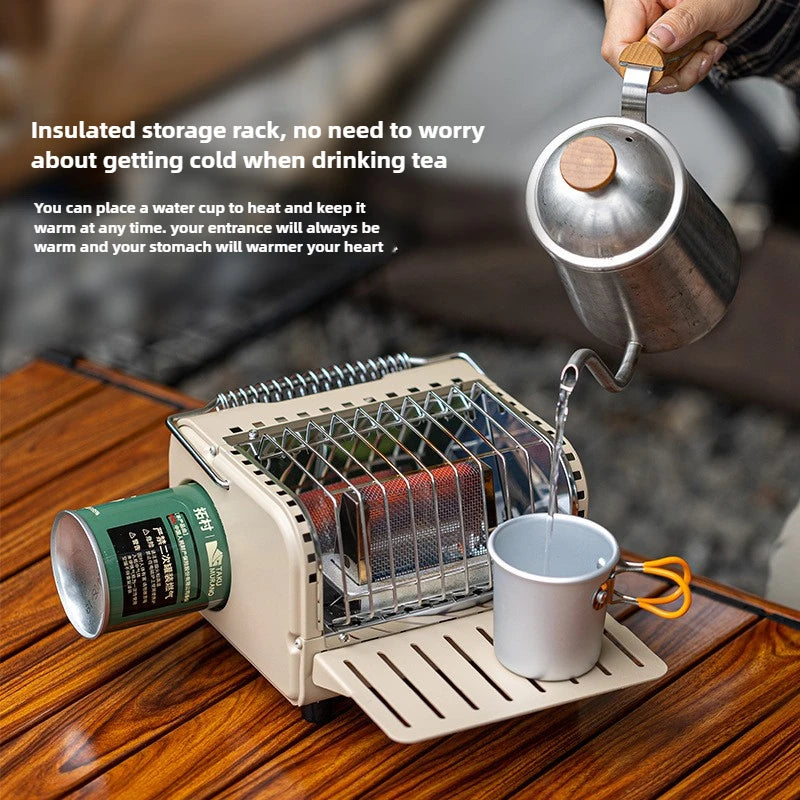
Portable camping water heater during camping in sub zero temperatures — See it in action
Frequently Asked Questions
Can a portable camping water heater freeze overnight?
Yes. If water remains inside the heat exchanger or plumbing, freezing temperatures overnight can cause cracks and permanent damage. Always drain the system before storing it.
How do I winterize a portable camping water heater?
Disconnect the water supply, drain every water passage, remove hoses, inspect fittings, and store the heater in a dry location protected from freezing whenever possible.
Can I leave water inside between uses?
No. During winter camping, water should not remain inside the heater because even a single freezing night can damage internal components.
What temperature is too cold for a portable propane water heater?
It depends on the model. Many propane-powered units operate below freezing, but performance drops as temperatures become more extreme. Always follow the manufacturer's specified operating range.
Which camping water heaters work best in freezing weather?
Portable propane tankless water heaters designed with freeze protection, easy drainage, durable fittings, and reliable ignition systems are typically the best choice for cold-weather camping.
Experience cold-weather confidence with a portable camping water heater today.
Related Guide: Camping Portable Heater Setup: Stay Warm Safely Step by Step