

Is a portable electric clothes dryer better than air drying indoors?
Yes. A portable electric clothes dryer dries laundry much faster than air drying indoors while helping reduce excess indoor humidity. For apartments, condos, dorms, and other small living spaces, it can improve comfort by limiting damp odors, shortening drying times, and reducing moisture that may otherwise linger in the air. Air drying remains the lowest-cost option for energy use, but it often requires many hours—or even days in humid weather—and can increase indoor moisture when drying wet clothes inside.
Portable Clothes Dryer vs Traditional Dryer (Portable vs Air Drying Indoors)
Choosing between a portable clothes dryer and air drying indoors is about more than convenience. The method you use affects drying speed, indoor humidity, available living space, fabric care, and your overall laundry routine. Whether you live in a compact apartment, a rental home, or a dorm, understanding the trade-offs helps you choose the option that best matches your lifestyle and available space.
⏱ 7 min read
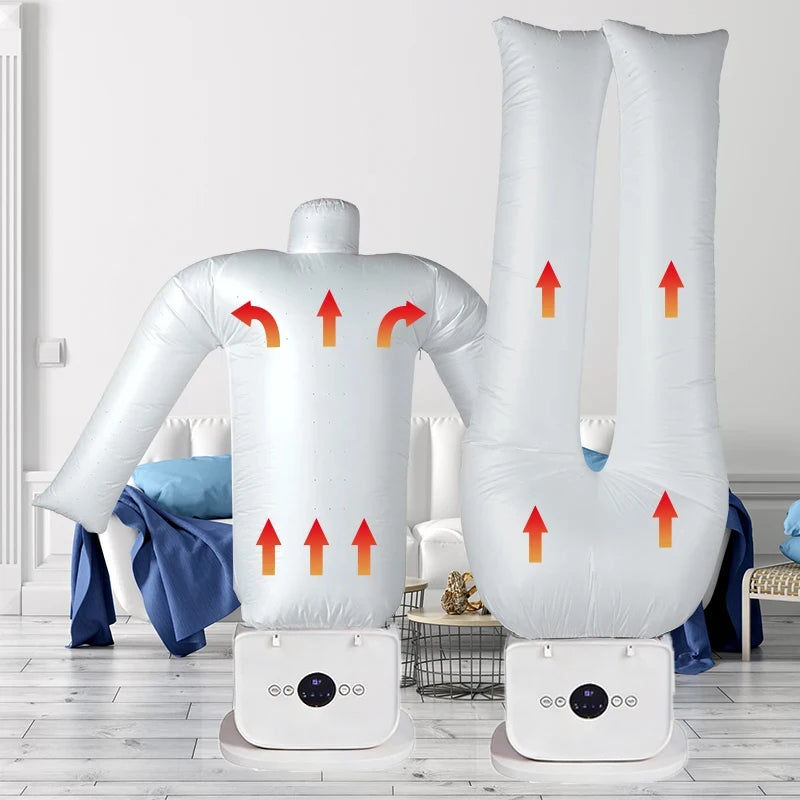
portable electric clothes dryer vs air drying clothes indoors — See it in action
Portable Clothes Dryer vs Air Drying: Quick Comparison Table
If you're comparing a portable clothes dryer with drying clothes indoors on a rack, the table below highlights the differences that matter most for apartments, small homes, and everyday laundry.
- Drying Time: Portable dryer typically finishes a load in 30–90 minutes, while indoor air drying commonly takes 6–24 hours depending on ventilation and humidity.
- Energy Use: Portable dryers consume electricity; indoor air drying has no direct electricity cost.
- Humidity Impact: Portable dryers help keep excess moisture contained, while air drying releases water vapor into your living space.
- Space Requirements: Portable dryers store compactly between uses, whereas drying racks occupy valuable floor space.
- Convenience: Portable dryers provide predictable results regardless of weather, while air drying depends on airflow and room conditions.
- Fabric Care: Air drying is generally gentler on delicate fabrics, while low-heat dryer settings help minimize wear for most everyday clothing.
- Best For: Portable dryers suit busy households and apartments; air drying works well for occasional loads, delicate garments, and energy-conscious routines.
Why Your Drying Method Matters in Apartments and Small Homes
For people living in apartments, condos, dorms, or other compact homes, choosing the right drying method affects far more than laundry. It influences indoor humidity, available living space, drying consistency, and day-to-day comfort. If you're wondering which dryer is better for small apartments, the answer depends on your laundry volume, available utilities, and how much indoor space you can dedicate to drying clothes.
- Limited space: Drying racks can occupy living rooms, bedrooms, or balconies for hours at a time.
- Laundry frequency: Households washing several loads each week benefit from faster turnaround times.
- Utility availability: Many apartments cannot accommodate full-size dryers, making portable solutions more practical.
- Indoor comfort: Hanging wet clothes indoors can increase humidity, contribute to musty odors, and make rooms feel less comfortable.
- Lifestyle: Busy schedules often make predictable drying times more valuable than relying on weather or indoor airflow.
Modern homes are designed to be more energy efficient, which also means they retain moisture more easily when ventilation is limited. Whether you choose a portable clothes dryer or indoor air drying, selecting the approach that fits your available space, laundry habits, and climate can improve both clothing care and overall indoor comfort.
How Portable and Stationary Electric Dryers Work
Portable Electric Dryer
A portable electric dryer uses heated airflow and controlled circulation to remove moisture from clothing without requiring a permanent laundry installation. These compact units are designed for apartments, dorms, RVs, and small homes where space or utility connections may be limited.
- Heating System: An electric heating element warms the air before it moves through fabrics.
- Air Circulation: Warm air flows around clothing to speed up evaporation and improve drying consistency.
- Compact Construction: Smaller dimensions make portable dryers easier to store and use in limited spaces.
- Load Capacity: Most compact models handle smaller loads, commonly around 2–5 kg per cycle depending on the design.
Portable dryers are built for convenience rather than maximum capacity. They are a practical choice for users who need faster drying without installing a traditional full-size machine.
Stationary Full-Size Dryer
A stationary full-size dryer is designed as a permanent laundry appliance with a larger drum capacity and stronger drying performance. These models are typically installed in dedicated laundry areas and are better suited for households that process larger amounts of clothing regularly.
- Larger Drum Size: Handles bigger loads, including towels, bedding, and family laundry.
- Higher Drying Capacity: Designed for frequent use and larger households.
- Dedicated Installation: Often requires specific electrical connections, ventilation, or plumbing depending on the model.
- Long-Term Placement: Built to remain in one location rather than being moved between uses.
120V vs 240V Power Requirements
One of the biggest differences in a portable dryer vs full-size dryer comparison is power demand. Many portable electric dryers are designed to operate with standard household outlets, making them easier to install in apartments and rental properties.
Traditional stationary electric dryers often require higher-voltage connections, such as 240V power, to generate stronger heat output and support larger loads. Before choosing a dryer, check your home's available electrical setup to ensure compatibility.
Vented vs Ventless Designs
Dryer ventilation also affects installation flexibility and indoor use. Vented dryers remove warm, moist air through an external exhaust system, while ventless designs recycle air internally and collect or remove moisture through alternative methods.
- Vented Dryers: Common in traditional laundry rooms and require proper exhaust installation.
- Ventless Dryers: Offer more flexible placement options for apartments and smaller homes.
- Portable Dryers: Often prioritize simple setup and compact operation for spaces without dedicated dryer hookups.
What Happens When You Air Dry Clothes Indoors
Air drying is simple, affordable, and gentle on many fabrics, but drying wet clothes indoors releases moisture directly into your living environment. For apartments and small homes with limited ventilation, this can affect comfort and increase indoor humidity.
Common Challenges of Indoor Air Drying
- Longer Drying Times: Clothes may take 24–48 hours to fully dry depending on airflow, fabric thickness, and humidity levels.
- Higher Indoor Humidity: Evaporated moisture from laundry can make rooms feel damp, especially in enclosed spaces.
- Space Limitations: Drying racks can occupy valuable floor space in bedrooms, living rooms, or kitchens.
- Weather Dependence: Results vary based on temperature, ventilation, and seasonal conditions.
Without sufficient airflow, moisture from drying clothes can remain trapped indoors, creating a less comfortable environment. For households that regularly dry laundry inside, managing ventilation and humidity becomes an important part of maintaining indoor comfort.
Portable Dryer vs Air Drying Indoors: Detailed Comparison
Drying Time and Performance
A portable electric dryer delivers faster and more predictable drying compared with hanging clothes indoors. Most portable models can complete smaller laundry loads within 30–90 minutes, while air drying may require many hours or even a full day depending on room temperature, airflow, fabric thickness, and humidity levels.
For households with frequent laundry needs, the difference in drying speed can make daily routines easier. Air drying remains practical for occasional loads, but portable dryers provide more consistent results when weather conditions or indoor airflow are unpredictable.
Space and Setup Requirements
Space is one of the biggest factors when comparing a portable clothes dryer vs air drying. Portable dryers are designed for compact homes and can fit into smaller laundry areas, closets, or multipurpose spaces when not in use.
Indoor air drying requires dedicated space for drying racks, hangers, or clotheslines. In apartments, this can reduce usable living areas and create clutter when laundry remains visible for extended periods.
Energy Use and Efficiency
Air drying uses no electricity, making it the lowest-cost option from an energy perspective. However, a portable dryer uses controlled heat and airflow to shorten drying time, which can be valuable for people who prioritize convenience and predictable laundry schedules.
The most efficient choice depends on your household habits. Using air drying for lightweight items and a portable dryer for larger, urgent, or frequently washed loads can provide a practical balance between energy savings and convenience.
Fabric Care and Longevity
Air drying is often preferred for delicate fabrics because it avoids heat exposure and reduces mechanical movement. Items such as sensitive materials or garments with special care instructions may benefit from gentler drying methods.
Portable dryers can also support clothing care when used correctly. Selecting lower heat settings, avoiding overloading, and following garment care labels can help minimize unnecessary wear while still providing faster drying performance.
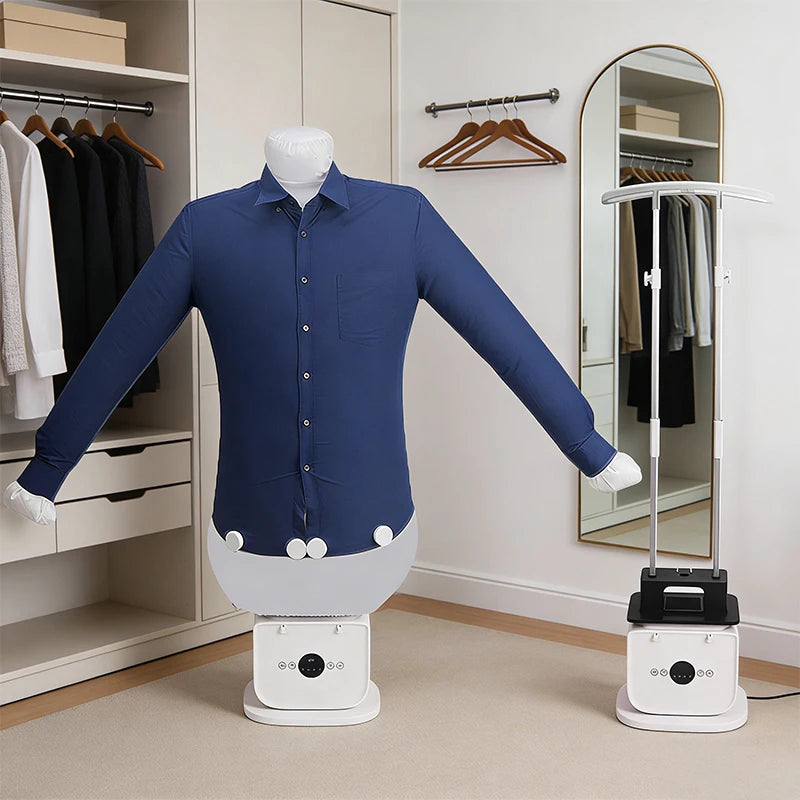
drying wet clothes indoors made simpler — See it in action
Real Cost Breakdown: Portable Dryer vs Air Drying
Upfront Cost vs Ongoing Costs
The biggest financial difference between these drying methods is the initial investment. Air drying requires minimal equipment, while a portable dryer involves purchasing an appliance and paying for electricity during operation.
- Portable Dryer: Higher upfront purchase cost with ongoing electricity expenses for each drying cycle.
- Air Drying: Minimal setup cost with no direct energy consumption.
Energy Use in Real Homes
A portable electric dryer uses electricity to create controlled drying conditions, while air drying relies on natural airflow and evaporation. Although air drying avoids energy bills, longer drying times may affect comfort when indoor humidity needs to be managed.
For many households, the better value depends on usage patterns. People who wash laundry frequently may prioritize the time savings of a portable dryer, while those with fewer loads or favorable drying conditions may prefer natural drying.
Portable Dryer vs Natural Drying: Benefits and Trade-Offs
When comparing a portable dryer vs natural drying benefits, the right choice depends on your priorities: convenience, energy savings, indoor air quality, and how much control you need over drying conditions. Neither option is ideal for every household, so understanding the advantages and limitations helps you choose the best routine.
- Portable Dryer Benefits: Faster drying, improved consistency, reduced dependence on weather, and better control over moisture released into living spaces.
- Portable Dryer Trade-Offs: Requires an upfront investment, uses electricity, and may have a smaller capacity than full-size dryers.
- Natural Drying Benefits: No electricity cost, lower environmental impact, and gentle treatment for many fabrics.
- Natural Drying Trade-Offs: Slower results, requires available hanging space, and can increase indoor humidity when drying clothes indoors.
If you are deciding whether air drying is better than an electric dryer, consider your living environment. Air drying works well in dry climates with good ventilation, while a portable dryer is often more practical for apartments, humid areas, and households that need reliable drying times.
Best Choice by Living Situation (Who Should Choose What?)
Apartments and Small Spaces
For apartments, condos, and compact homes, a portable electric clothes dryer is often the more practical option because it delivers faster drying without requiring the space of a full-size laundry setup. Smaller living areas usually have limited ventilation and fewer places to leave wet clothes for extended periods, making moisture control an important consideration.
A portable dryer can help reduce clutter from drying racks while providing more predictable results in spaces where airflow, weather, or storage options are limited.
Families vs Single Users
Laundry volume plays a major role when choosing between a portable dryer and other drying methods. Families with frequent washing schedules may benefit from faster drying cycles and the ability to complete laundry more consistently.
Single users or households with smaller loads may find air drying sufficient, especially when they have enough space, good ventilation, and flexible schedules. The best choice depends on how often laundry is done and how quickly clothes need to be ready.
Humid vs Dry Climates
Climate conditions can significantly affect drying performance. In humid regions, air drying clothes indoors can take much longer because moisture evaporates more slowly. A portable dryer can provide more reliable results by using controlled heat and airflow.
In naturally dry environments with good air circulation, air drying may work efficiently while keeping energy costs low. Consider your local climate and indoor conditions when deciding which drying method fits your home.
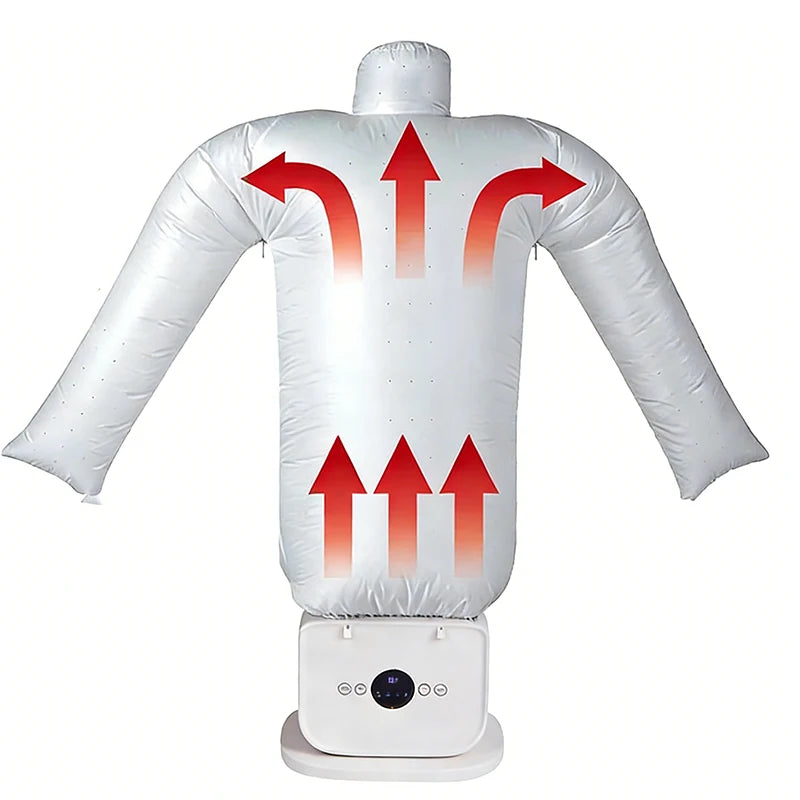
portable electric clothes dryer for indoor laundry — See it in action
Indoor Clothes Drying Alternatives
If a portable dryer or traditional air drying does not fully match your needs, several indoor clothes drying alternatives can provide additional flexibility. These options are useful for small homes, energy-conscious households, and people looking for space-saving laundry solutions.
Heat Pump Dryers
Heat pump dryers use a more energy-efficient drying process by recycling warm air instead of constantly generating new heat. They can be a good choice for households looking for lower energy consumption and gentle fabric care.
- Best For: Energy-conscious users who want efficient everyday drying.
- Advantages: Lower energy use and reduced heat exposure for clothing.
- Considerations: Higher upfront cost and longer drying cycles compared with some conventional dryers.
Drying Cabinets
Drying cabinets provide a vertical drying solution that saves floor space while gently circulating warm air around hanging garments. They are especially useful for homes that need organized storage and drying in the same area.
- Best For: Small spaces where floor area is limited.
- Advantages: Space-efficient design and suitable for delicate items.
- Considerations: Less common and may require more dedicated installation space.
Dehumidifier with Drying Rack
Using a dehumidifier with a drying rack can help remove moisture from the surrounding air while clothes dry naturally. This approach can improve indoor comfort in humid environments without using a traditional dryer.
- Best For: Apartments where humidity control is a priority.
- Advantages: Helps manage moisture while supporting indoor drying.
- Considerations: Drying speed depends on room size, airflow, and dehumidifier performance.
Final Verdict: Which Drying Method Is Better for You?
Choose a portable dryer if you need faster drying, better control over indoor moisture, and a practical solution for apartments or small homes.
Choose air drying if your main priorities are minimizing energy use, reducing appliance costs, and protecting delicate fabrics with gentle drying.
For many households, a combination approach provides the most flexibility: use a portable dryer for heavy loads, urgent laundry, or humid weather, and air dry lightweight or delicate items when conditions allow.
Frequently Asked Questions
Is a portable dryer as good as a stationary electric dryer?
A portable dryer can be an excellent option for apartments, rentals, and small households, but it is not designed to match the capacity of a full-size stationary electric dryer. Portable models prioritize flexibility, compact storage, and simple installation, while stationary dryers typically offer larger drums and faster performance for high-volume laundry.
Can a portable dryer handle everyday family laundry?
Yes, a portable electric dryer can handle regular laundry needs when used within its recommended capacity. It works especially well for everyday clothing, towels, and smaller loads. Larger families with frequent heavy laundry may prefer combining a portable dryer with air drying or choosing a full-size dryer when space and installation allow.
Do portable dryers require venting?
Many portable dryers are designed for easier installation than traditional dryers and may not require the same vent setup as standard vented models. However, requirements vary by design, so always follow the manufacturer’s instructions for ventilation, placement, and safe operation.
What is the difference between a 120V and 240V dryer?
A 120V dryer typically uses a standard household outlet and is easier to install in apartments, dorms, and rental properties. A 240V dryer generally provides more power for larger loads and faster drying but usually requires a dedicated electrical connection.
Which dryer is more energy efficient?
The most energy-efficient choice depends on usage habits and dryer type. Air drying uses no electricity, making it the lowest-energy option. Portable dryers use electricity but can save time and improve convenience by providing controlled drying conditions. Energy-efficient models, including some heat pump designs, can reduce operating costs compared with traditional dryers.
Is air drying clothes indoors bad for humidity?
Air drying clothes indoors can increase humidity because moisture from wet fabrics evaporates into the surrounding air. In small or poorly ventilated rooms, this may make the space feel damp and uncomfortable. Proper airflow and humidity management can help reduce these effects.
Can a portable dryer replace a full-size dryer?
For many apartment residents and small households, a portable dryer can replace the need for a full-size dryer. However, households with large laundry volumes may prefer a traditional dryer because of its larger capacity and faster processing of bulky items.
Which dryer is best for apartments?
For most apartments, a portable electric dryer is the most practical choice because it requires less space, offers easier setup, and provides faster results than indoor air drying. When choosing a model, consider available storage space, electrical requirements, laundry frequency, and humidity conditions.
Related Guide: Best Portable Clothes Dryer Apartment Comparison Guide













